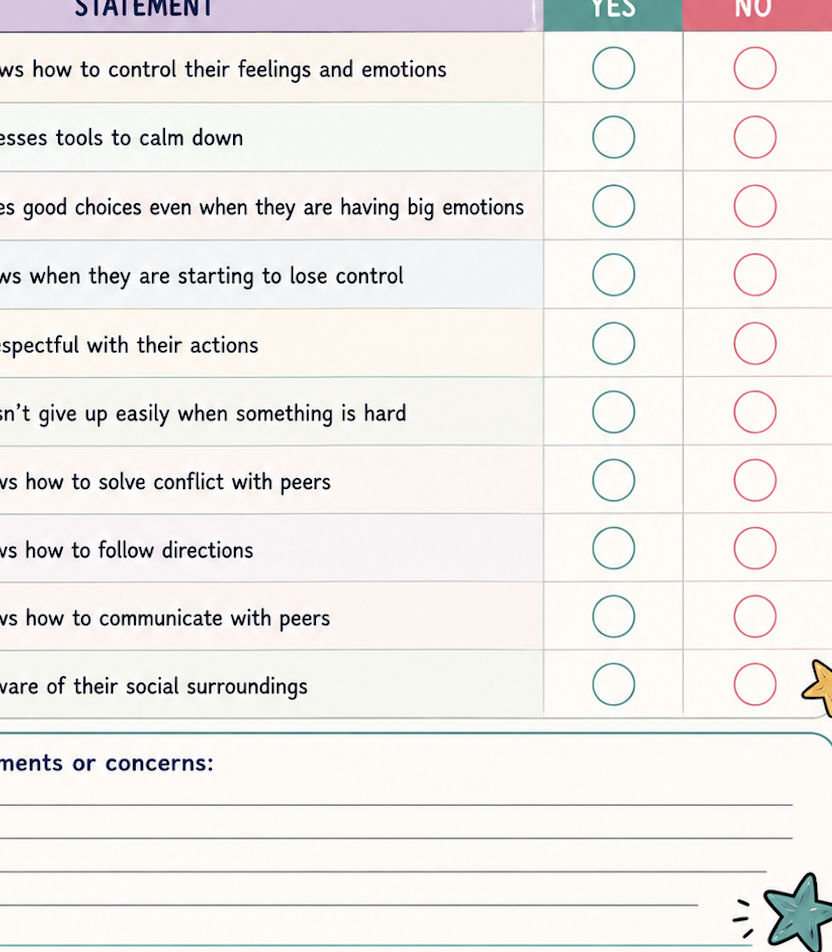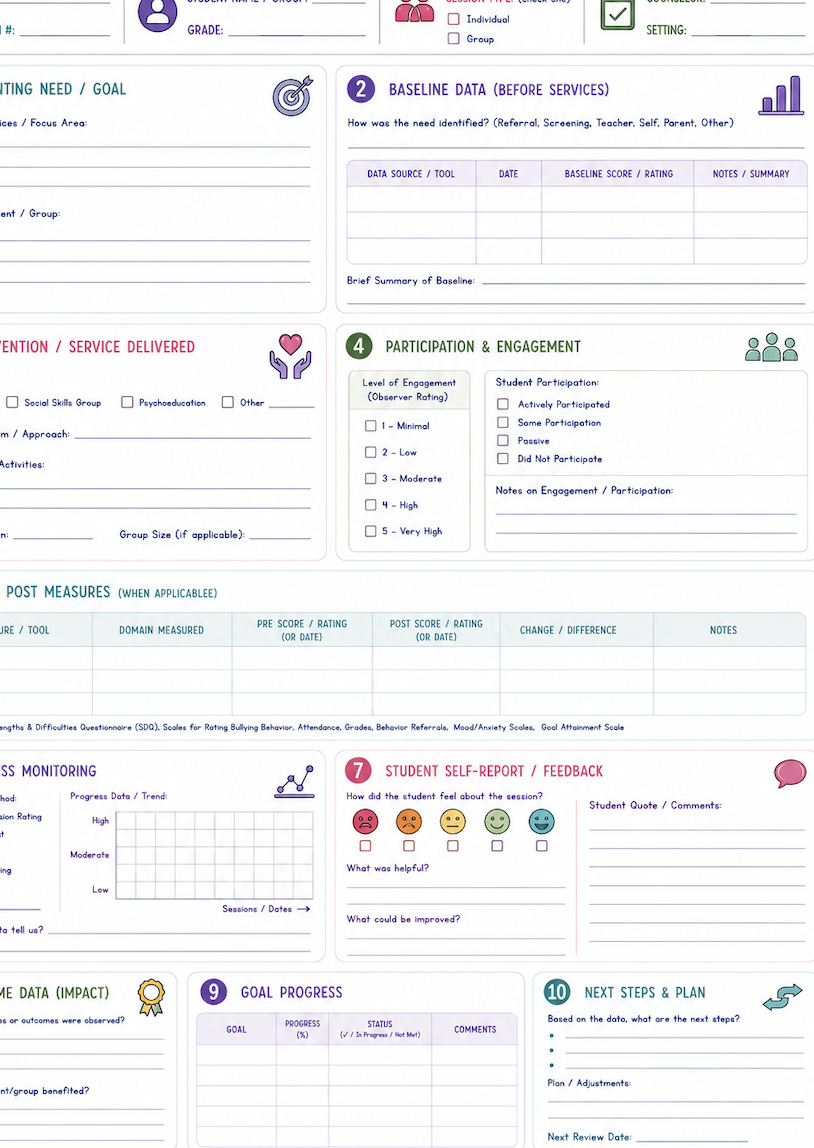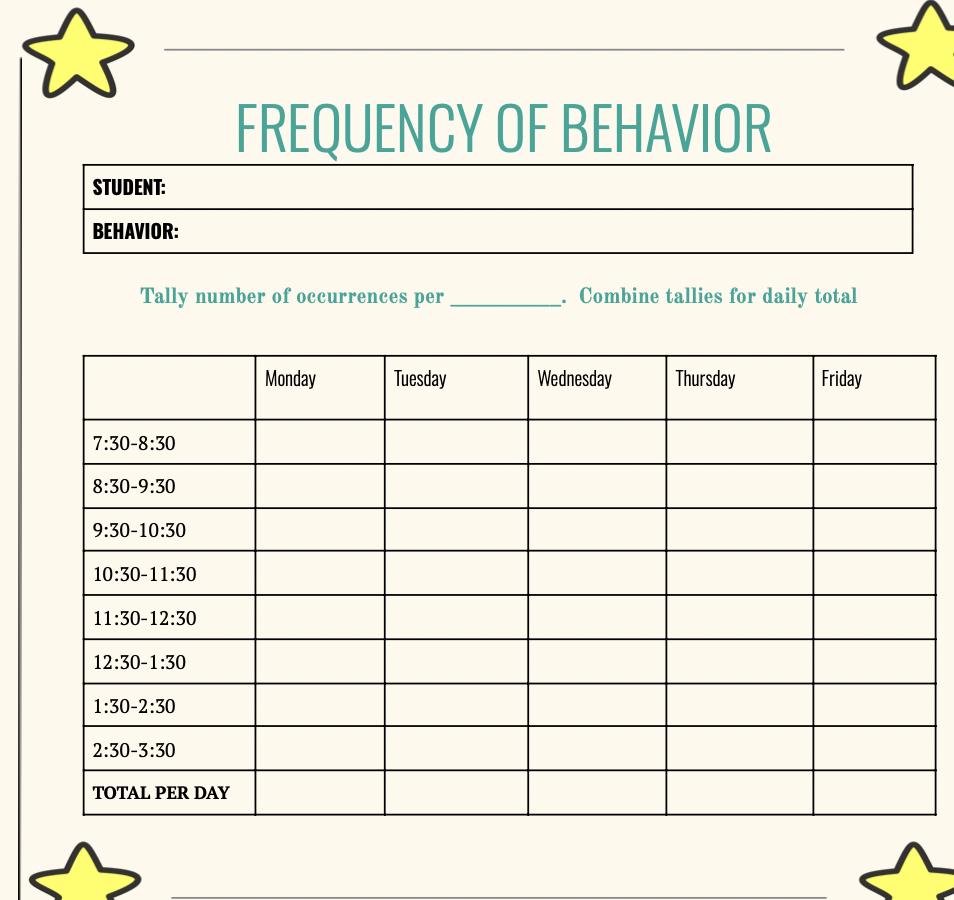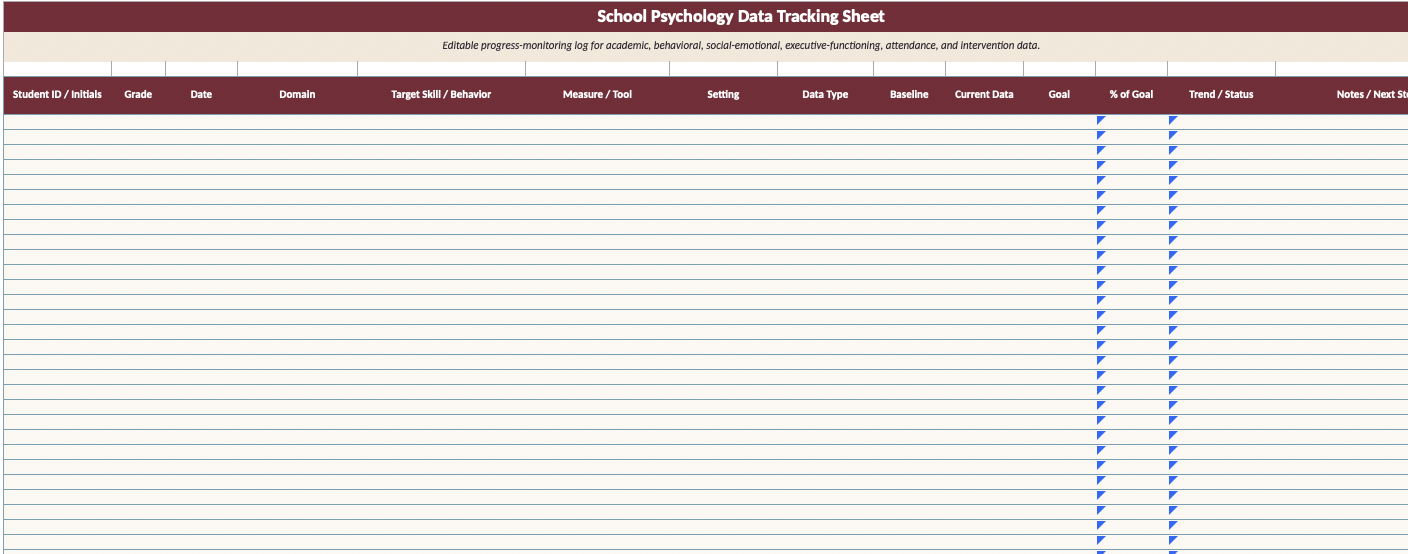
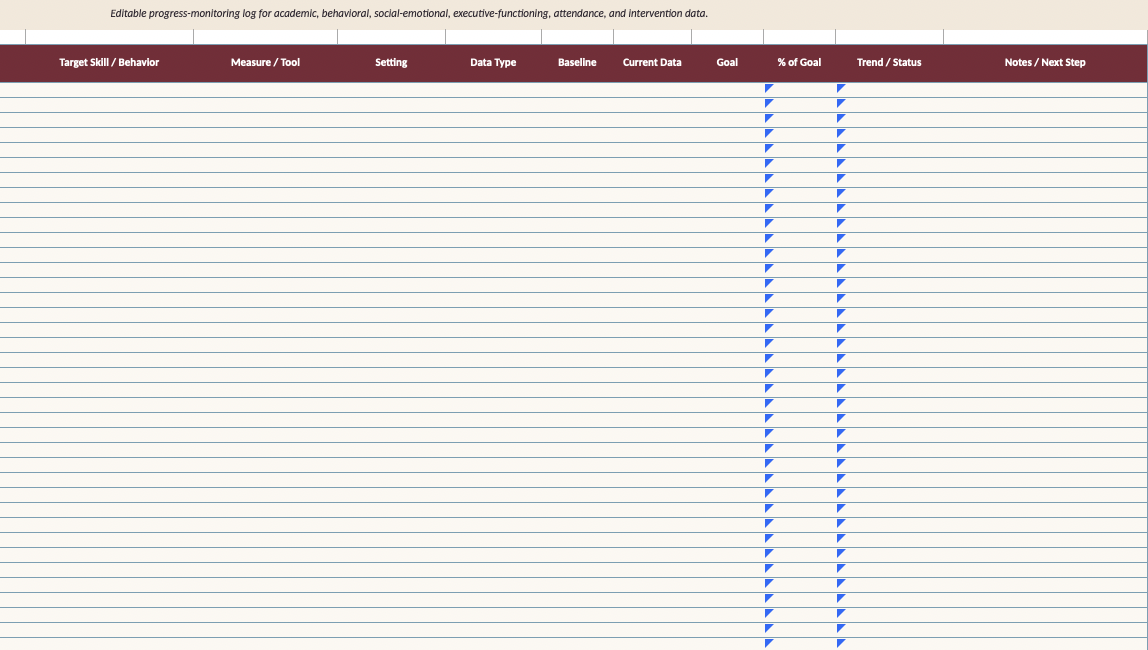

An editable data tracking tool designed for school psychologists to easily monitor student progress across academic, behavioral, social-emotional, executive functioning, adaptive, and other areas. With organized data fields, progress monitoring features, and a student summary page, this resource helps turn data into meaningful, informed decisions for student support. Downloadable file.
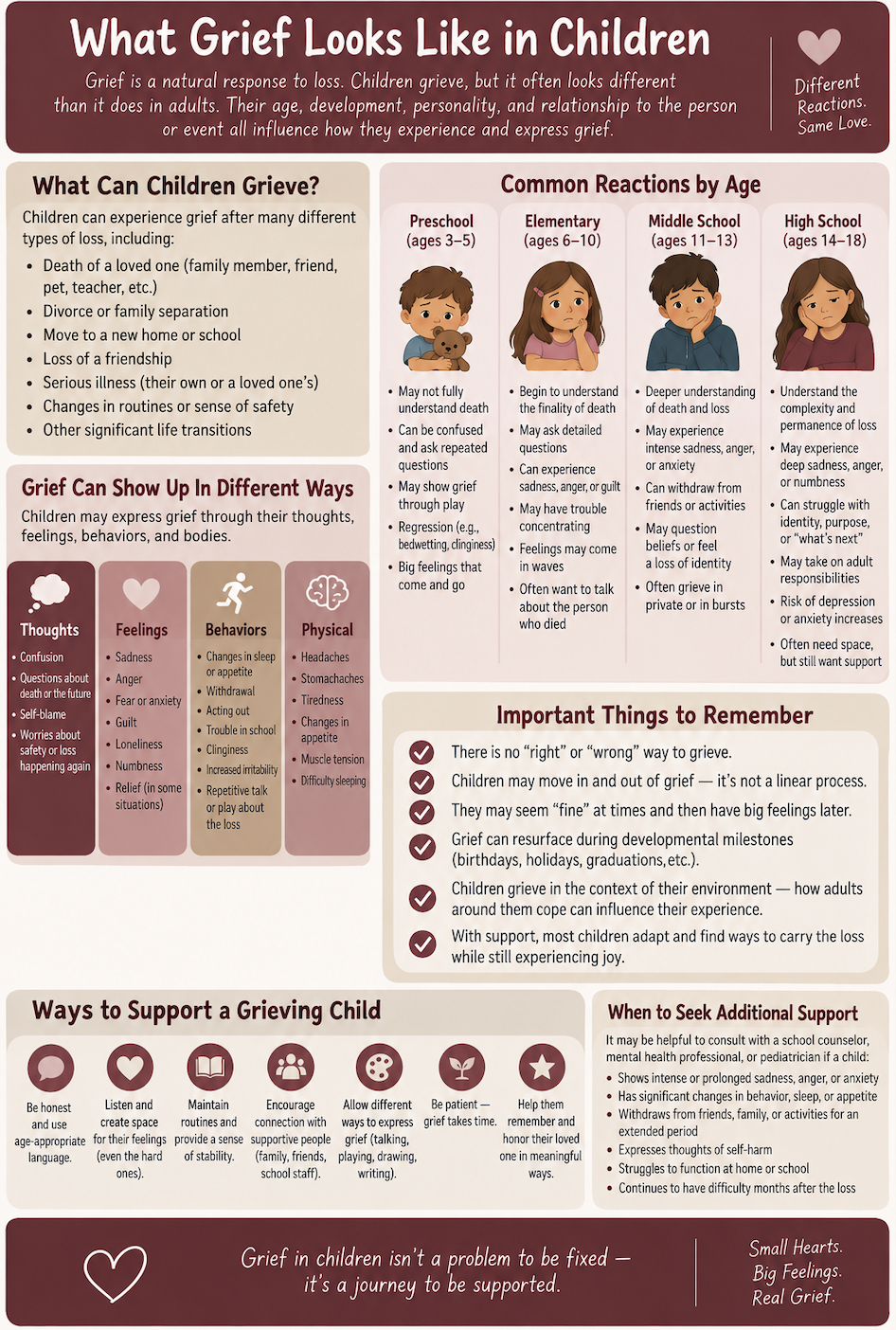
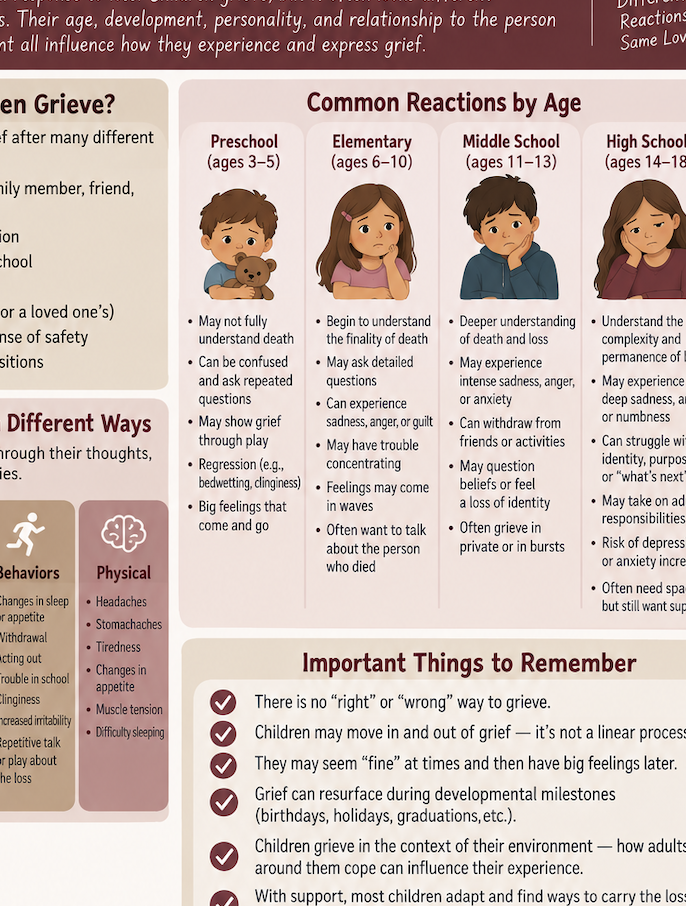
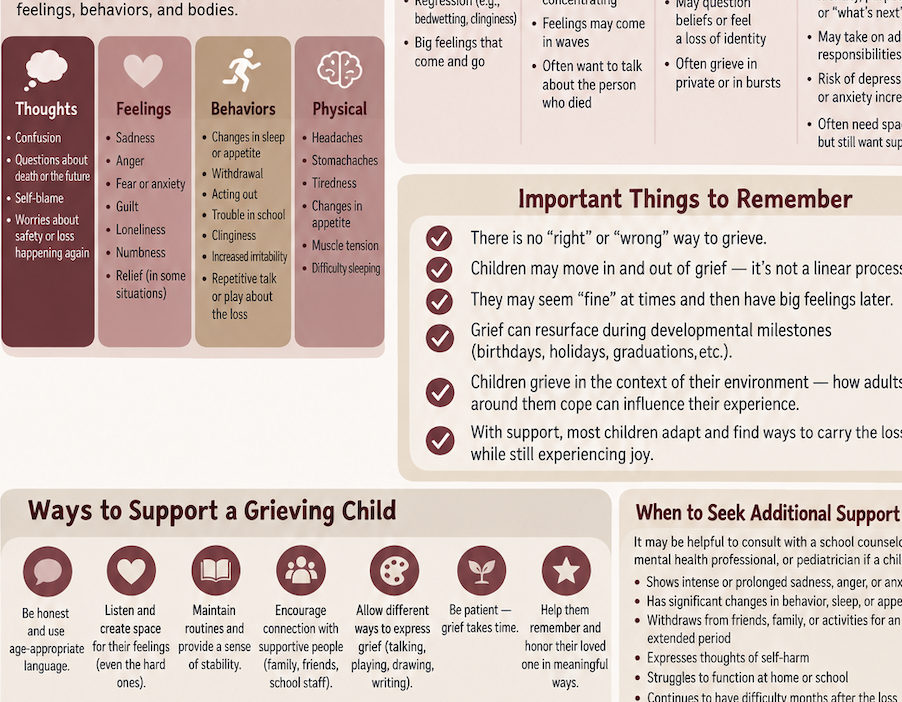
This infographic provides a brief overview of how grief may look different across childhood and adolescence, including common emotional, behavioral, and physical responses. It also highlights supportive strategies for adults and signs that a child may benefit from additional support. Downloadable PDF.
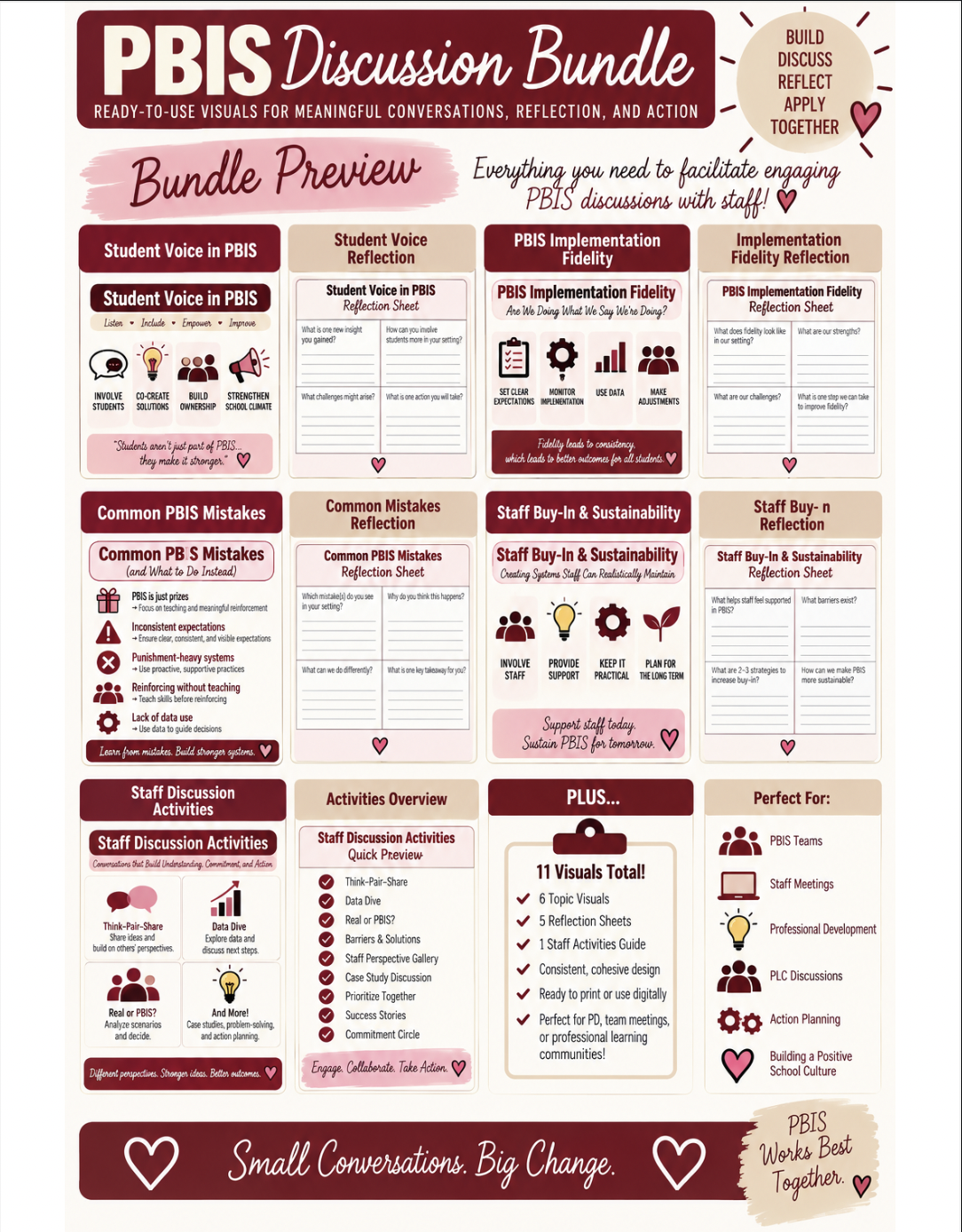
A practical, ready-to-use PBIS Professional Development Bundle featuring engaging visuals, reflection sheets, and staff discussion activities. Designed to help school teams strengthen PBIS implementation, build staff understanding and collaboration, use data effectively, promote equity and student voice, and create positive, sustainable systems for all students. Downloadable file.
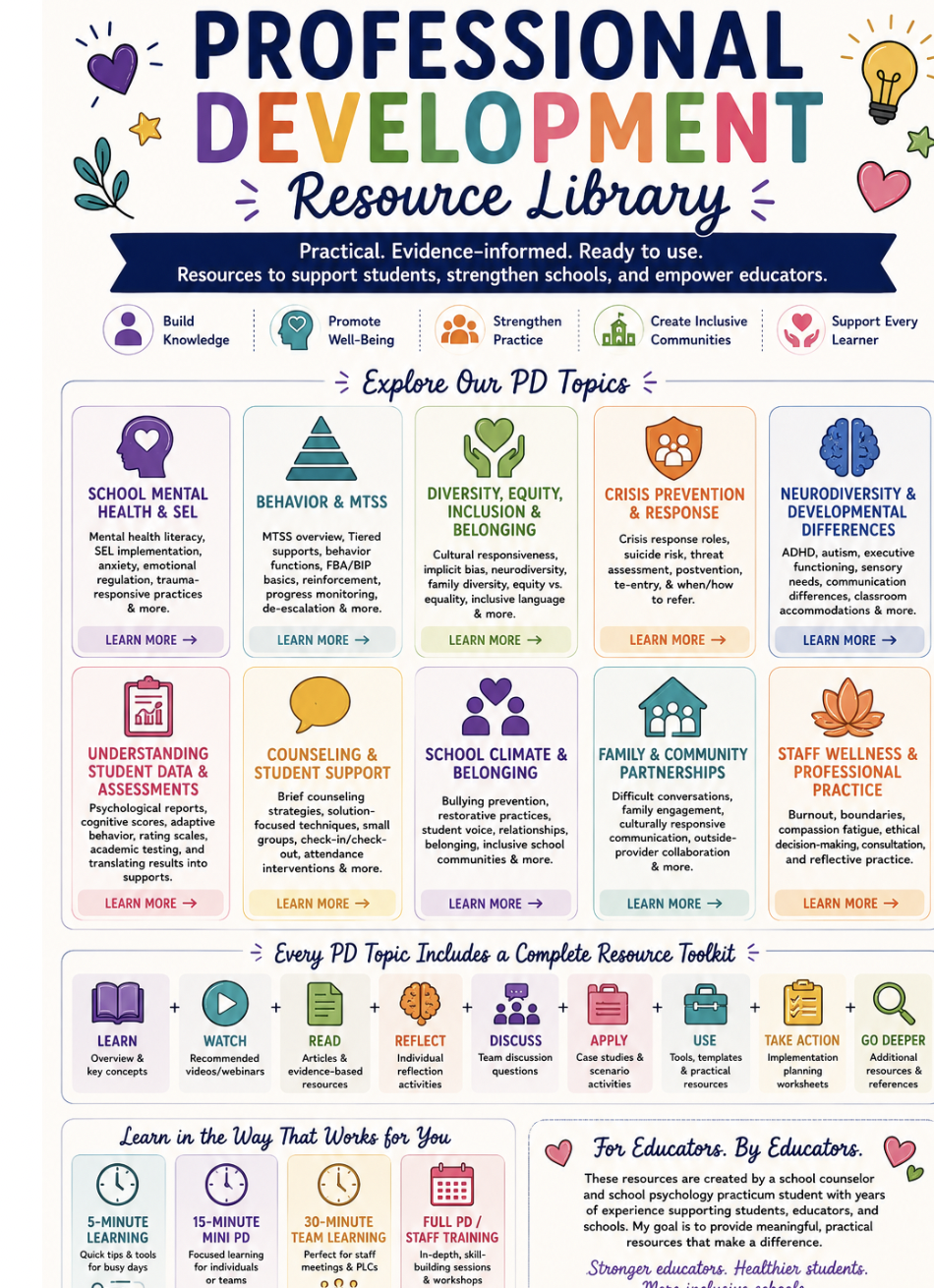
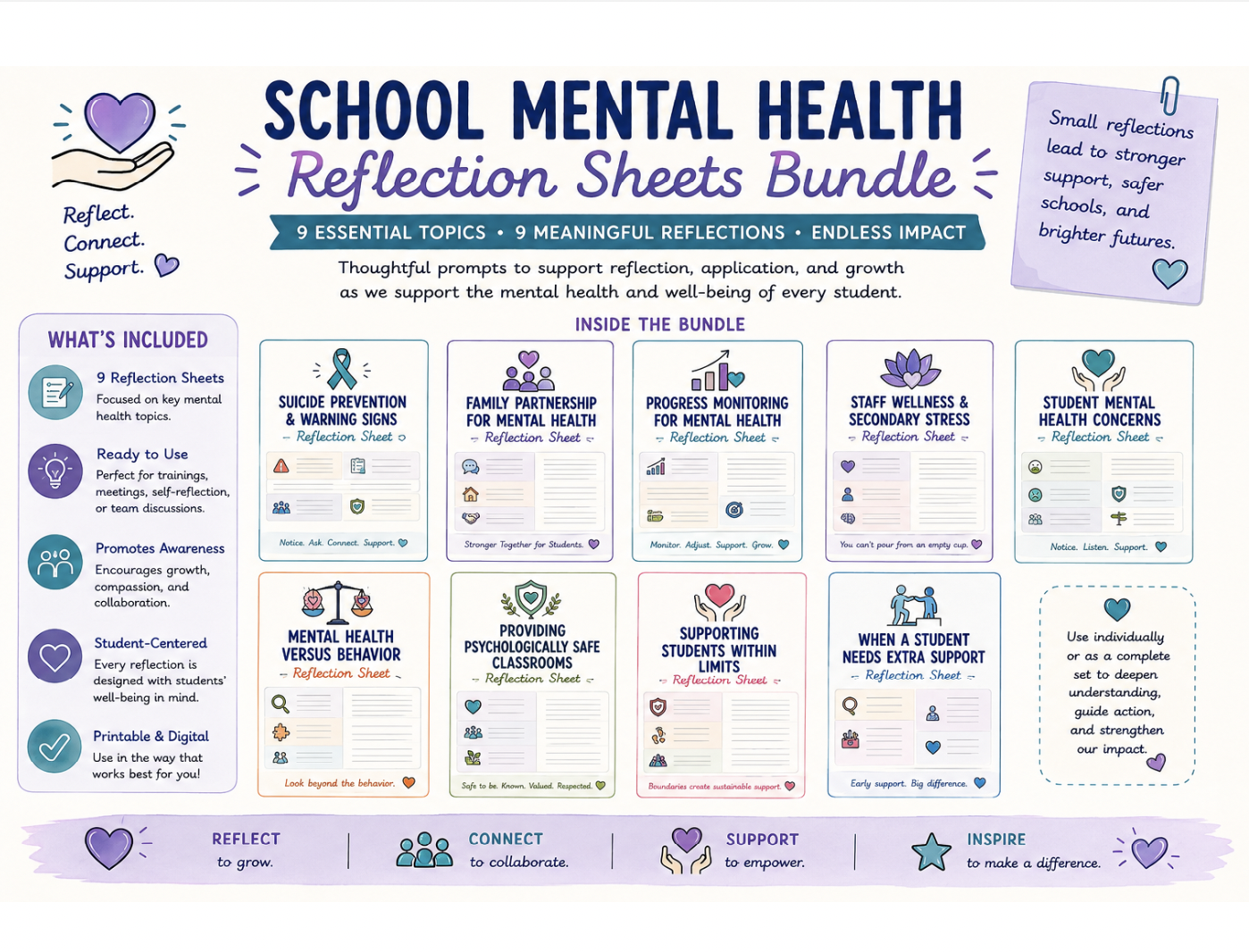
A comprehensive School Mental Health & SEL Professional Development Bundle featuring practical, ready-to-use resources that help educators recognize student needs, strengthen mental health supports, promote SEL, and create safe, supportive school environments. Perfect for staff PD, team learning, workshops, or independent professional growth. Downloadable file.
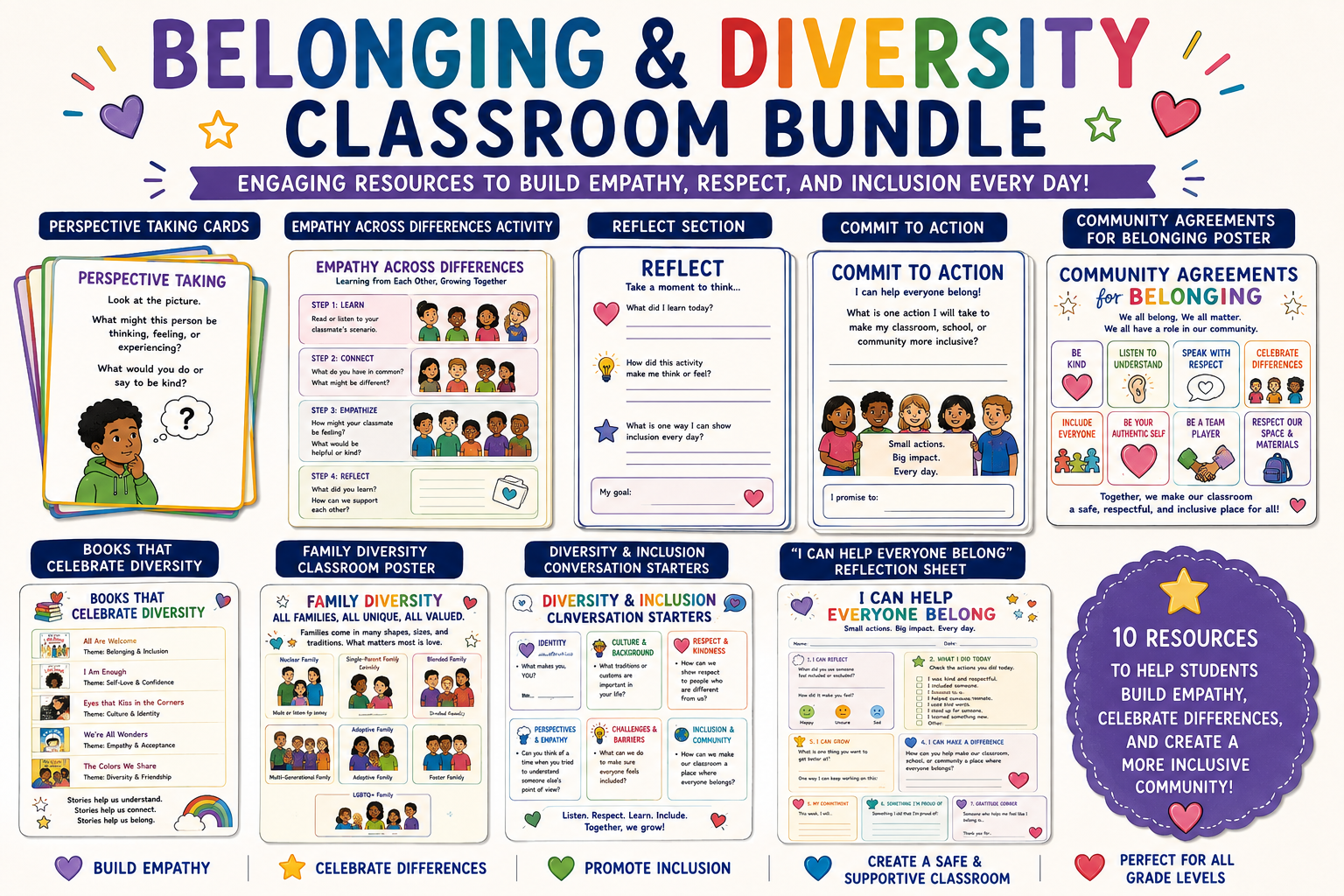
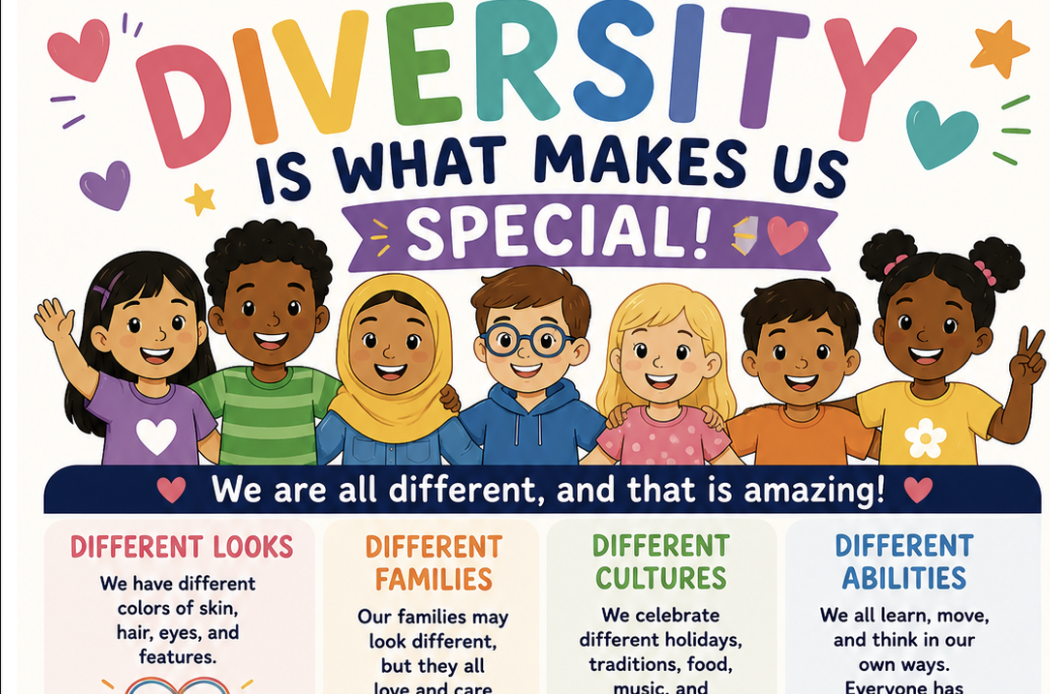
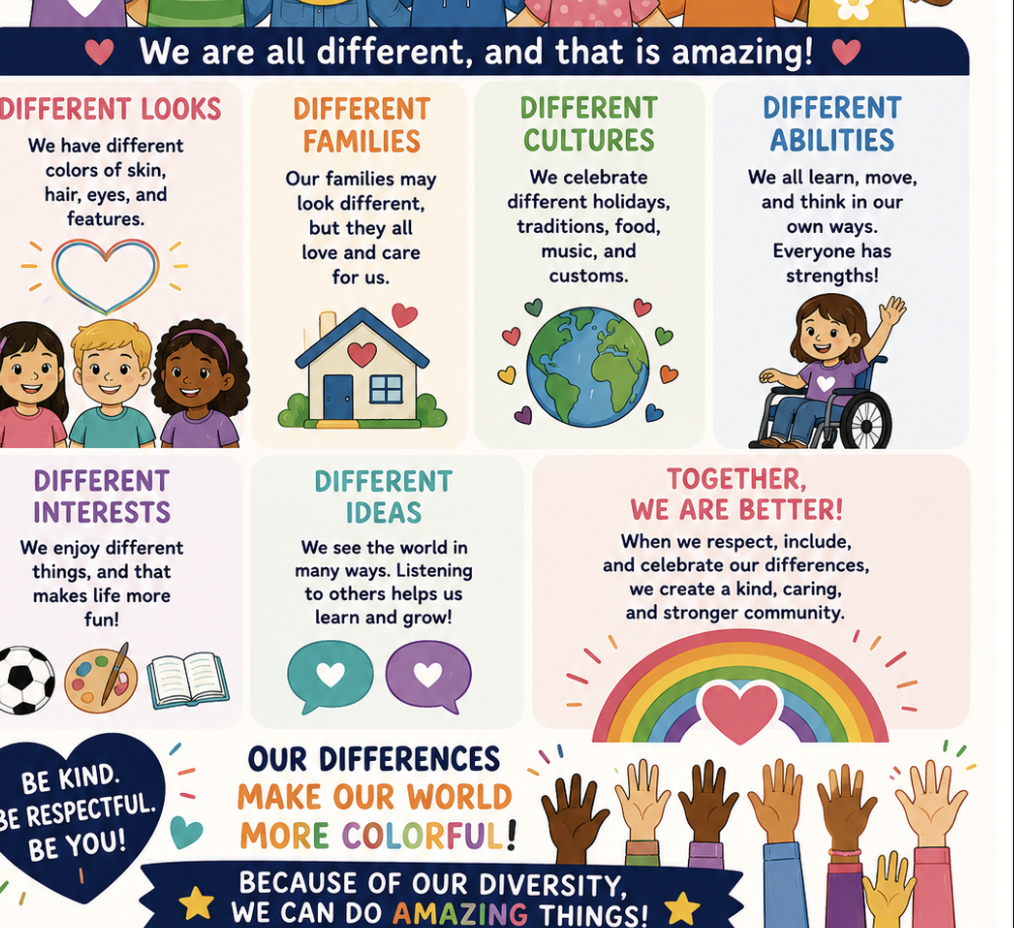
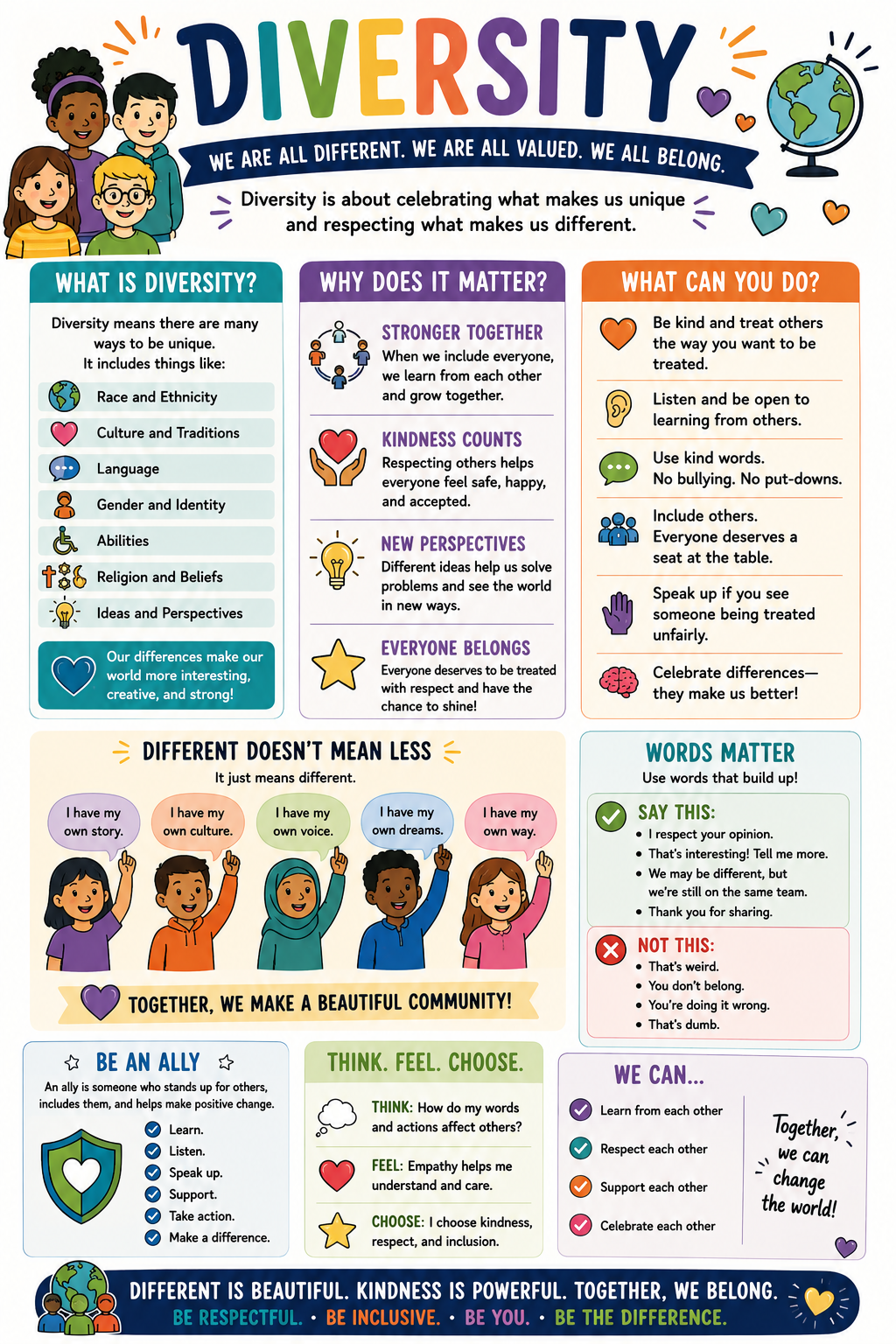
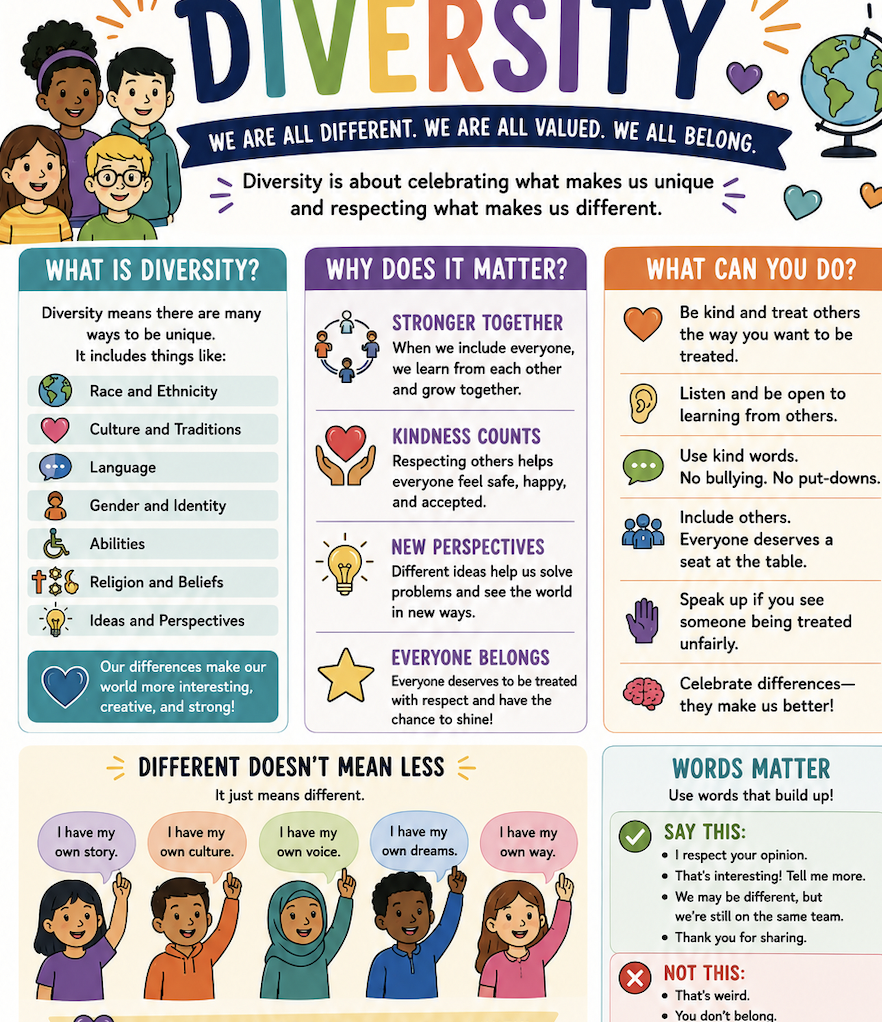
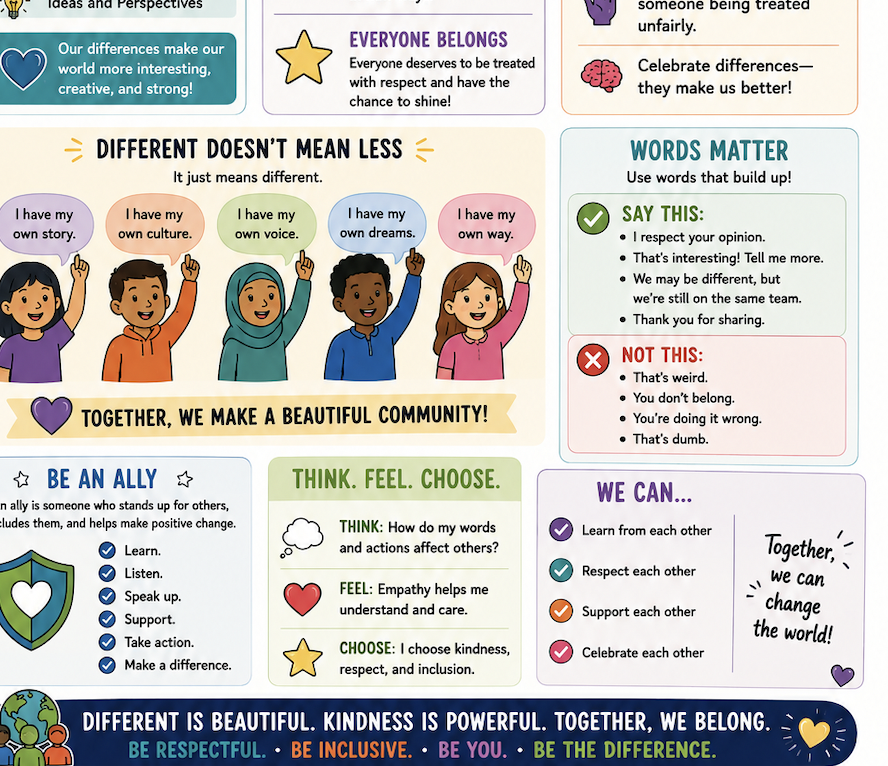
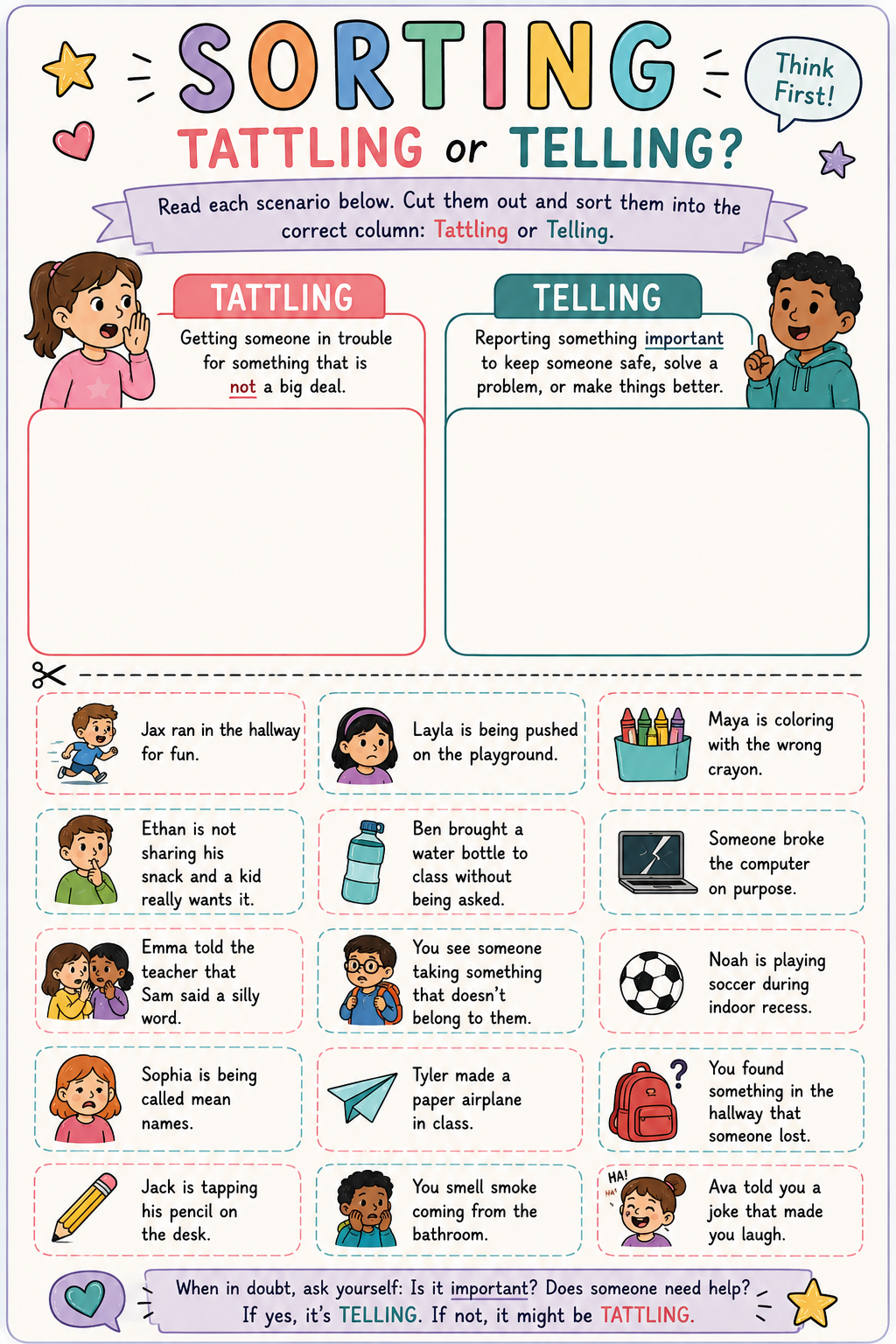
A ready-to-use Diversity, Inclusion & Belonging Bundle designed to help students celebrate differences, build empathy, practice respect, and create a classroom where everyone feels valued. Includes engaging lessons, posters, reflection sheets, scenario cards, sorting activities, and student worksheets. Downloadable file.
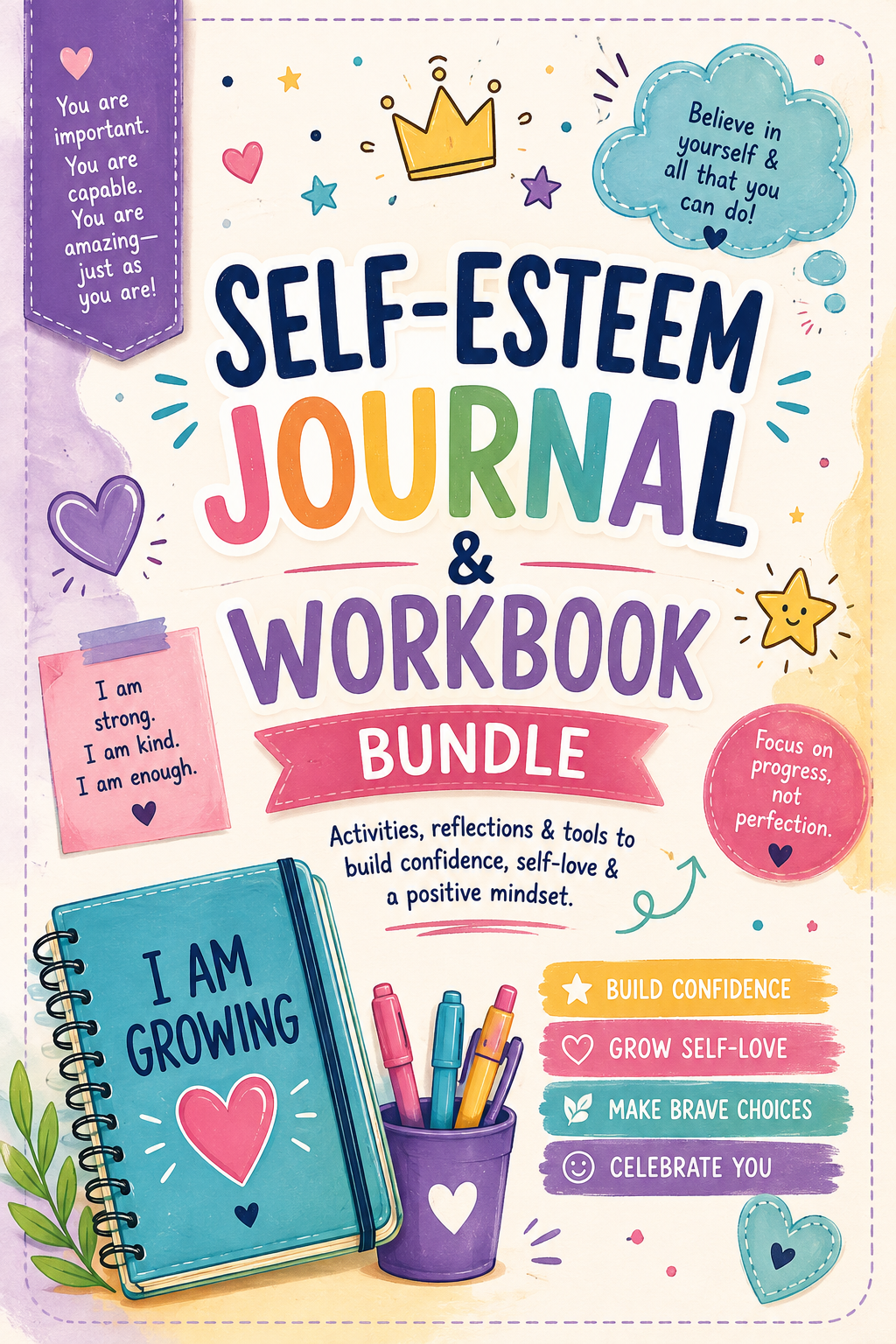
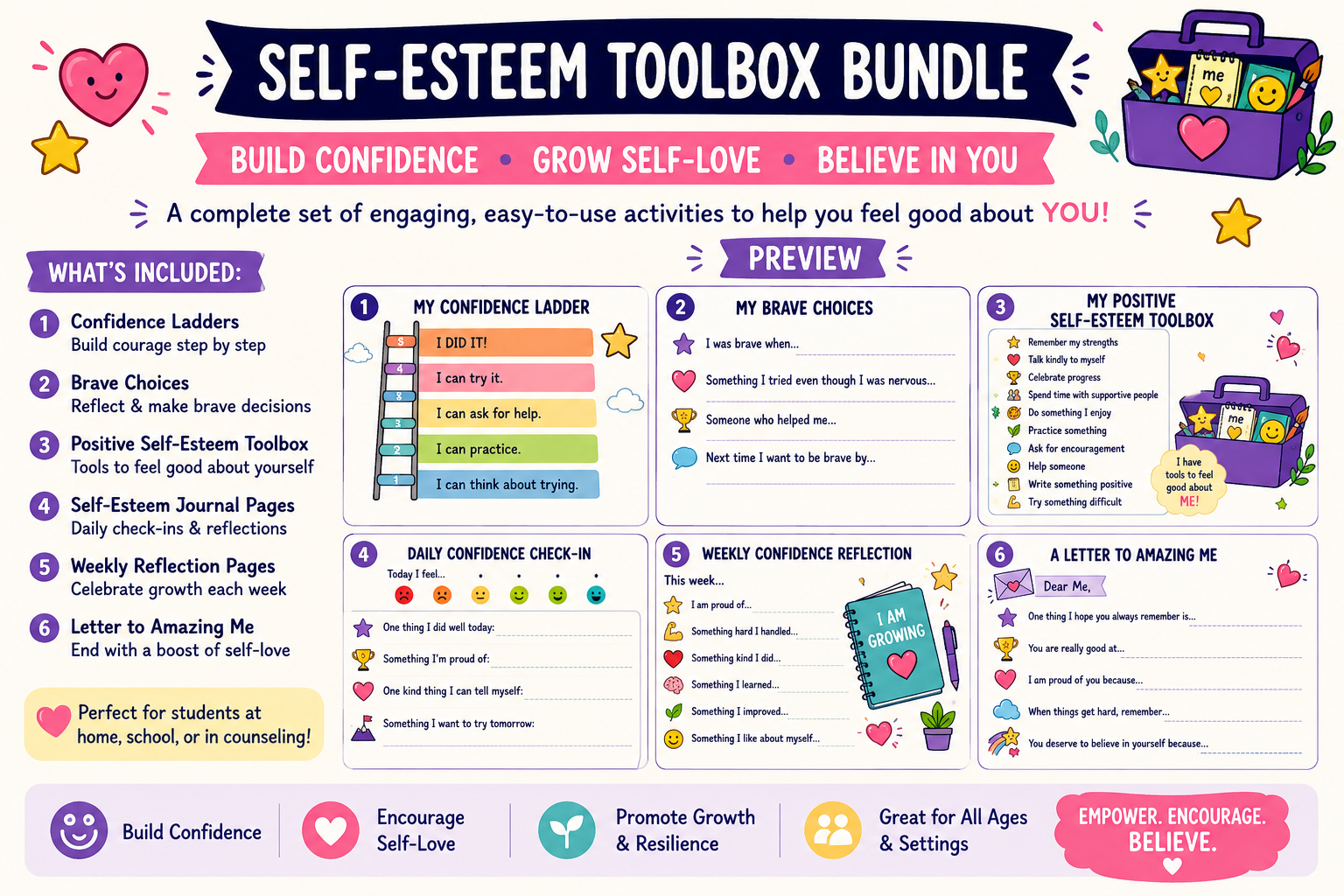
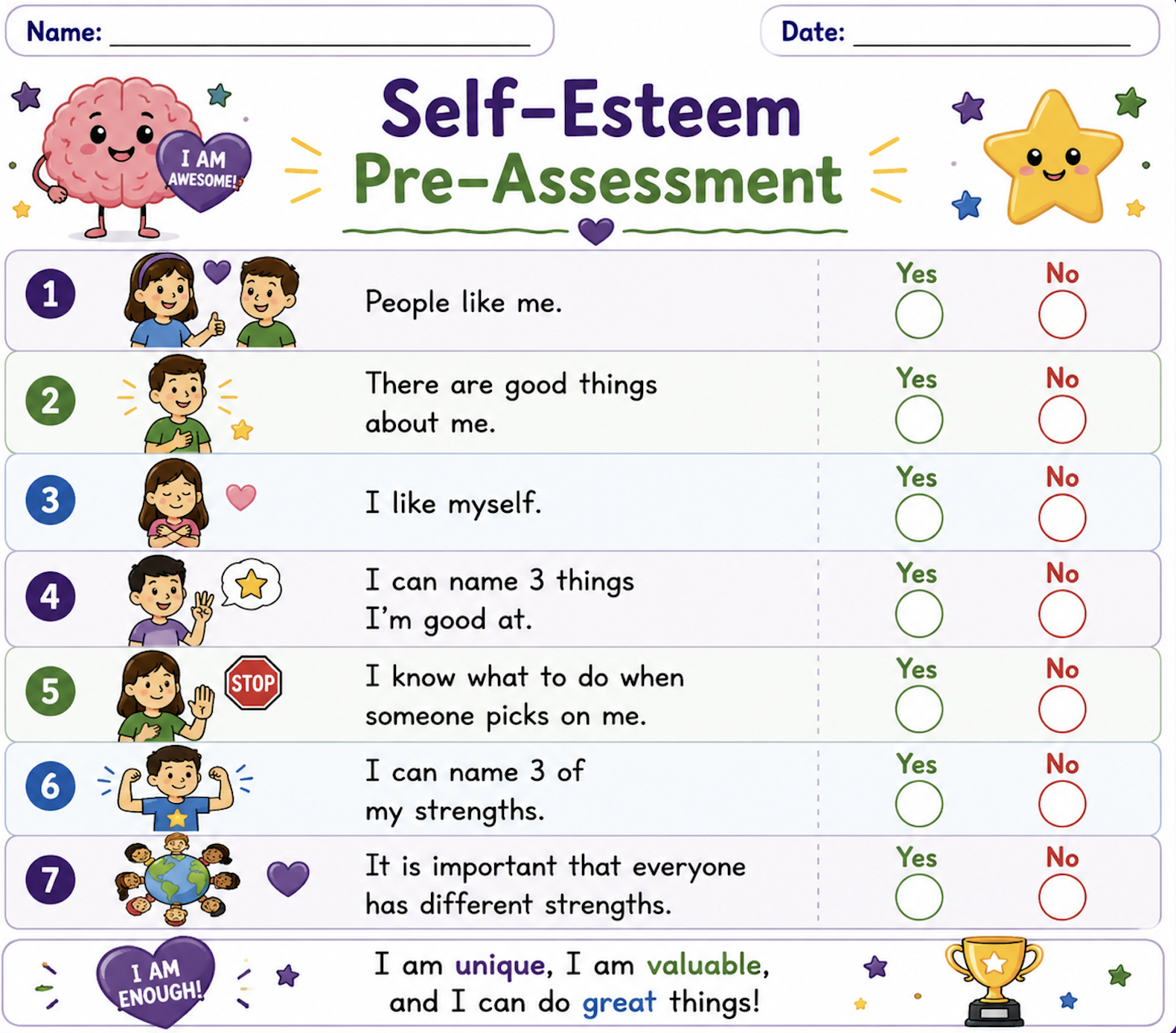
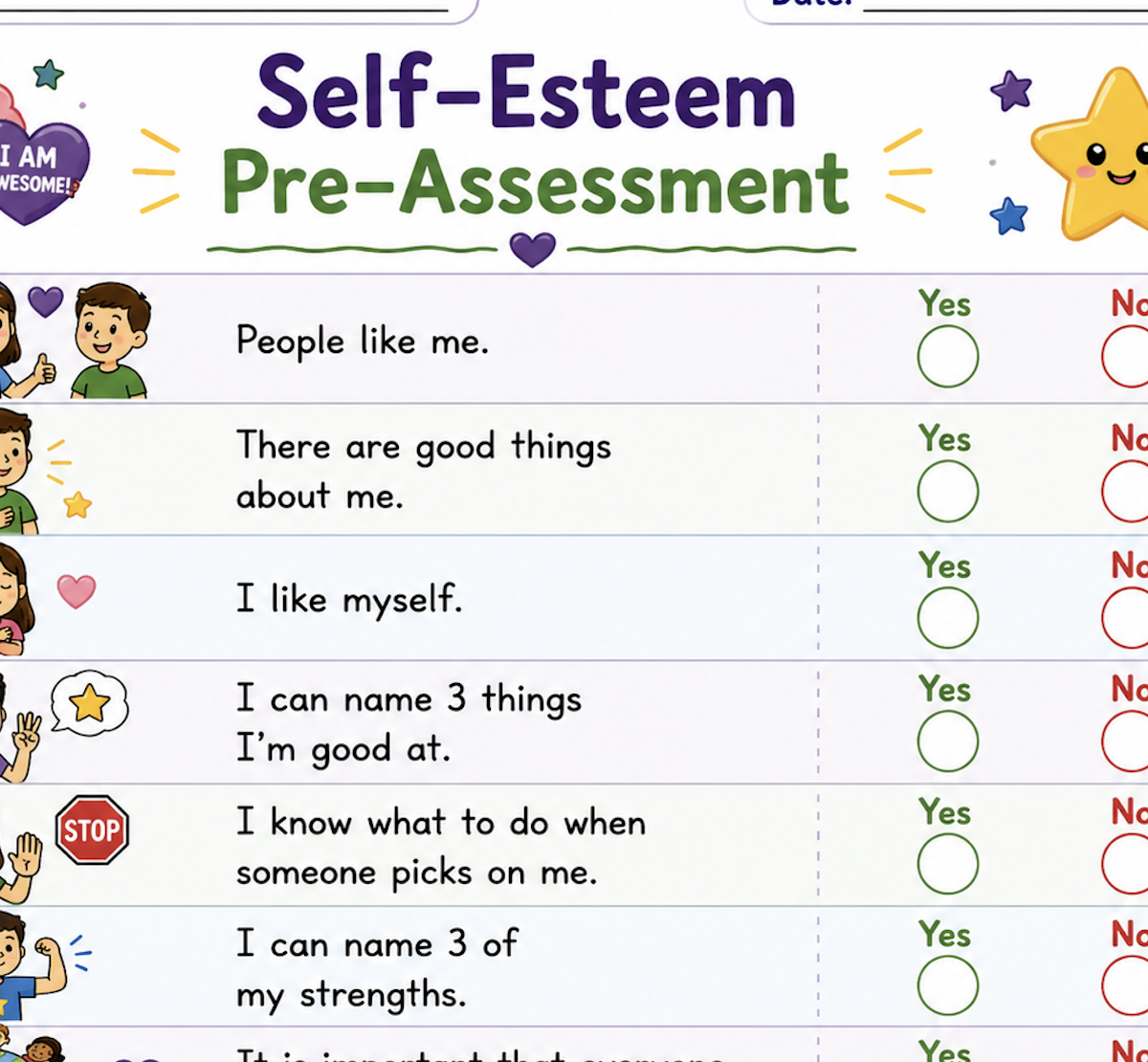
The Self-Esteem Journal & Workbook is a student-friendly resource designed to build confidence, self-awareness, positive self-talk, resilience, and self-worth through engaging reflection activities, creative worksheets, and confidence-building strategies. Downloadable file.
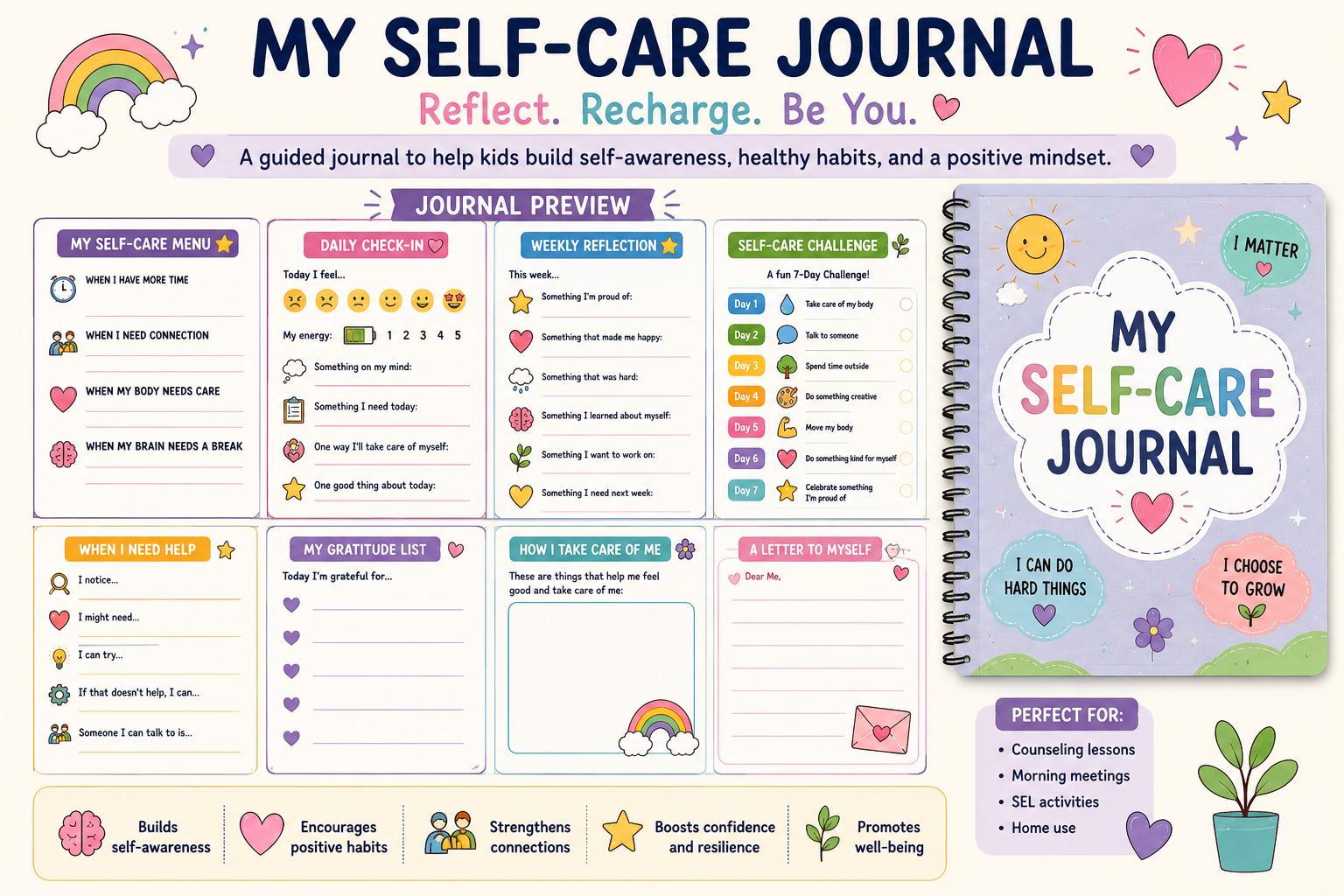
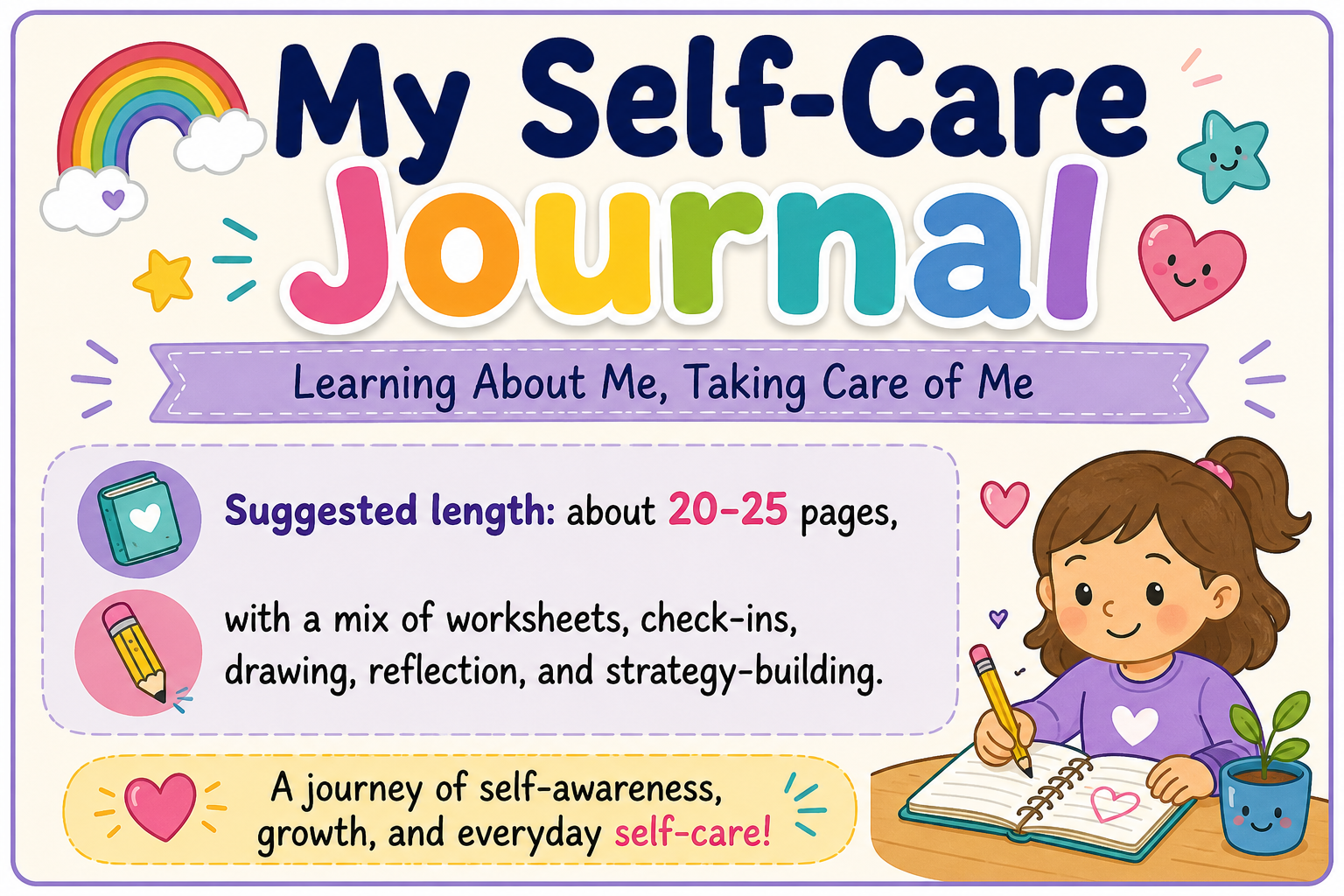
The My Self-Care Journal is an engaging, student-friendly resource designed to build self-awareness and help children recognize their emotions, needs, strengths, and supports. Through reflection, coping strategies, healthy habits, and guided activities, students learn practical ways to care for their minds, bodies, and emotions.Downloadable file.
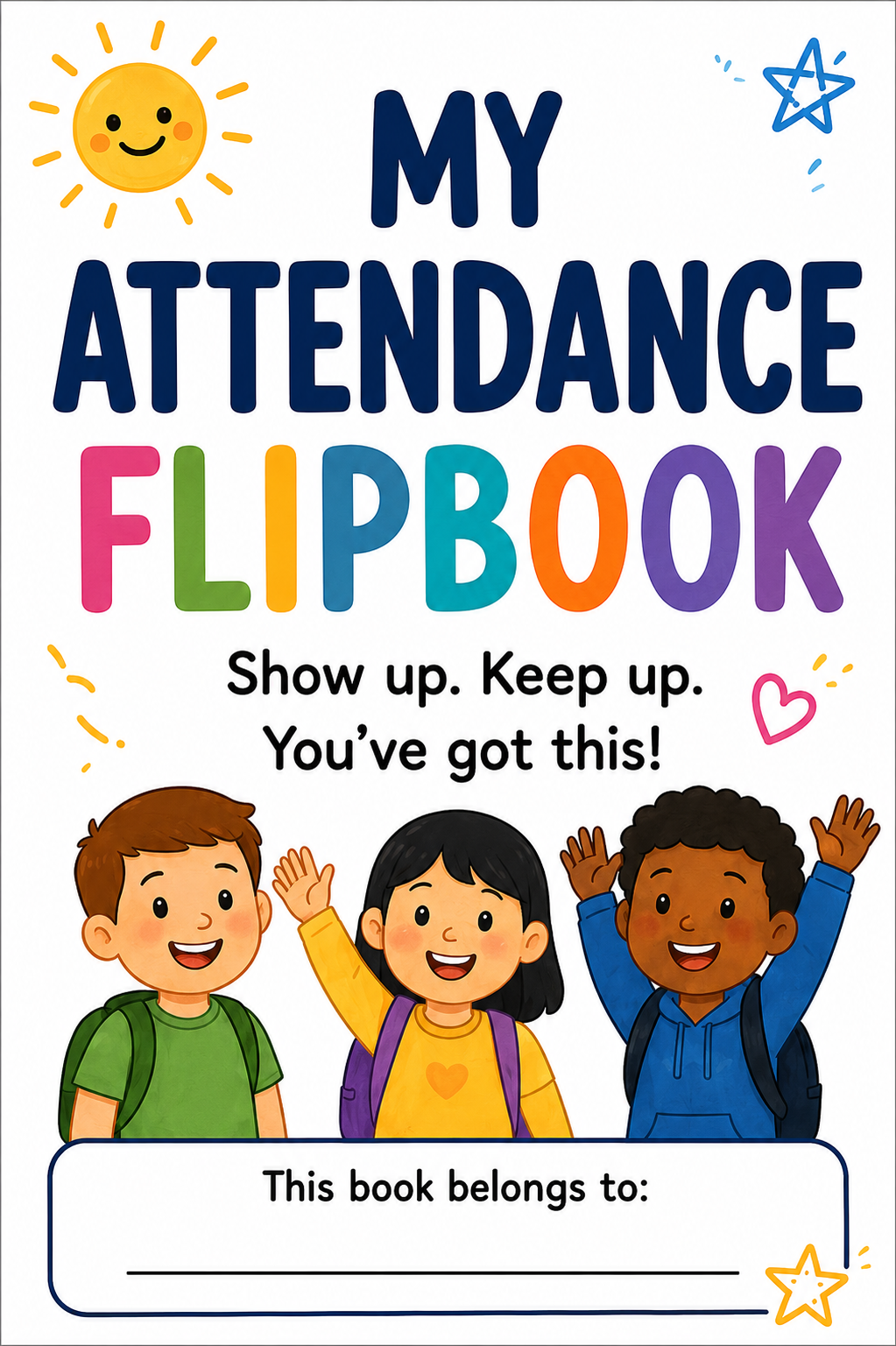
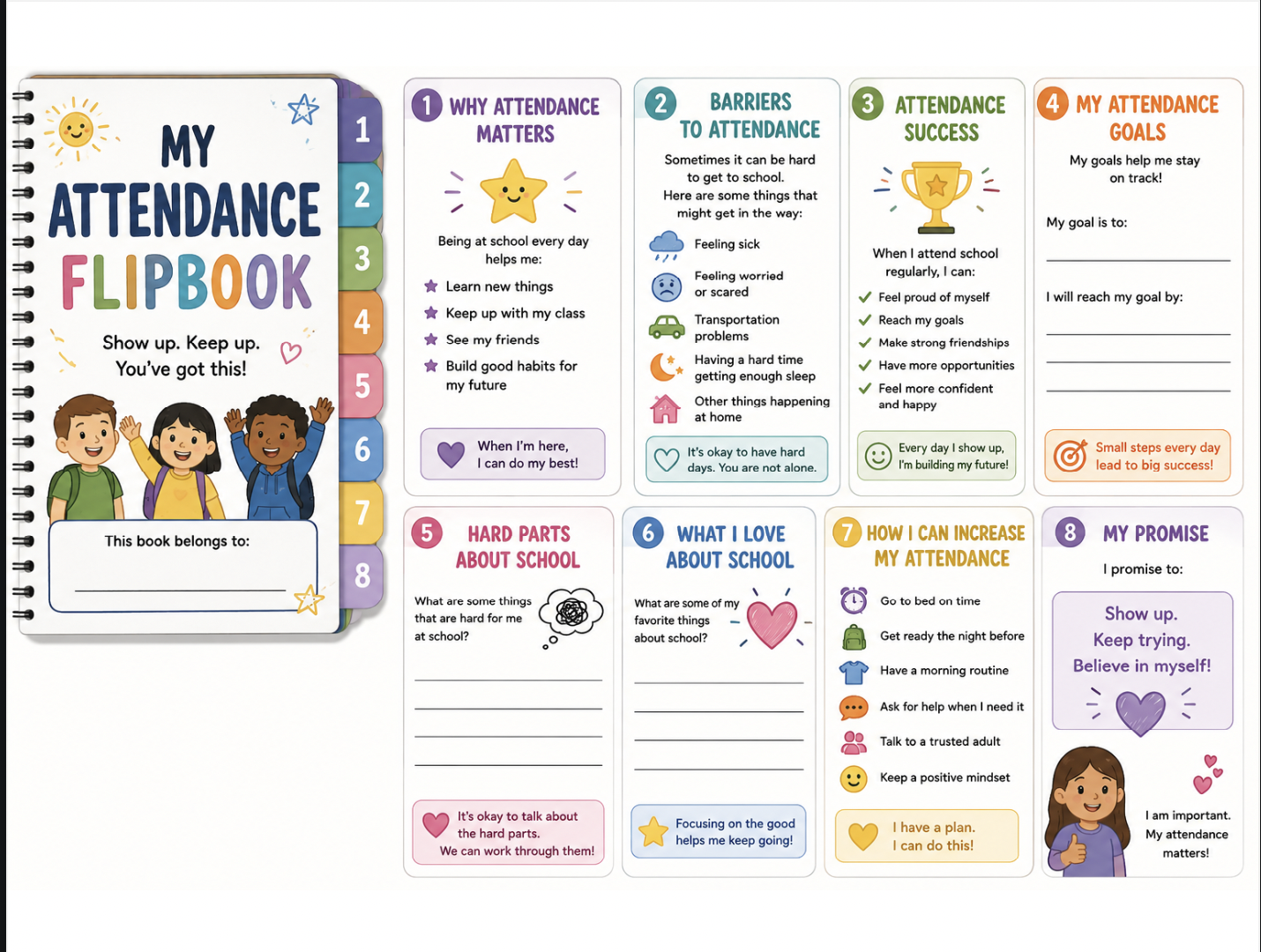
The My Attendance Flipbook is an engaging elementary resource that helps students explore why attendance matters, identify barriers, set goals, and develop strategies for showing up successfully. Through kid-friendly reflection activities, students celebrate what they love about school while building confidence, motivation, and ownership of their attendance. Downloadable file.
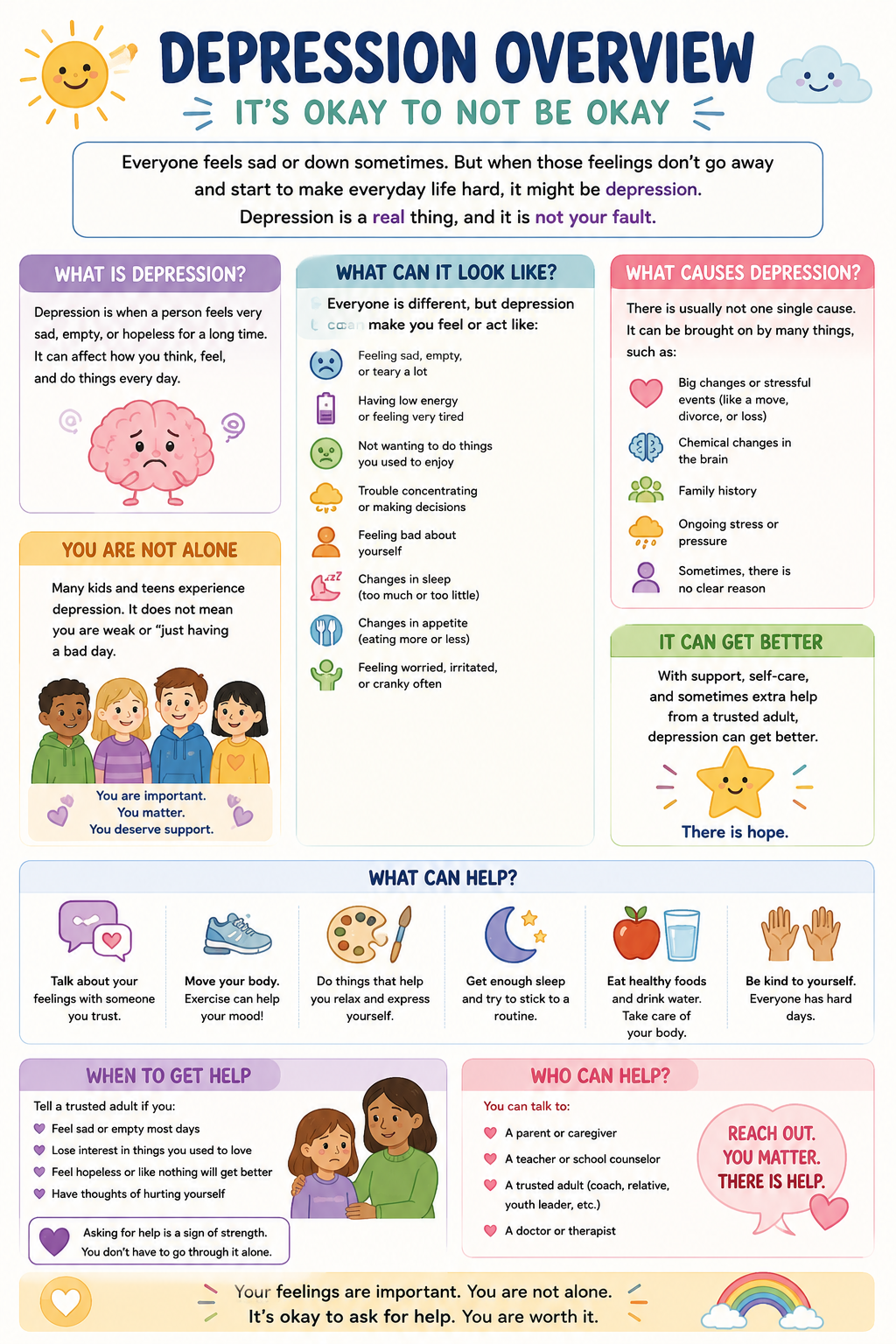
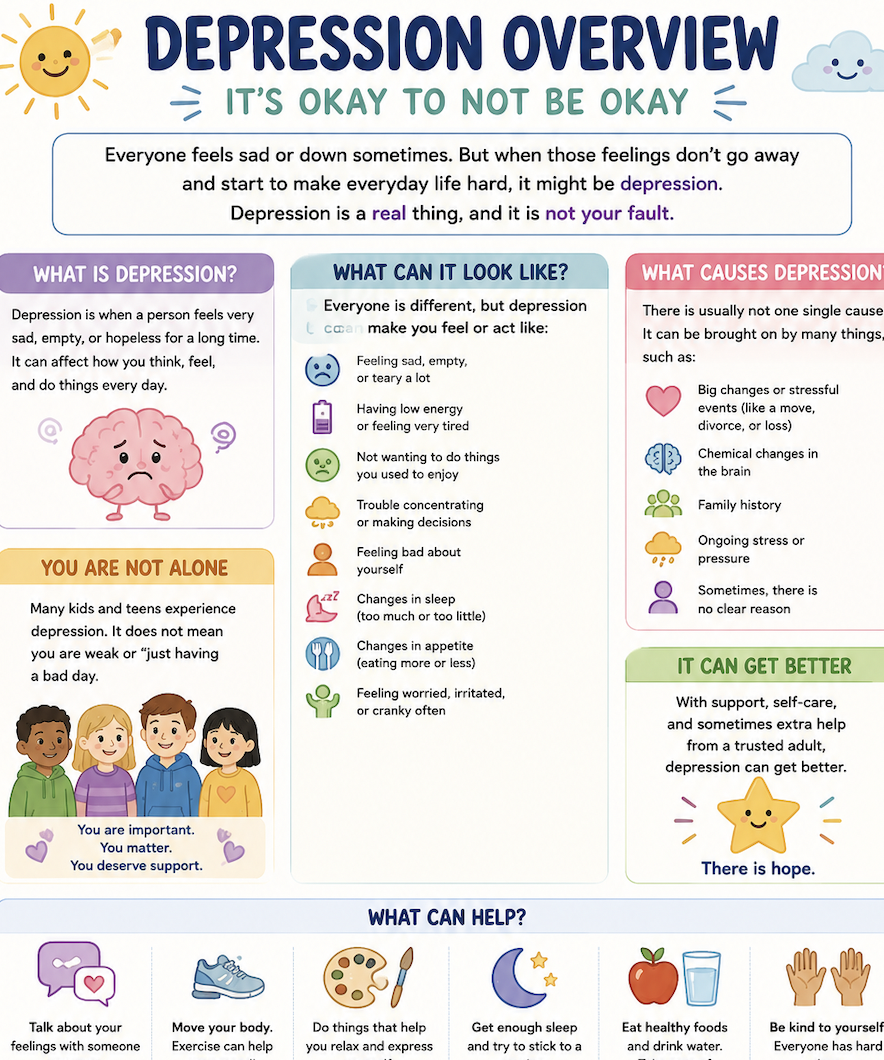
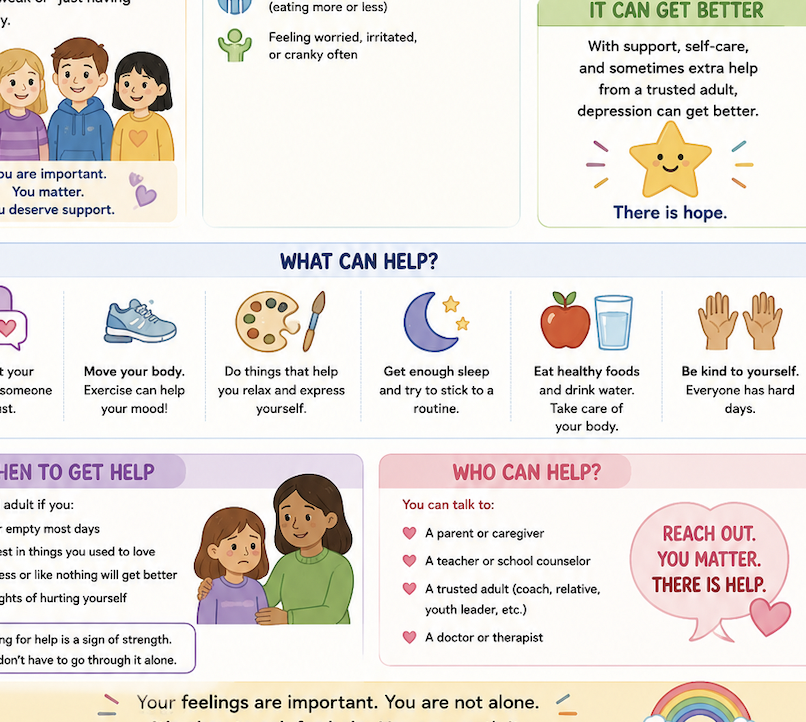
The Depression Overview is an elementary-friendly visual that helps students understand what depression can feel and look like, while reinforcing that support and hope are available. It introduces common signs, coping strategies, and trusted people students can turn to when they need help
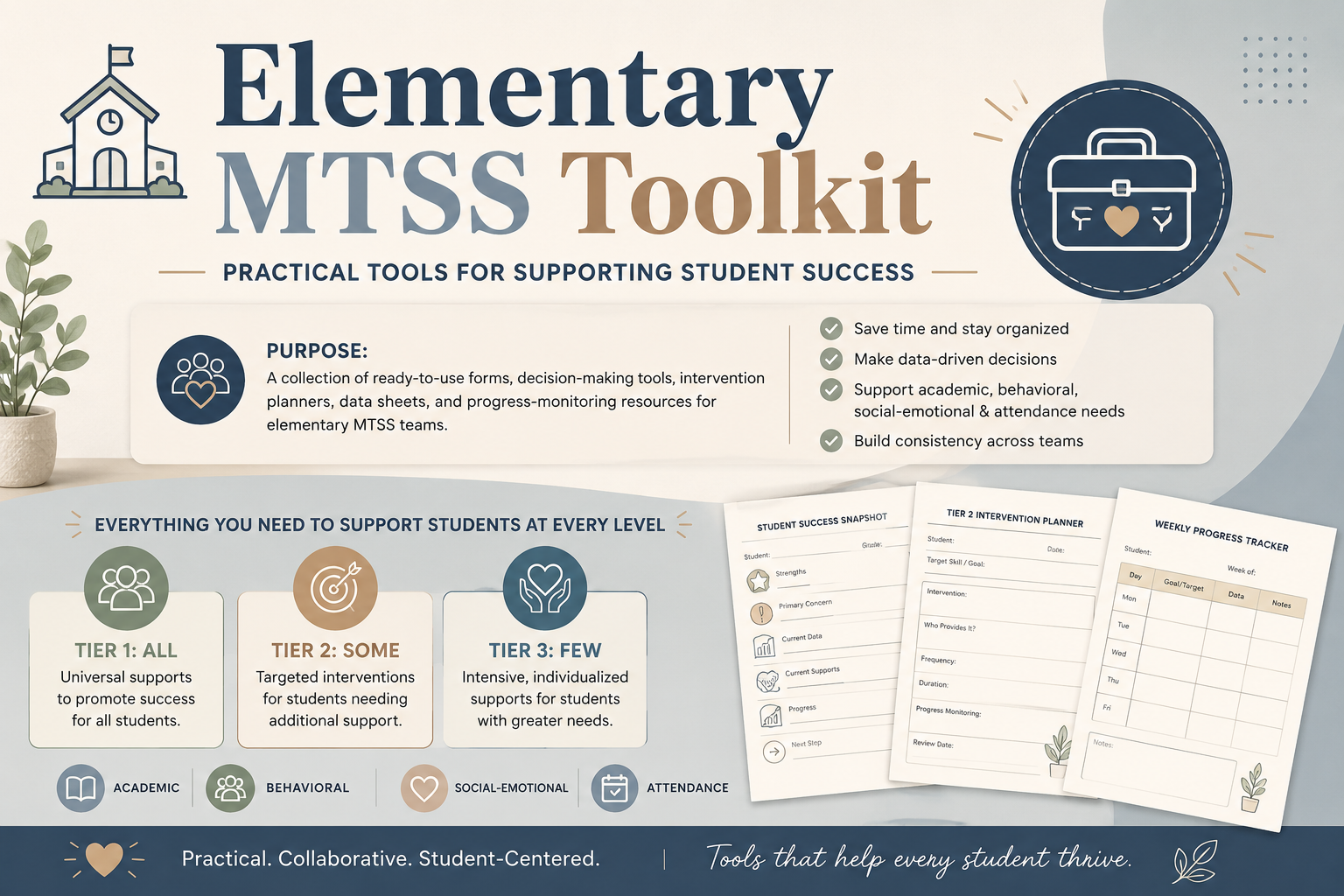
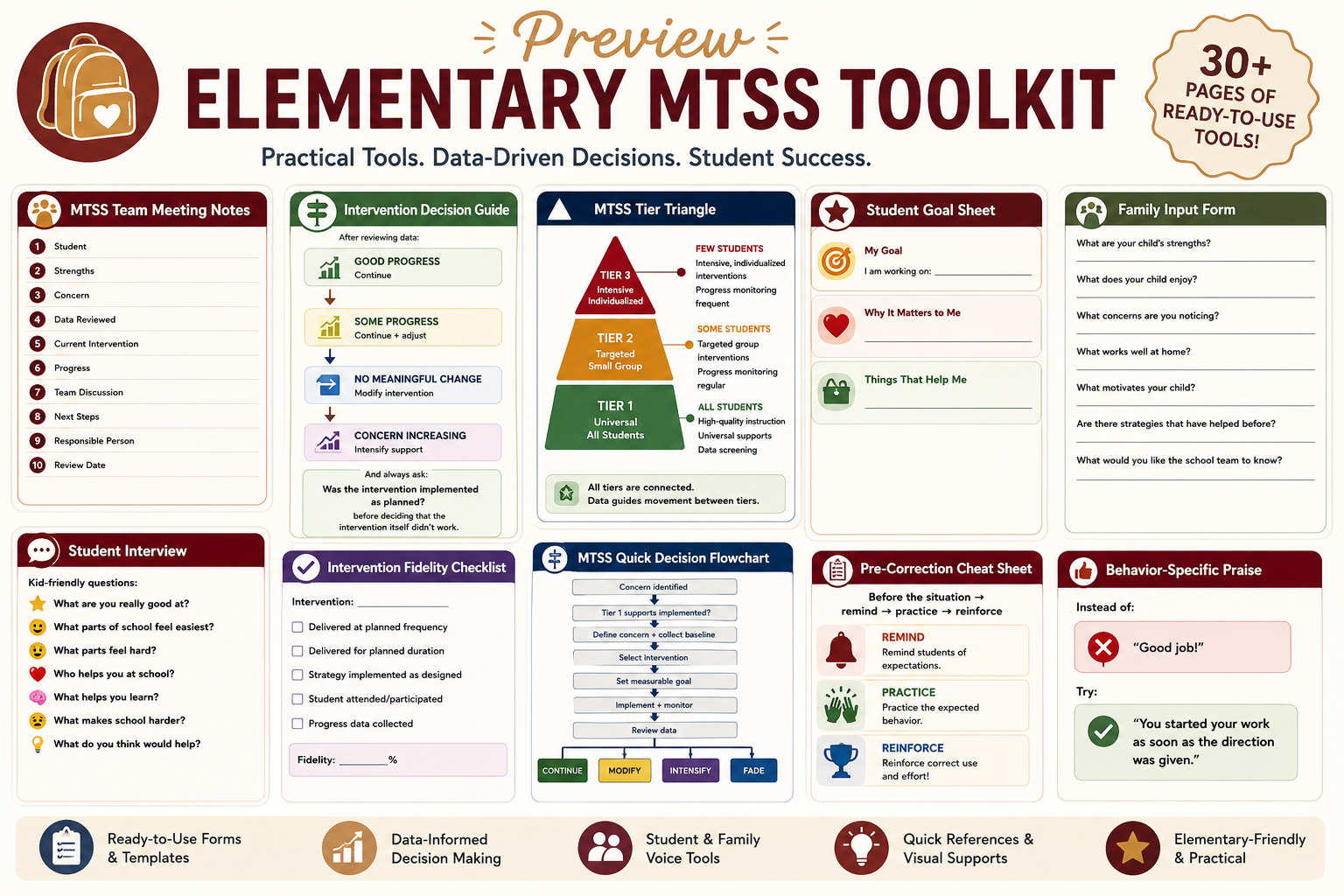
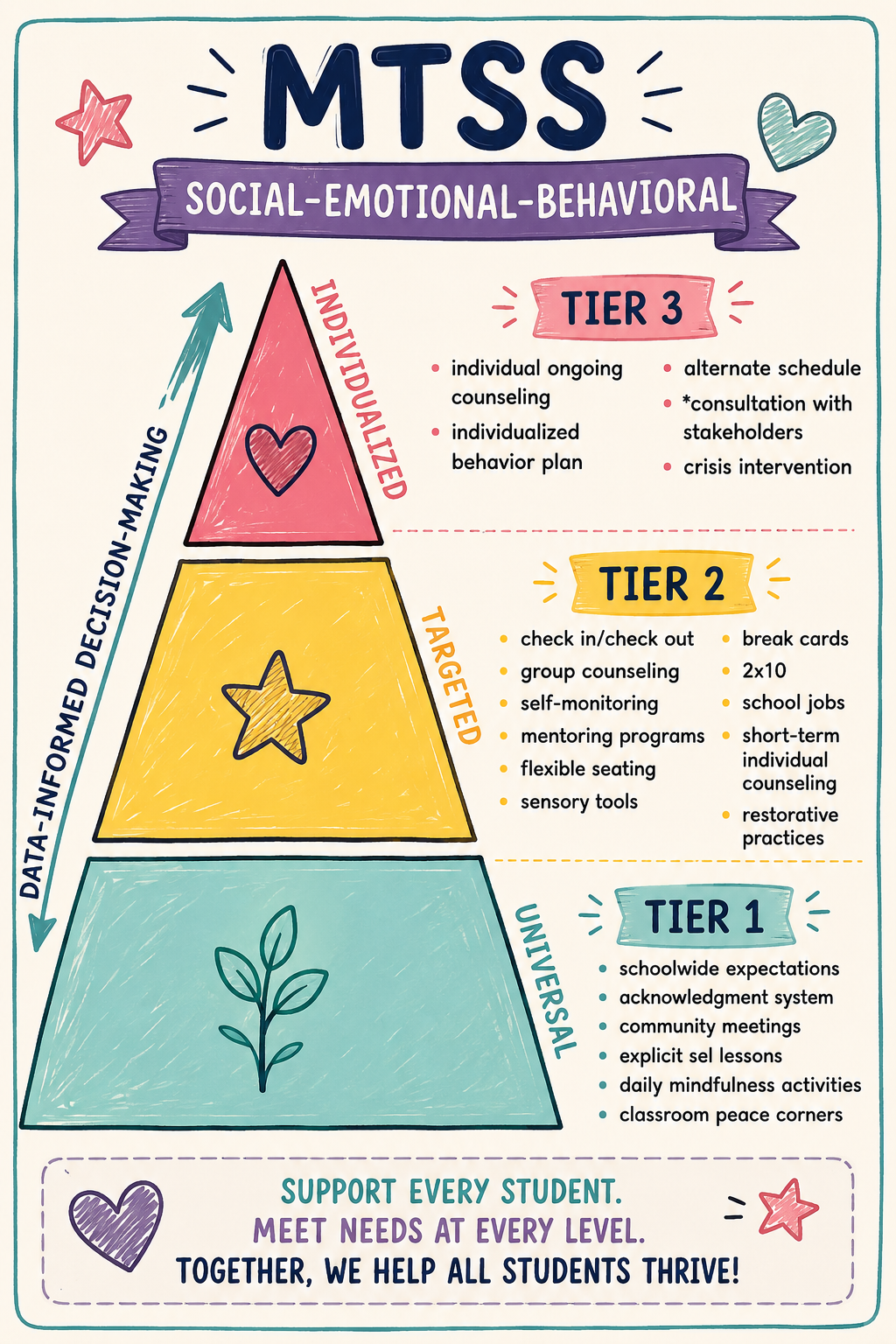
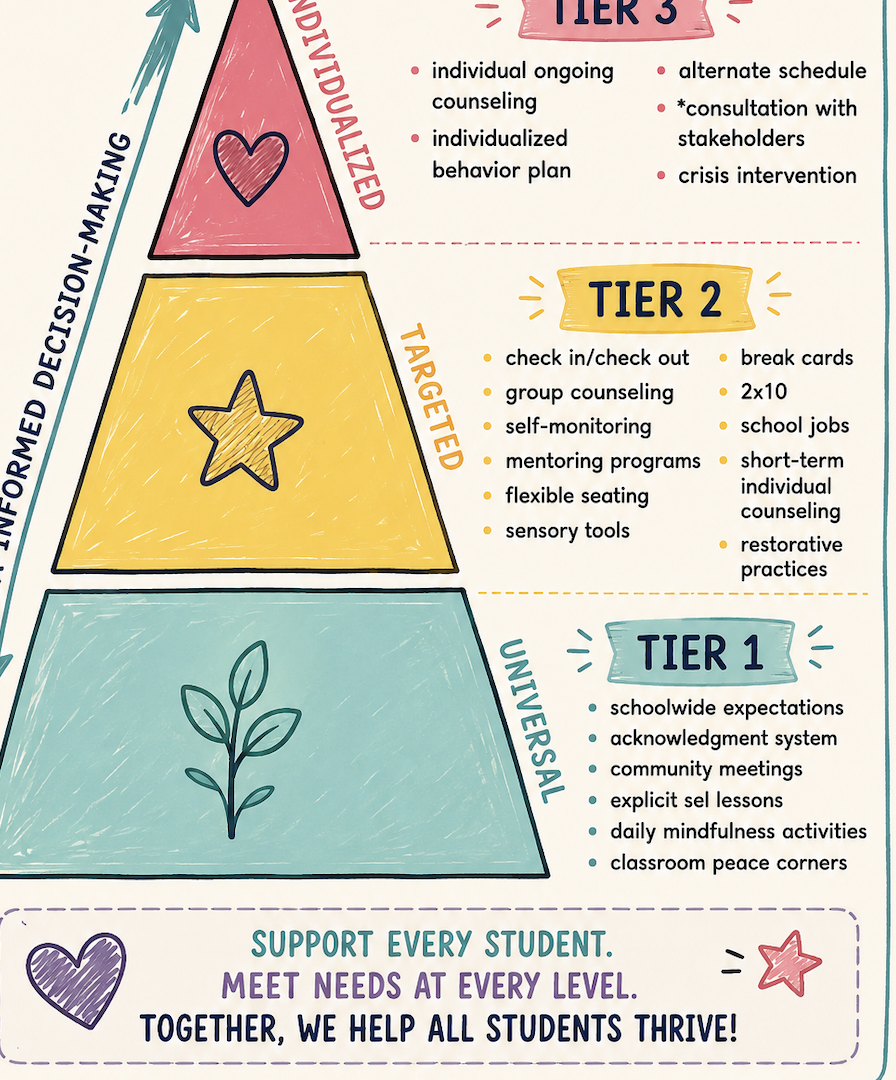
The Elementary MTSS Toolkit is a comprehensive collection of practical, ready-to-use tools for identifying student needs, planning Tier 1–3 supports, monitoring progress, and making data-driven decisions. Designed for elementary educators and MTSS teams, it includes intervention planners, data trackers, student and family input forms, meeting resources, and quick-reference guides. Downloadable file.
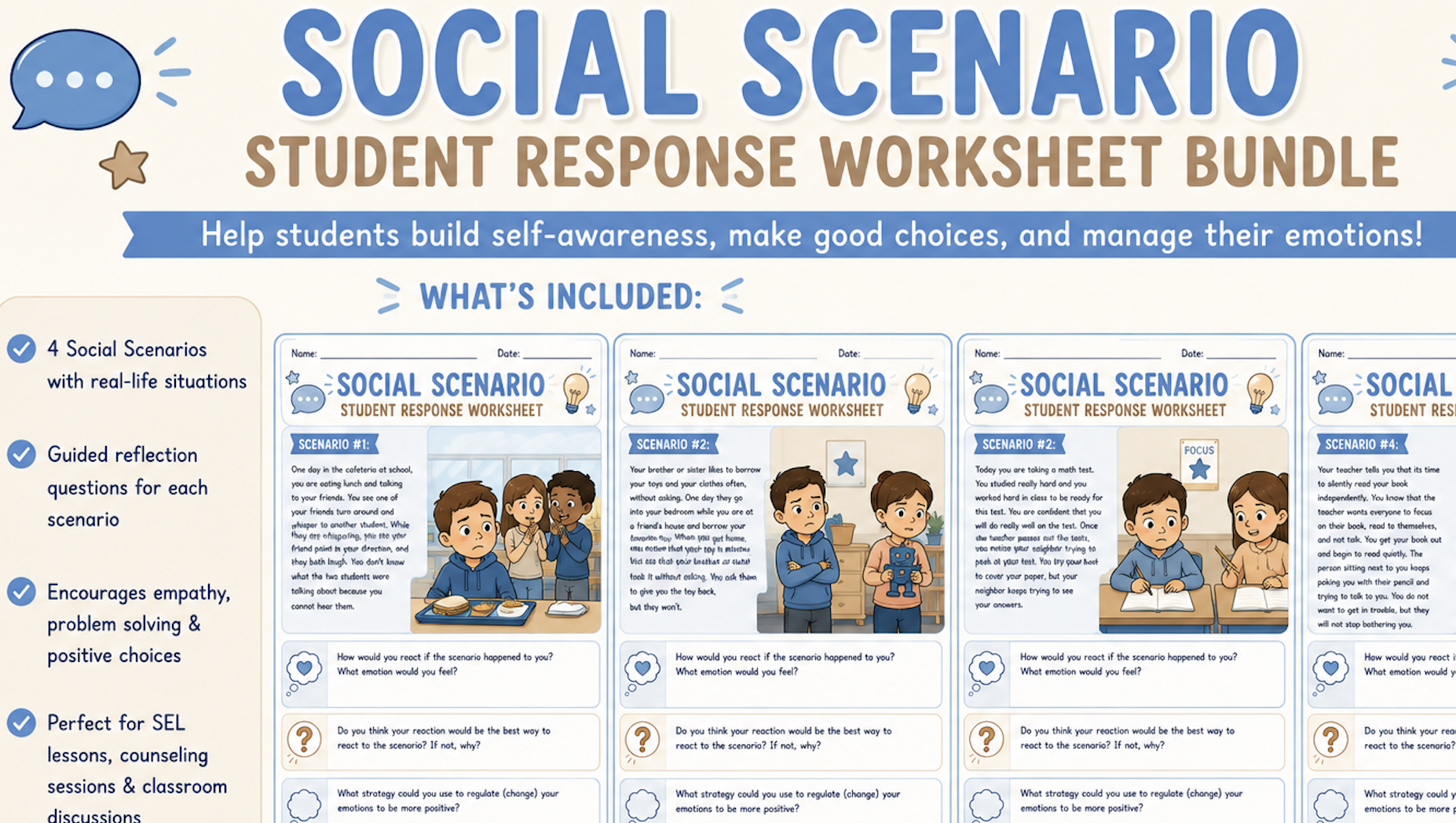
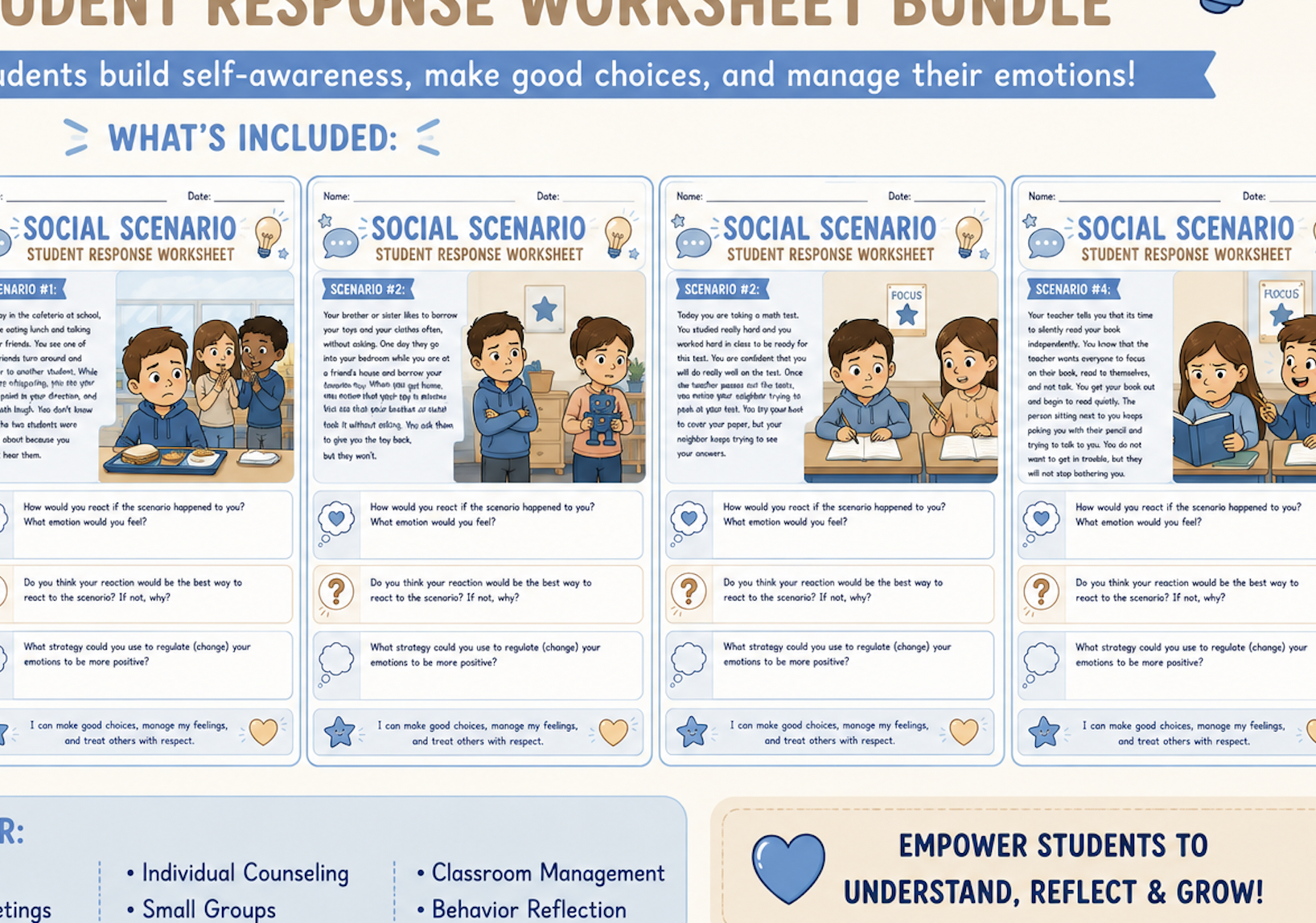
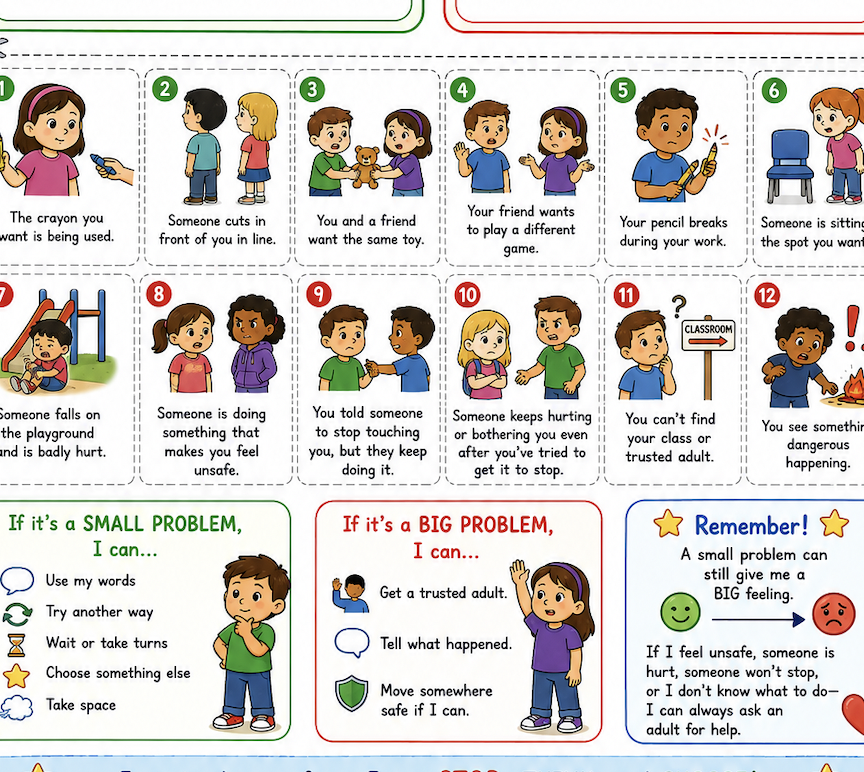
The Social Scenario Student Response Worksheet Bundle includes four real-life scenarios designed to help students explore emotions, reflect on their reactions, and practice positive coping and problem-solving strategies. Perfect for SEL lessons, counseling sessions, small groups, or behavior reflection.
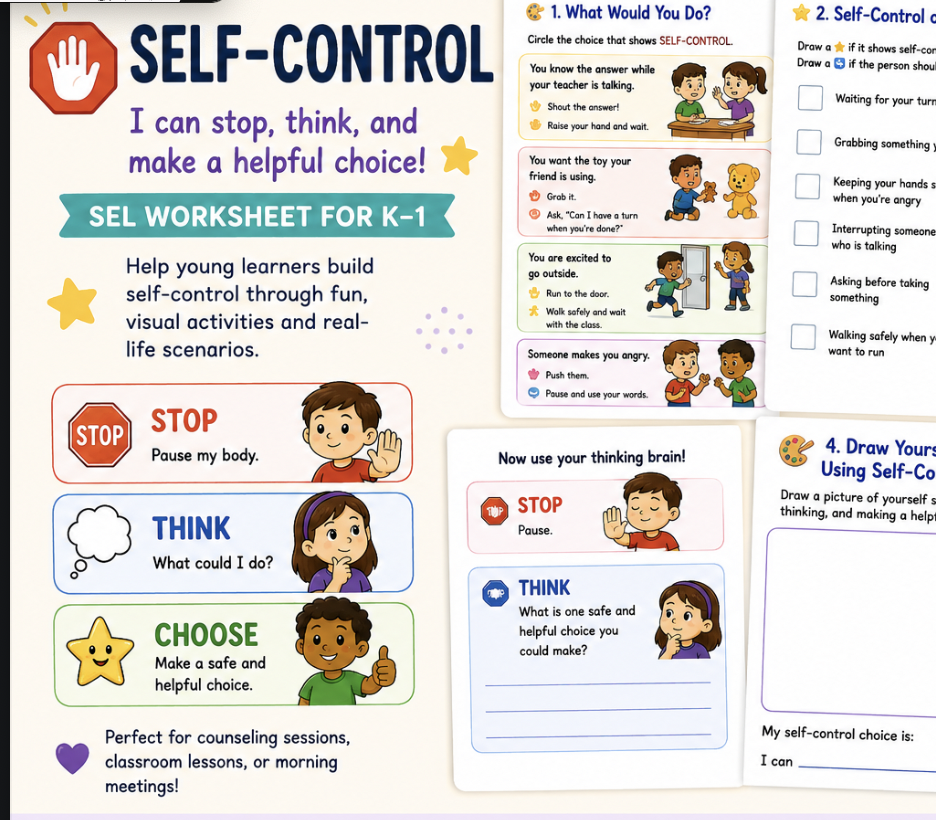
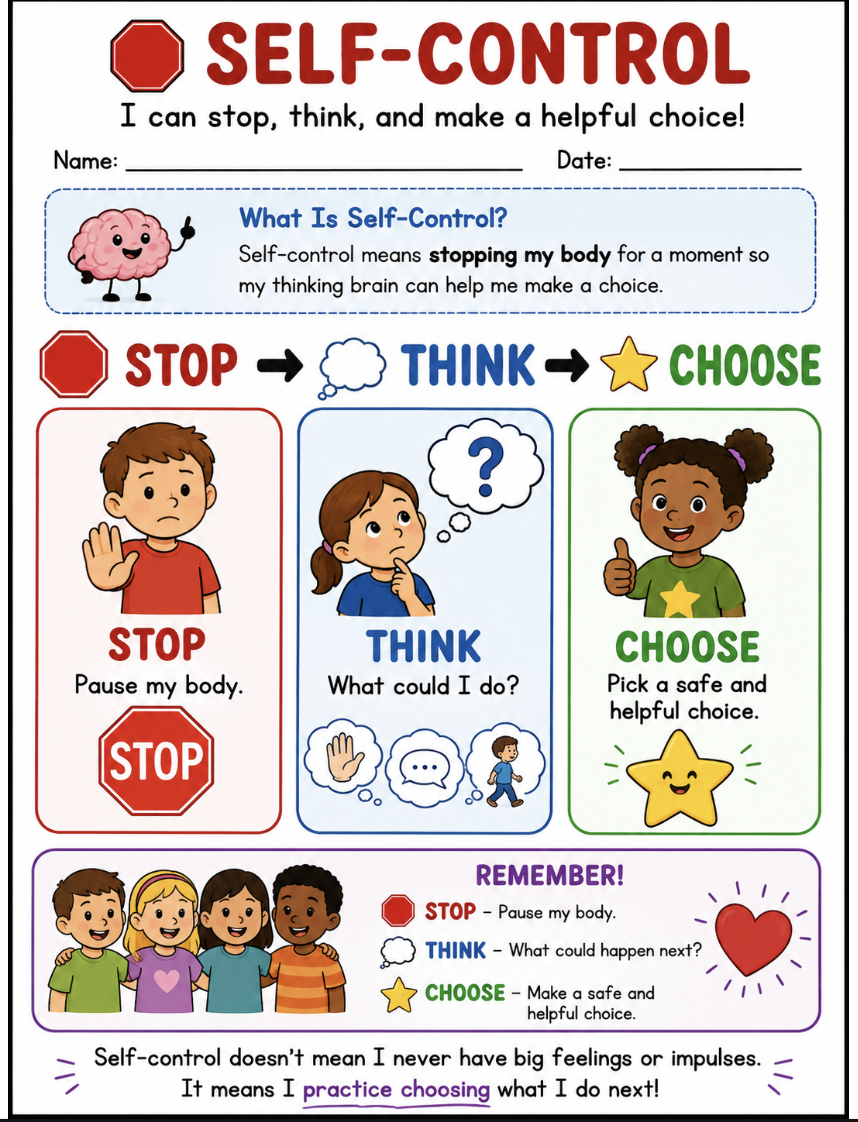
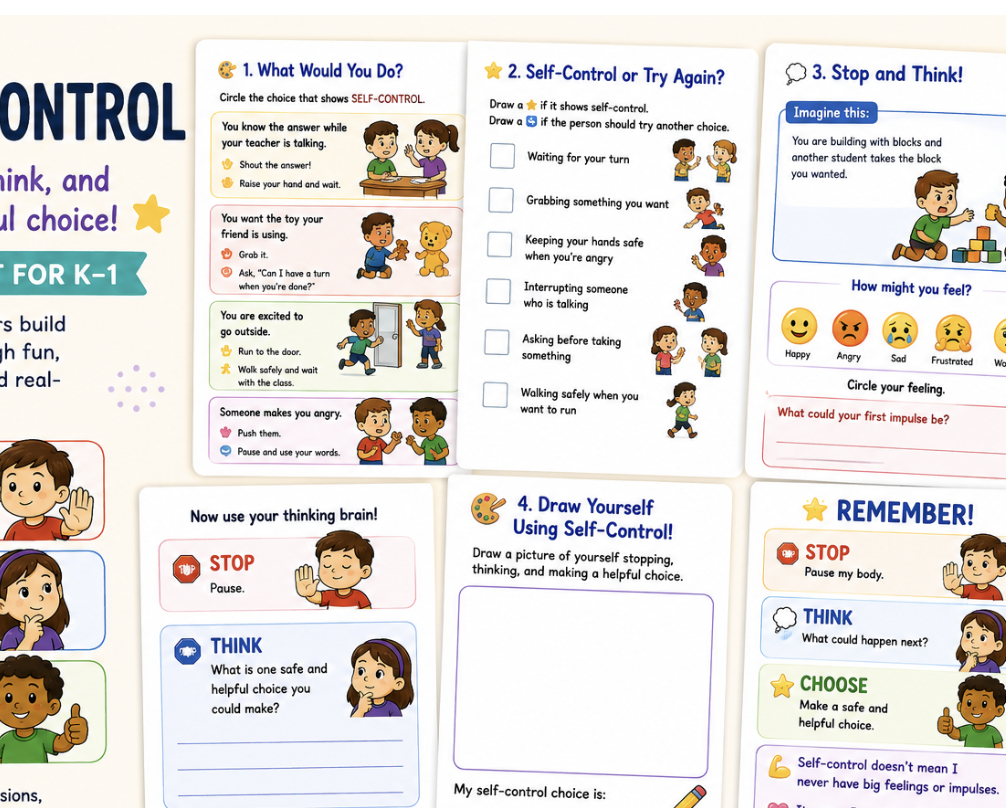
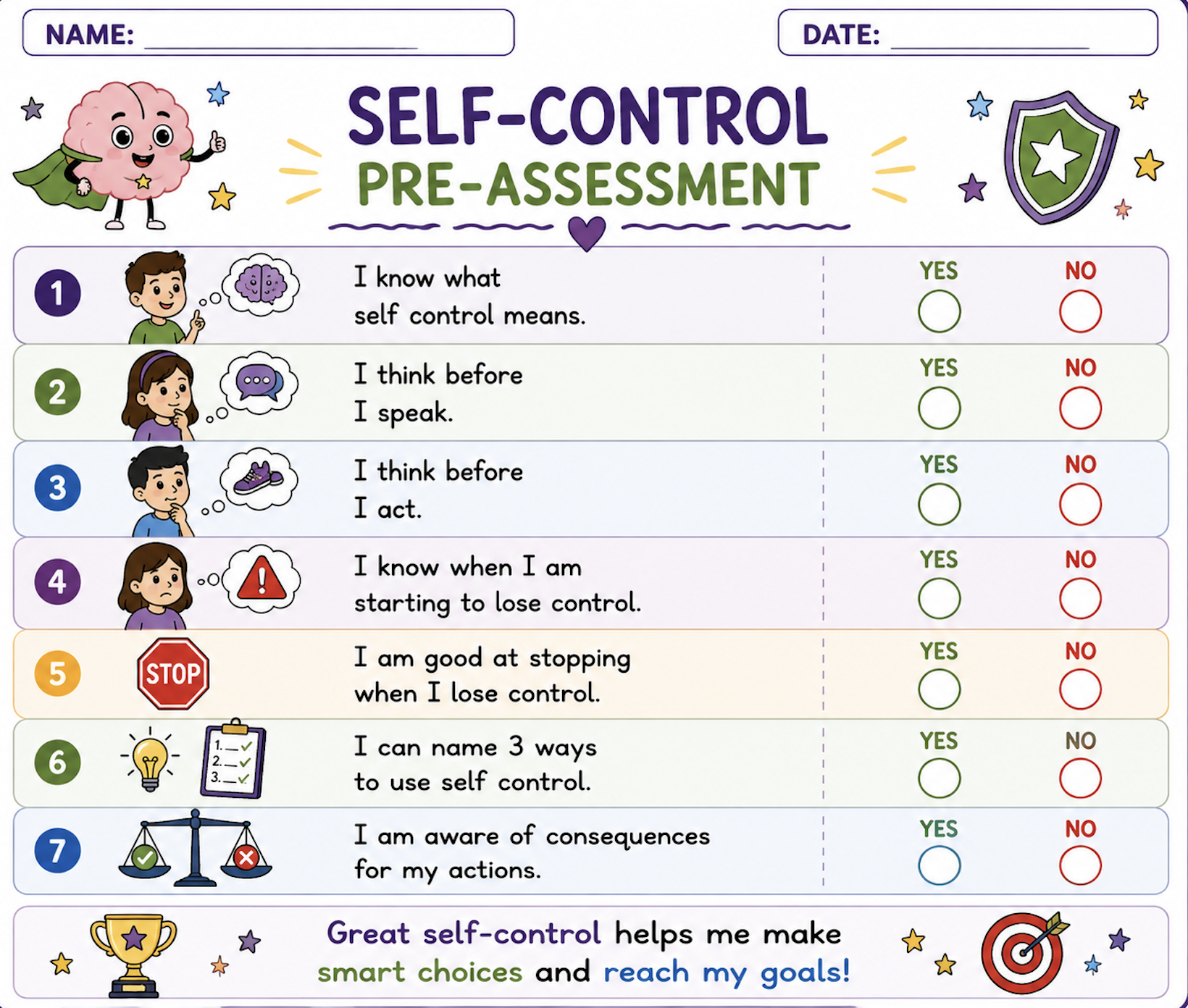
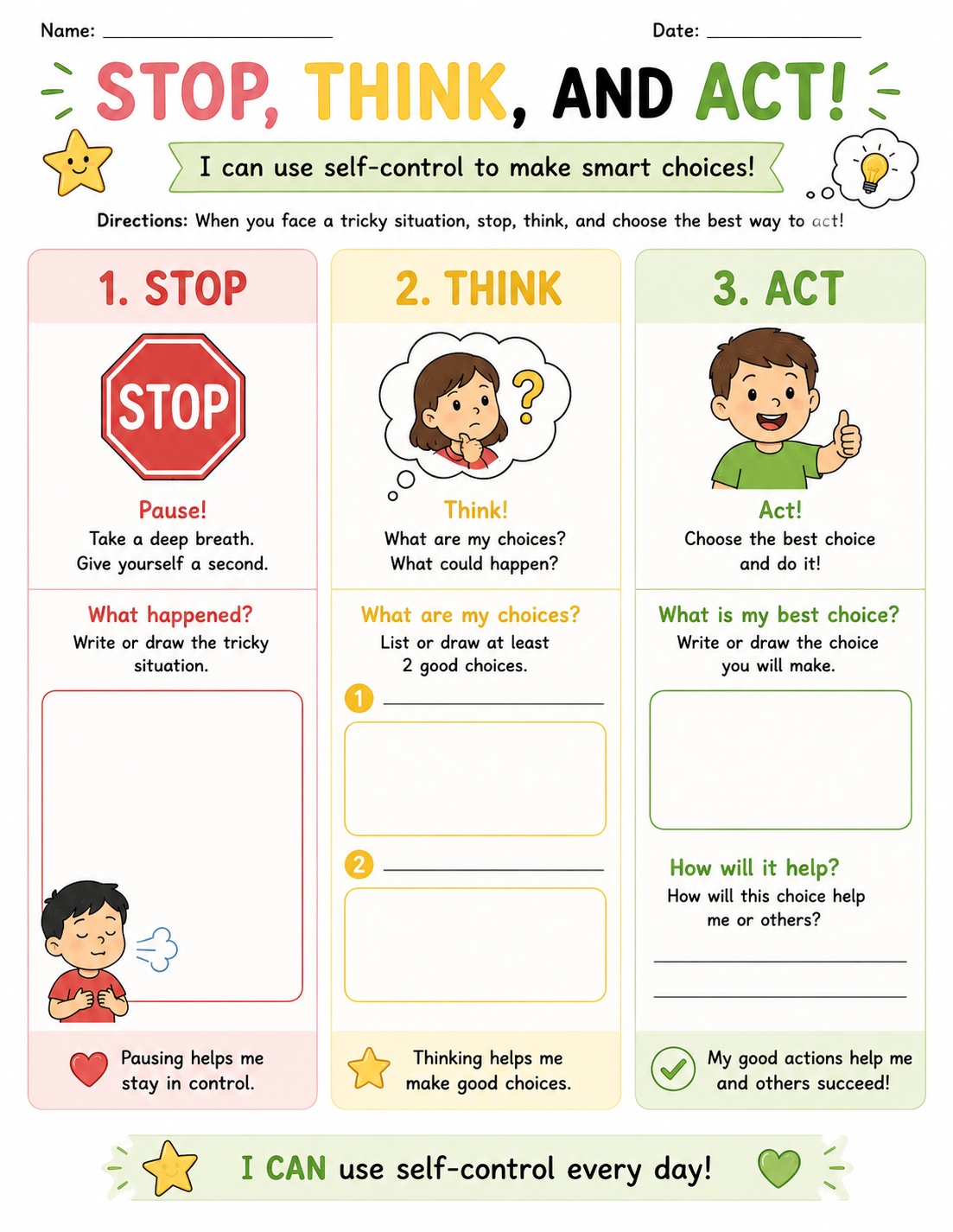
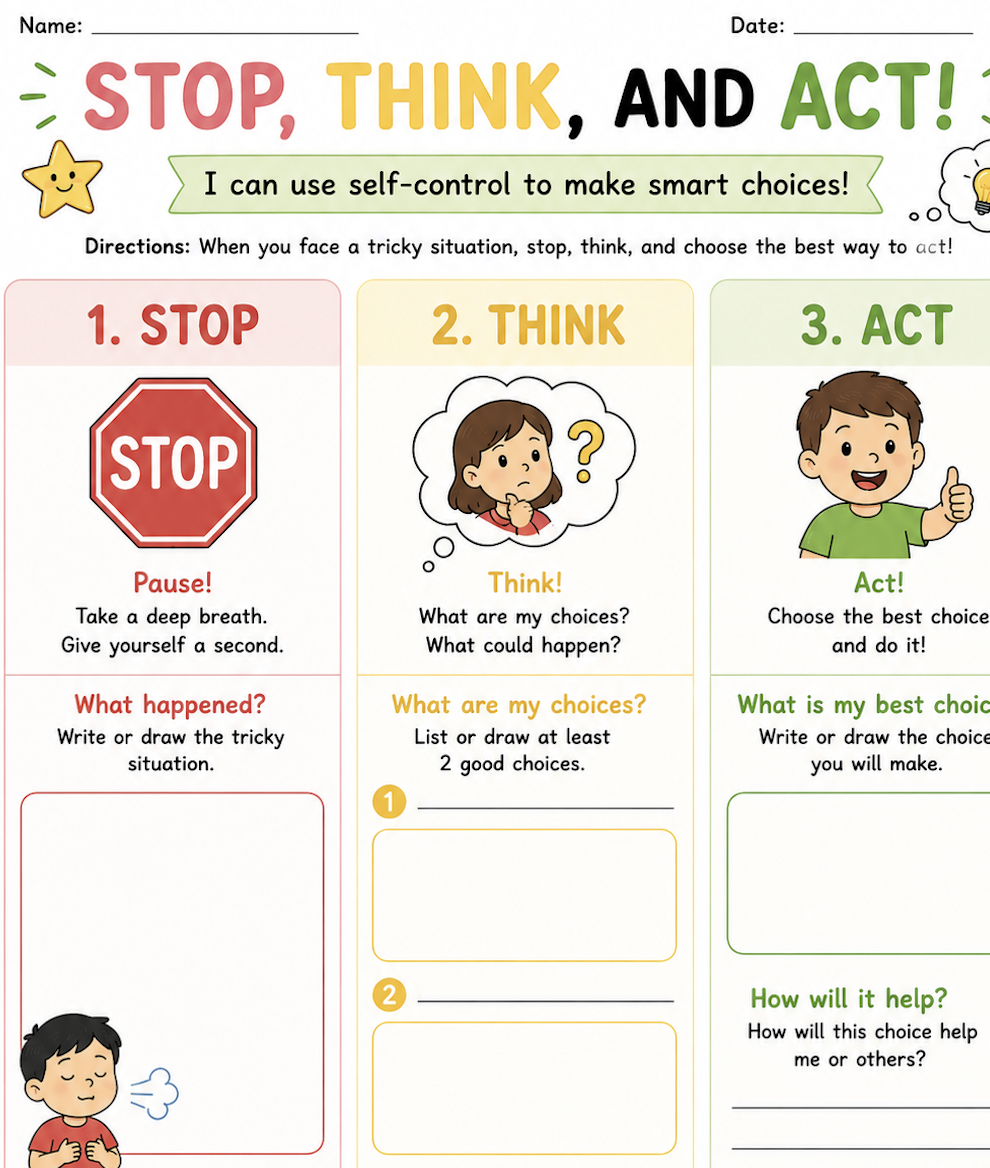
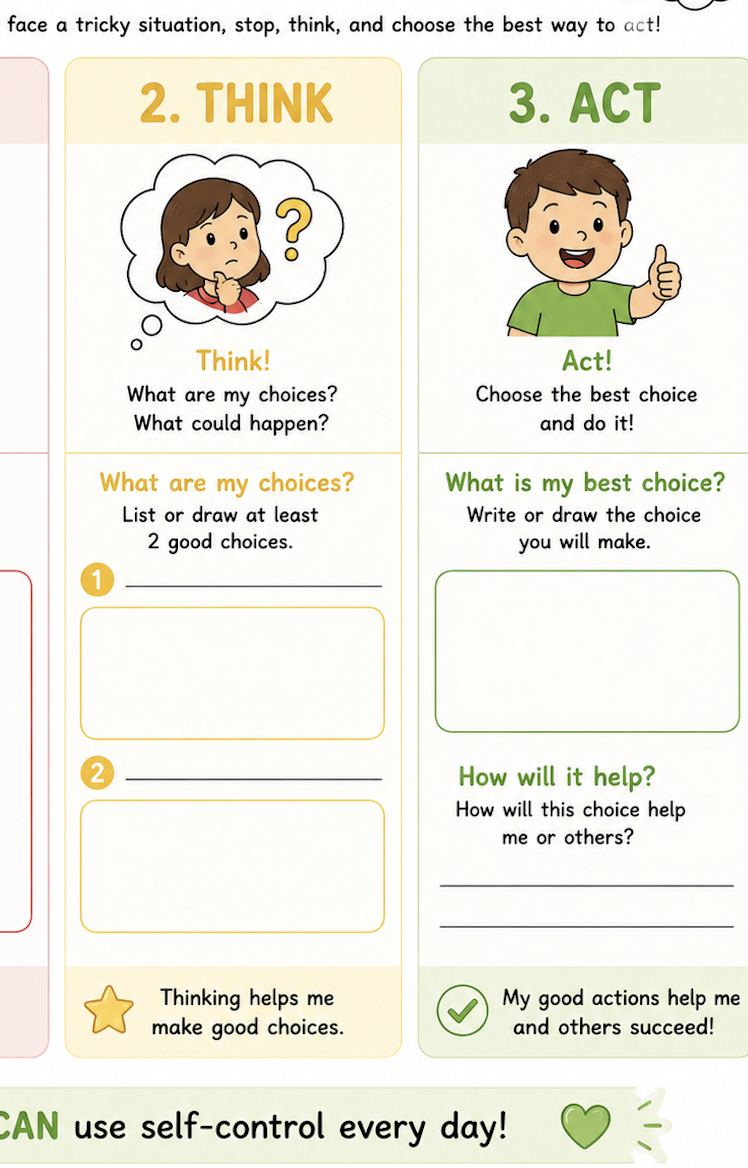
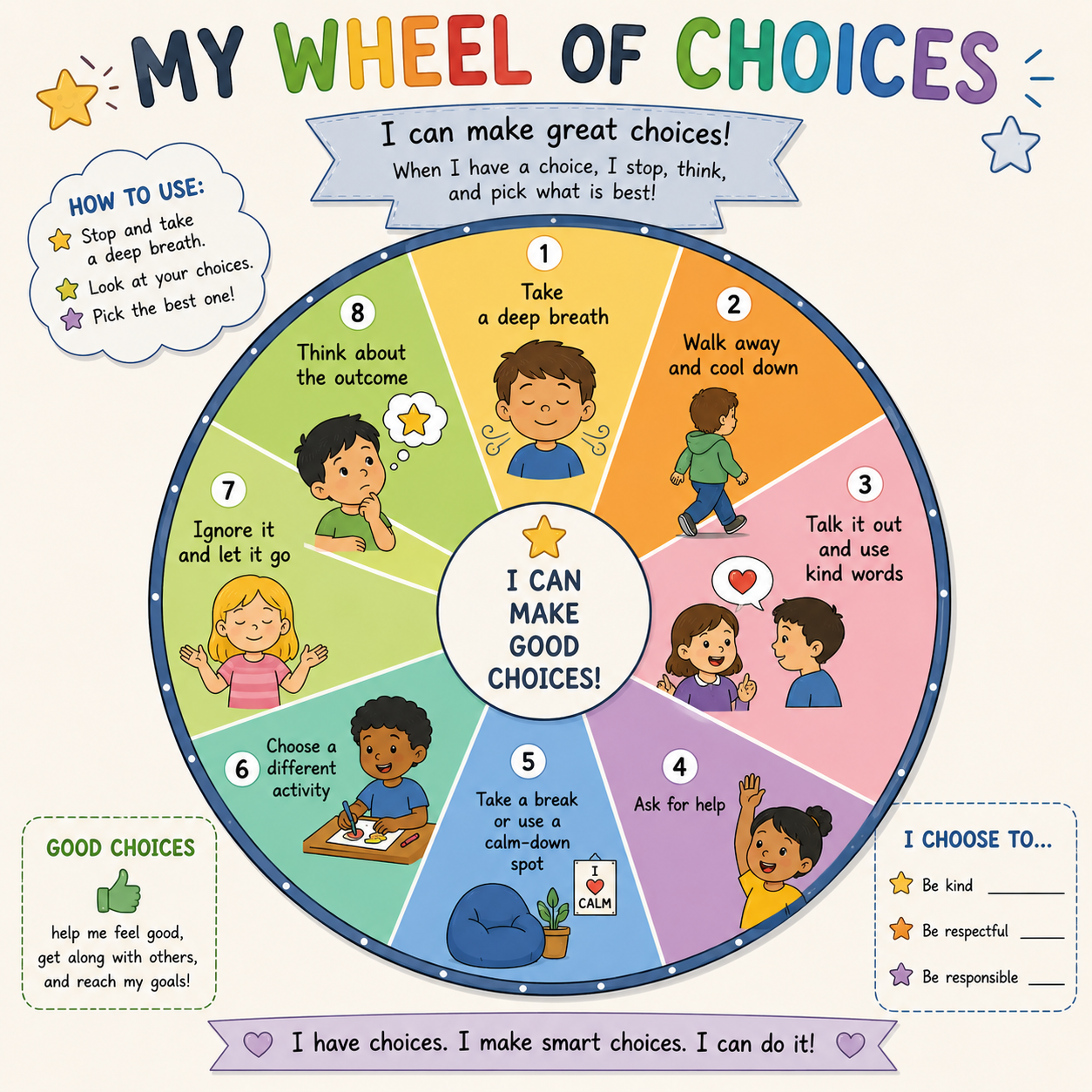
The Self-Control Worksheet contains 5 worksheets and 2 visual that was designed to help young learners practice stopping, thinking, and making safe, helpful choices through engaging scenarios, reflection, and drawing activities. Perfect for classroom SEL lessons, counseling sessions, morning meetings, or individual skill practice. Downloadable file.
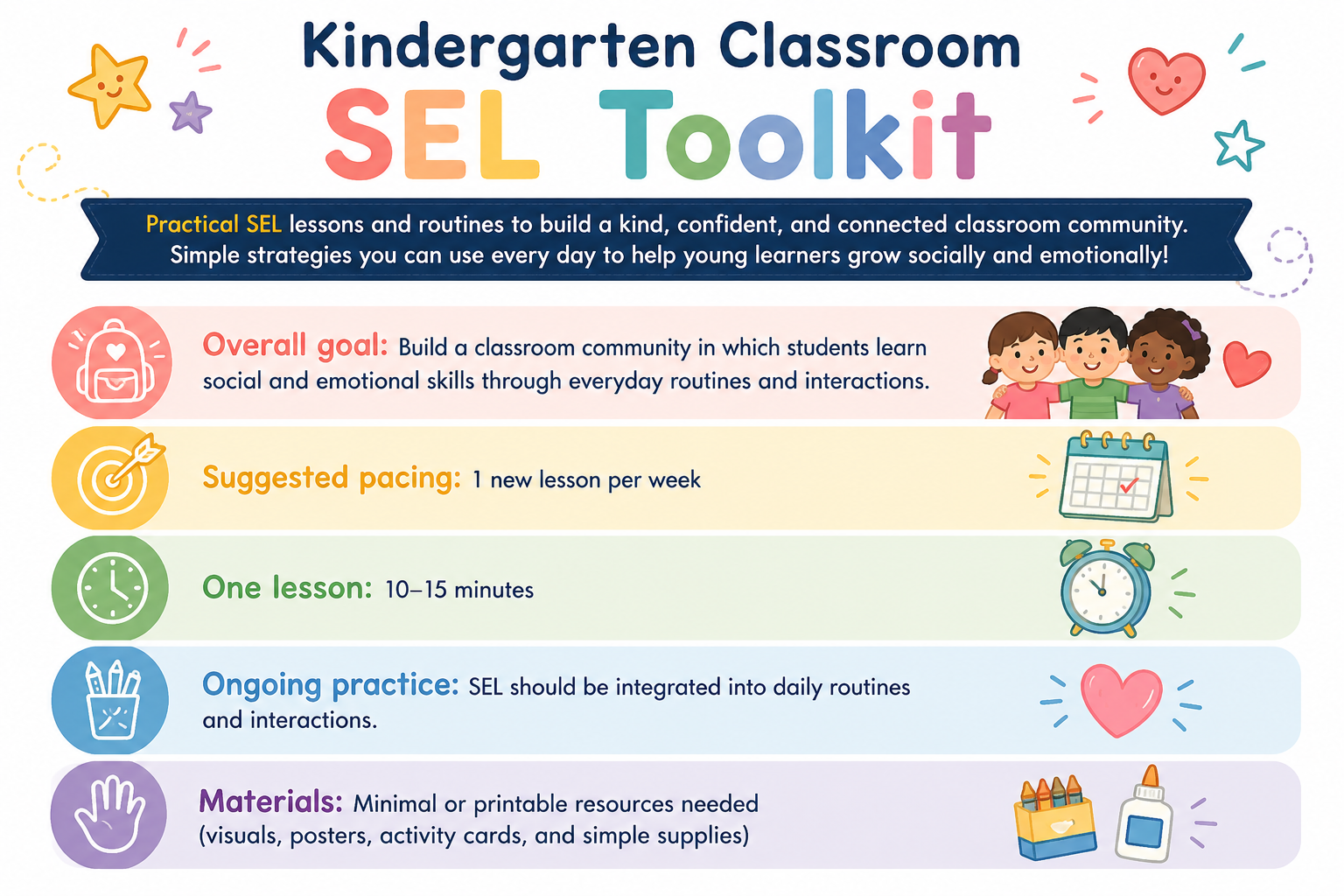
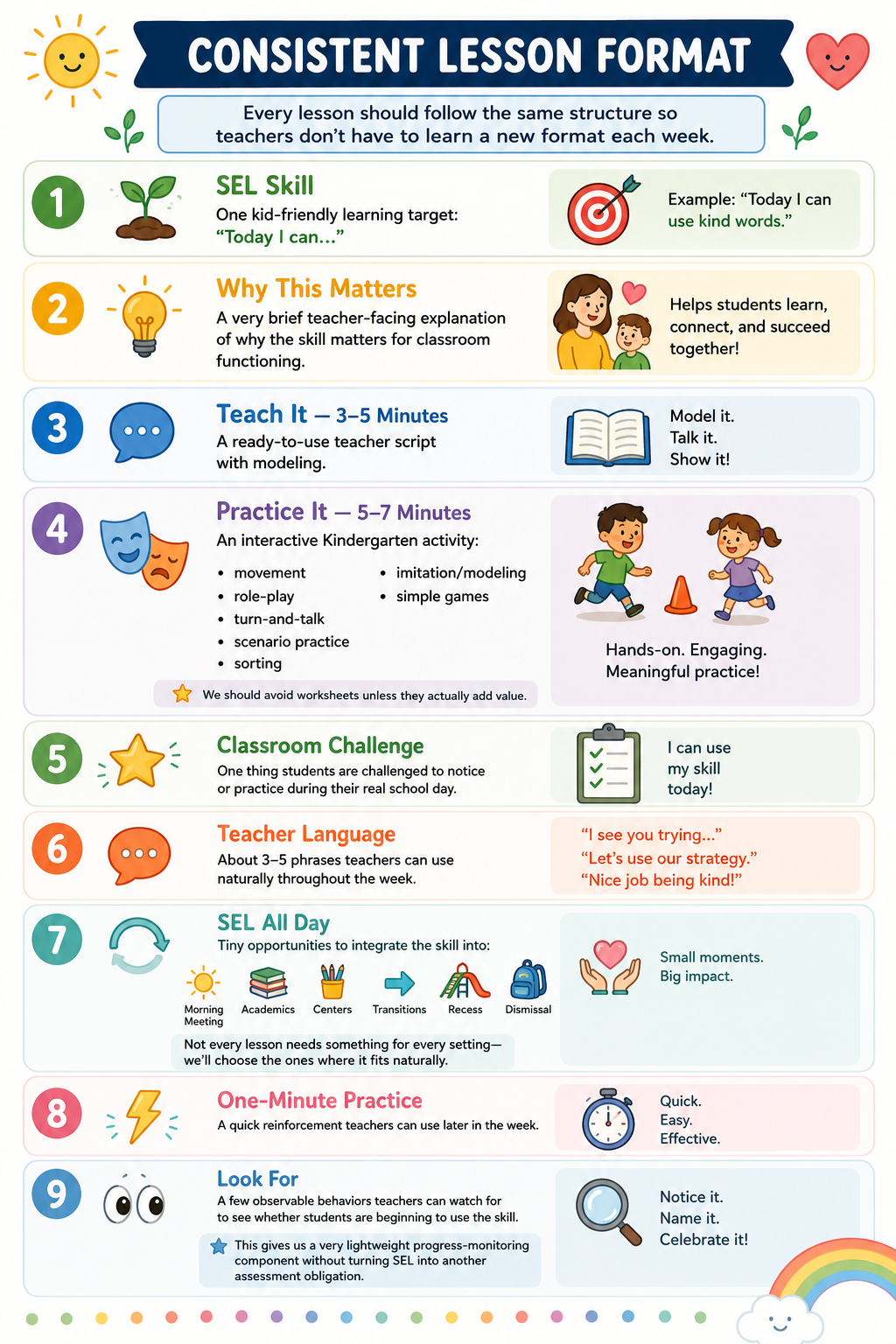
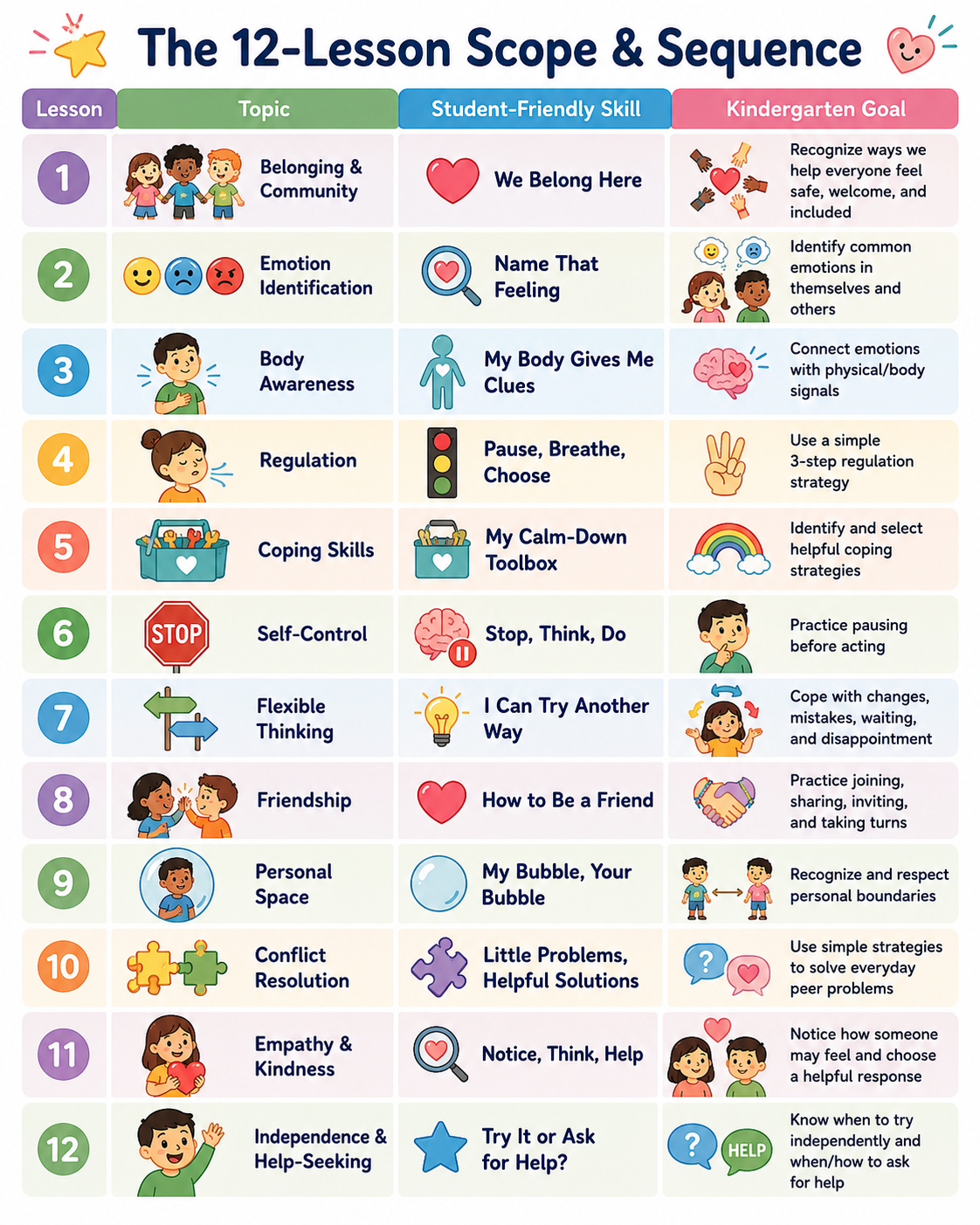
The Kindergarten Classroom SEL Toolkit includes 12 practical, developmentally appropriate lessons designed to help teachers embed social-emotional learning into everyday classroom routines. Through brief instruction, interactive practice, consistent teacher language, and real-life classroom applications, students build skills in emotional awareness, self-regulation, friendship, problem-solving, empathy, independence, and more—making SEL a natural part of the classroom community. Downloadable file.
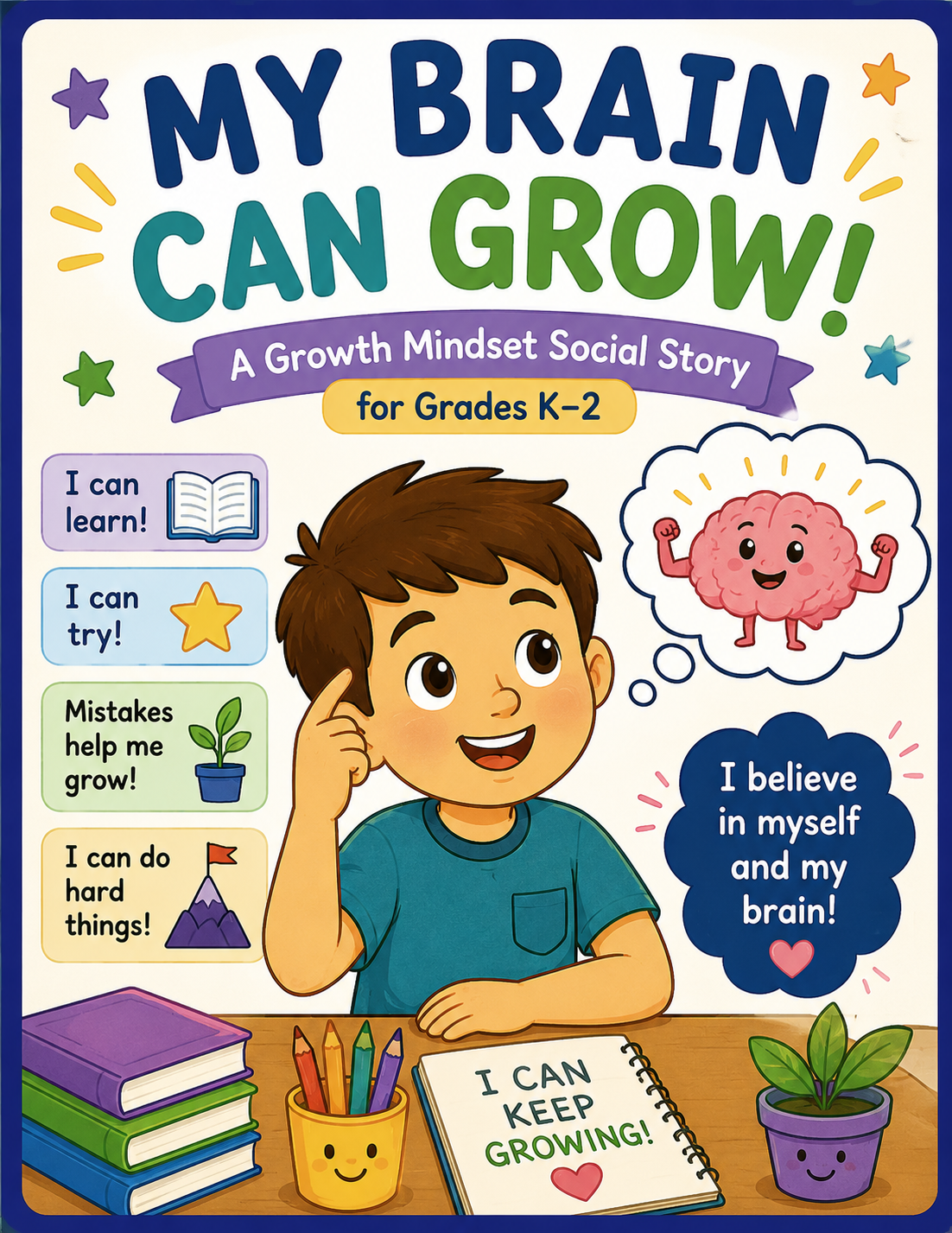
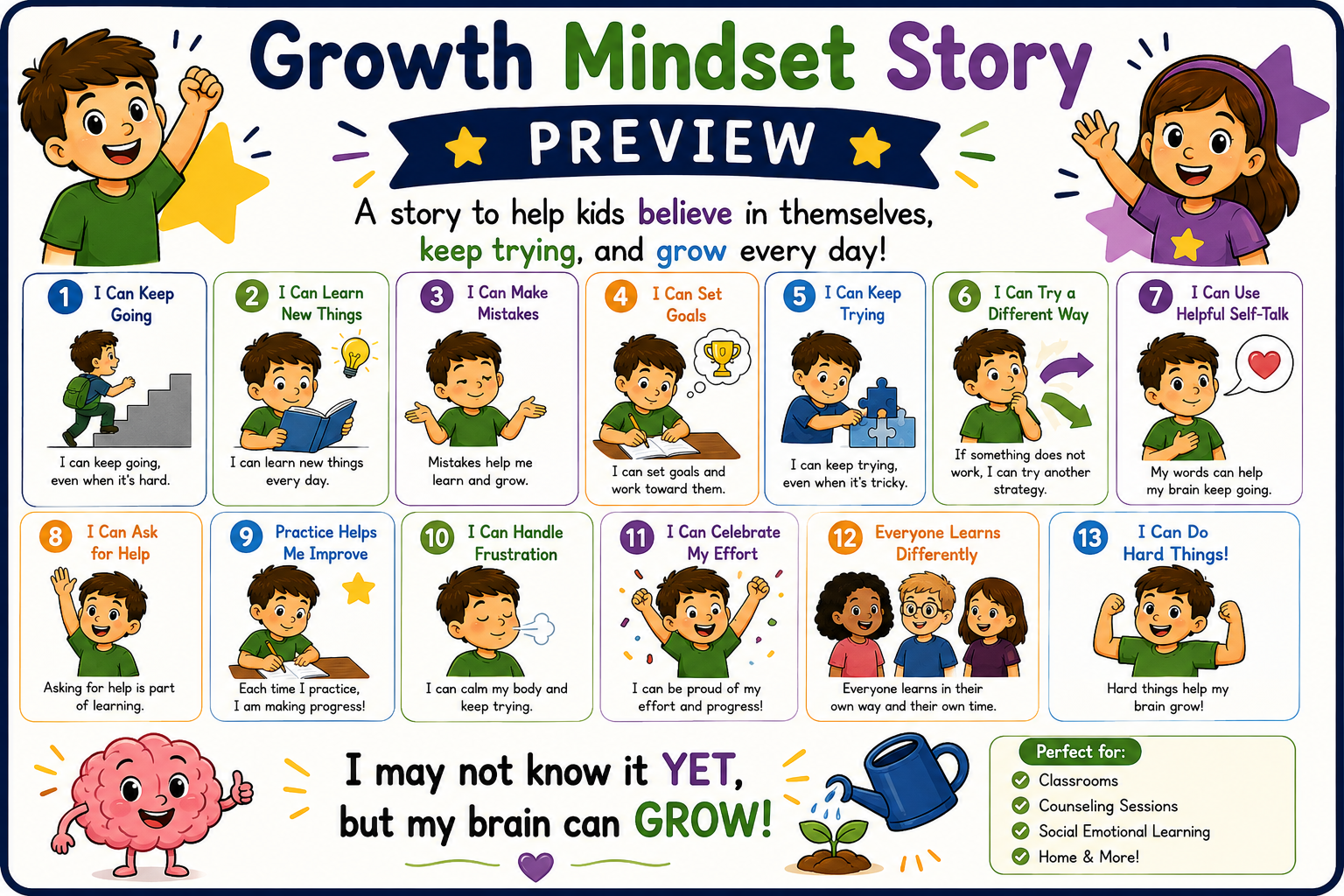
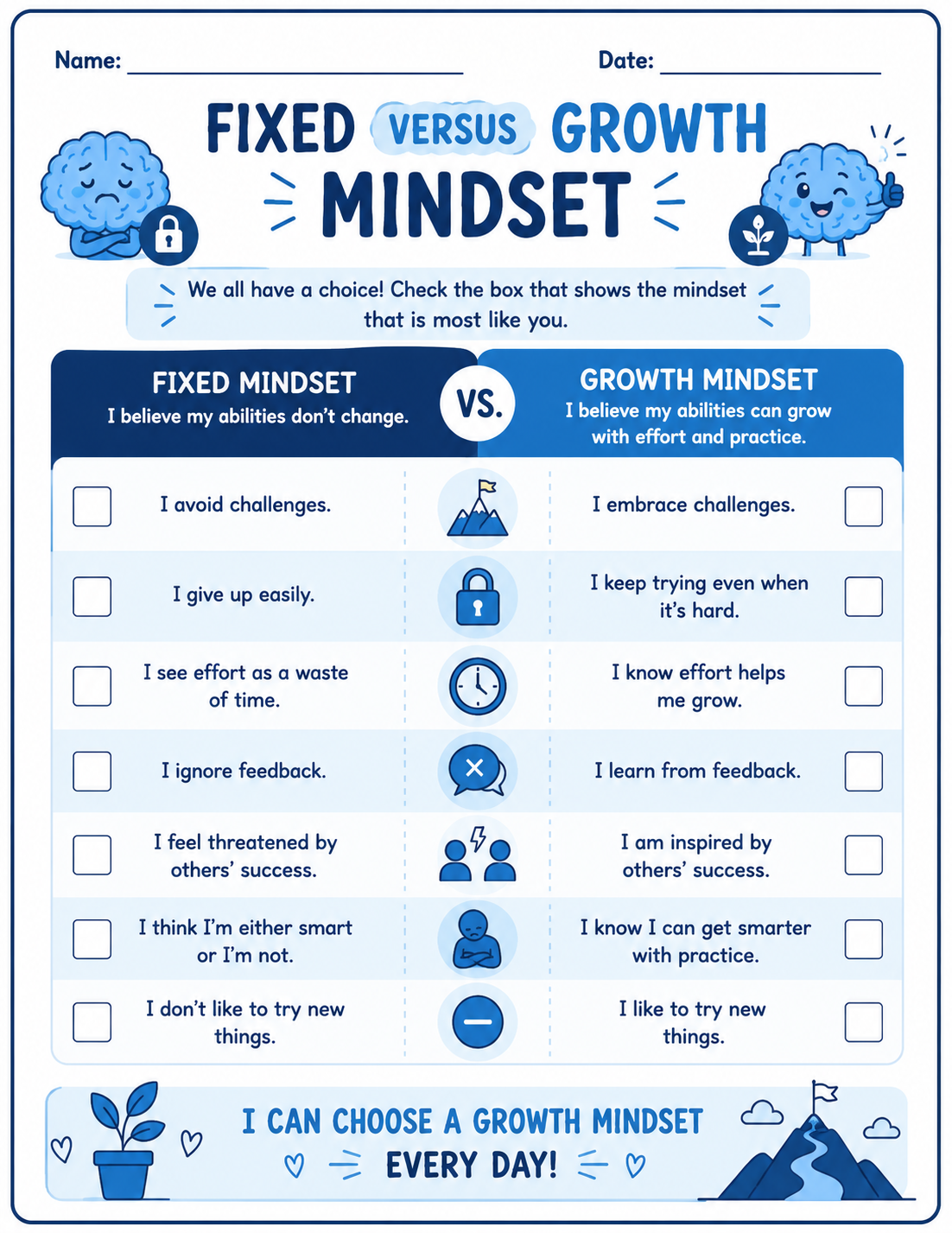
A K–2 social story that teaches children how a growth mindset helps them learn, grow, and tackle challenges. Students practice positive self-talk, learning from mistakes, managing frustration, asking for help, celebrating effort, and remembering the power of “YET!” Downloadable file.
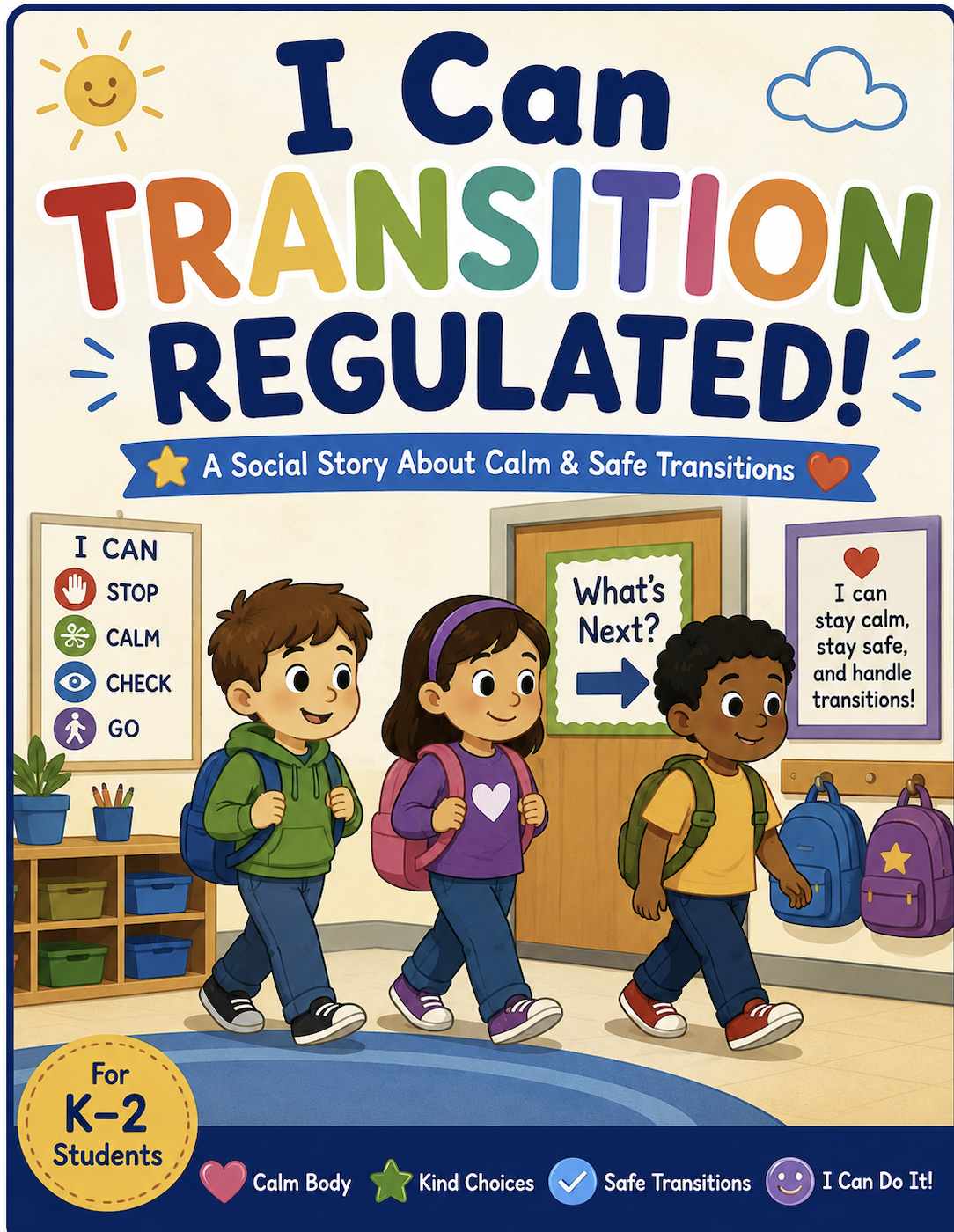
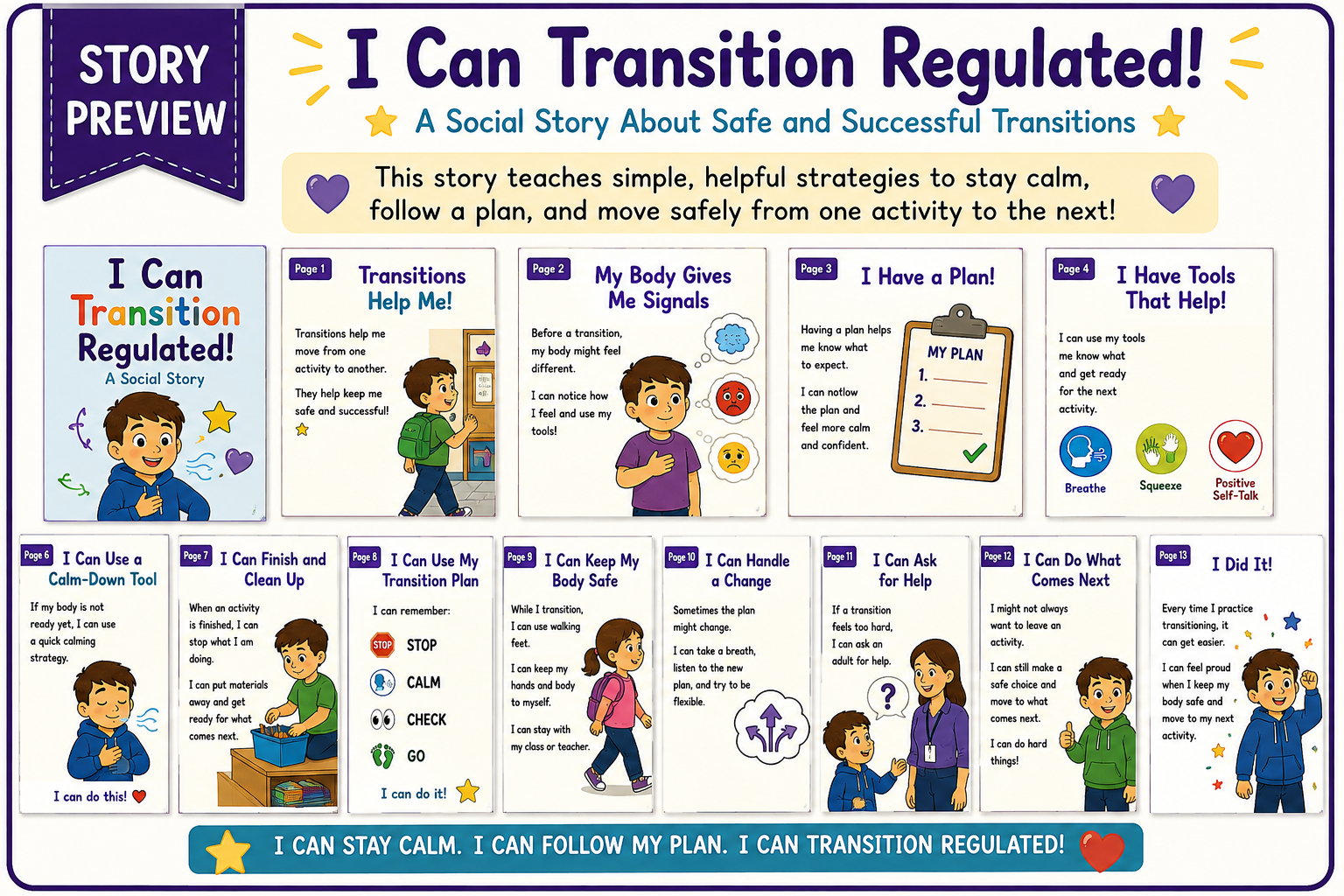
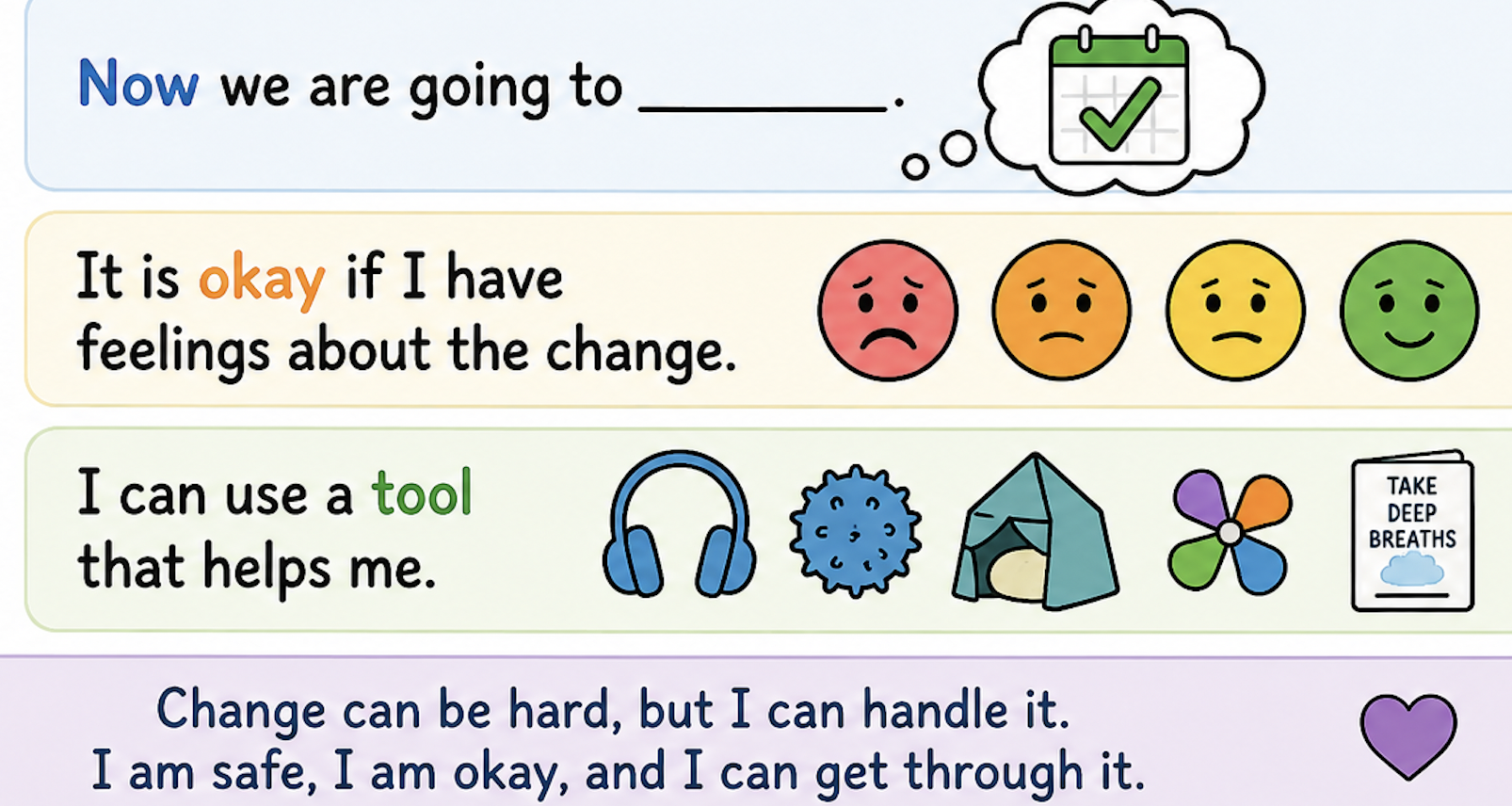
A K–2 social story designed to help students navigate transitions with confidence and regulation. Students learn simple strategies to stop, calm, check, and go while practicing flexibility, safe choices, calming tools, and asking for help when transitions feel difficult. Downloadable file.
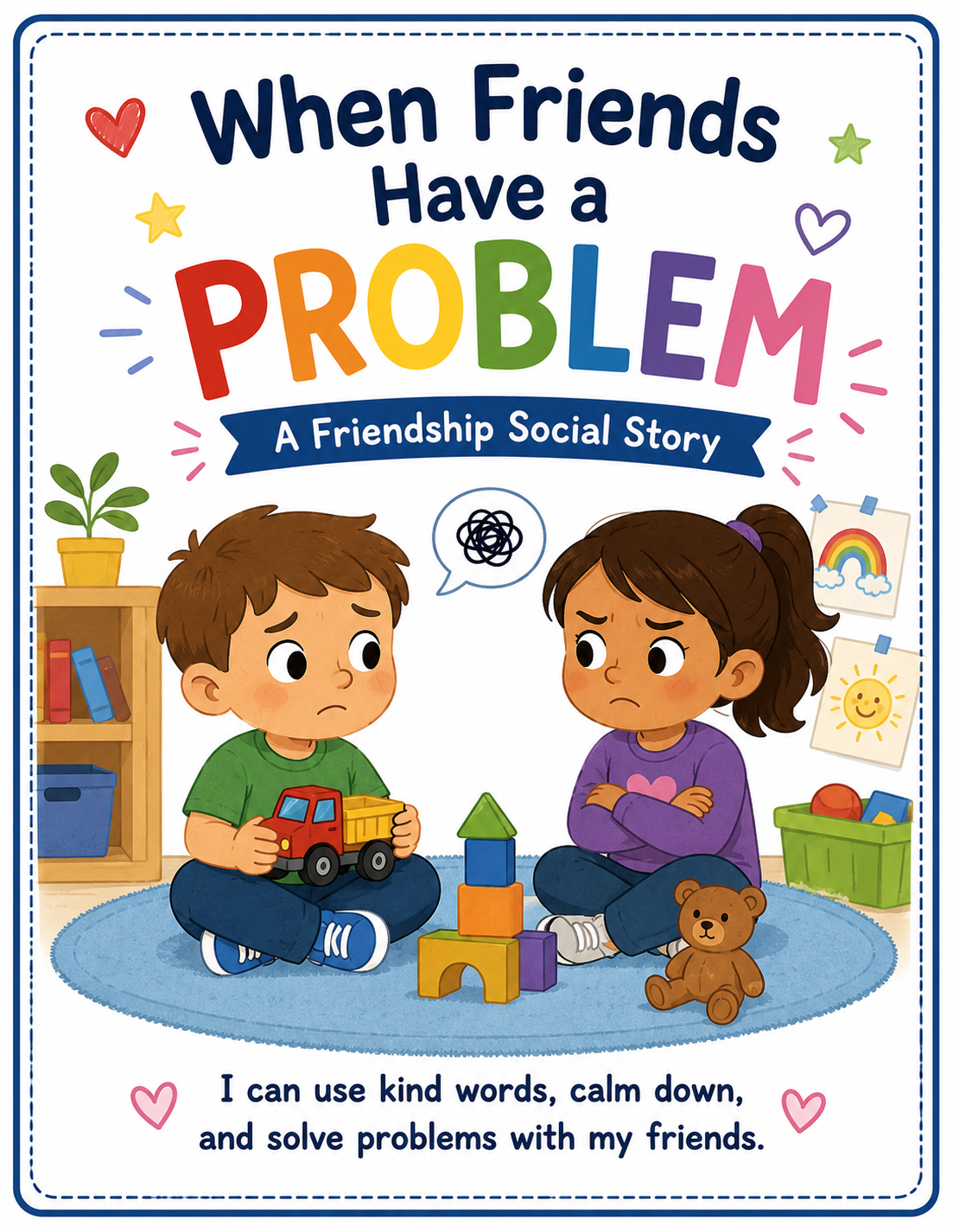
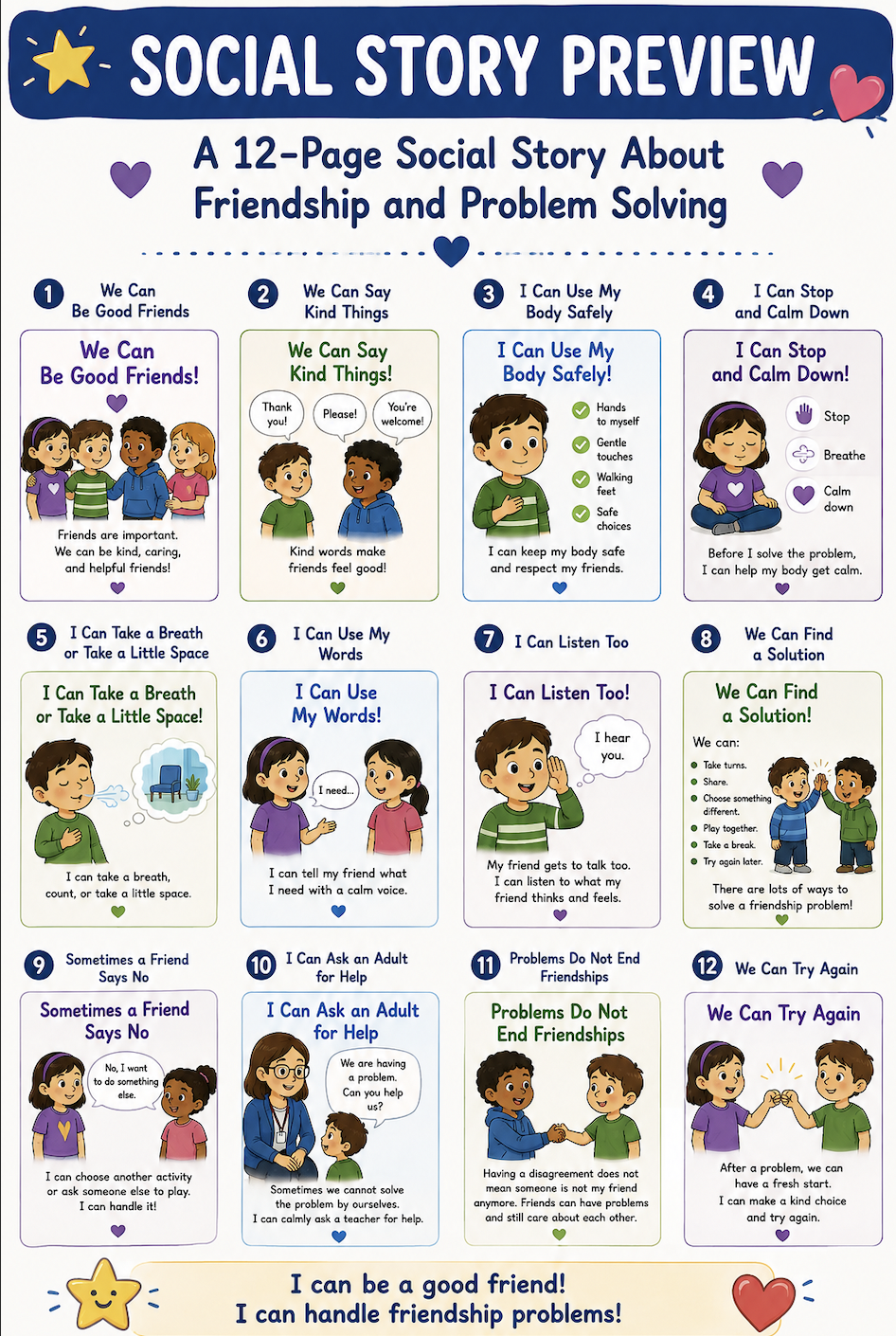
A kindergarten-friendly social story that teaches children how to navigate friendship conflicts using calm bodies, kind words, listening, problem-solving, and asking for help. Includes colorful, engaging visuals and simple strategies young learners can understand and use at school. Downloadable file.
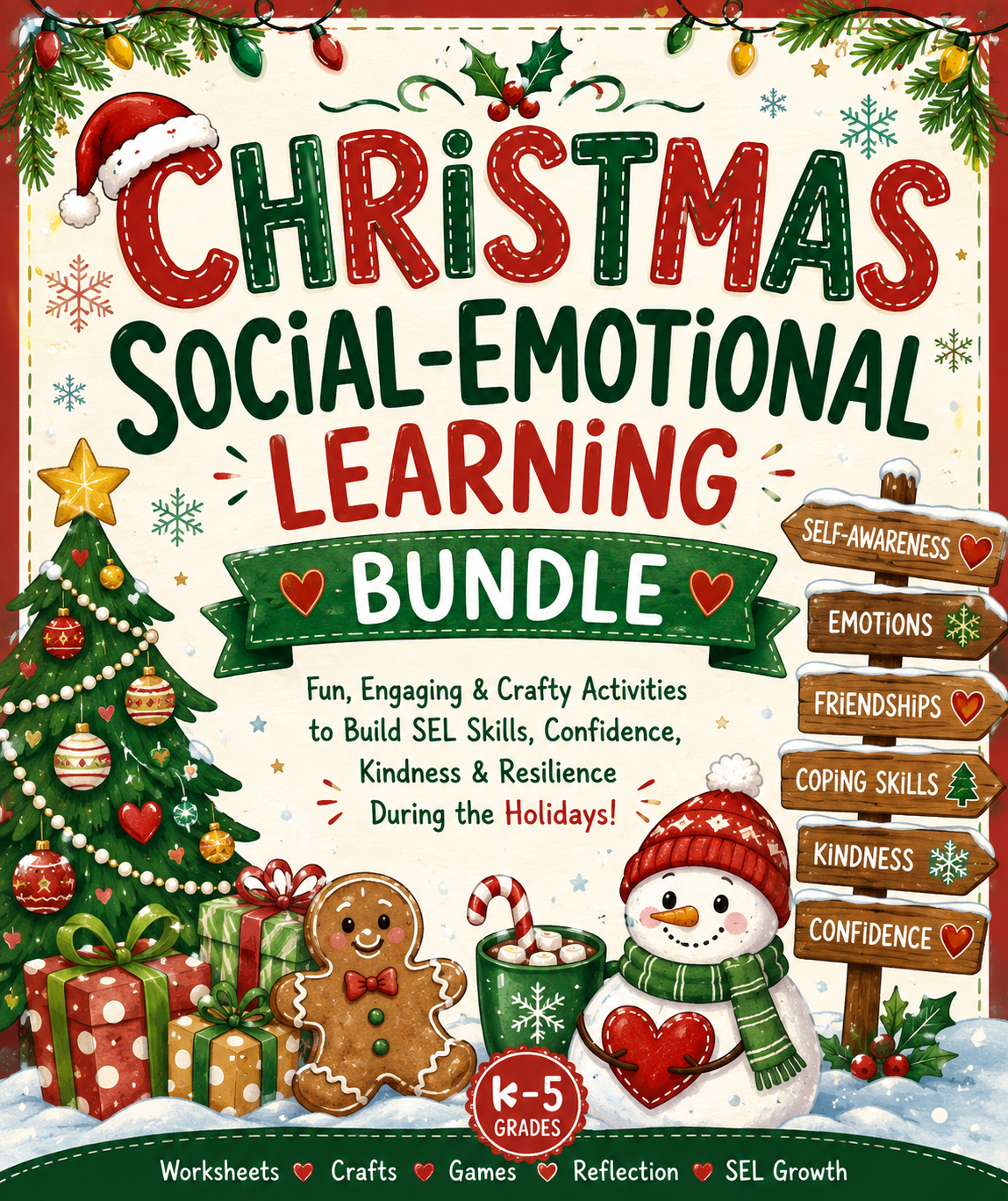
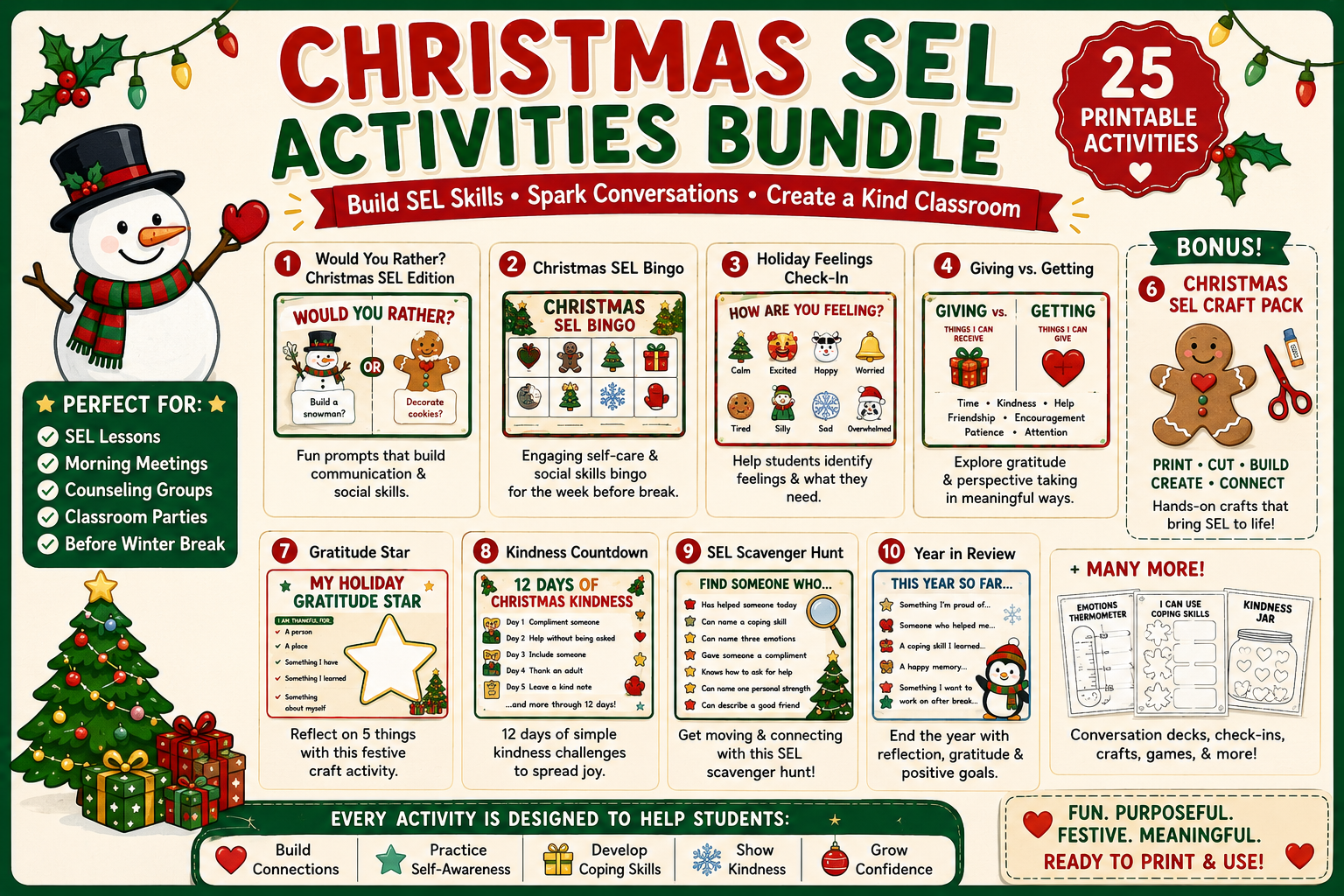
A festive, engaging Christmas SEL Bundle packed with 25+ elementary activities, worksheets, games, and crafts designed to build emotional awareness, coping skills, kindness, confidence, friendship skills, gratitude, and more—all while bringing holiday fun into SEL learning! 🎄❤️✨
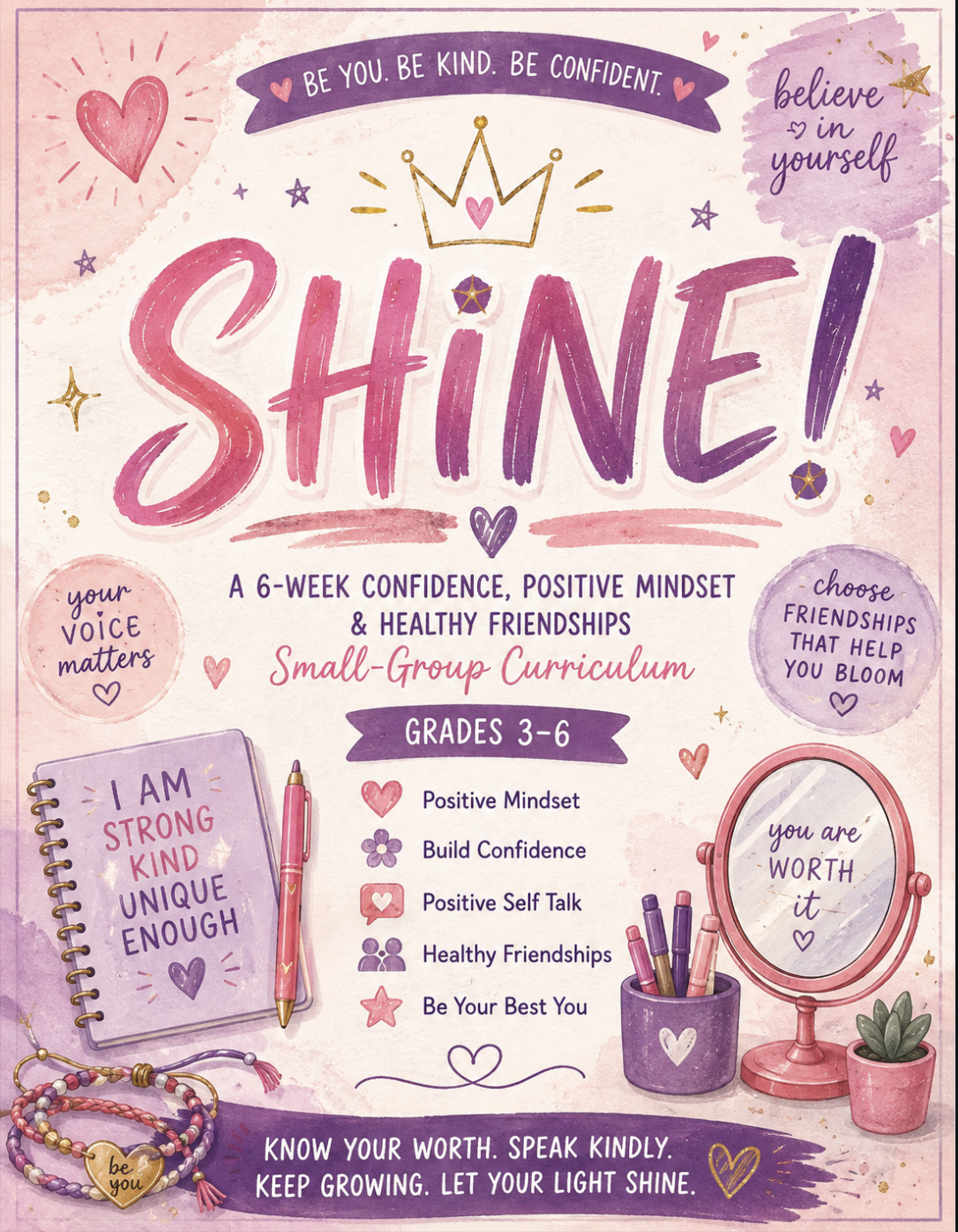
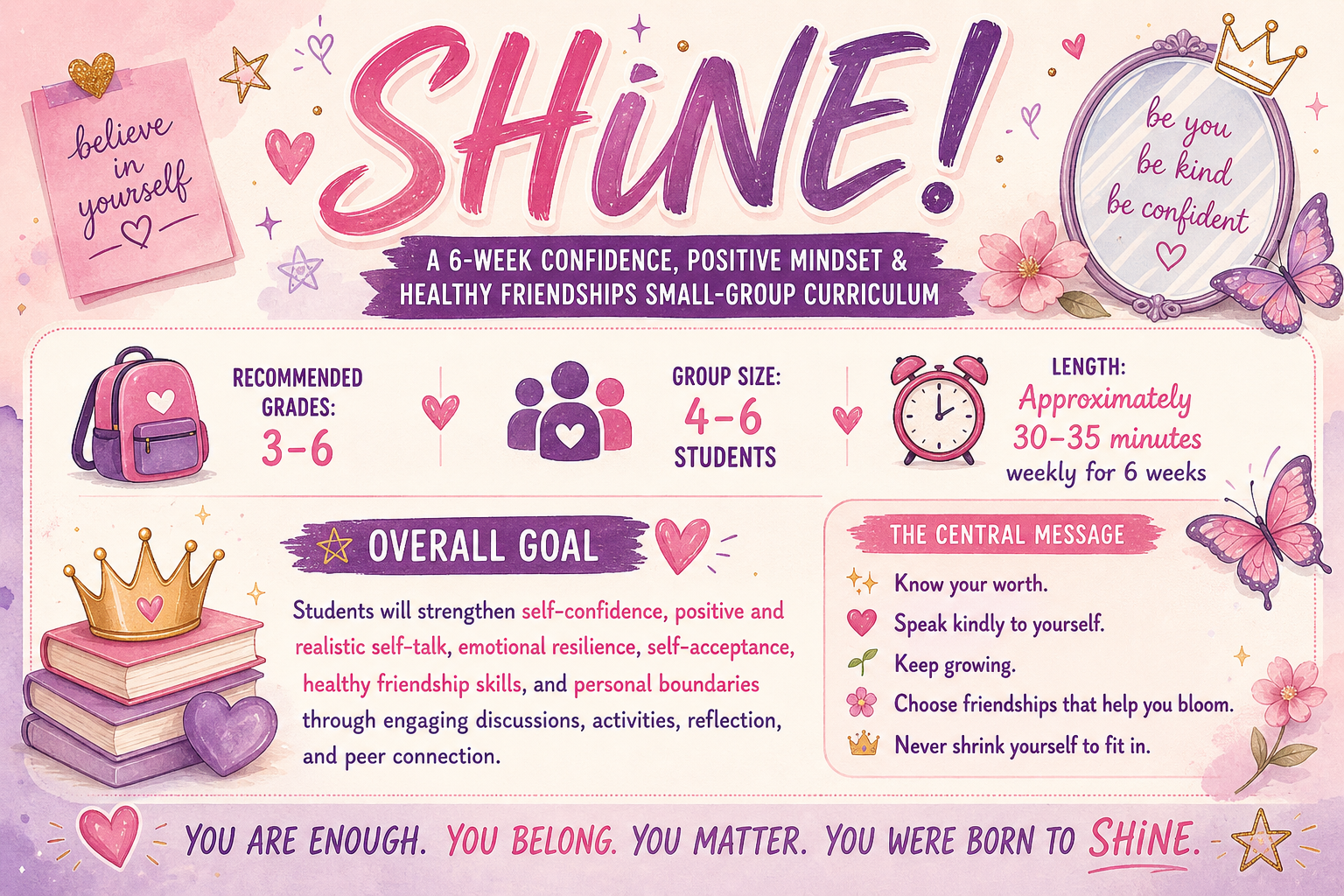
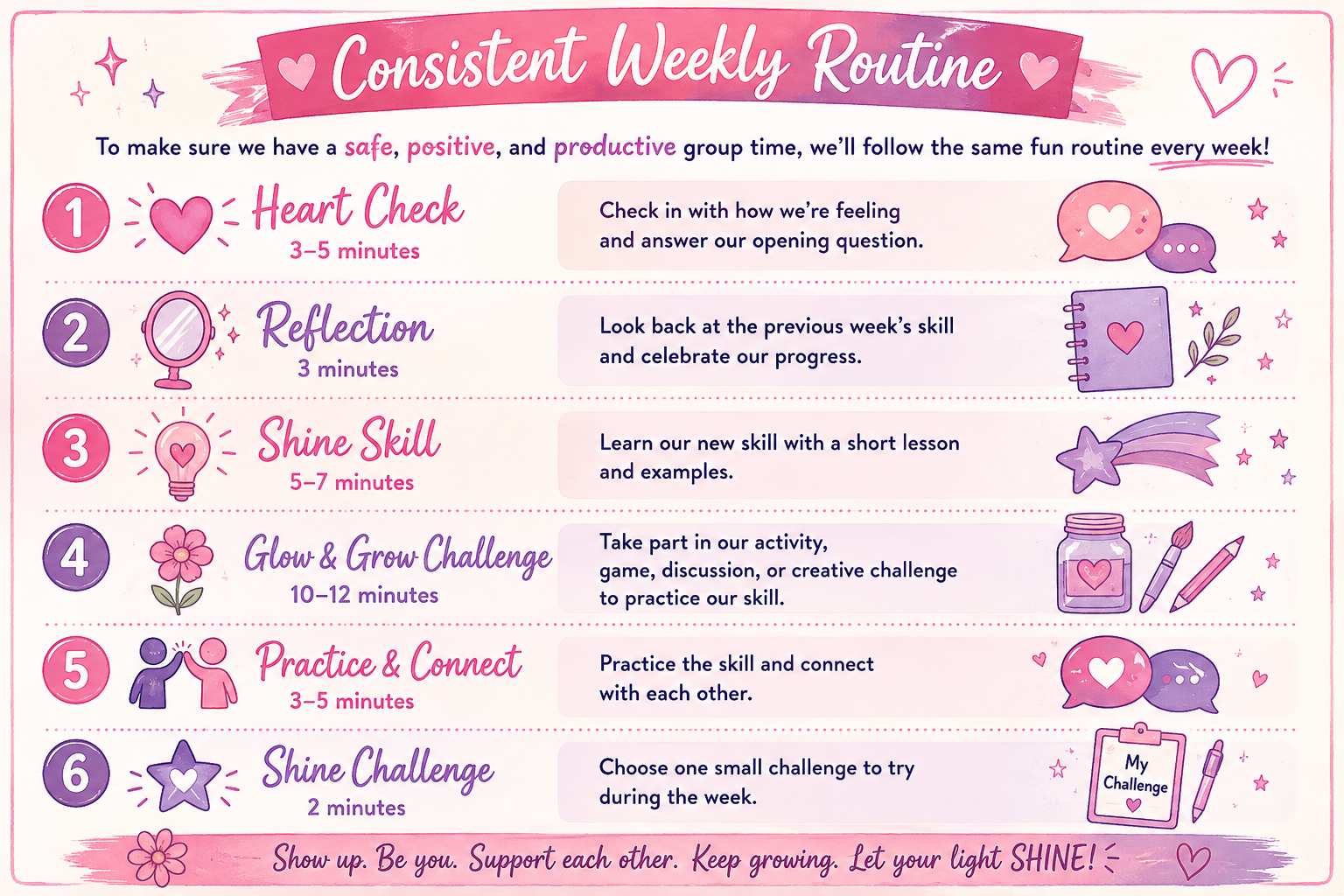
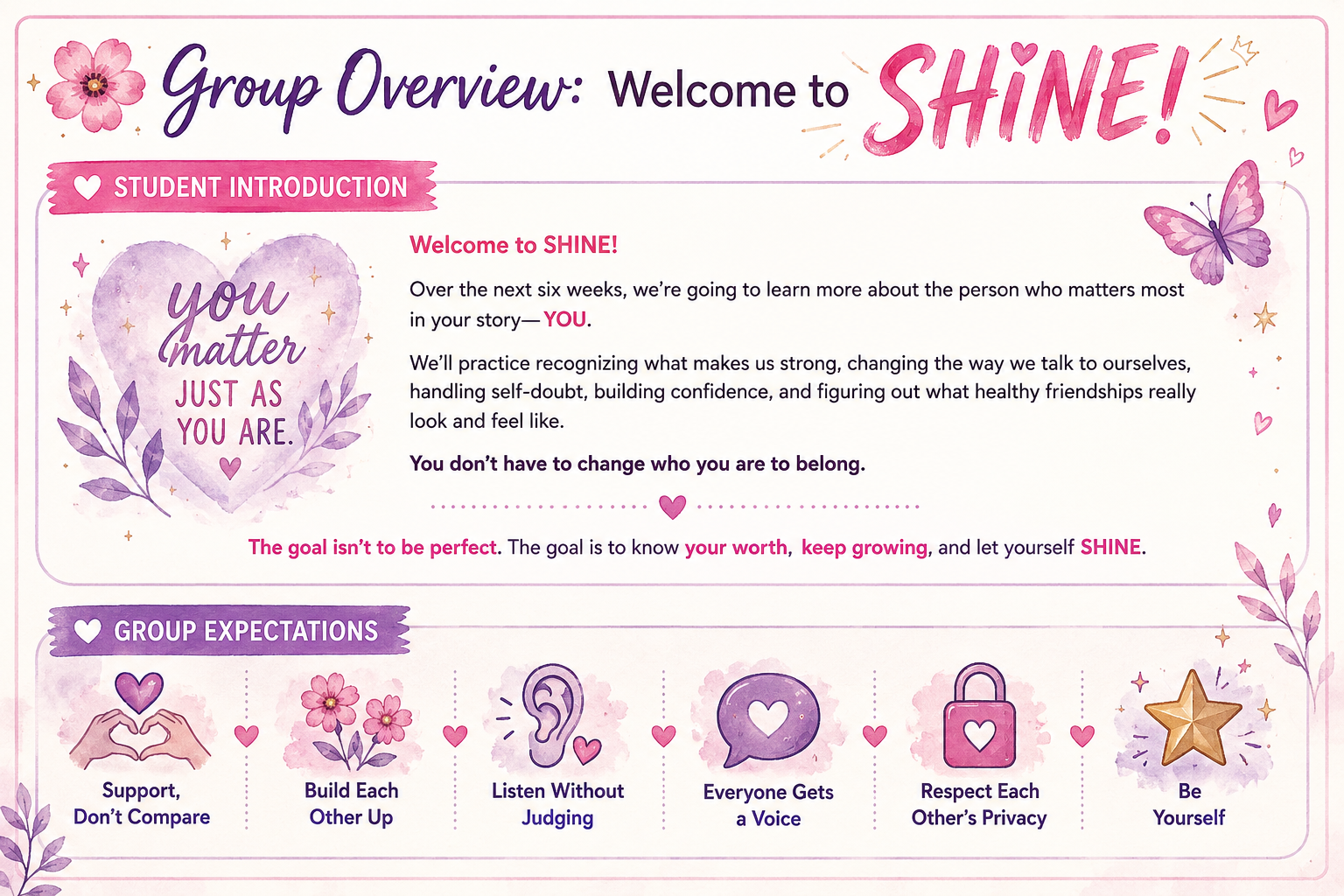
SHINE! is a 6-week girls small-group counseling curriculum for grades 3–6 designed to build confidence, positive self-talk, self-worth, healthy friendships, boundaries, and resilience through engaging activities, reflection, and discussion. Downloadable file.
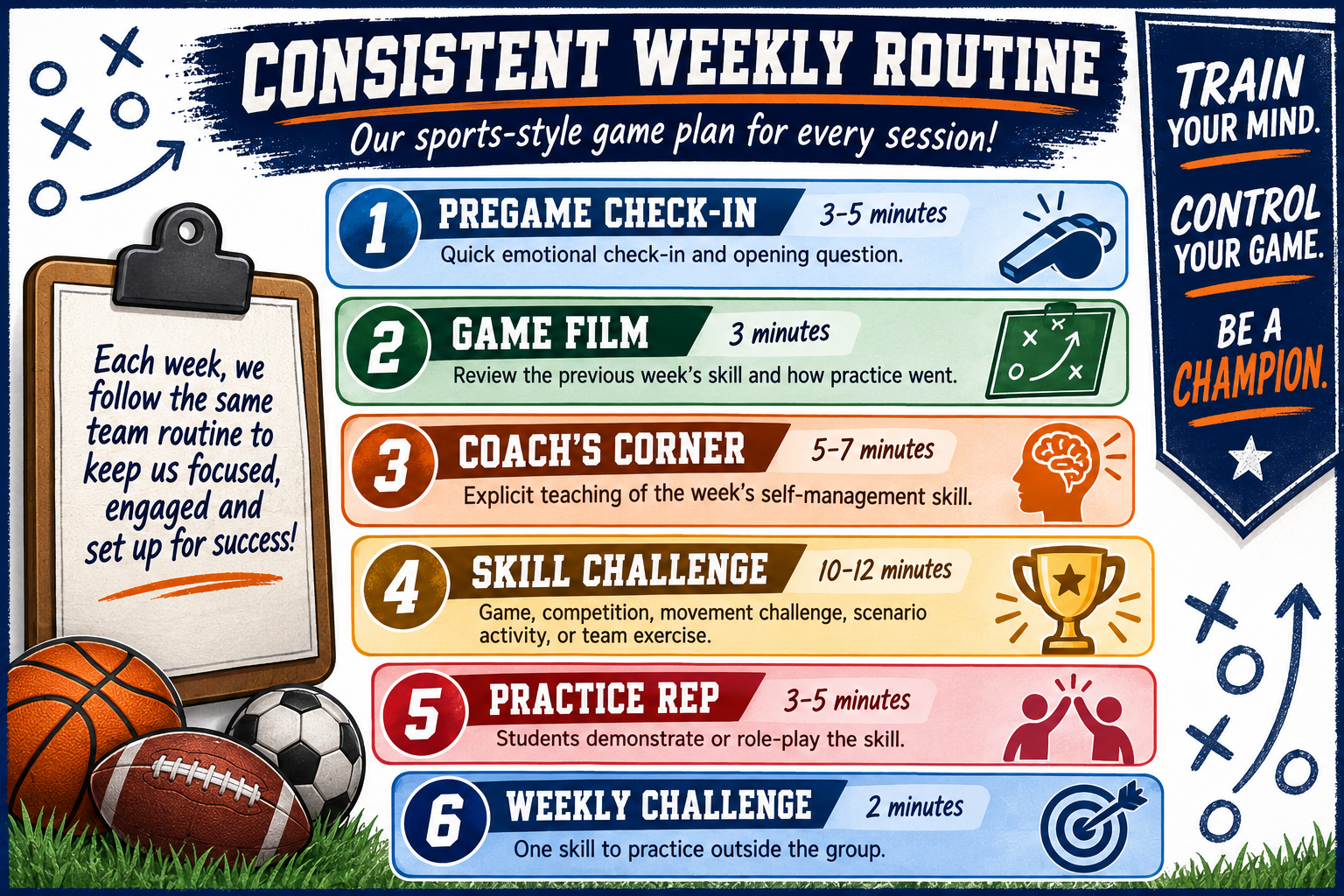
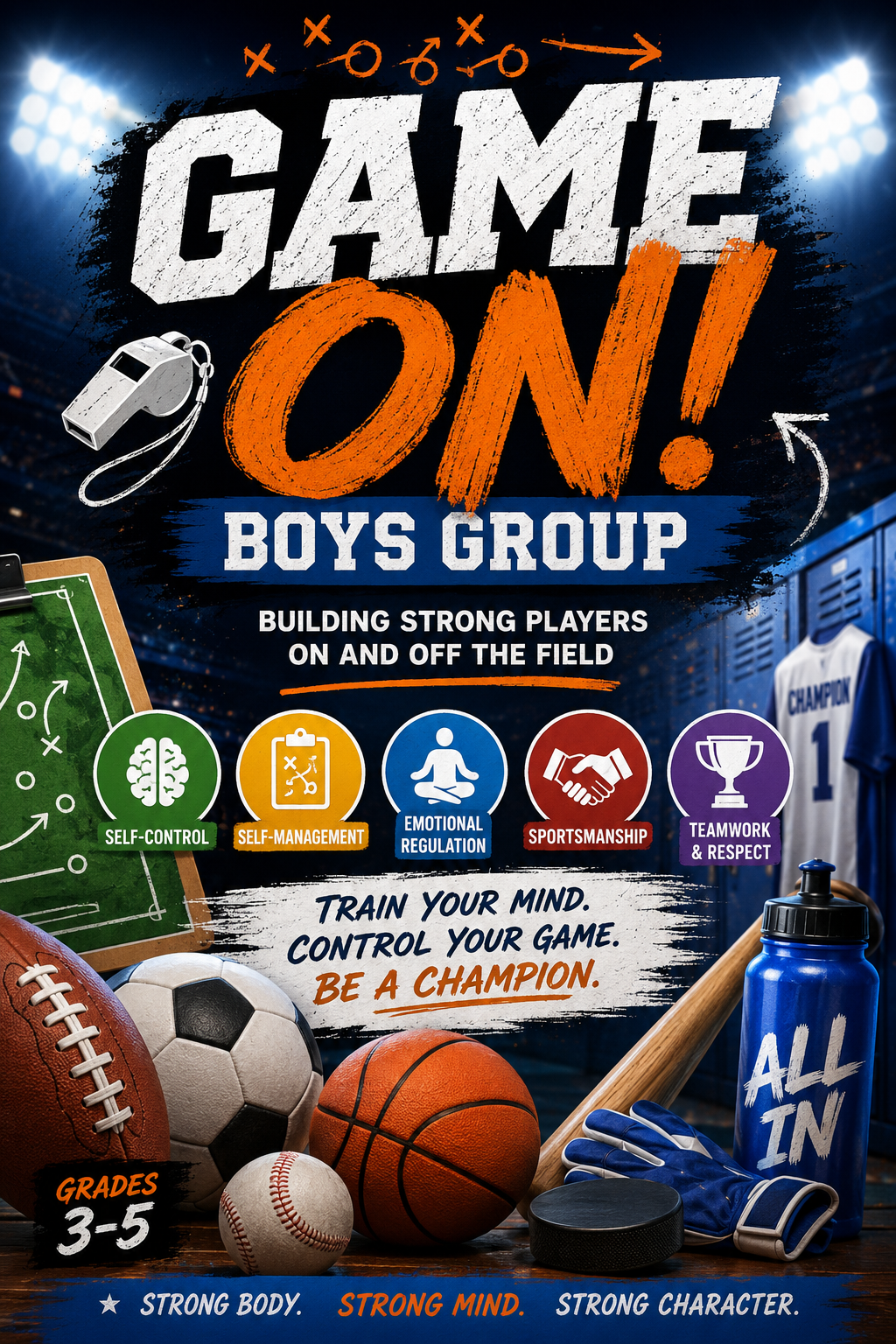
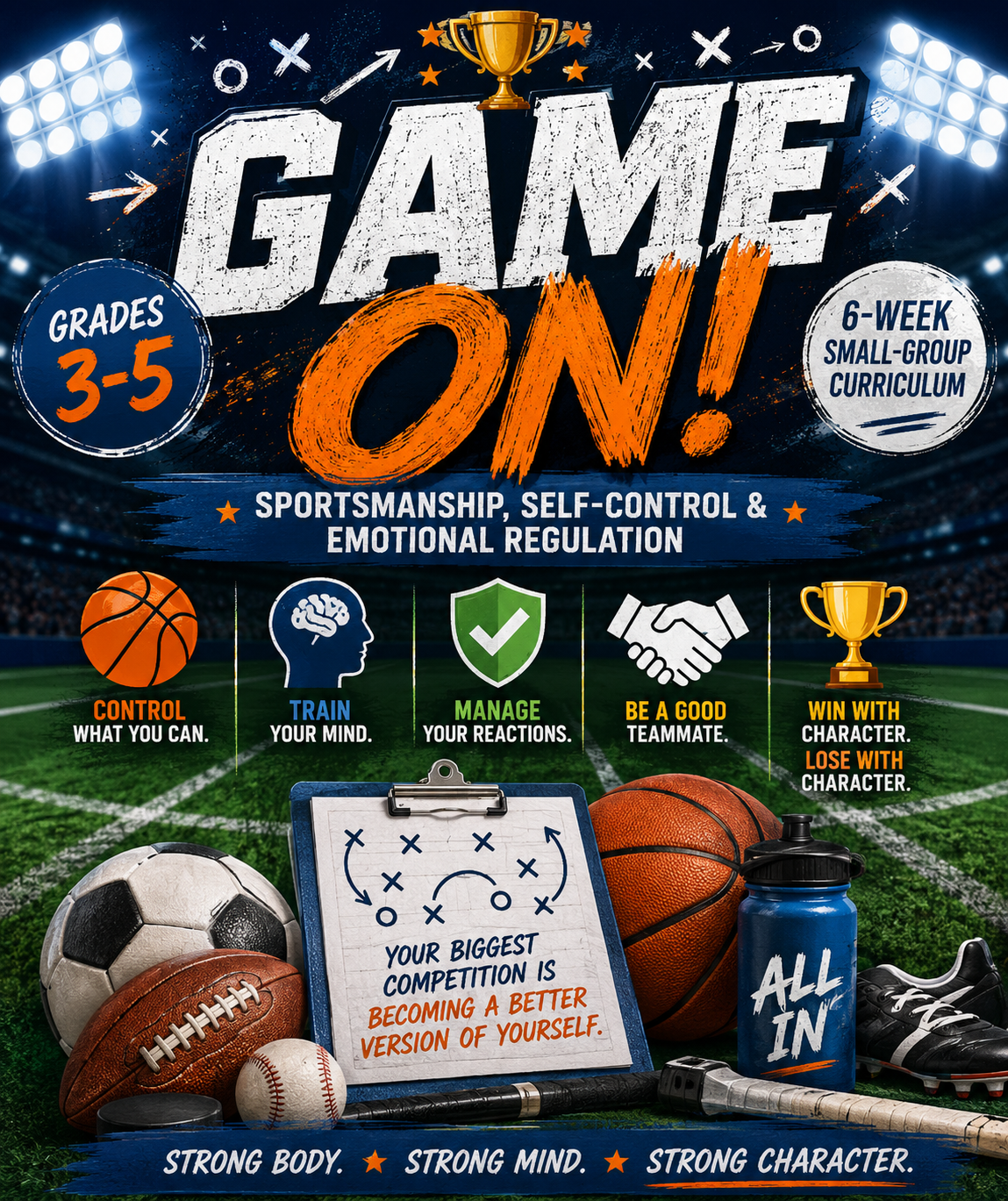
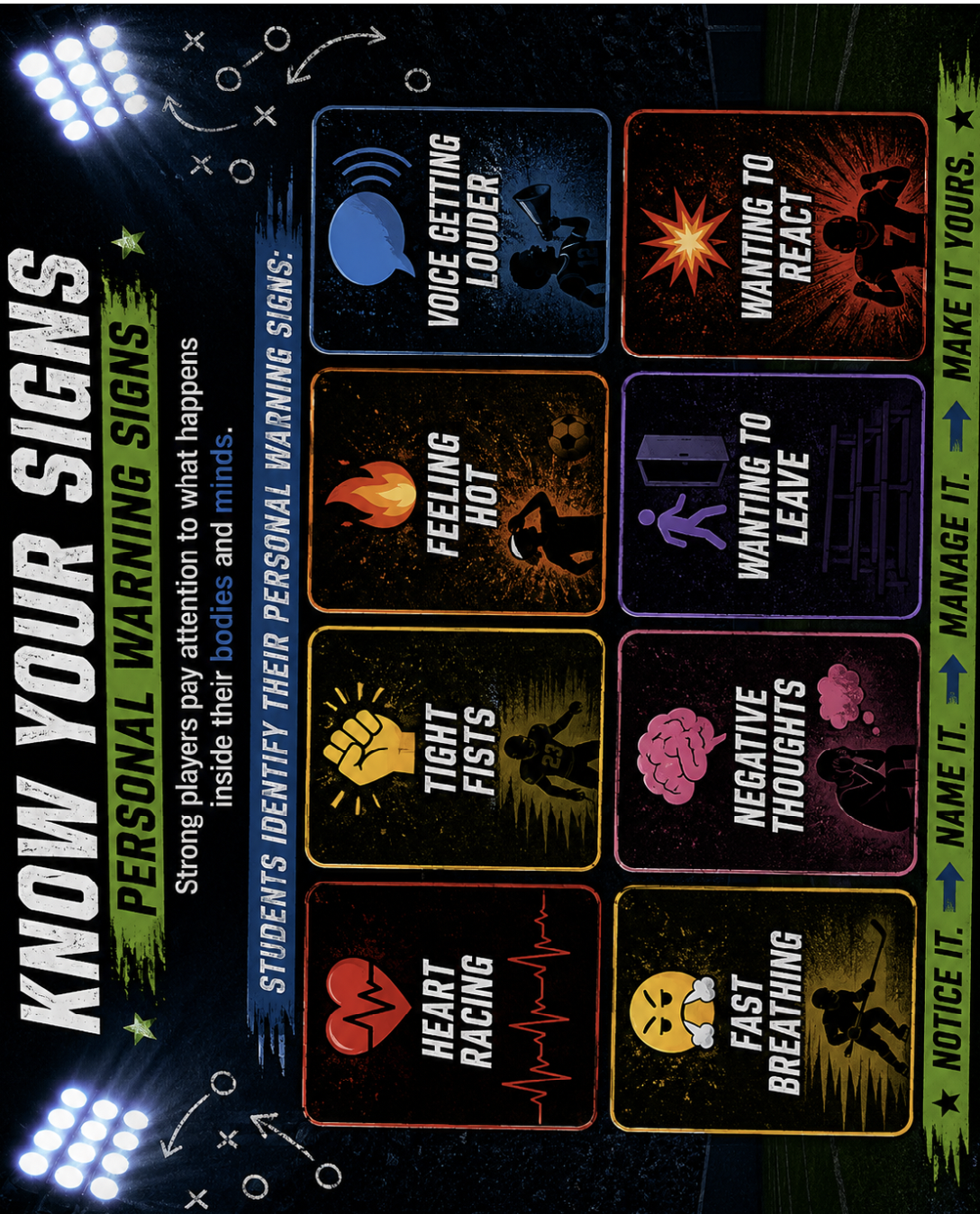
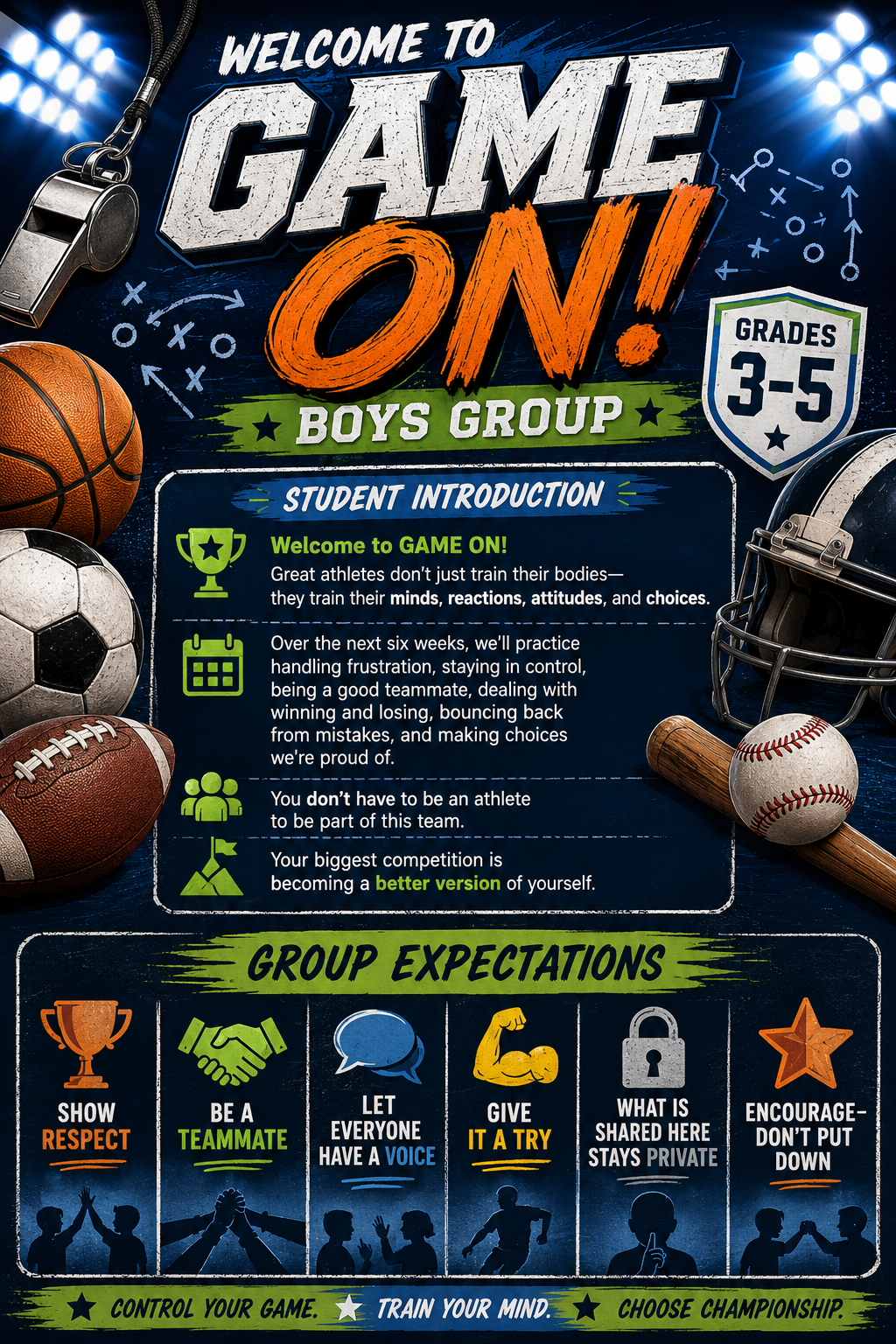
GAME ON! is a 6-week small-group counseling curriculum for boys in grades 3–5 that uses engaging sports-themed activities to build self-control, emotional regulation, resilience, sportsmanship, teamwork, and positive decision-making skills. Downloadable file.
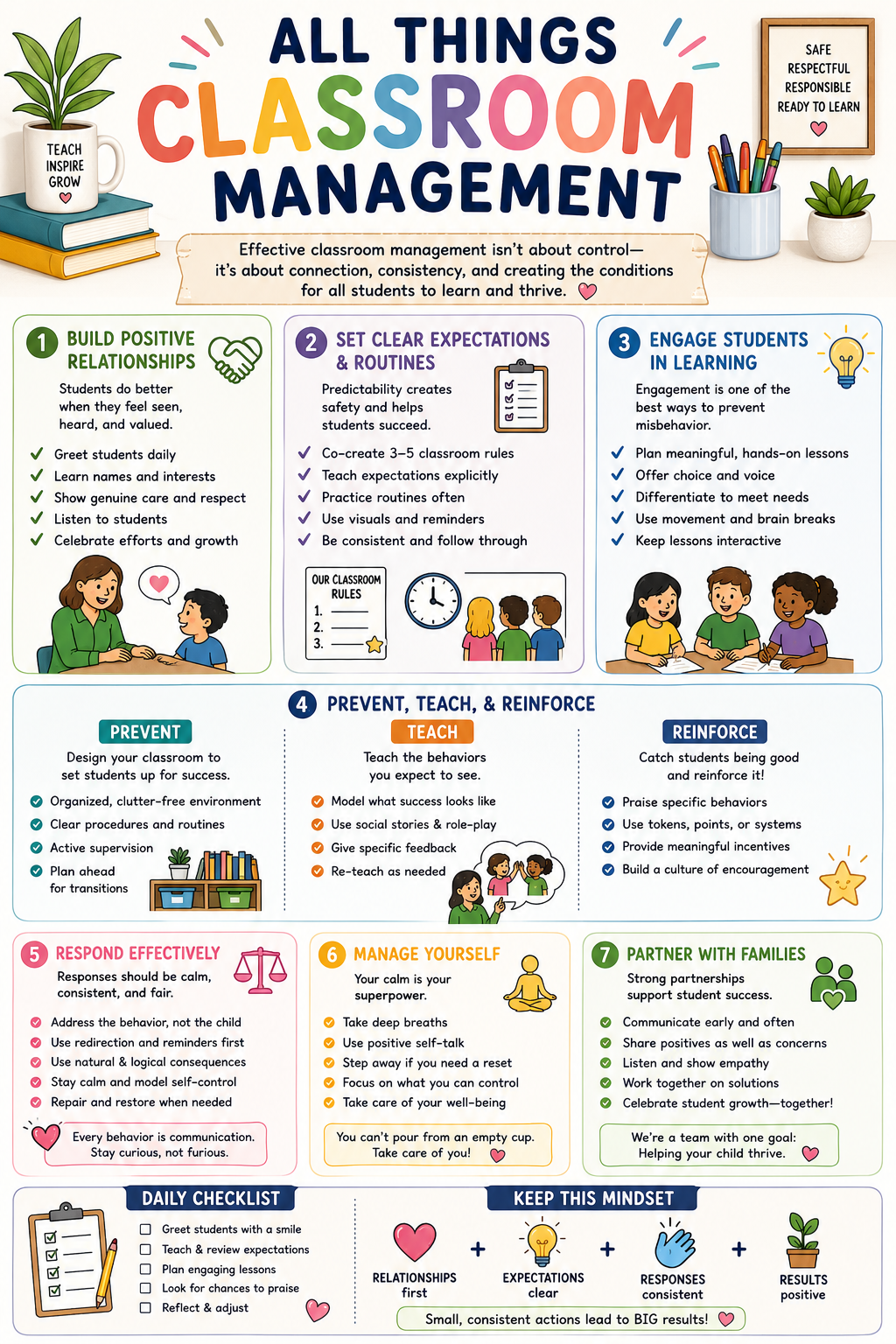
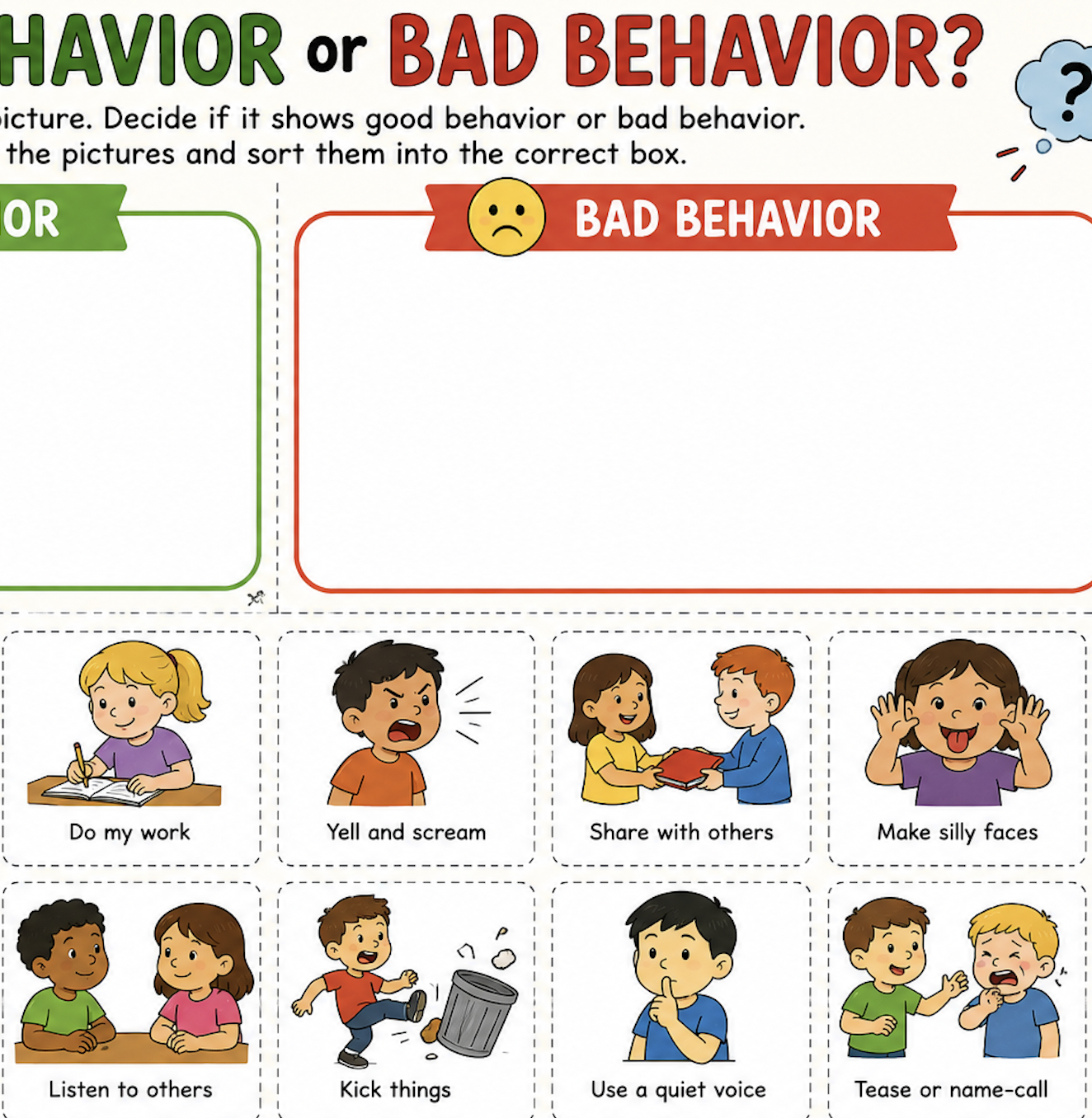
Downloadable PDF “All Things Classroom Management” visual is an educator-friendly infographic featuring practical strategies for building relationships, establishing routines, engaging students, reinforcing positive behavior, responding effectively, and creating a supportive classroom where students can thrive.
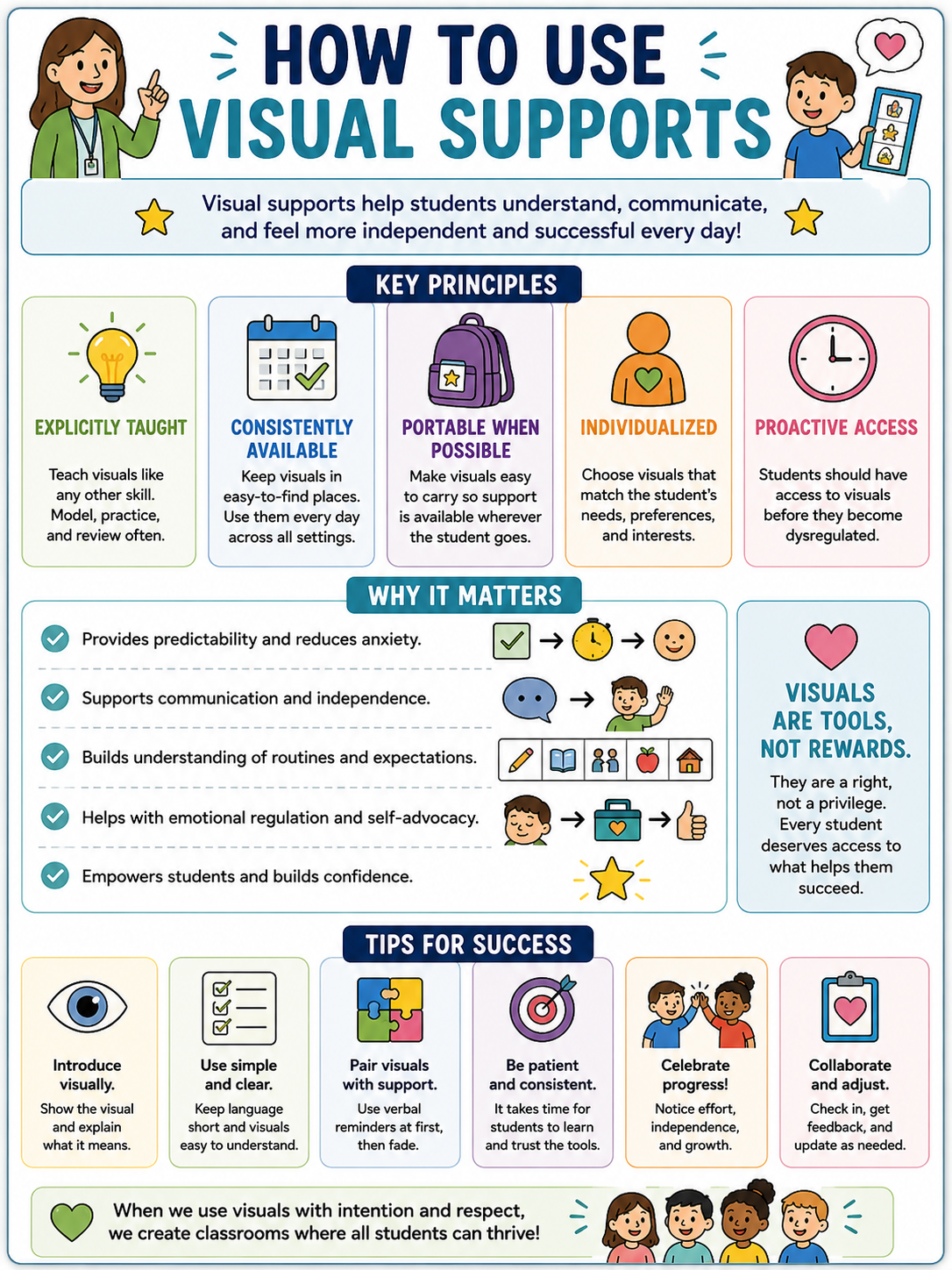
Downloadable PDF “How to Use Visual Supports” educator page emphasizing that visuals should be explicitly taught, consistently available, portable when possible, and individualized. A student shouldn't have to already be dysregulated before gaining access to their communication or regulation visuals.
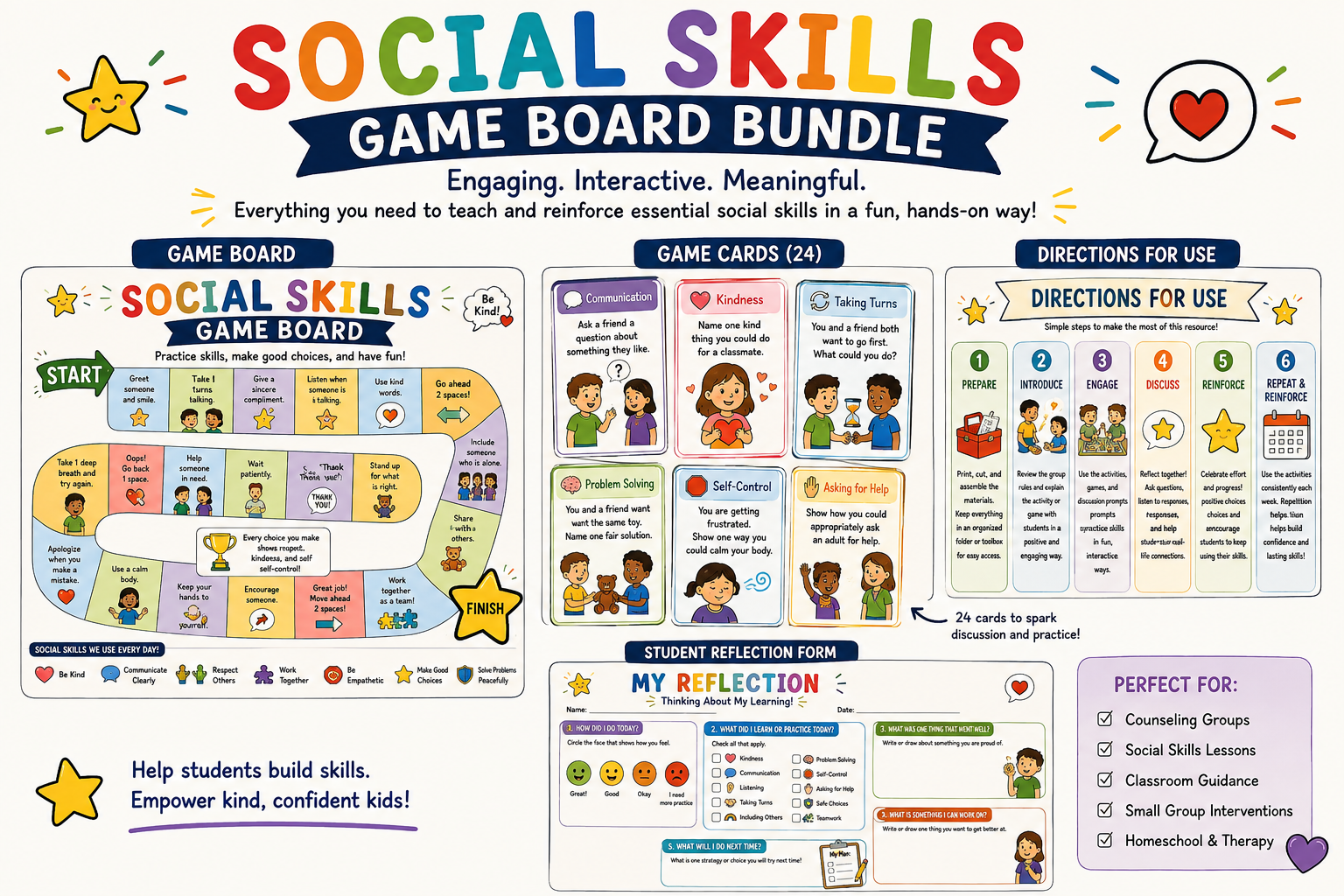
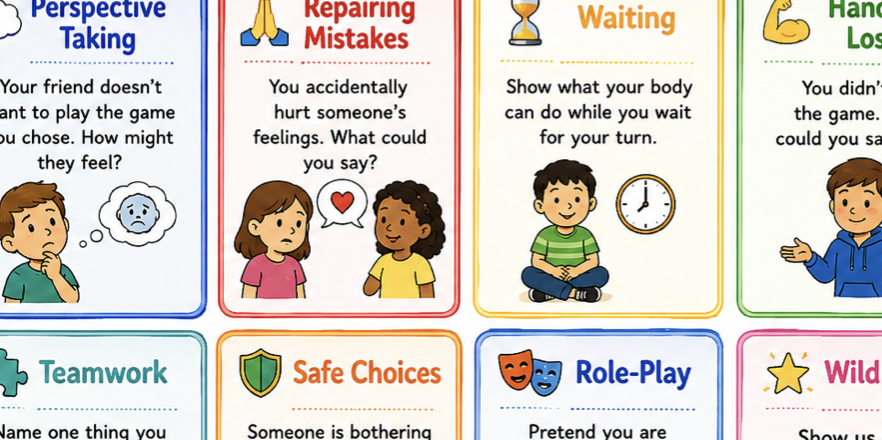
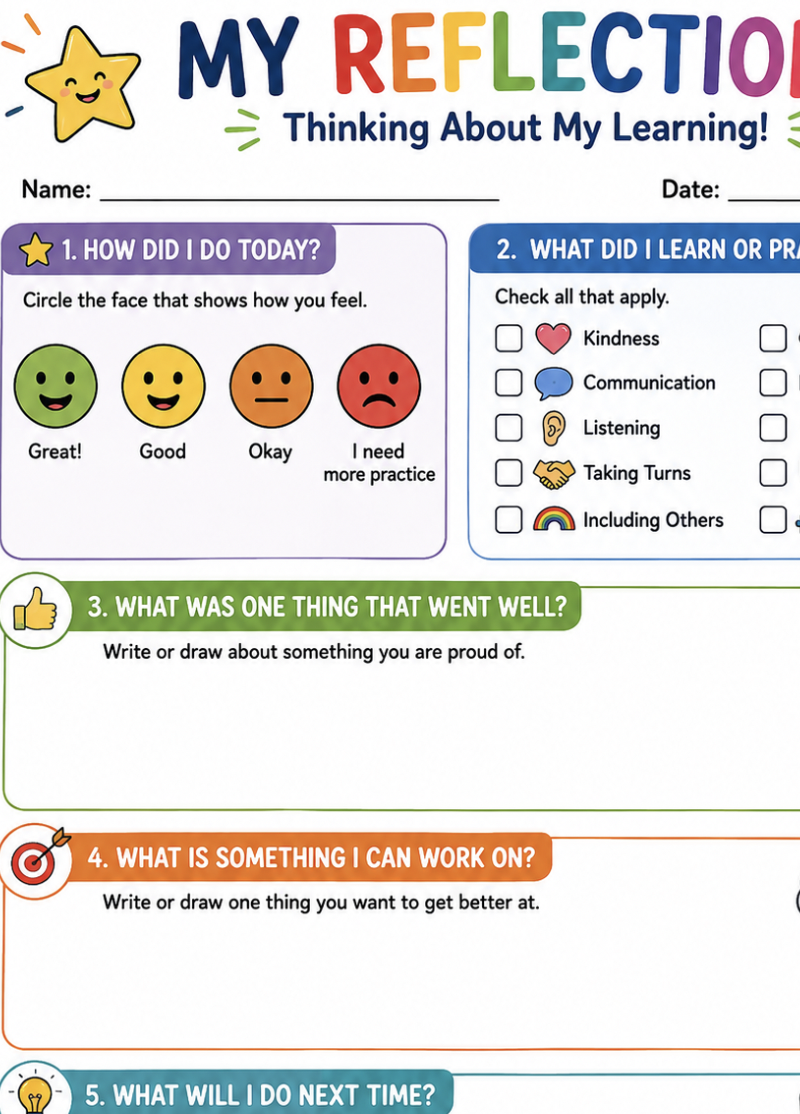
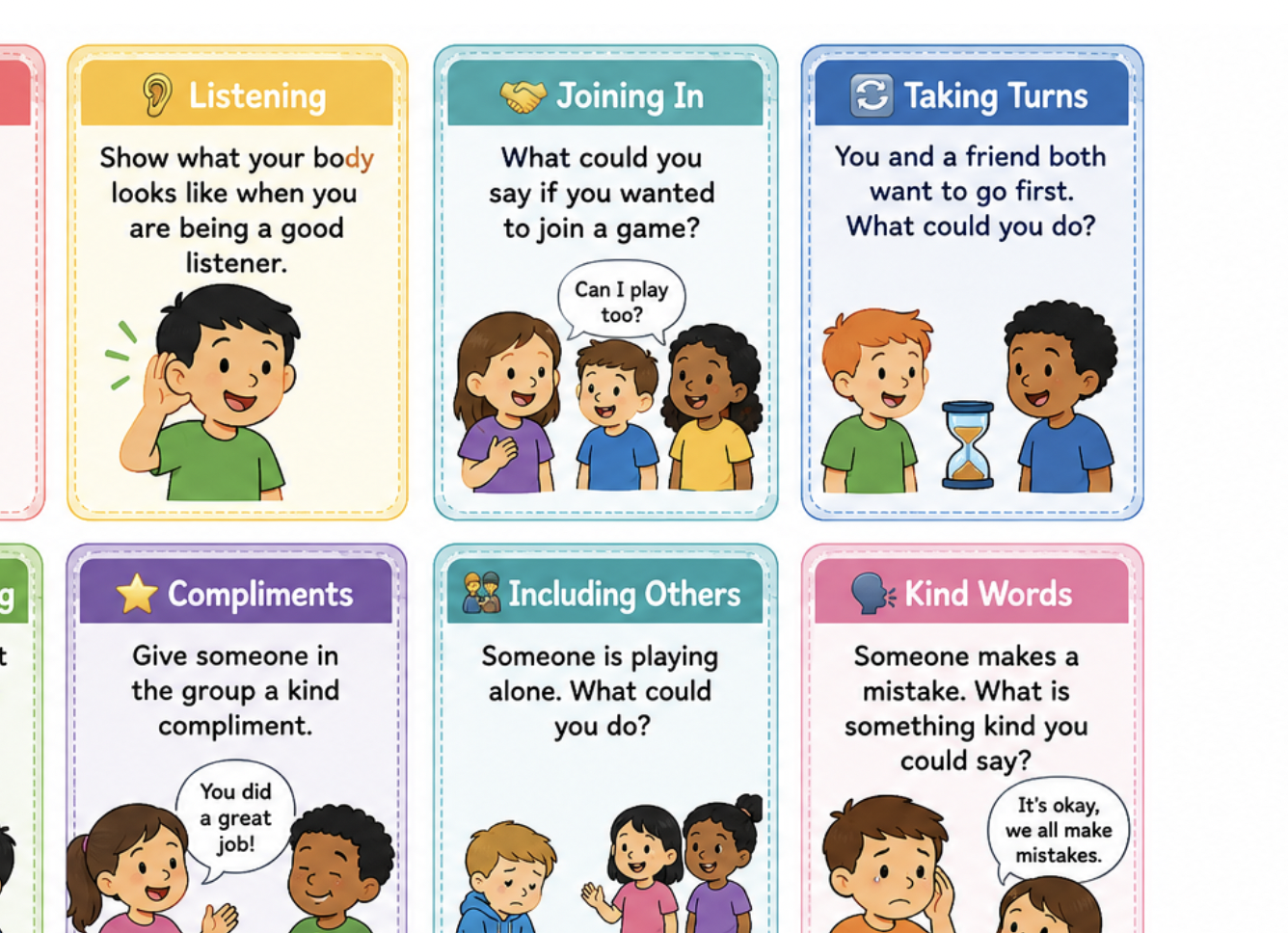
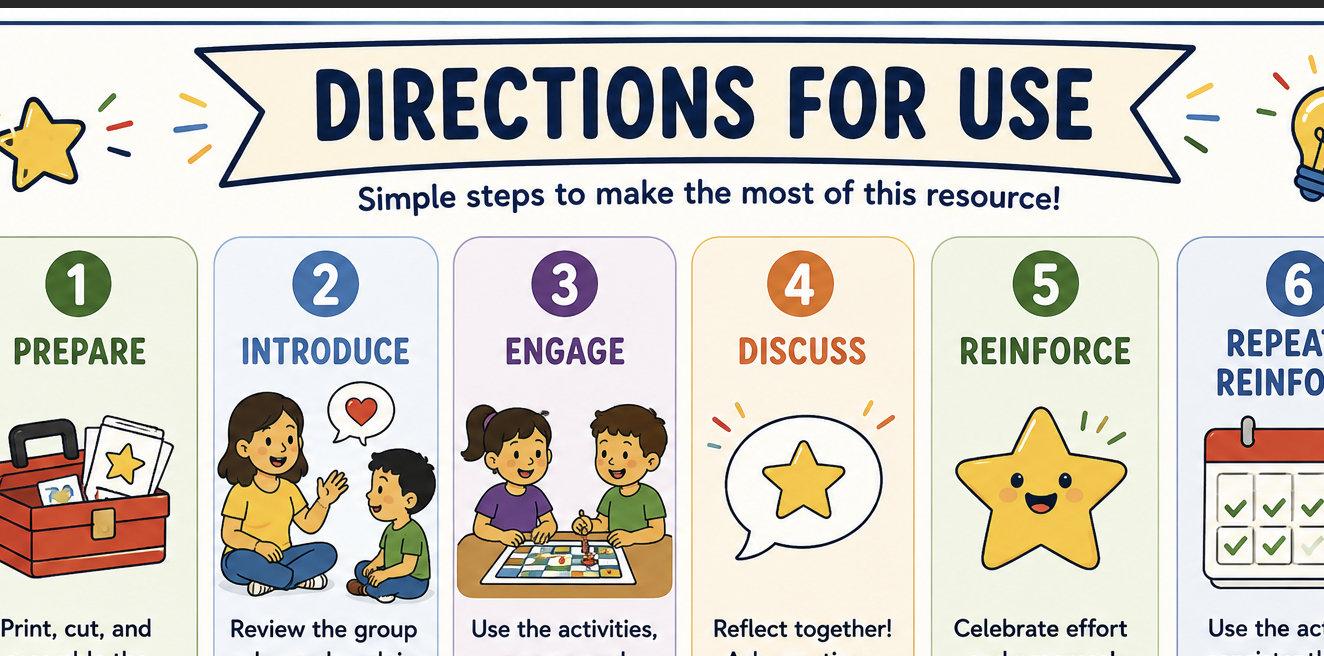
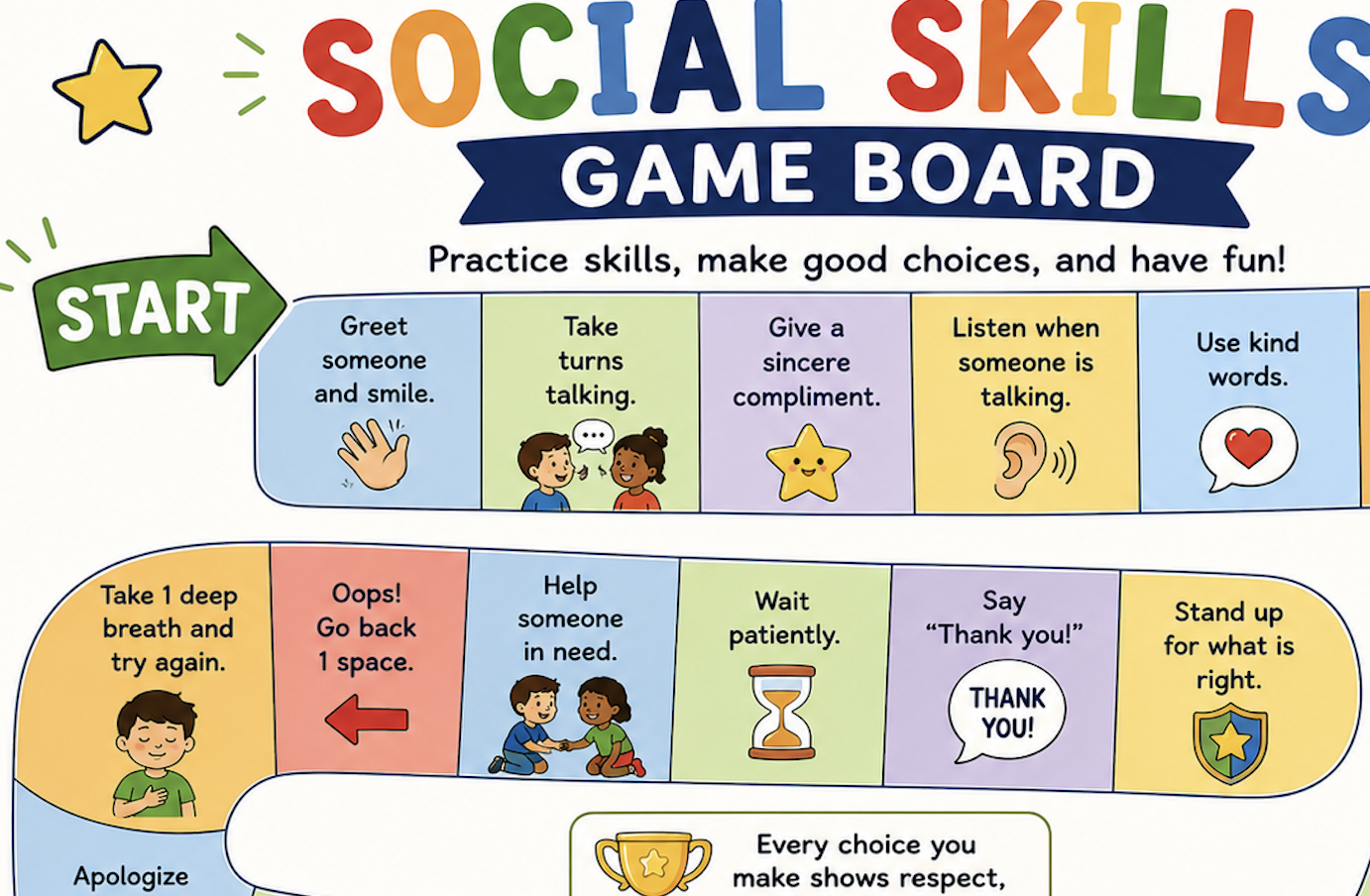
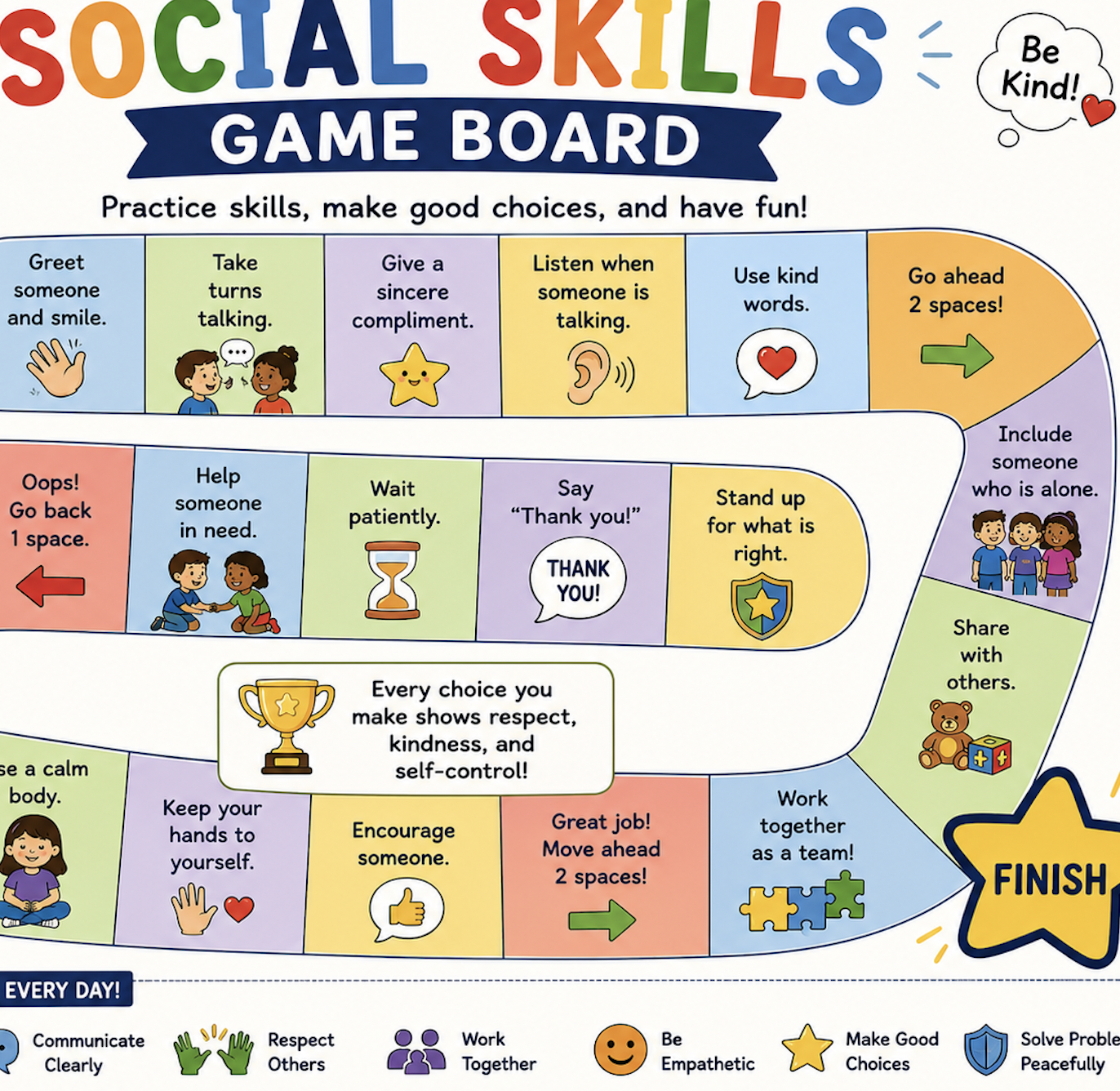
The Social Skills Game Board is a fun, interactive K–2 counseling activity that helps students practice communication, kindness, friendship, self-control, problem-solving, teamwork, and other essential social skills through engaging prompts, scenarios, and challenges. Downloadable file.
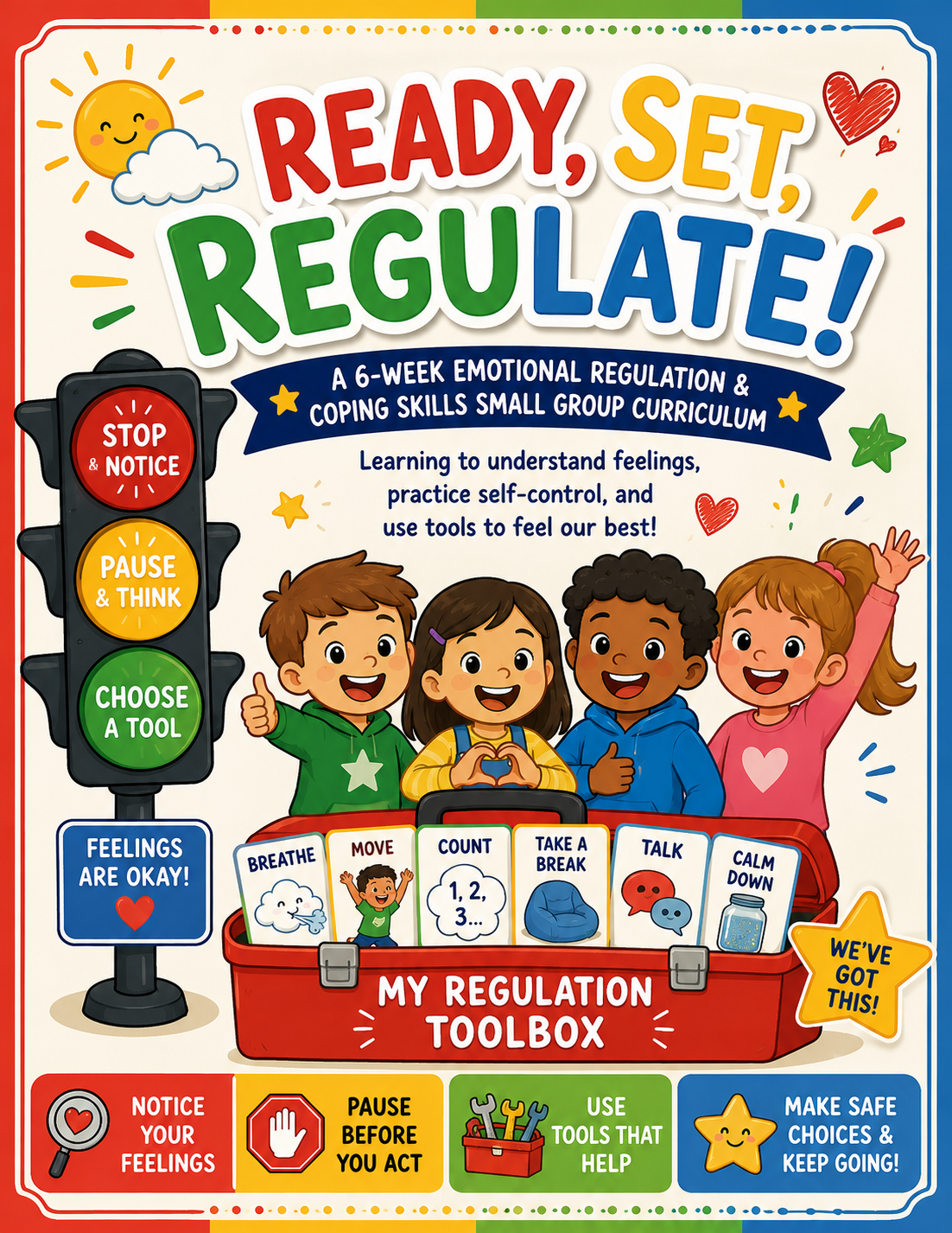
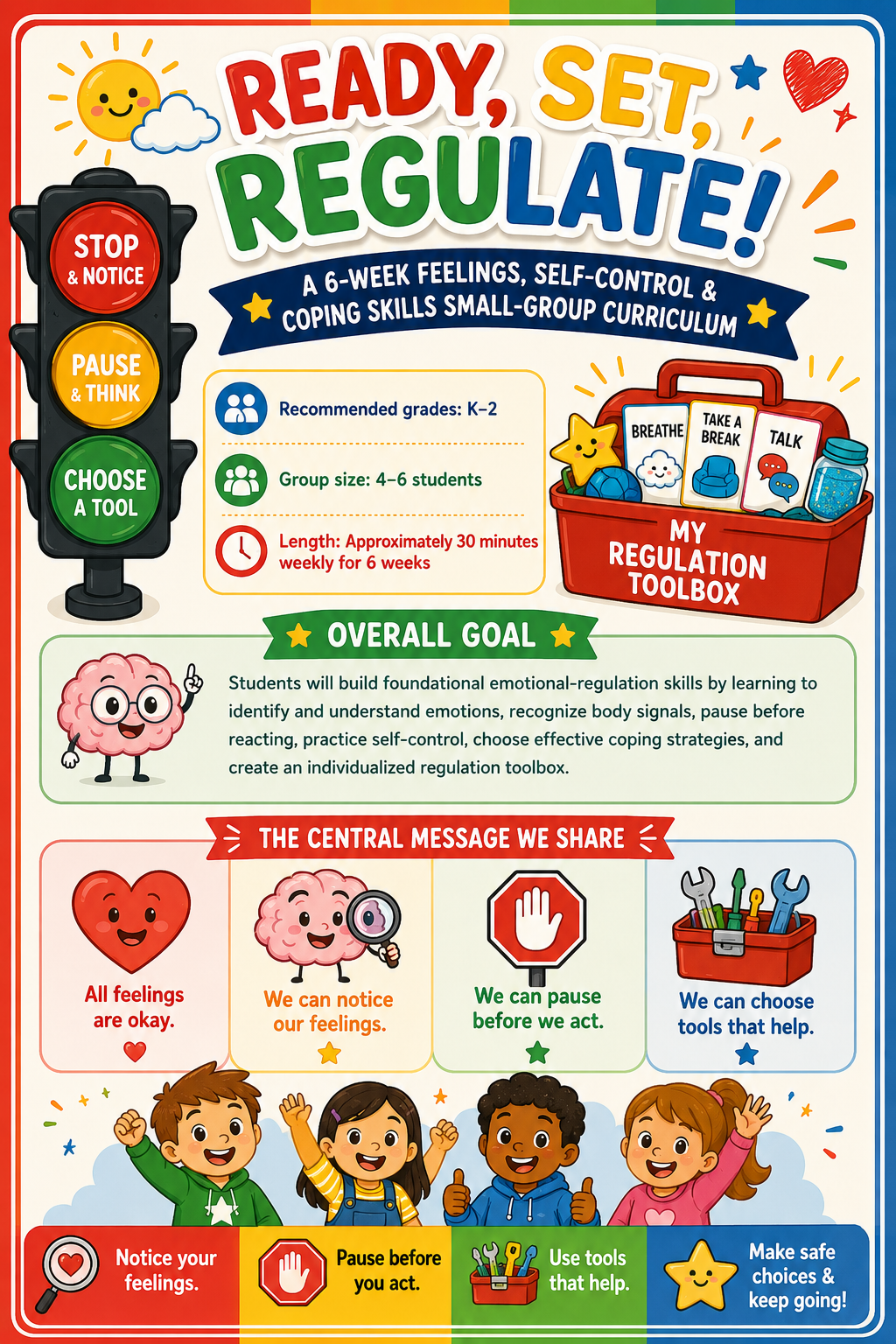
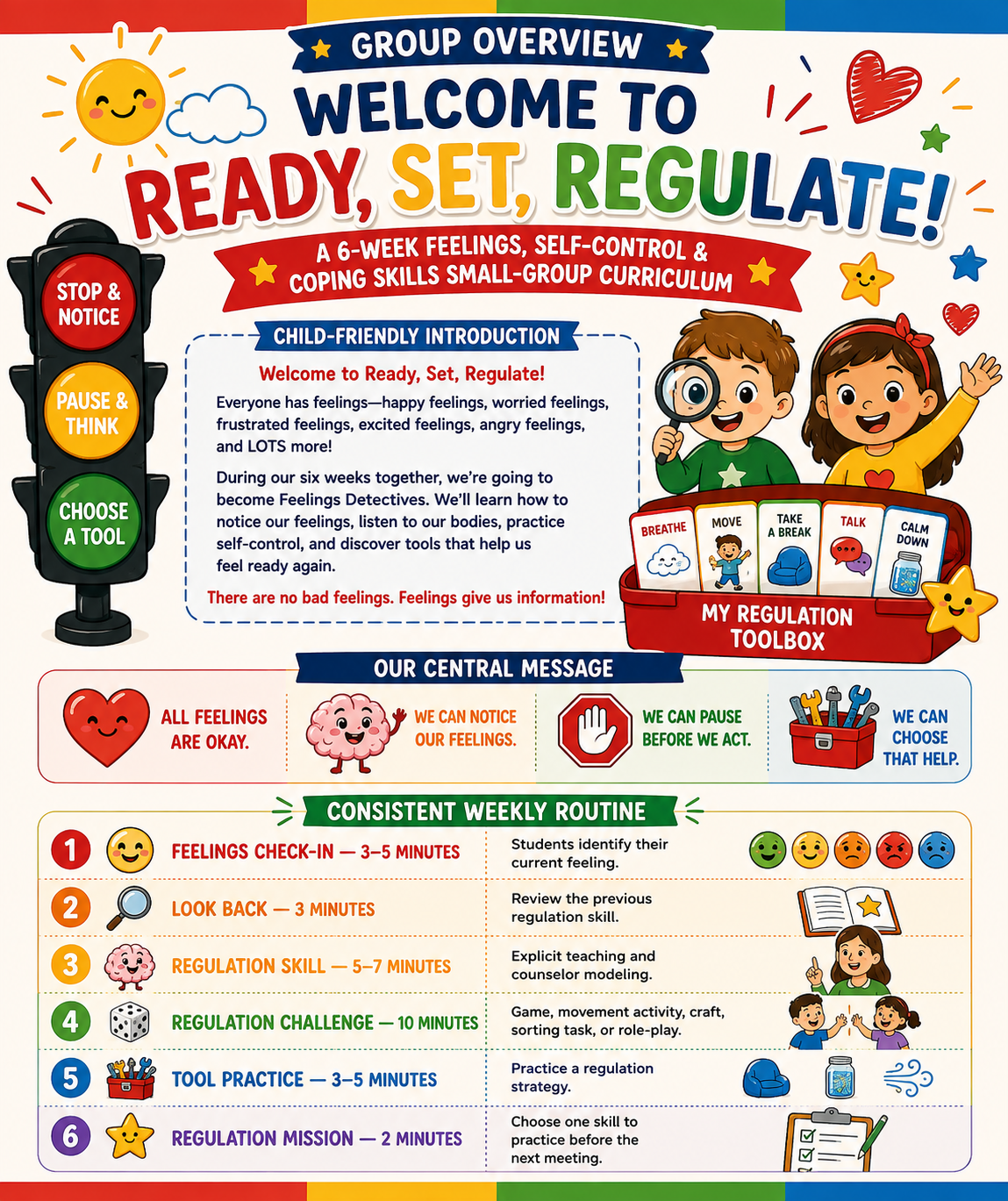
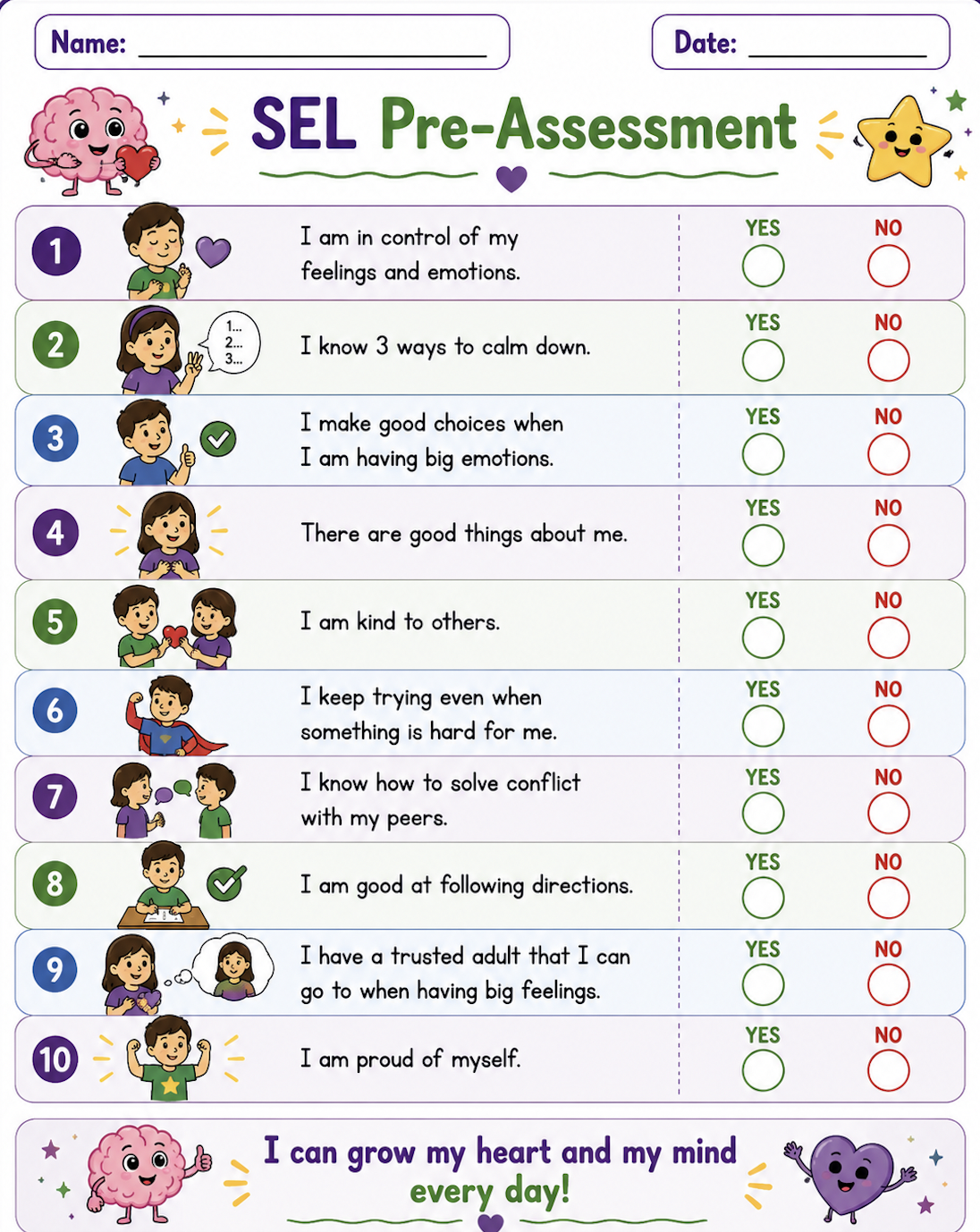
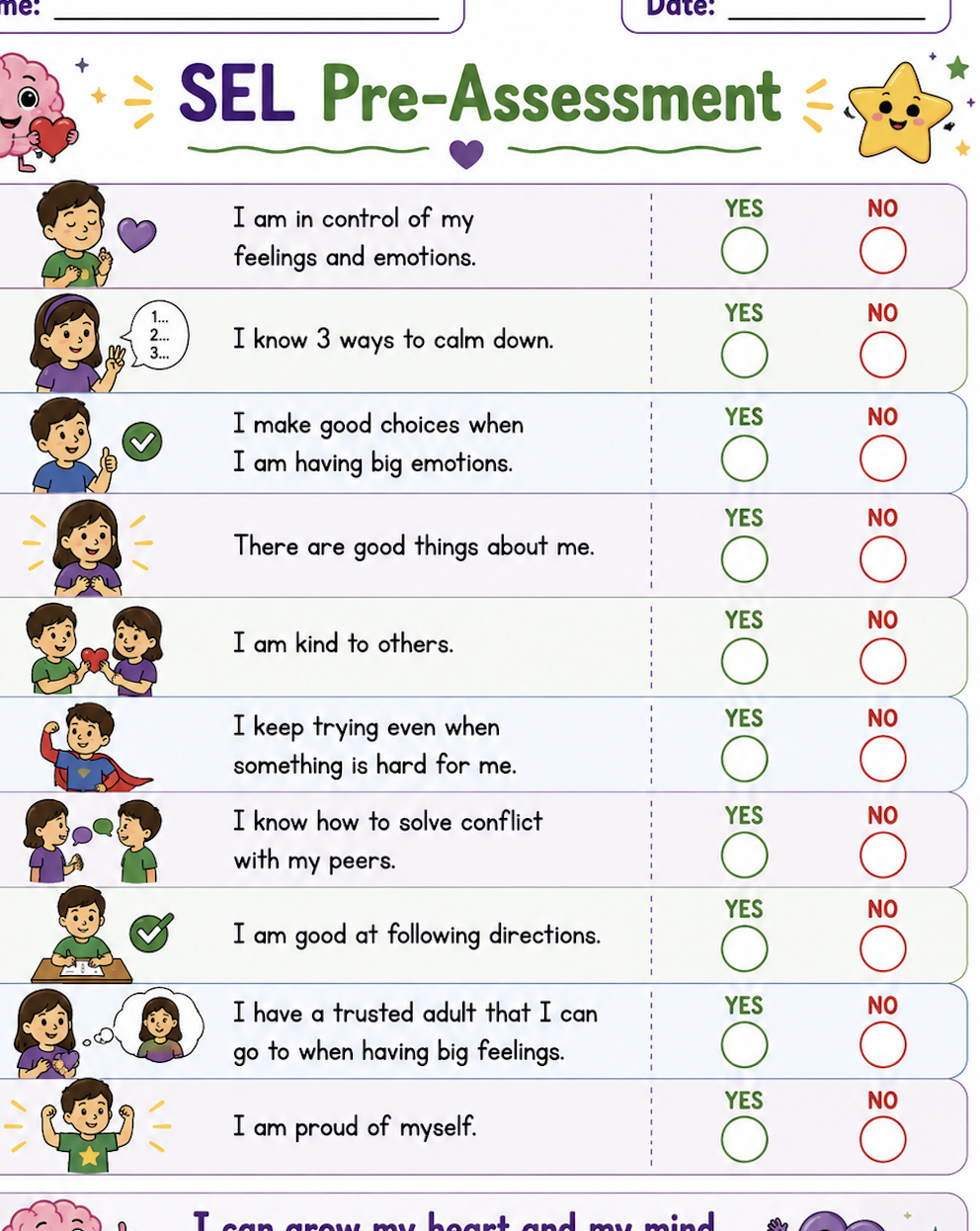
Ready, Set, Regulate! is a 6-week K–2 small-group counseling curriculum designed to build emotional regulation and self-control skills. Through engaging activities and visuals, students learn to identify feelings and body clues, practice coping strategies, pause before reacting, and make safe, helpful choices. Downloadable file.
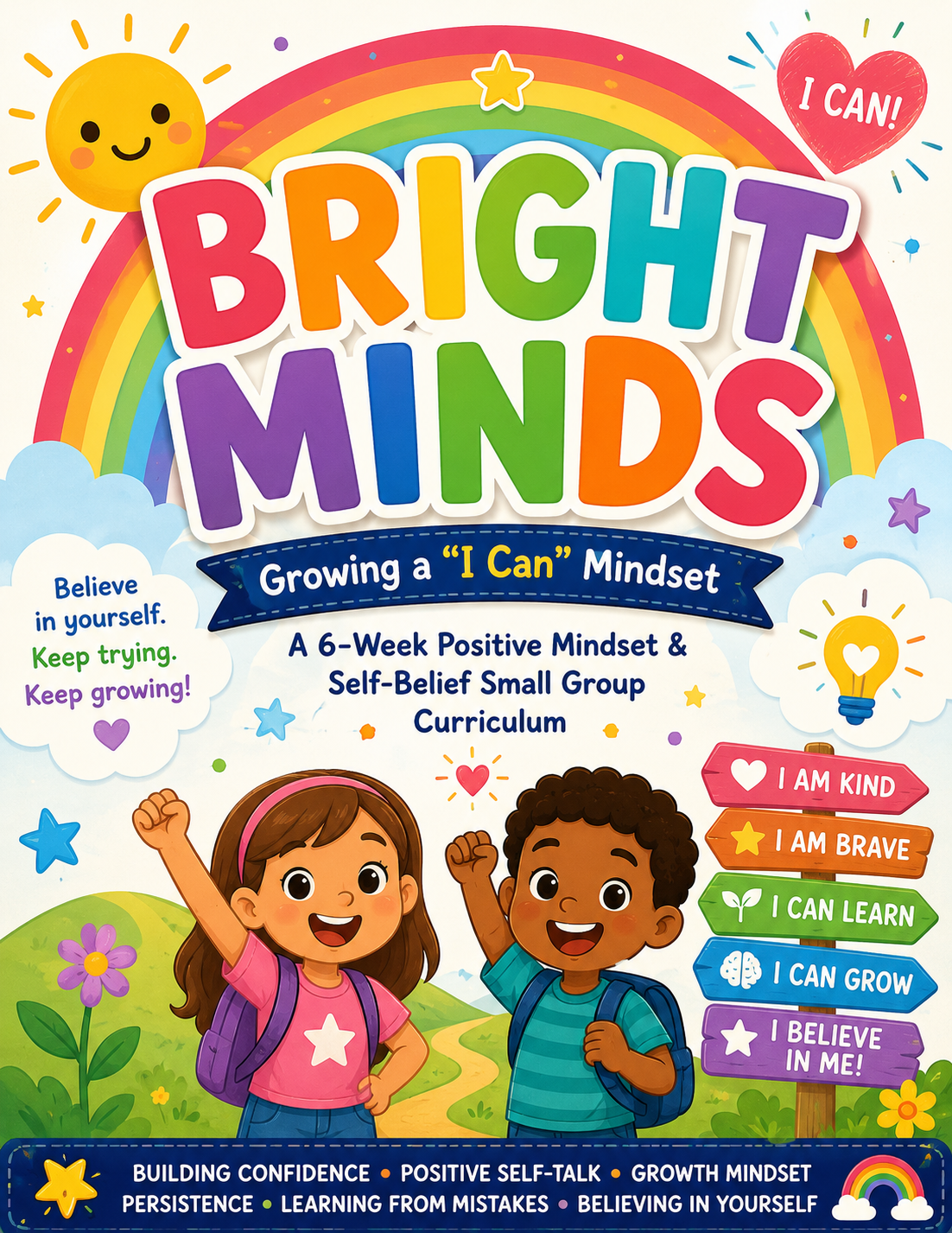
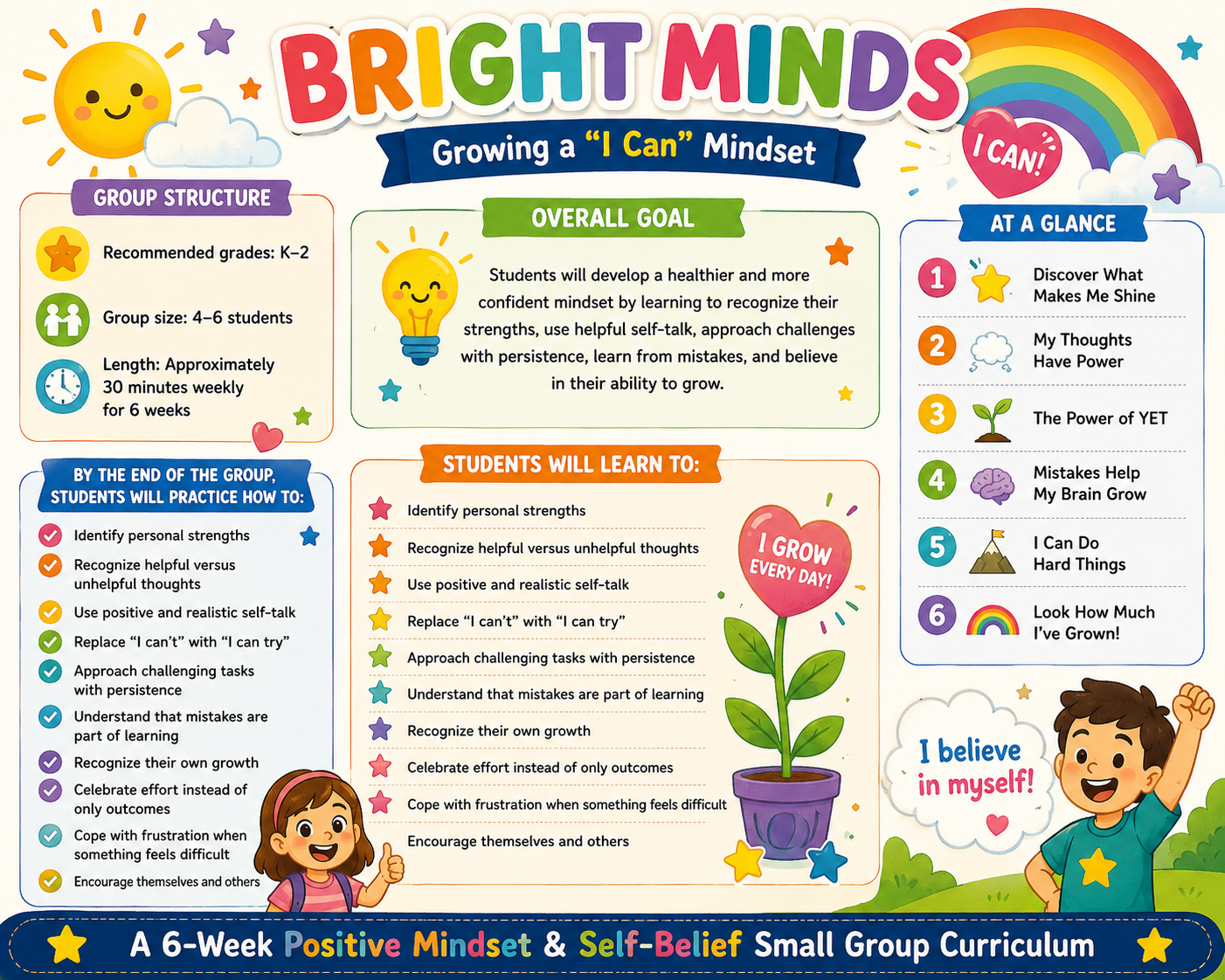
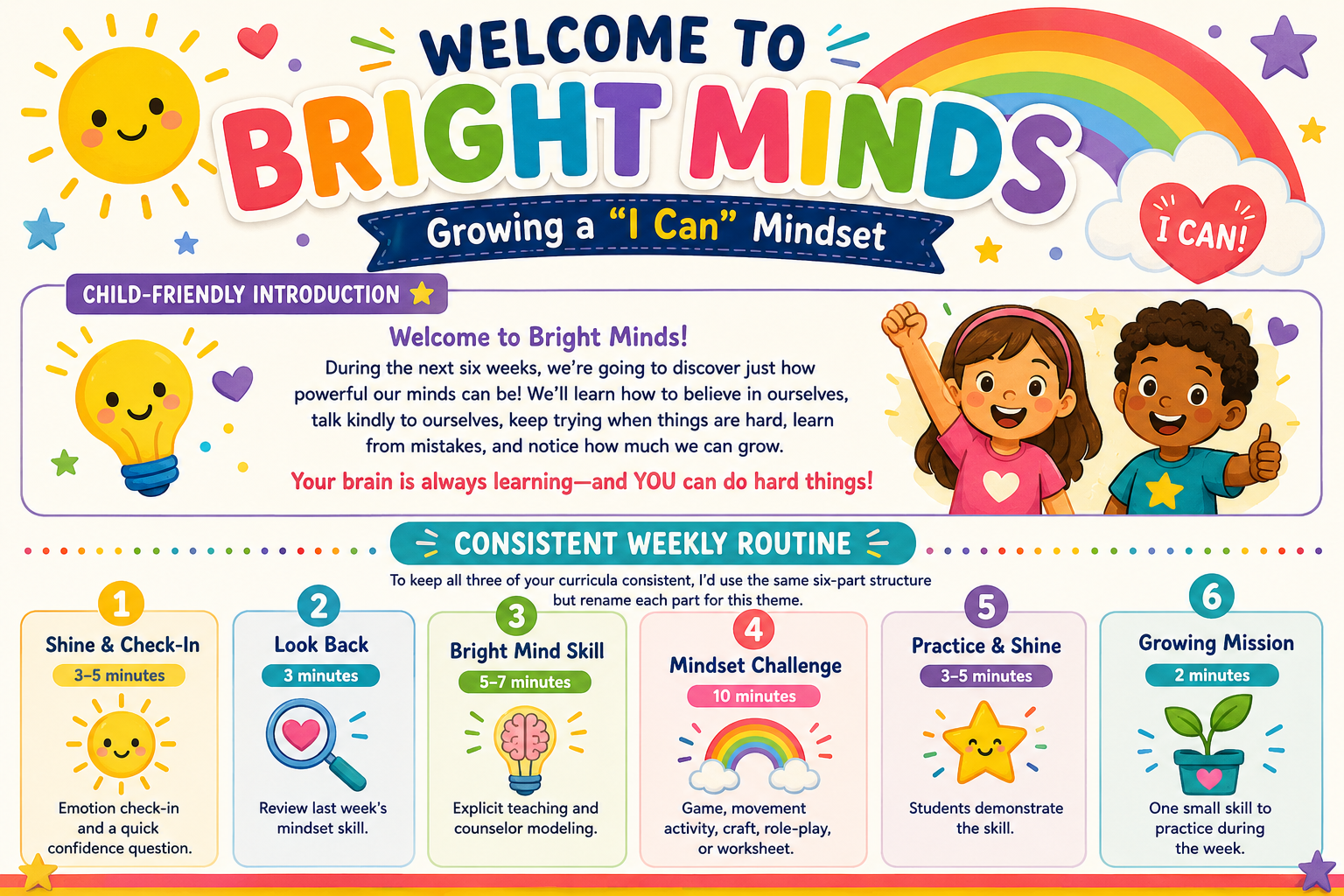
Bright Minds is a 6-week K–2 small-group counseling curriculum designed to build confidence, positive self-talk, perseverance, and self-belief. Through engaging activities and visuals, students learn to embrace mistakes, tackle challenges, recognize their strengths, and develop a positive growth mindset. Downloadable File.
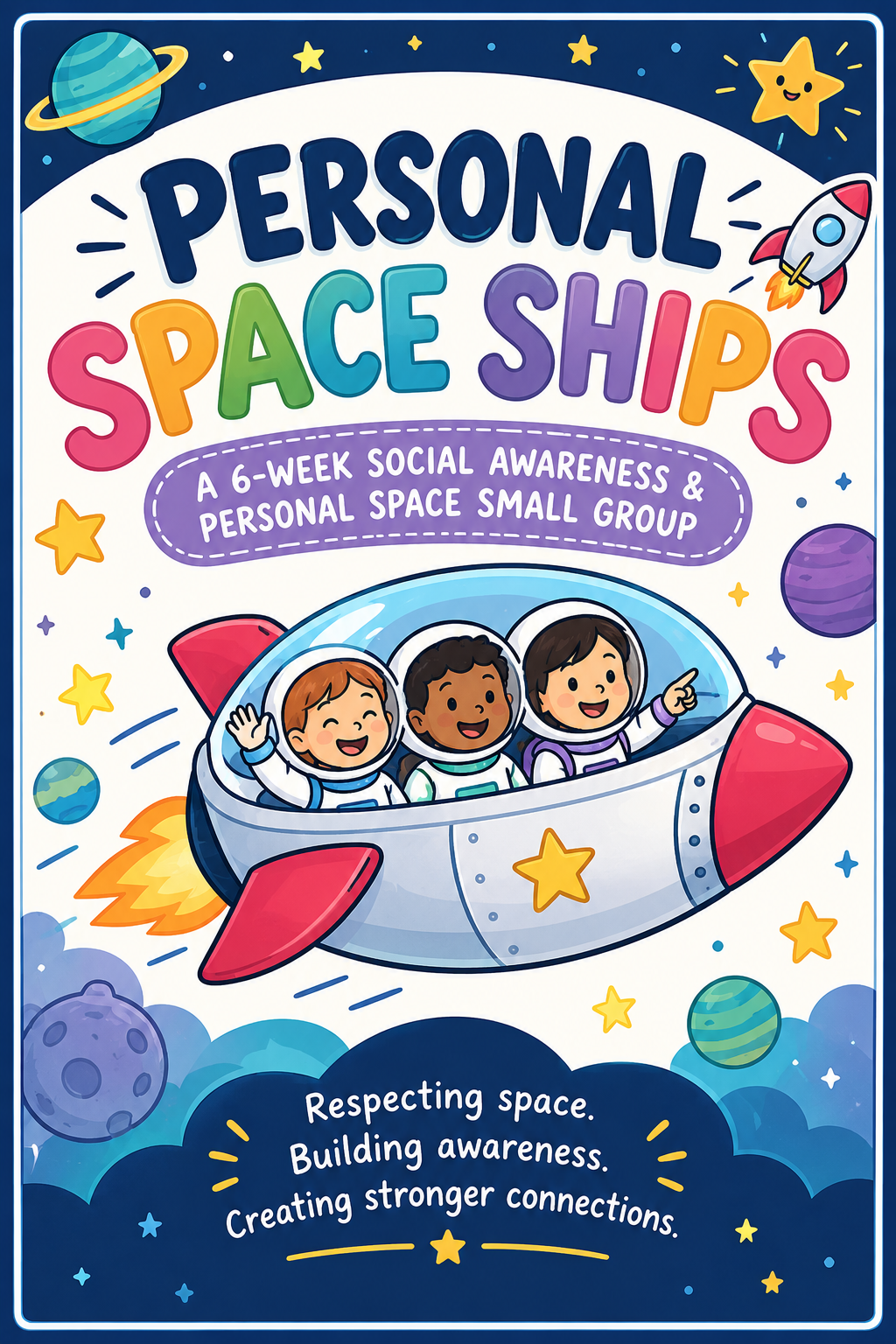
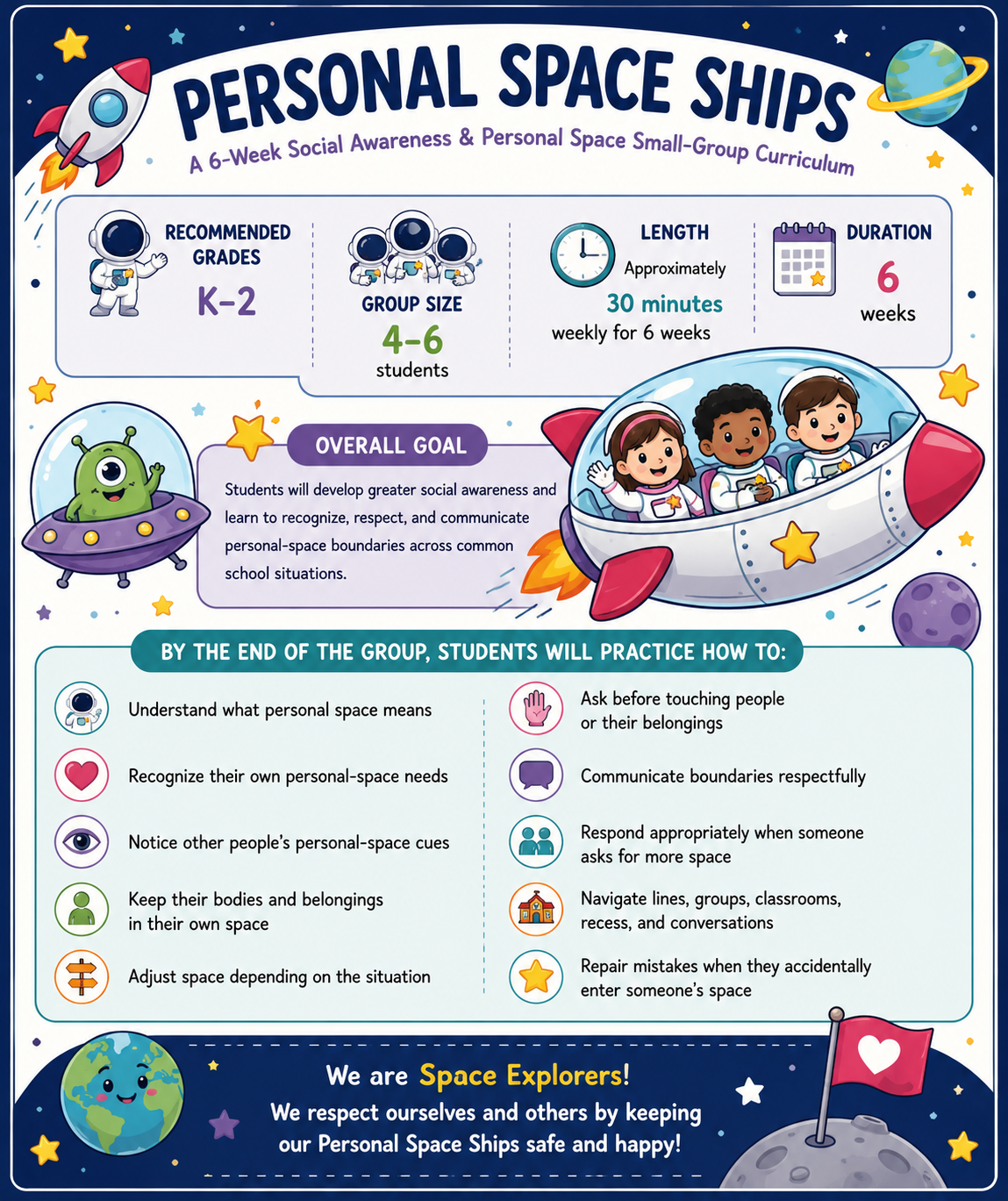
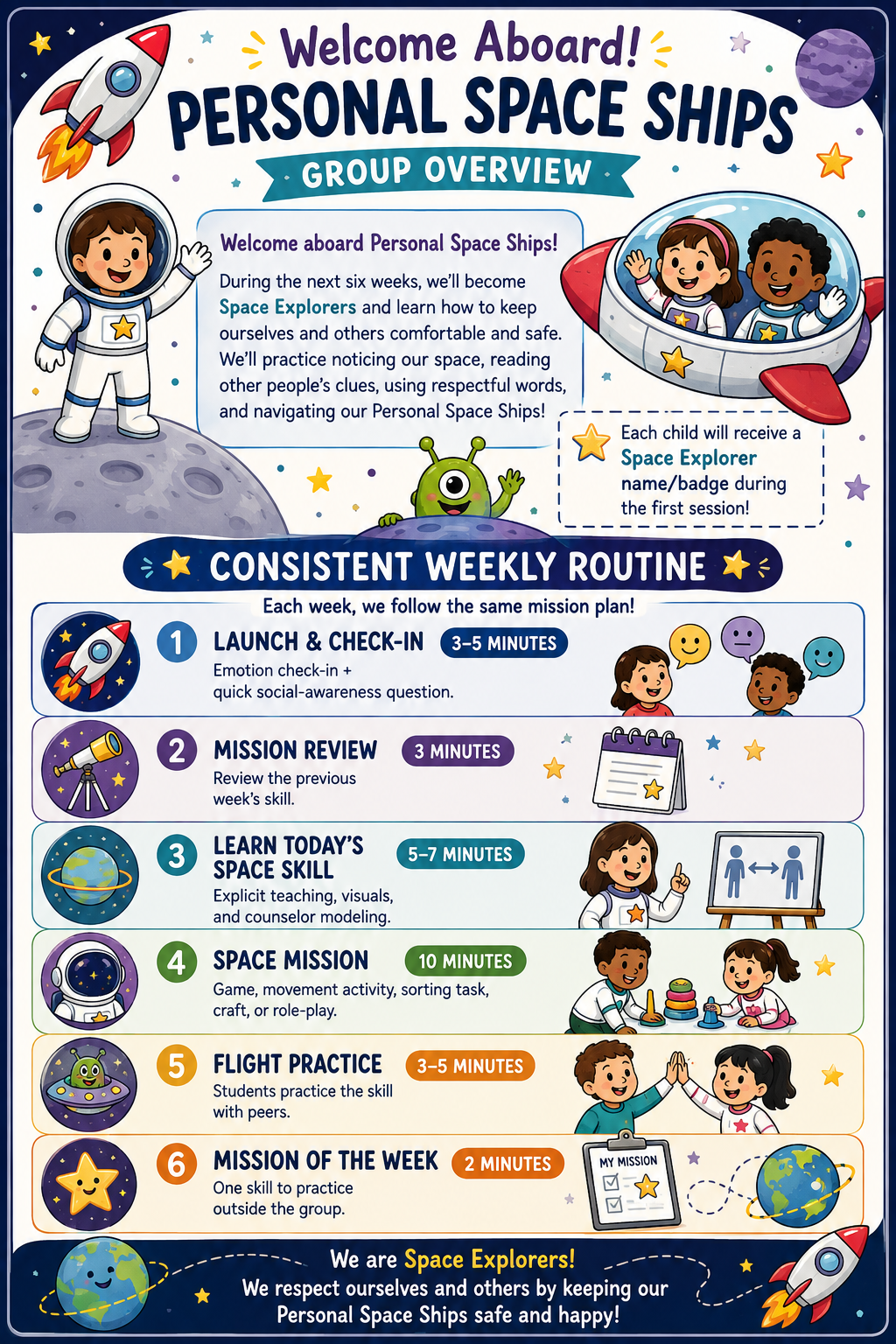
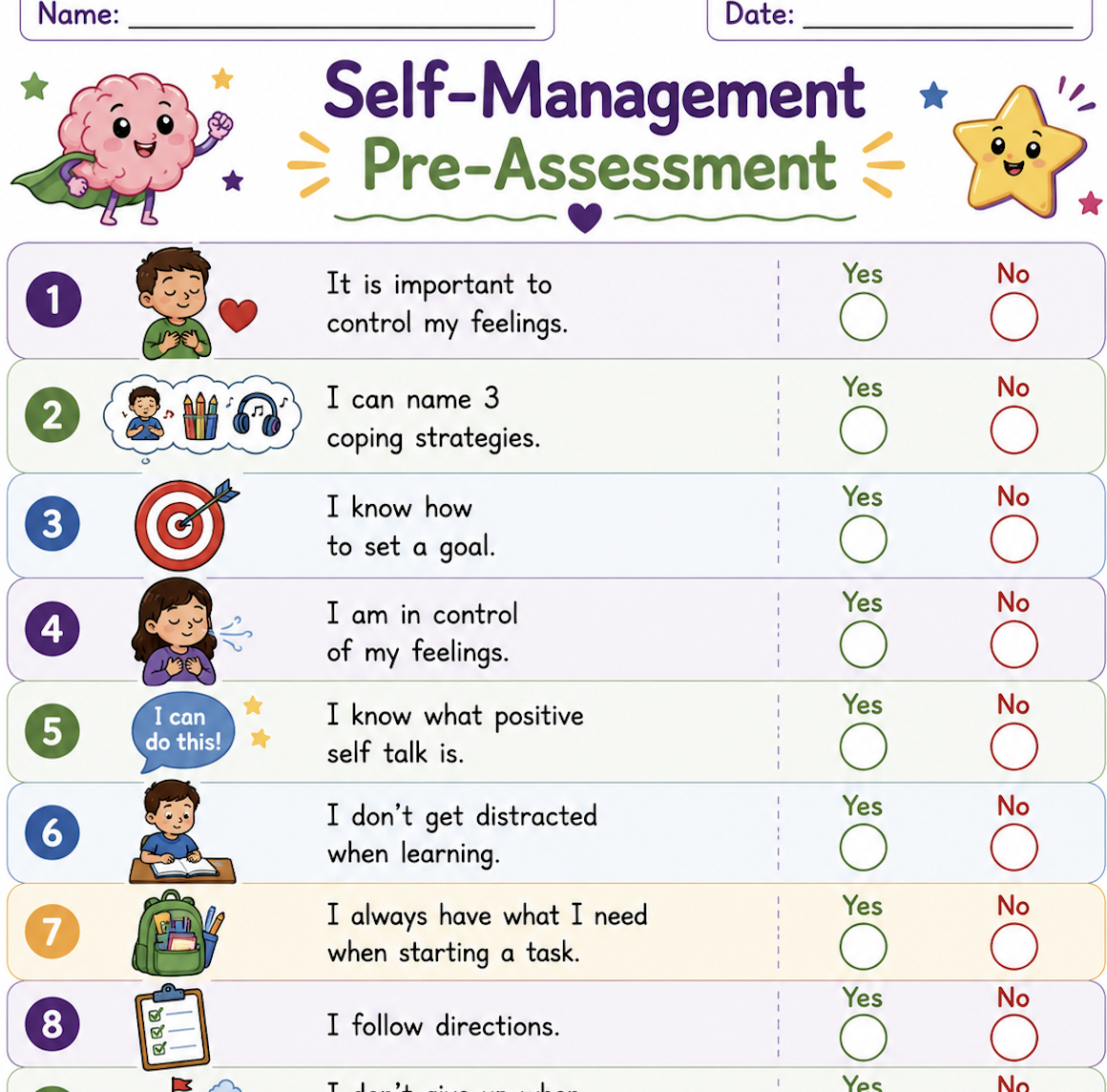
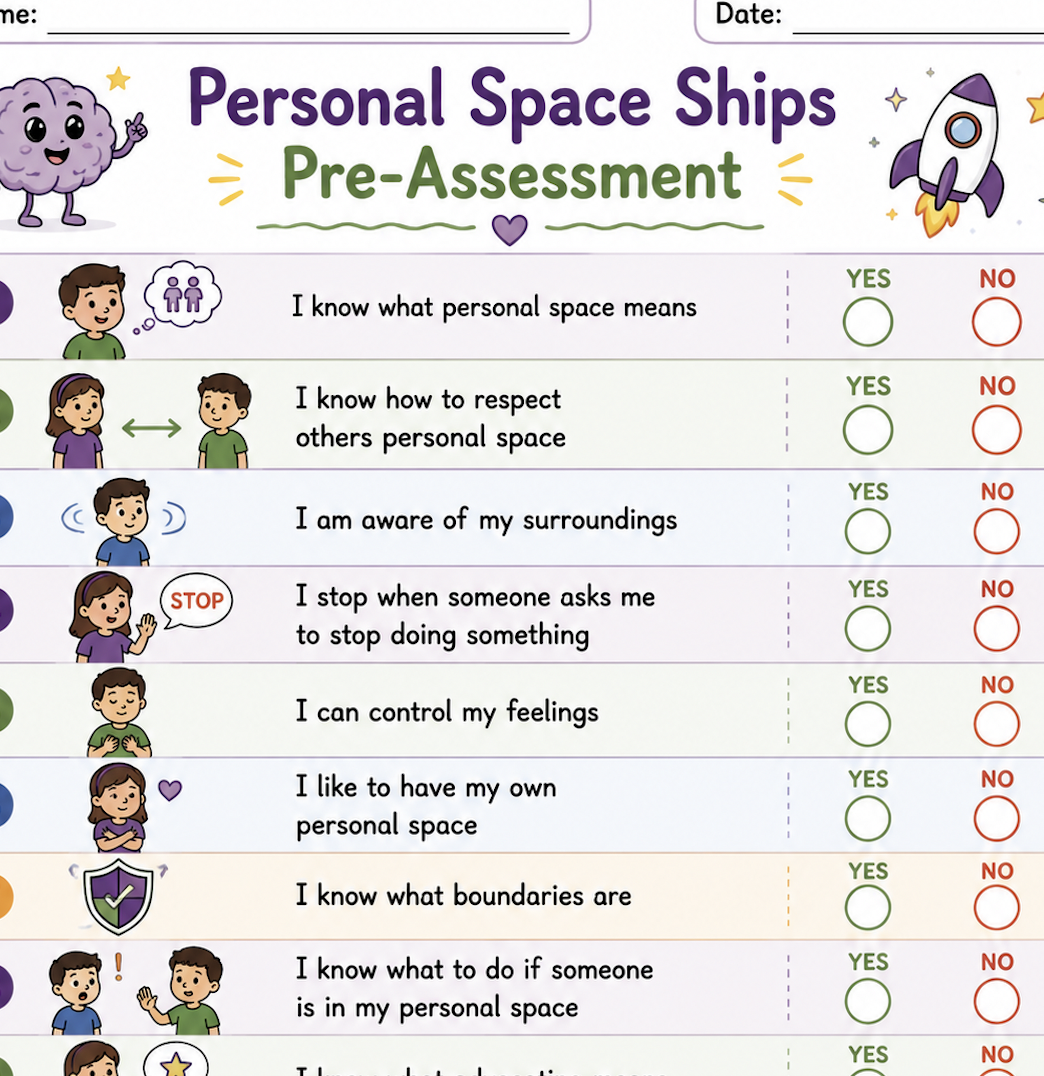
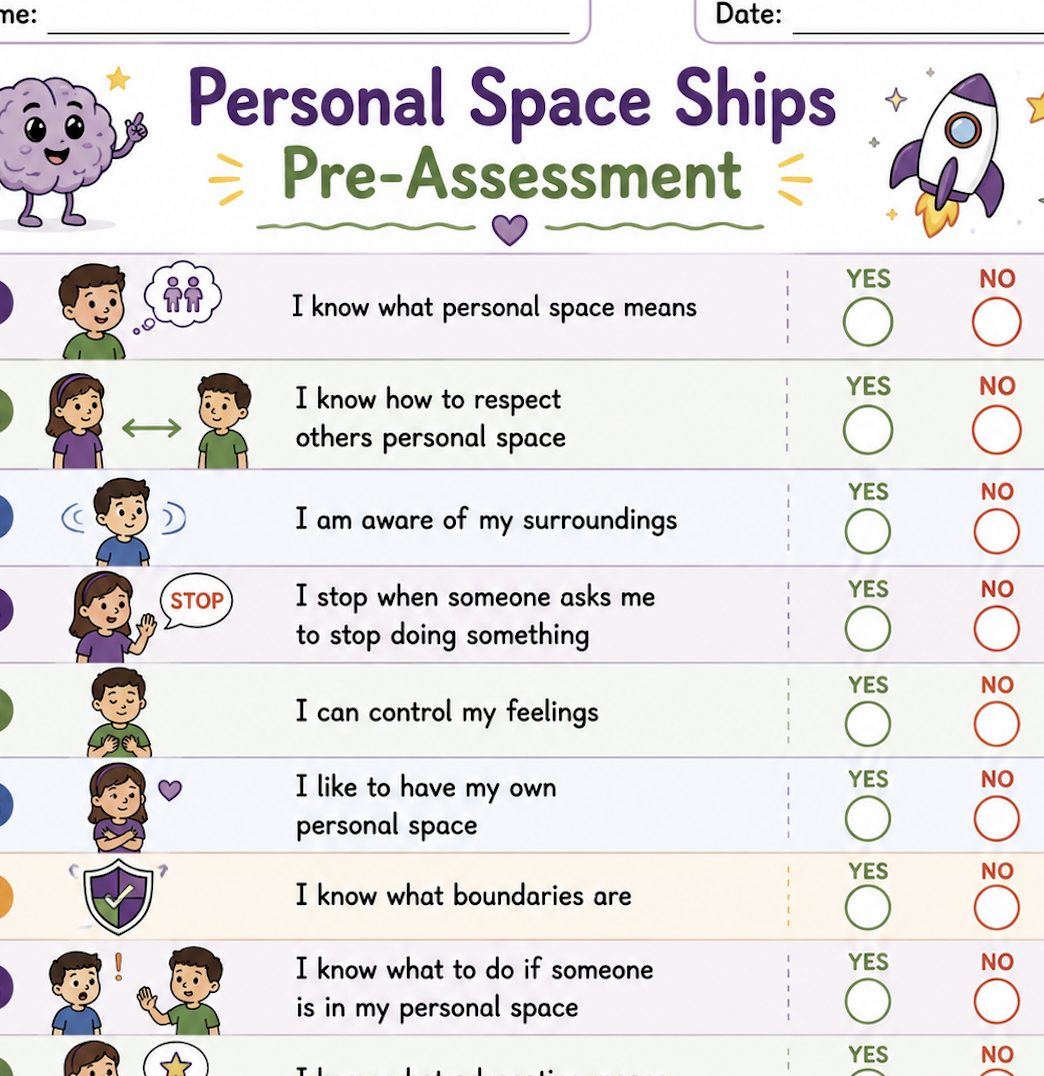
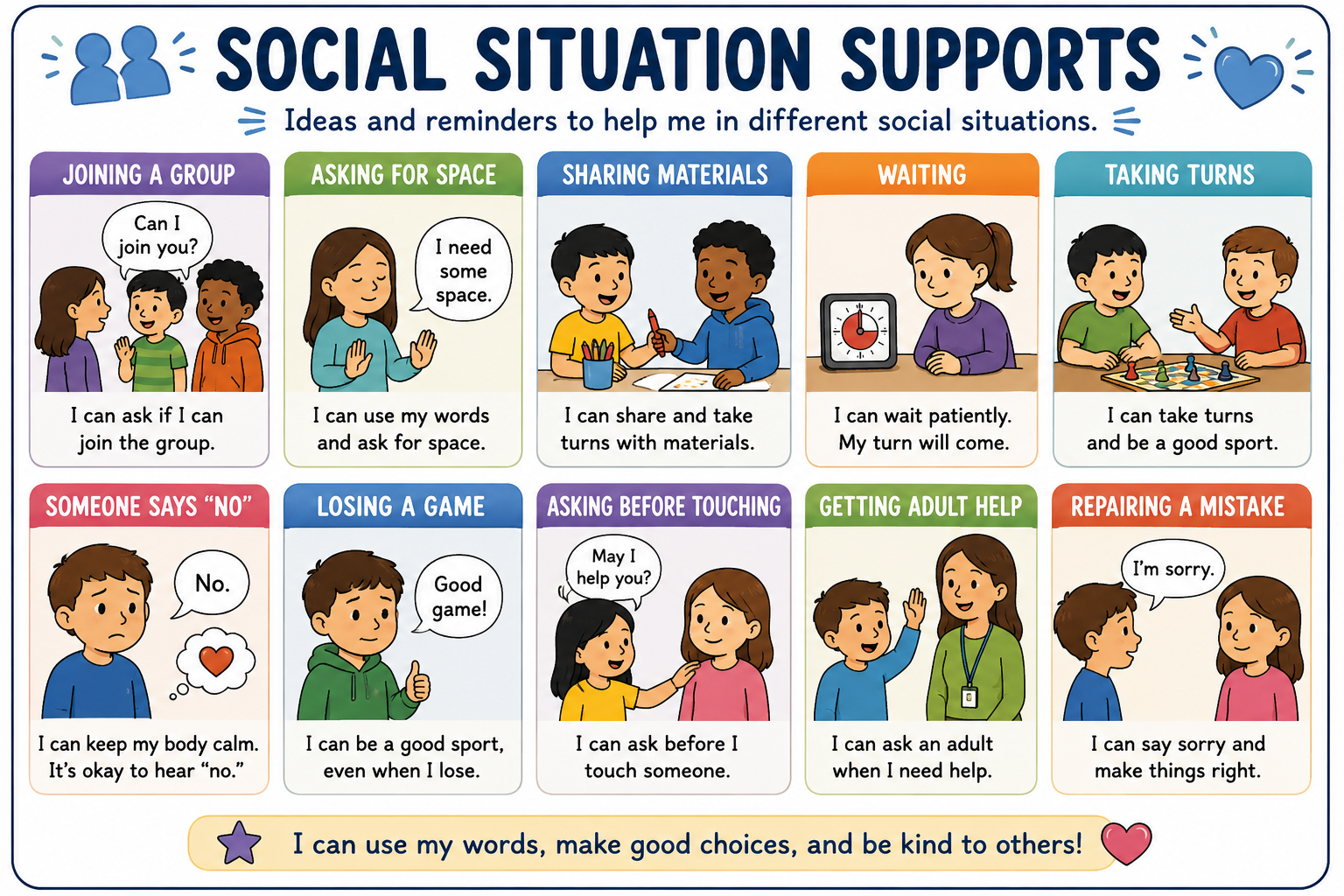
Personal Spaceships is a 6-week K–2 small-group counseling curriculum that helps students build social awareness and personal-space skills. Through engaging space-themed lessons, visuals, activities, and role-play, students practice recognizing social cues, respecting boundaries, communicating their needs, and navigating social situations confidently and respectfully. Downloadable file.
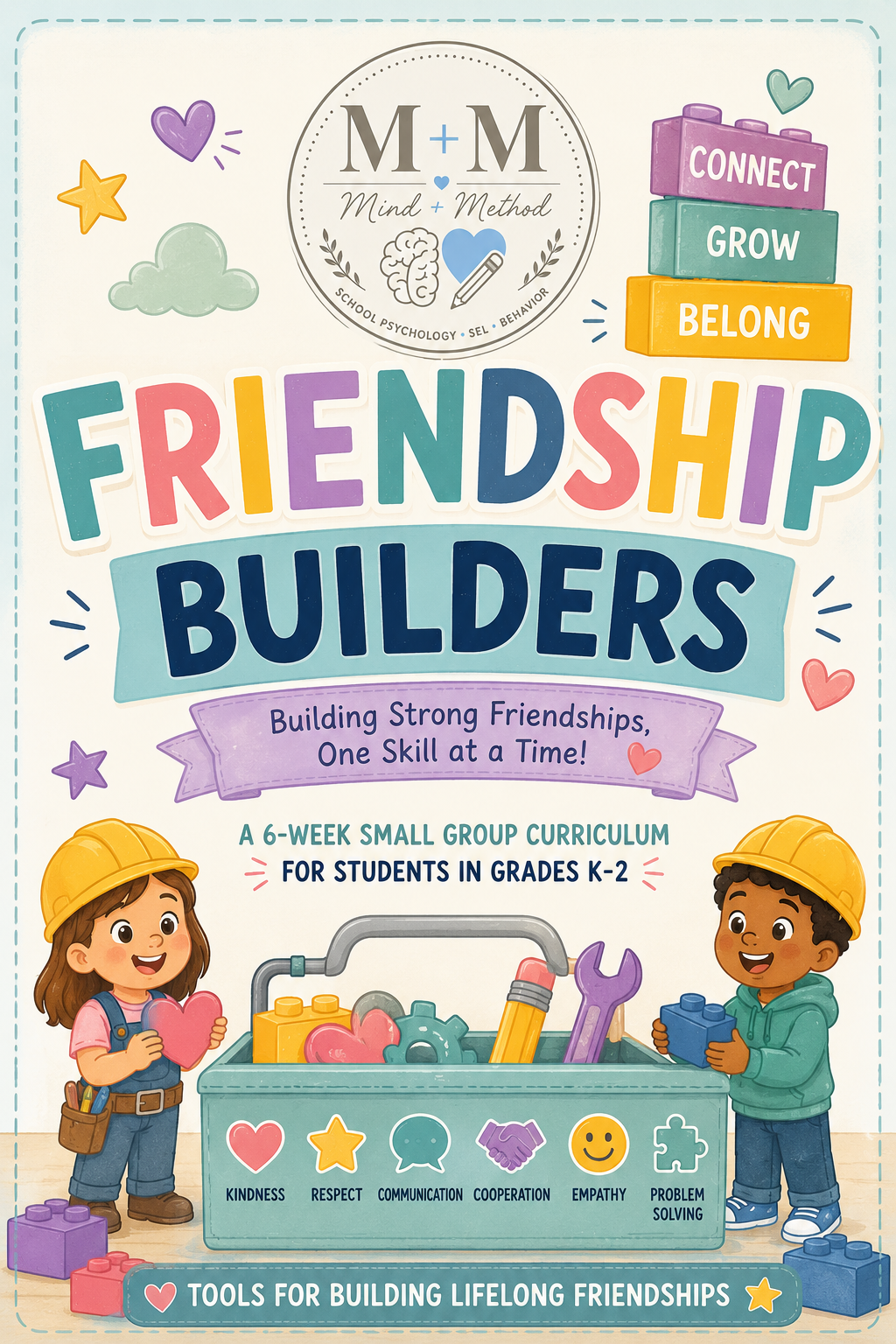
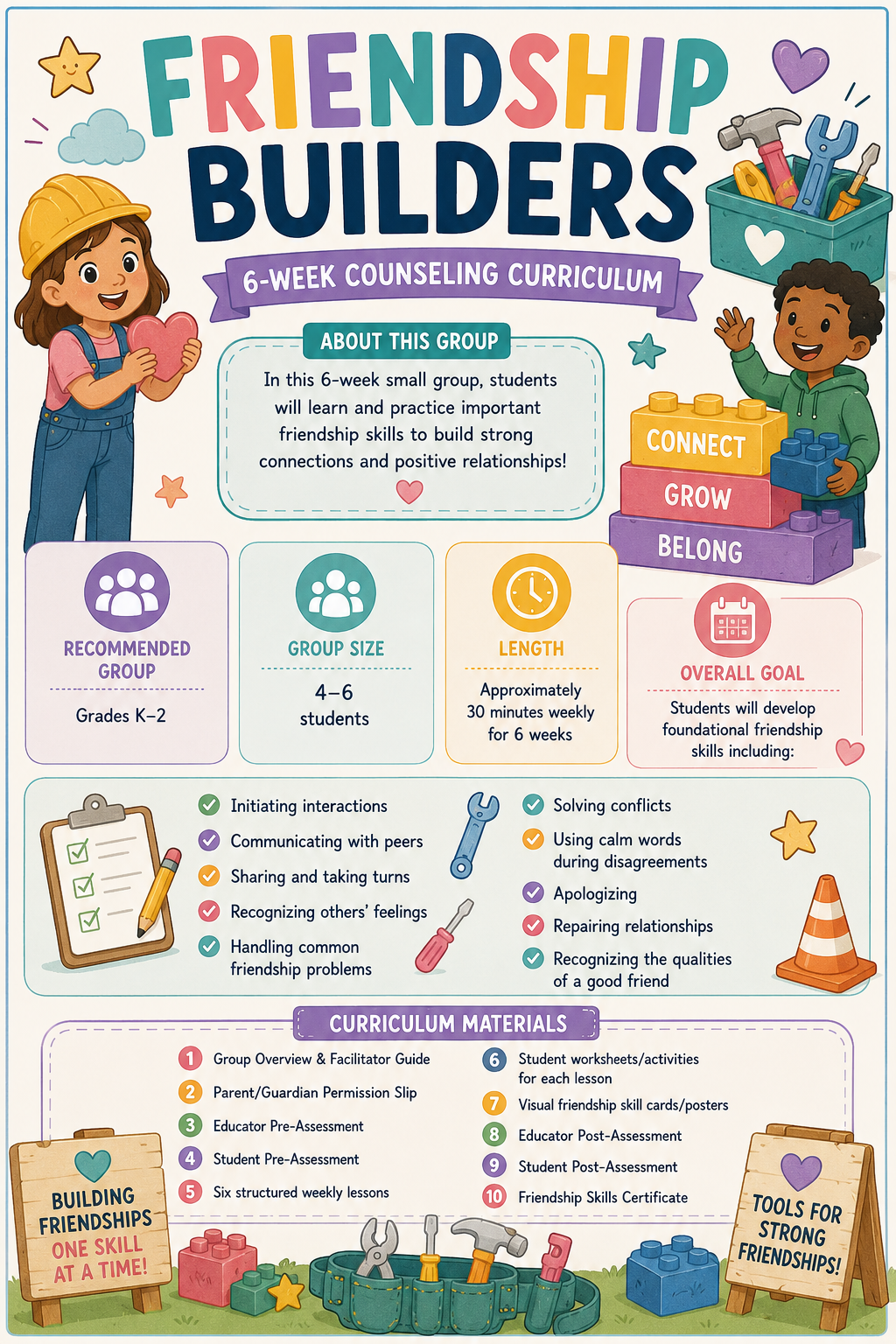
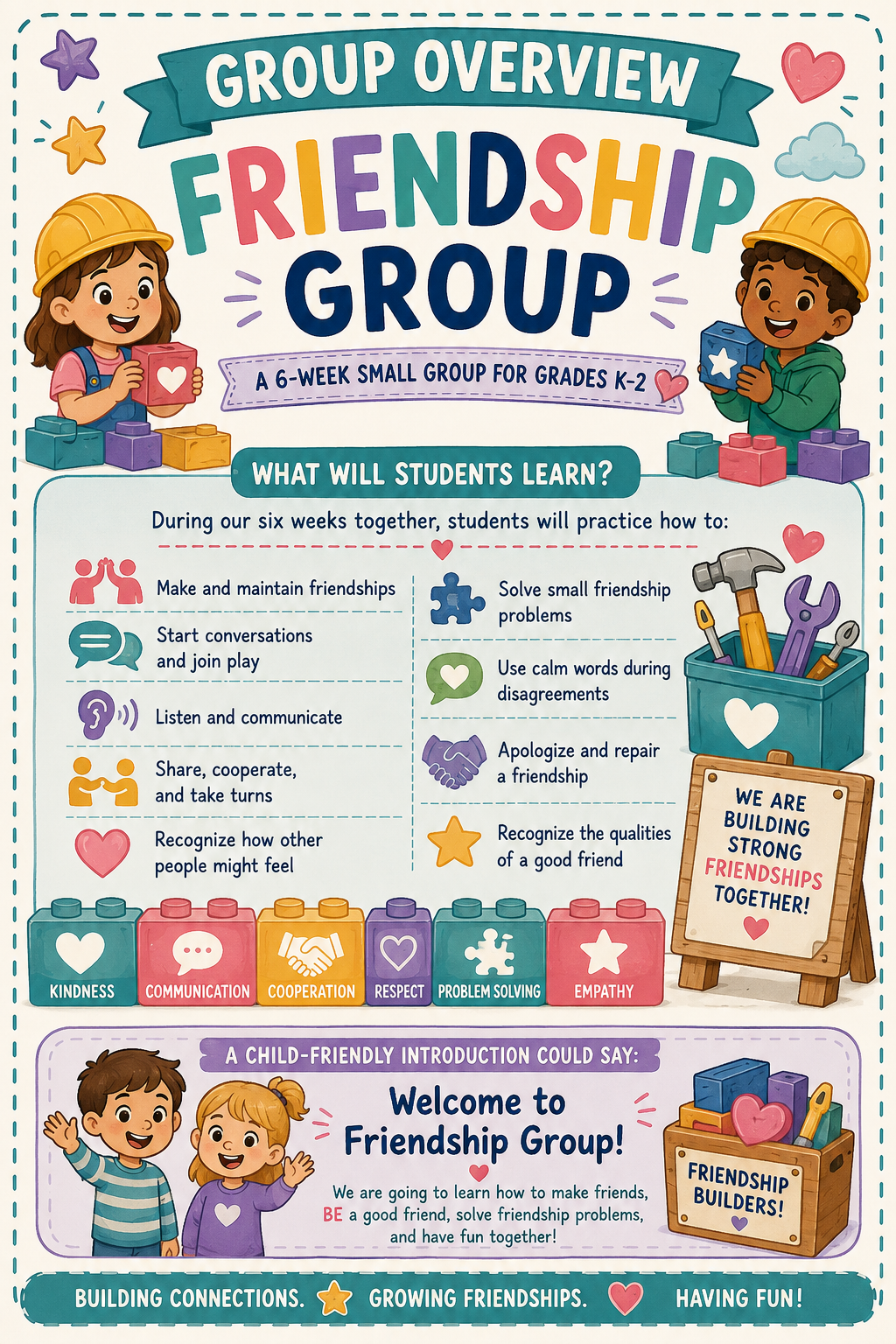
Friendship Builders is a 6-week small-group counseling curriculum for students in grades K–2. Through engaging lessons, visuals, role-play, and hands-on activities, students build essential skills in communication, empathy, cooperation, conflict resolution, and creating healthy friendships.
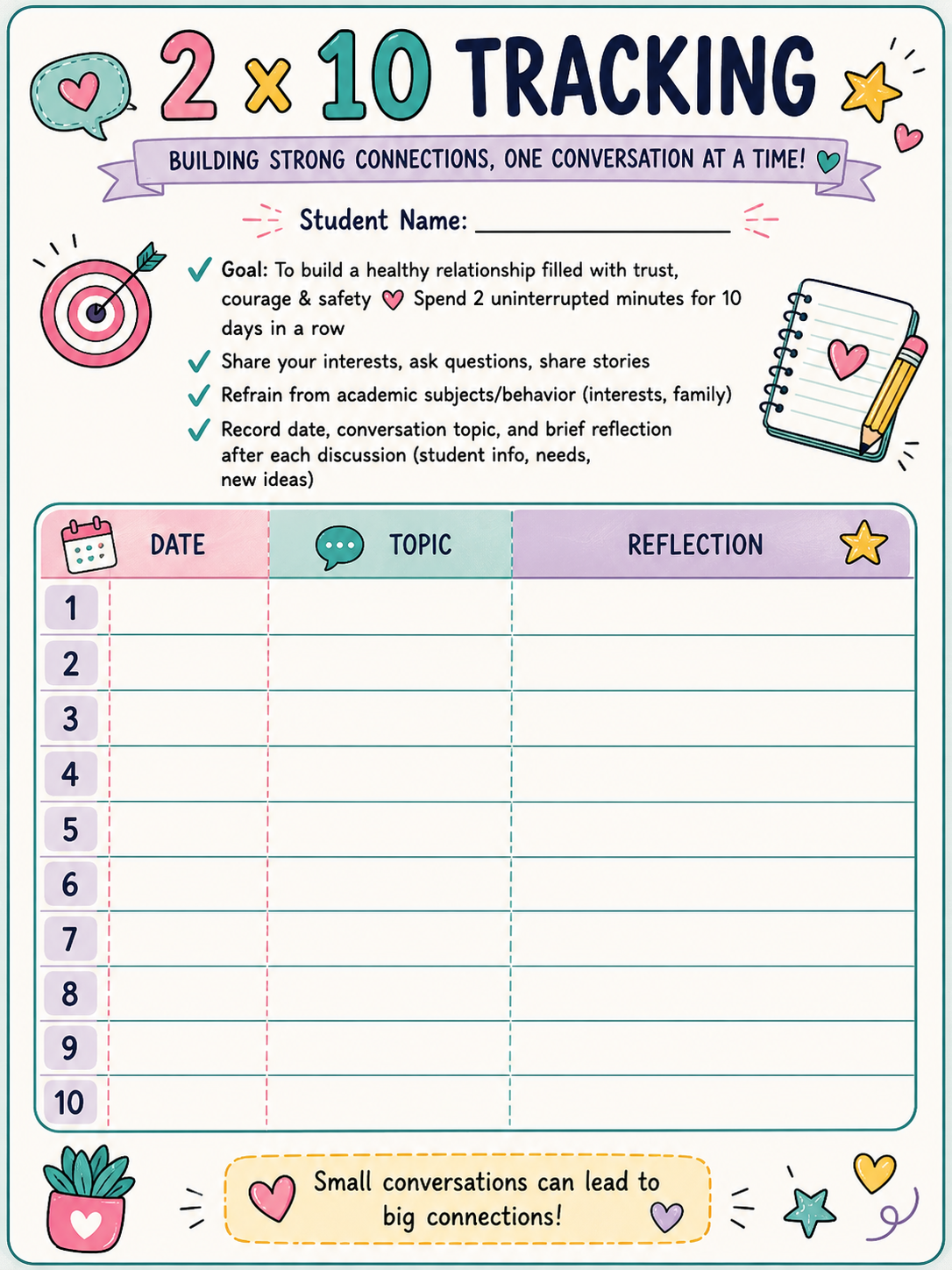
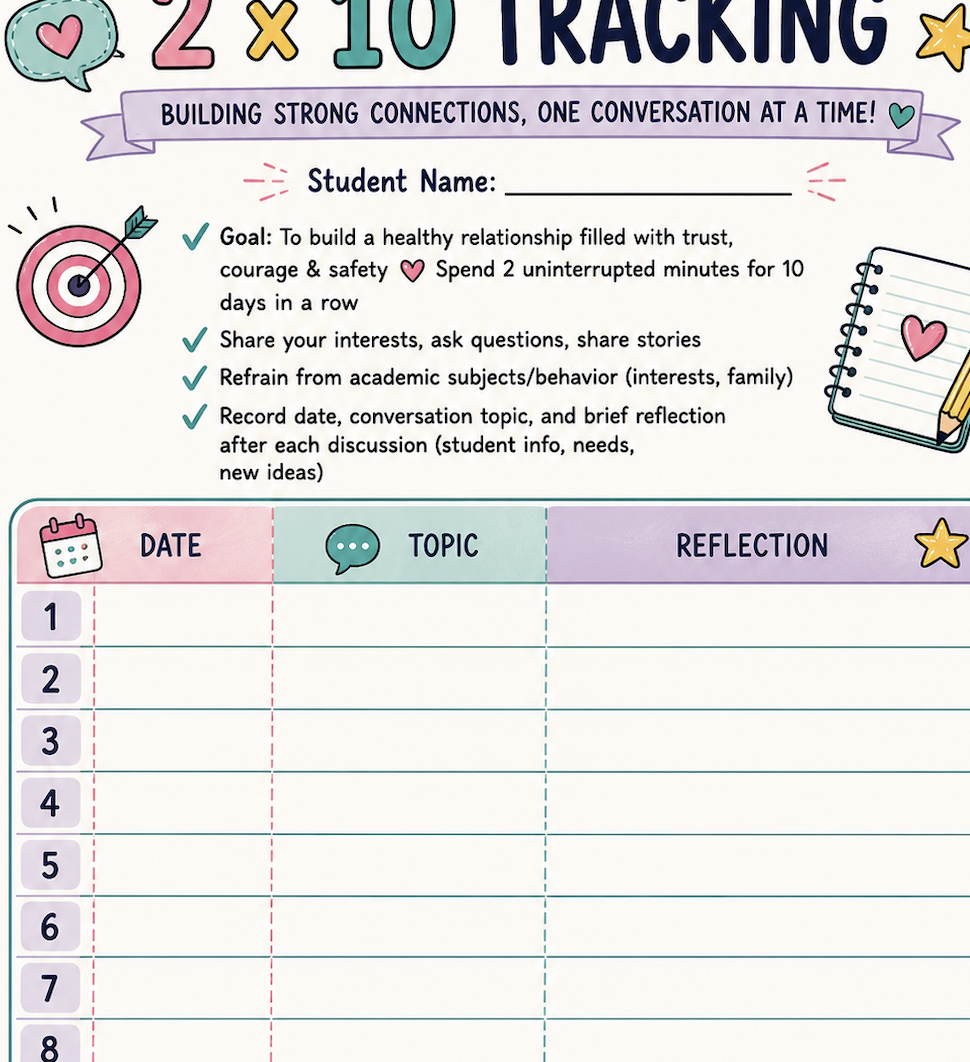
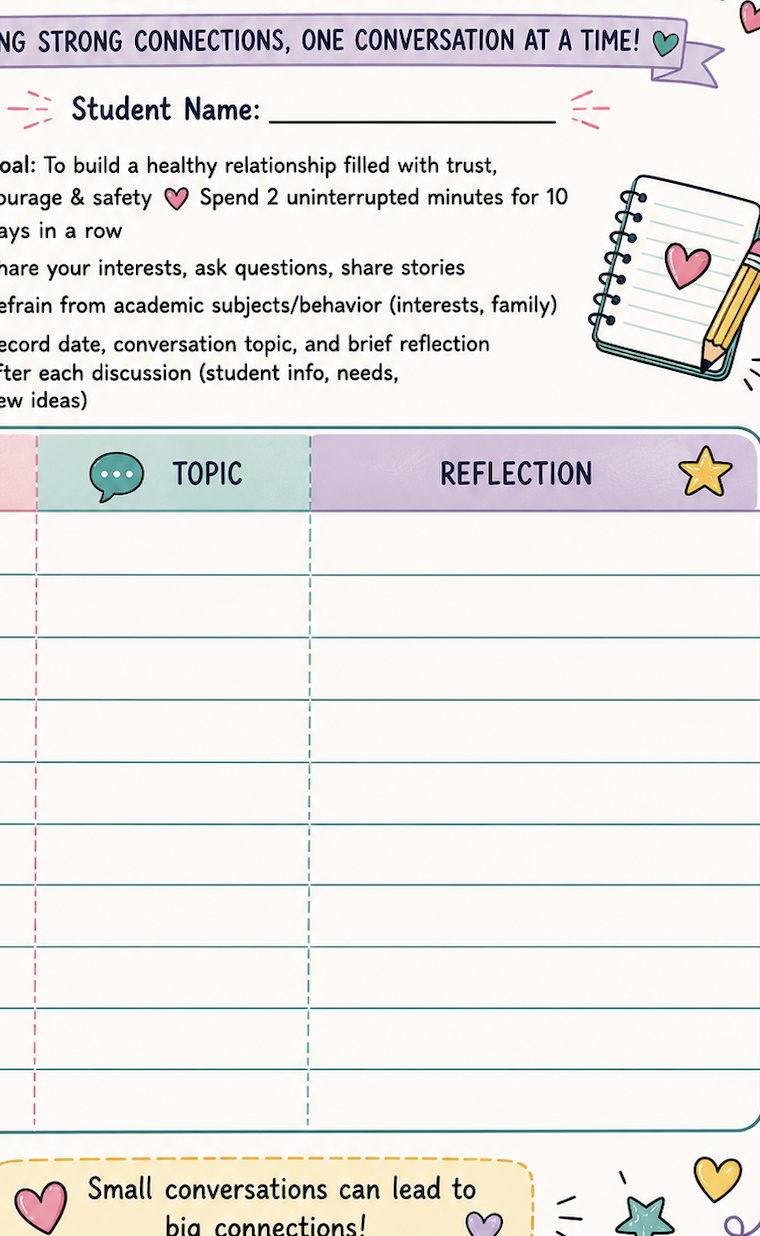
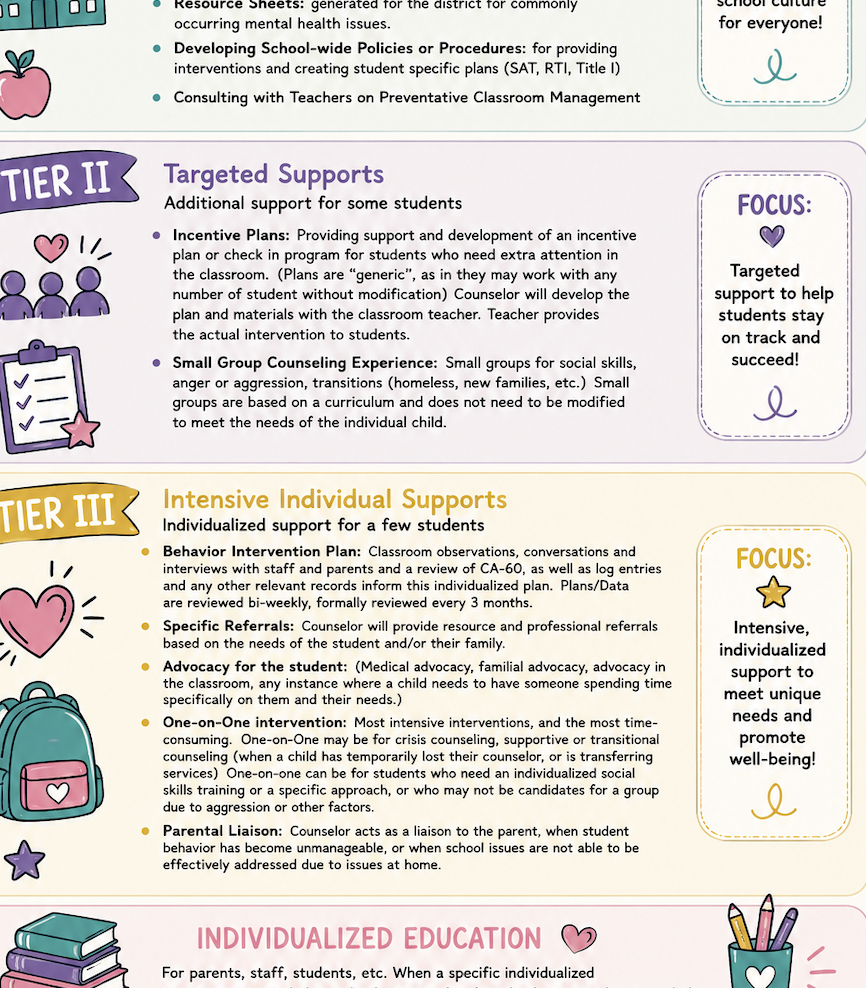
Downloadable PDF tracking sheet for educators to use when relationship building with students. This simple 2×10 intervention allows for educators to spend 2 minutes for 10 days building a relationship with their student(s) and this tracking sheet can help collect the necessary data
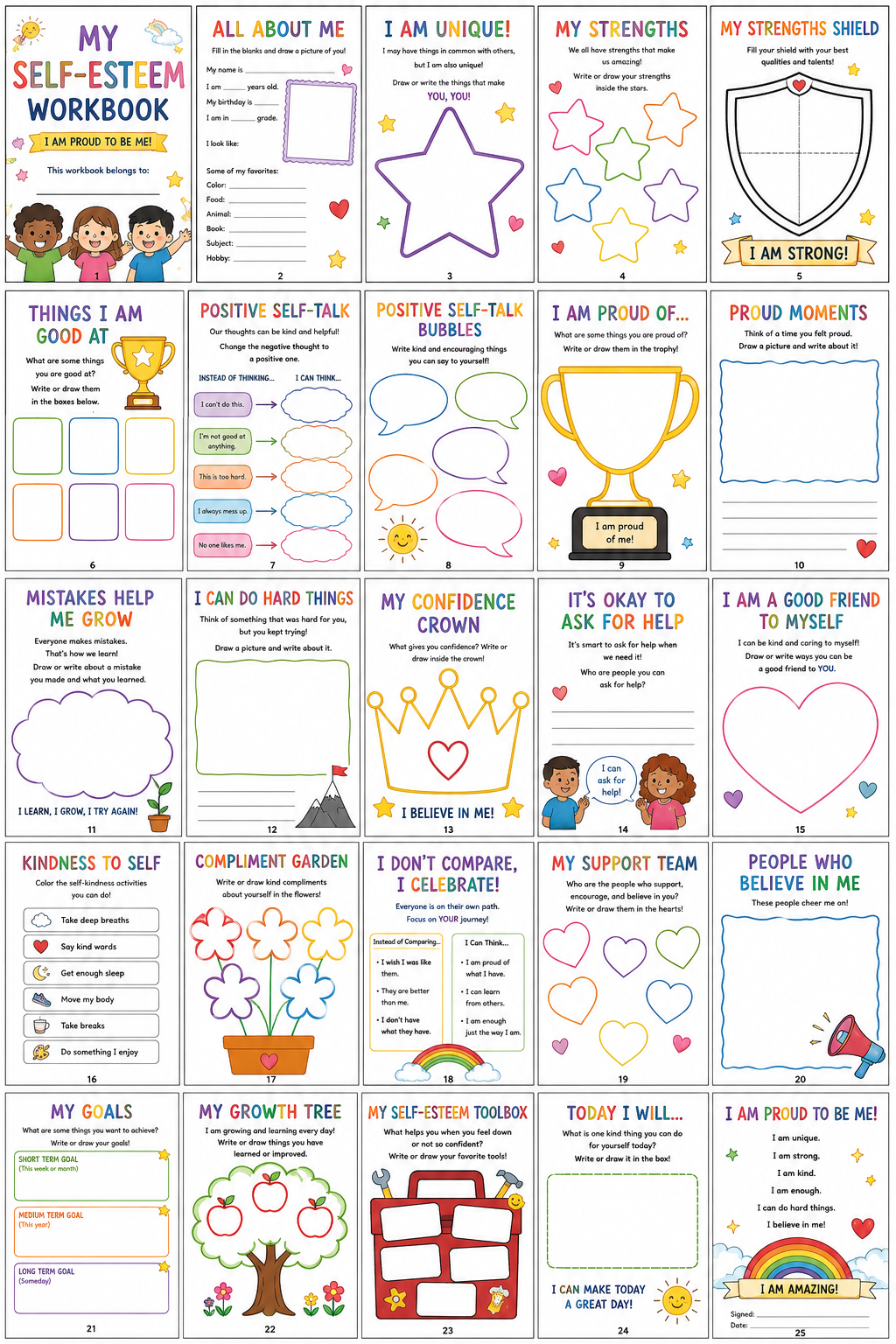
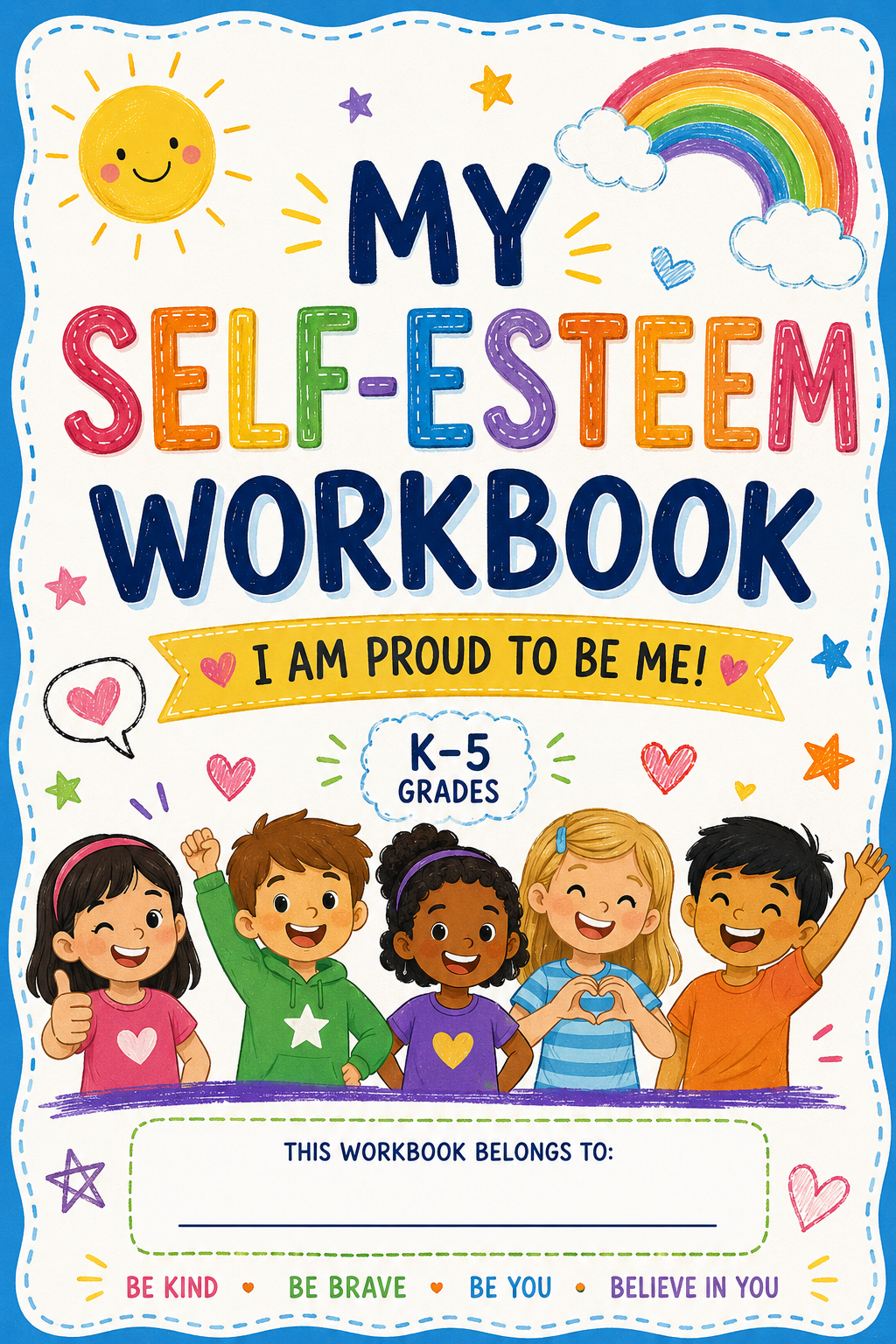
BUNDLE! Downloadable file K–5 Self-Esteem Workbook Bundle includes 21 engaging, kid-friendly worksheets designed to build confidence, positive self-talk, self-awareness, resilience, kindness, and a growth mindset. Colorful activities encourage students to recognize their strengths, celebrate progress, set goals, embrace mistakes, and feel proud of who they are.
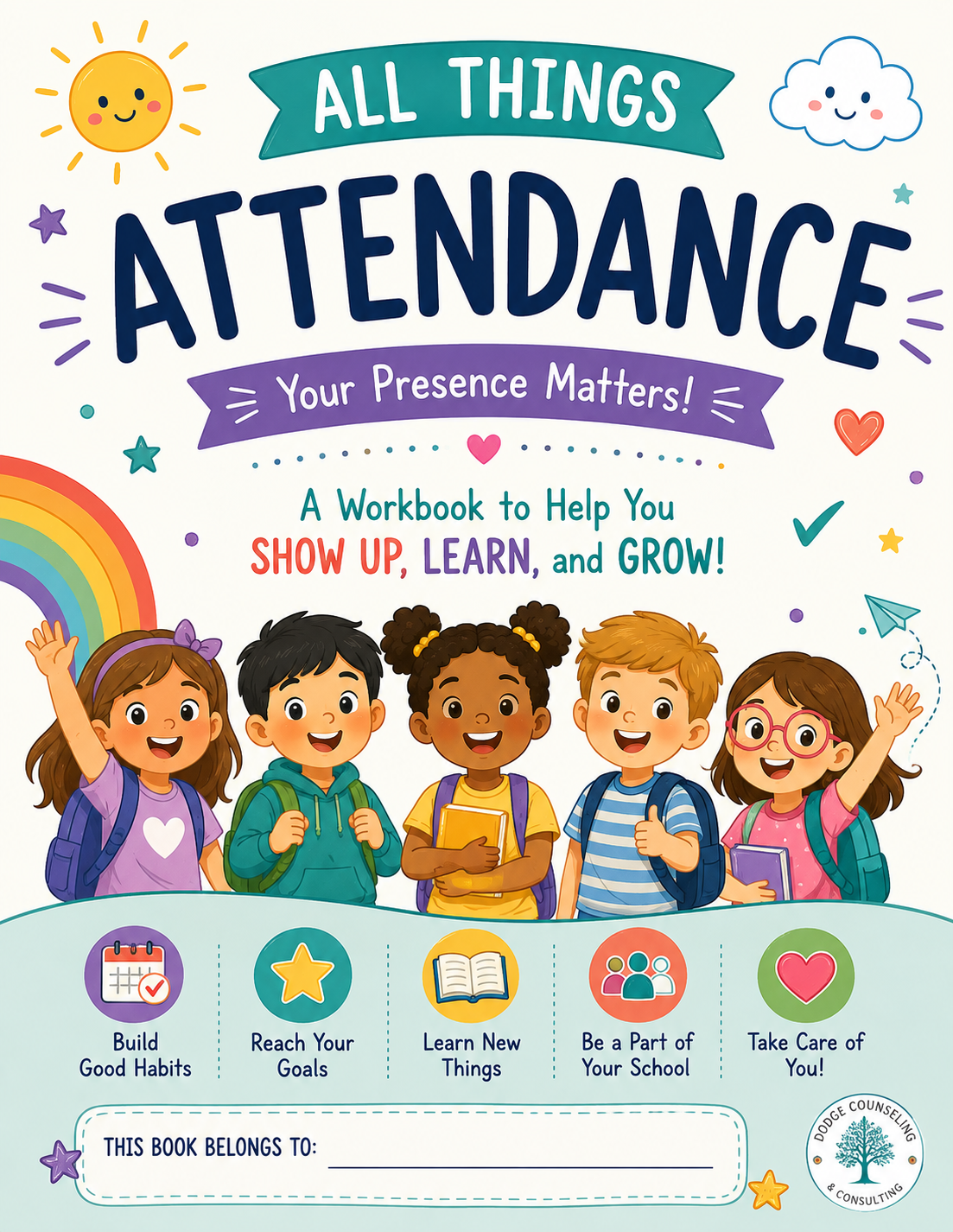
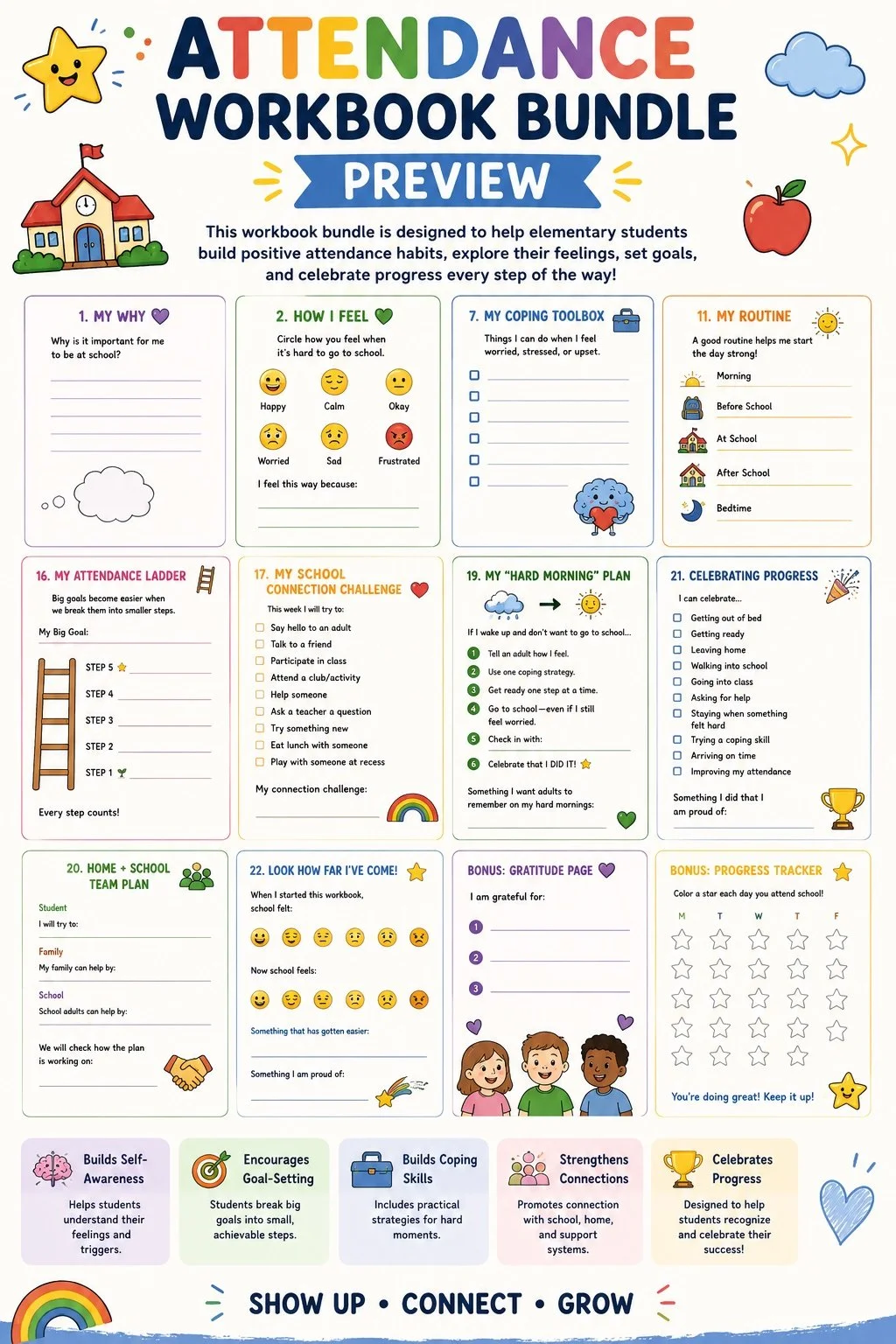
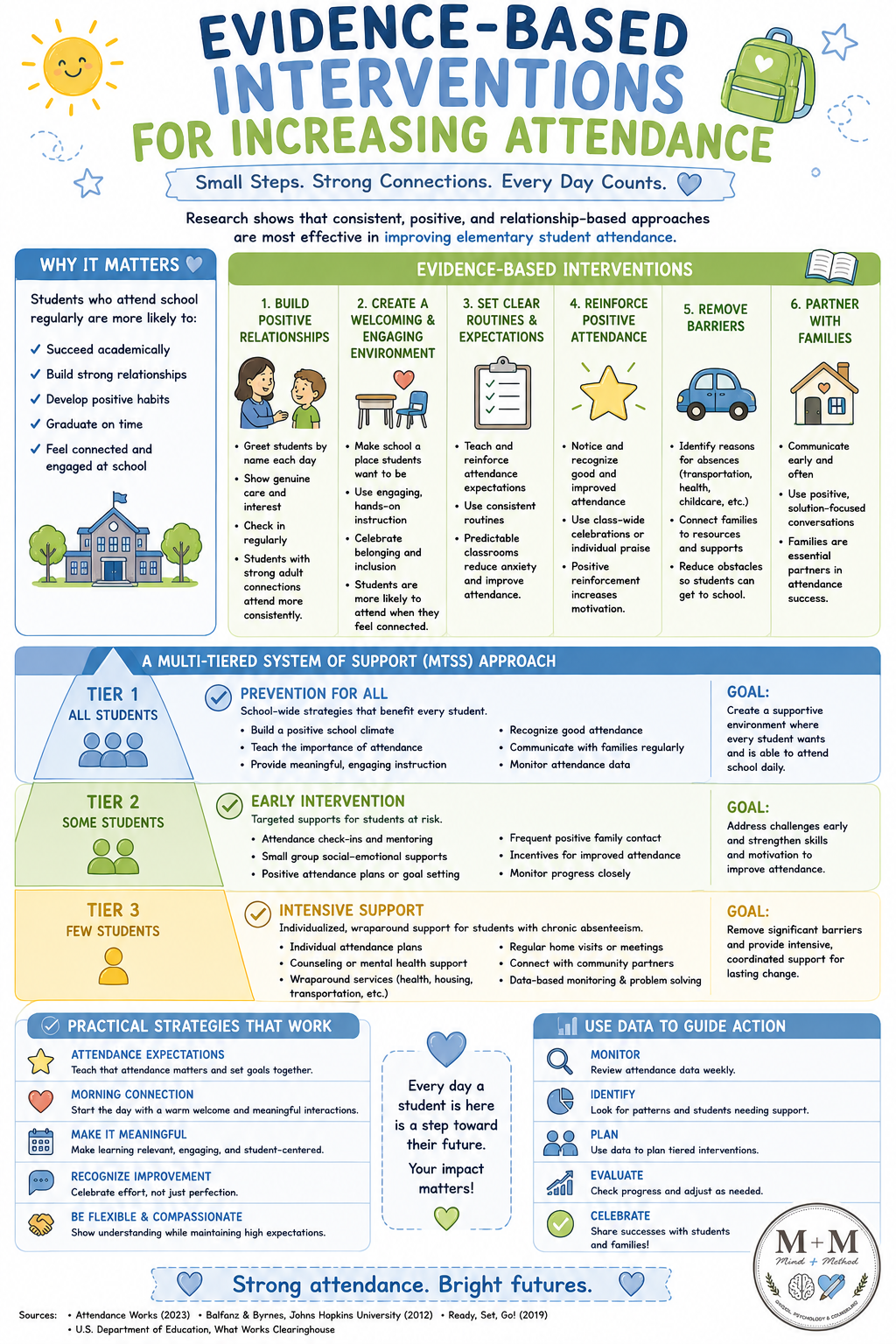
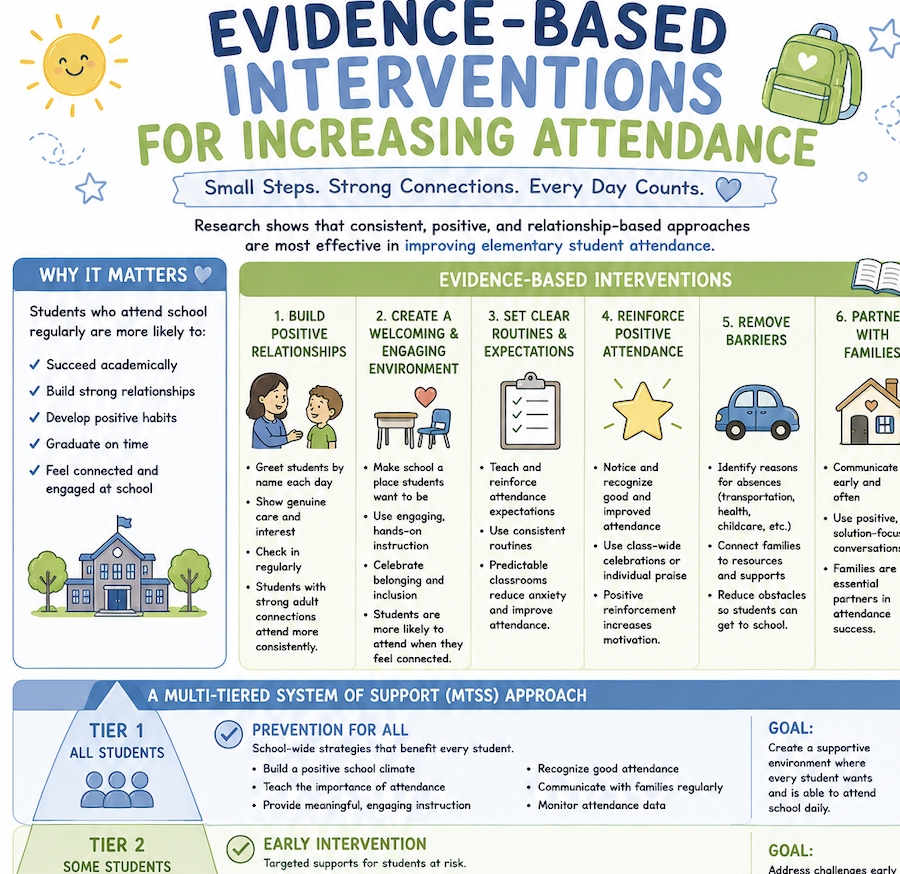
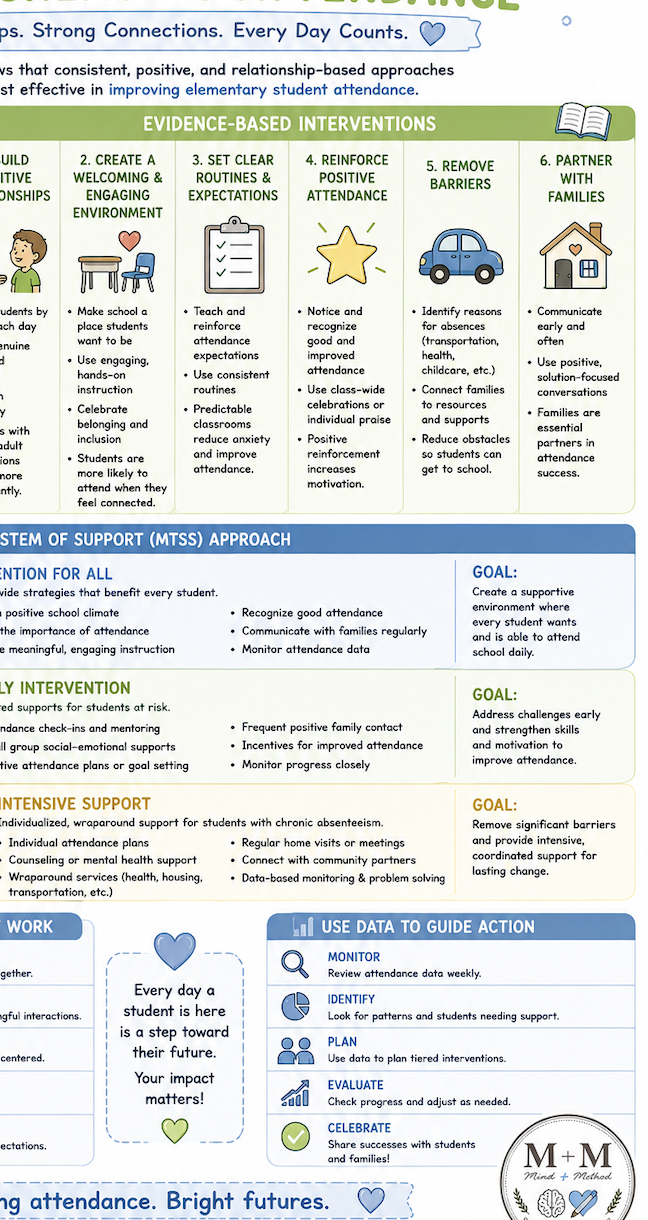
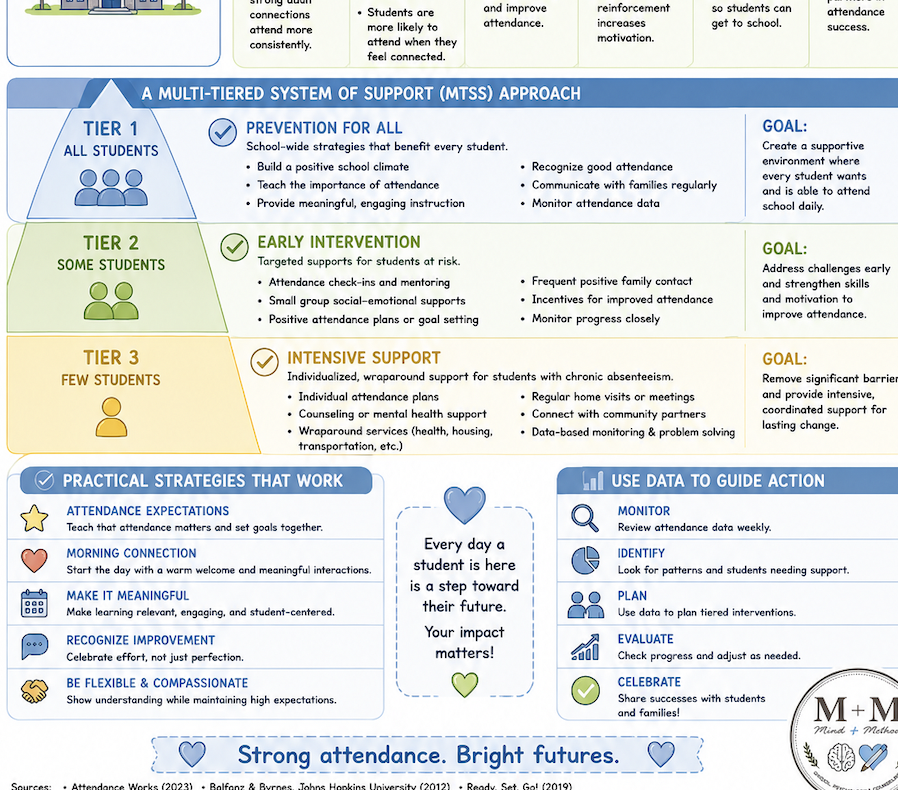
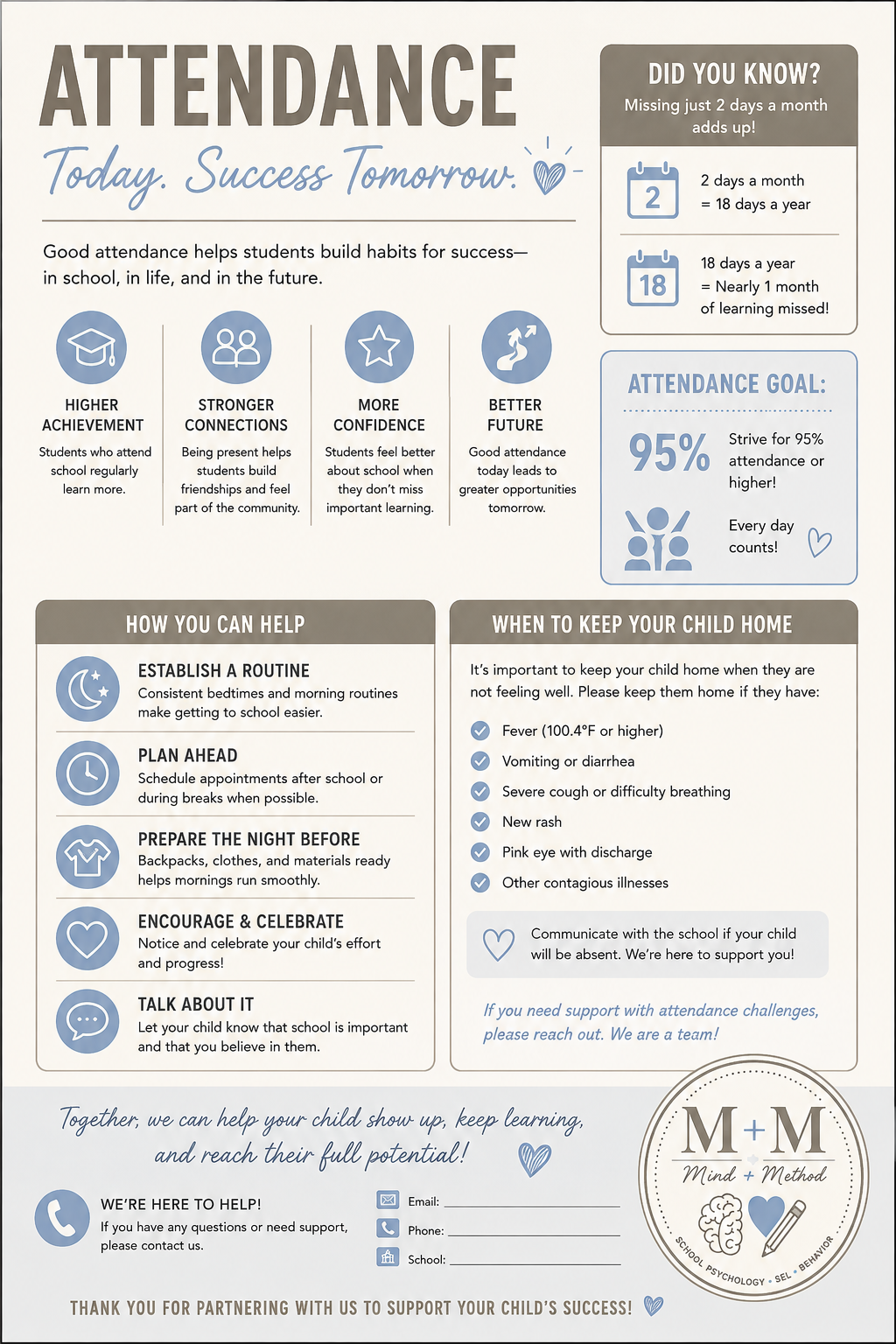
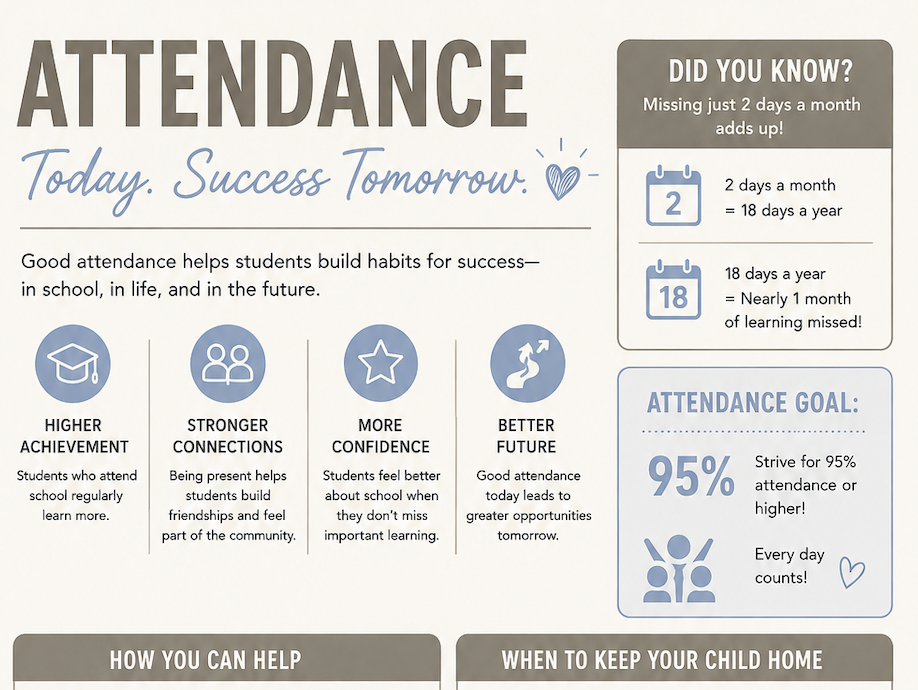
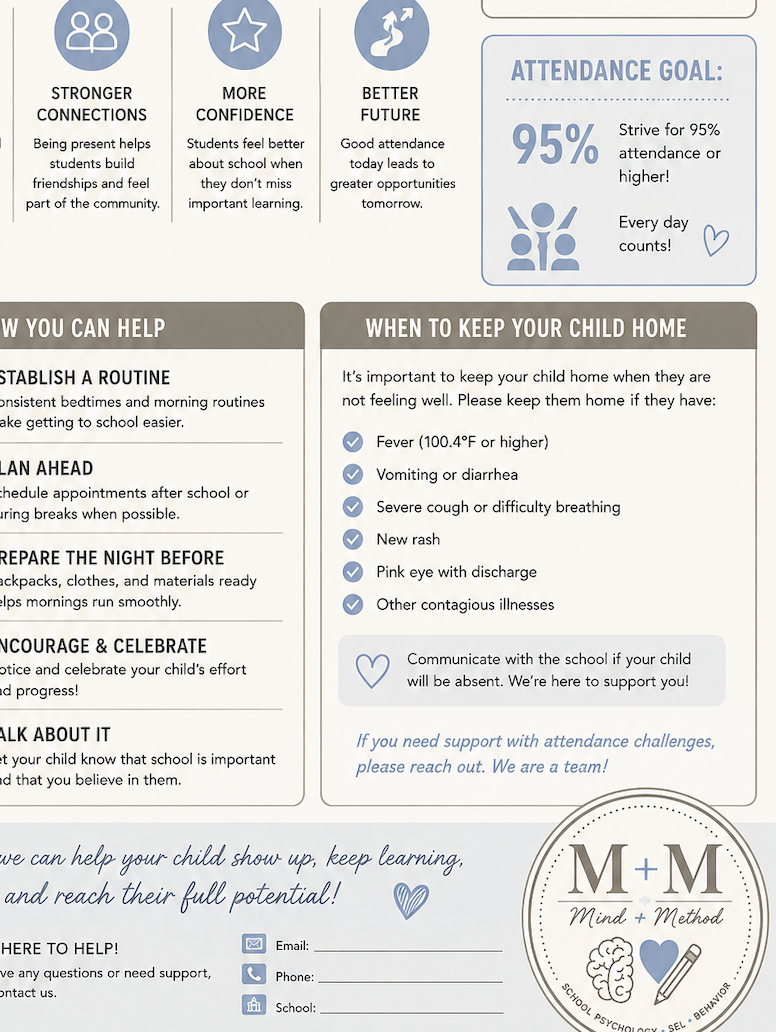
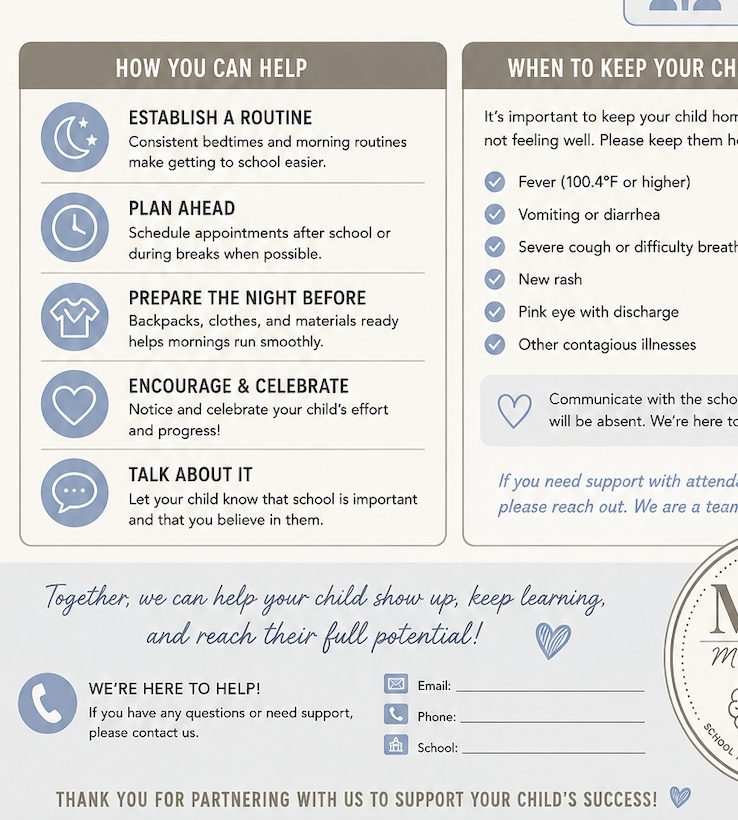
BUNDLE! Downloadable file that is a student-friendly Attendance Workbook Bundle designed to help elementary students explore barriers to school attendance, identify emotions and supports, build coping skills and routines, set attendance goals, and celebrate progress. Perfect for school counselors, social workers, and other school-based mental health professionals supporting students with attendance concerns. The full bundle has 23 worksheets included.
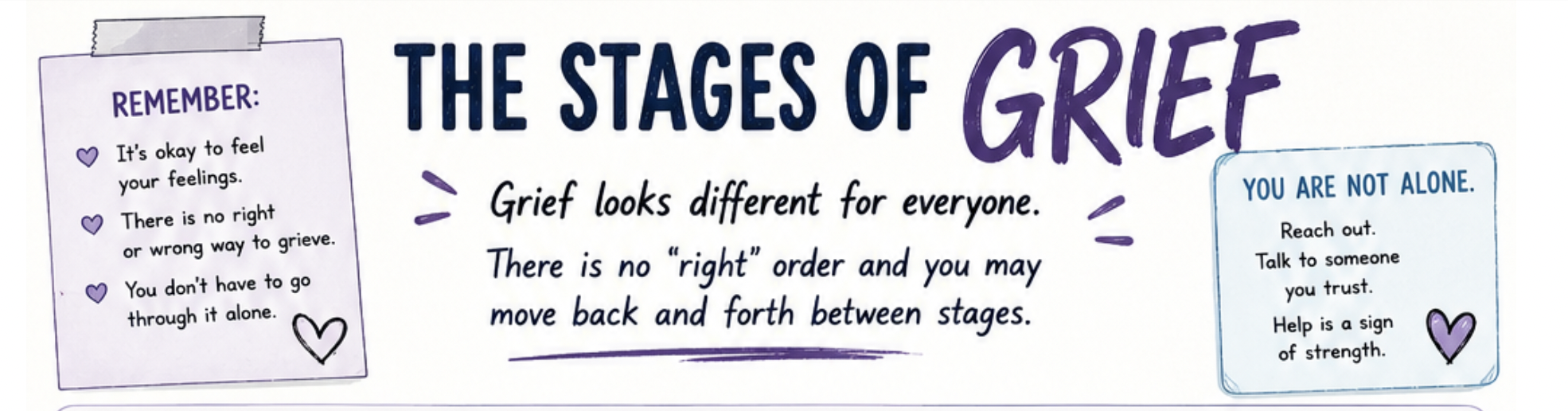
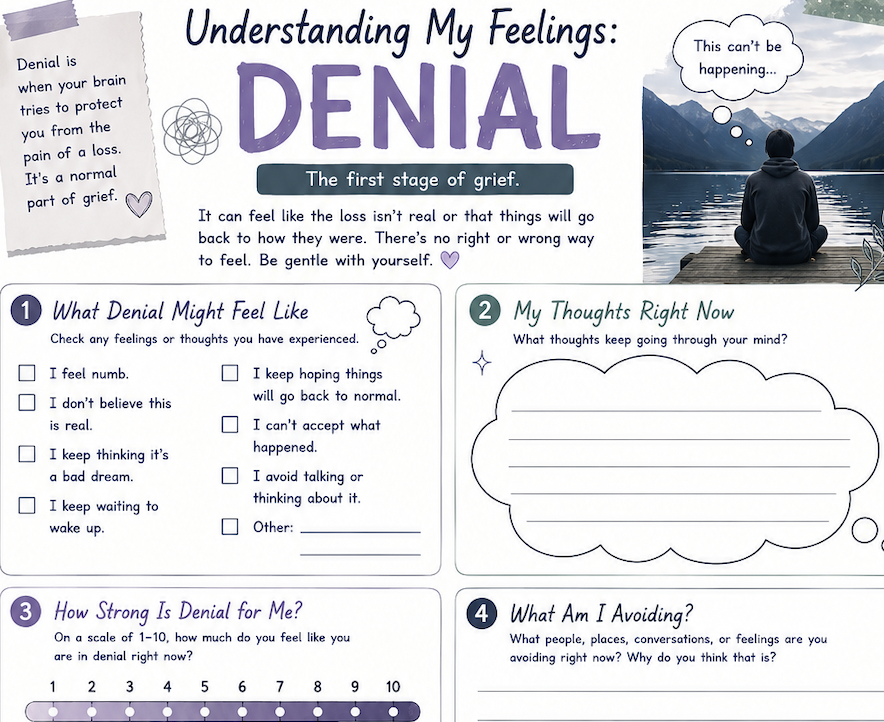
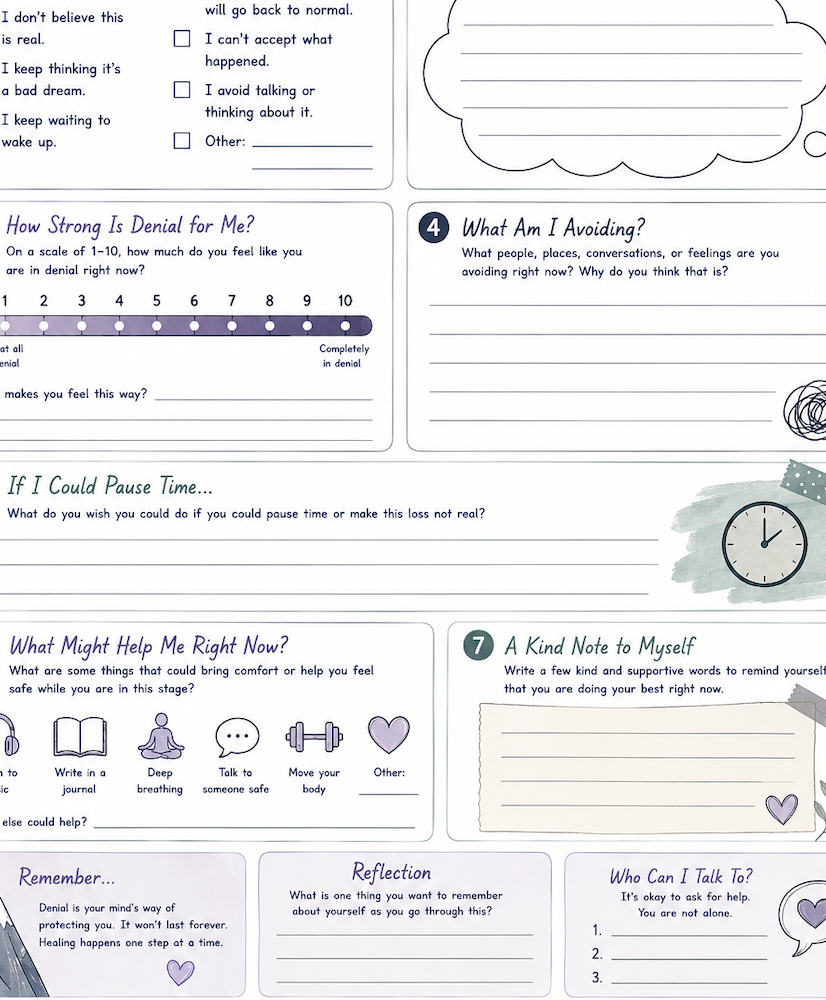
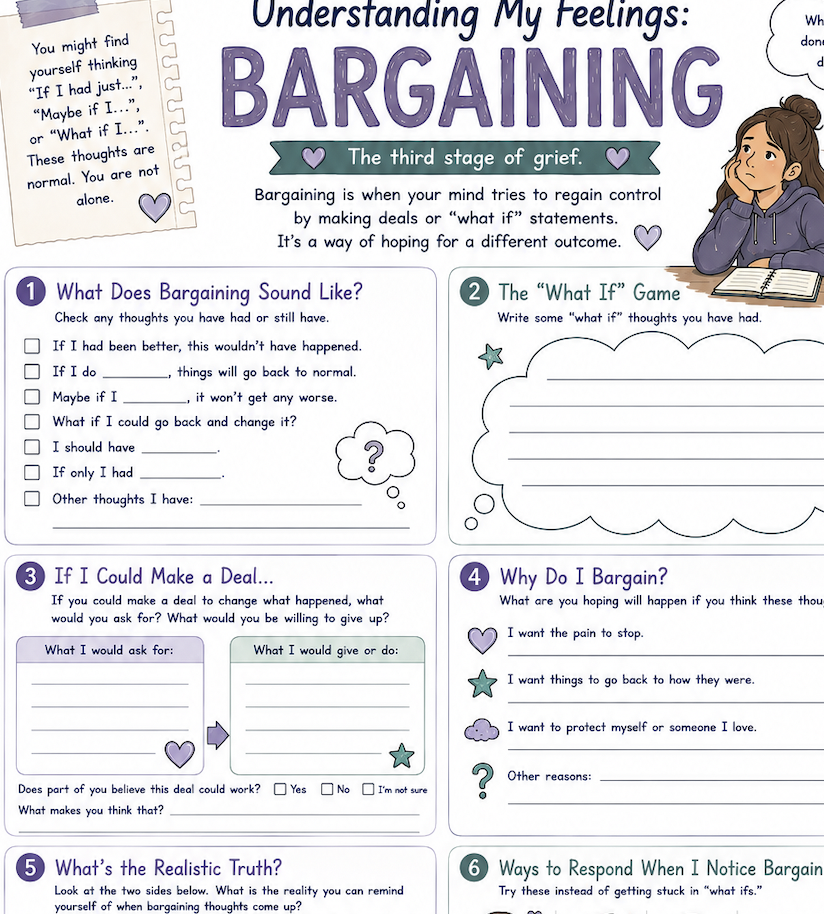
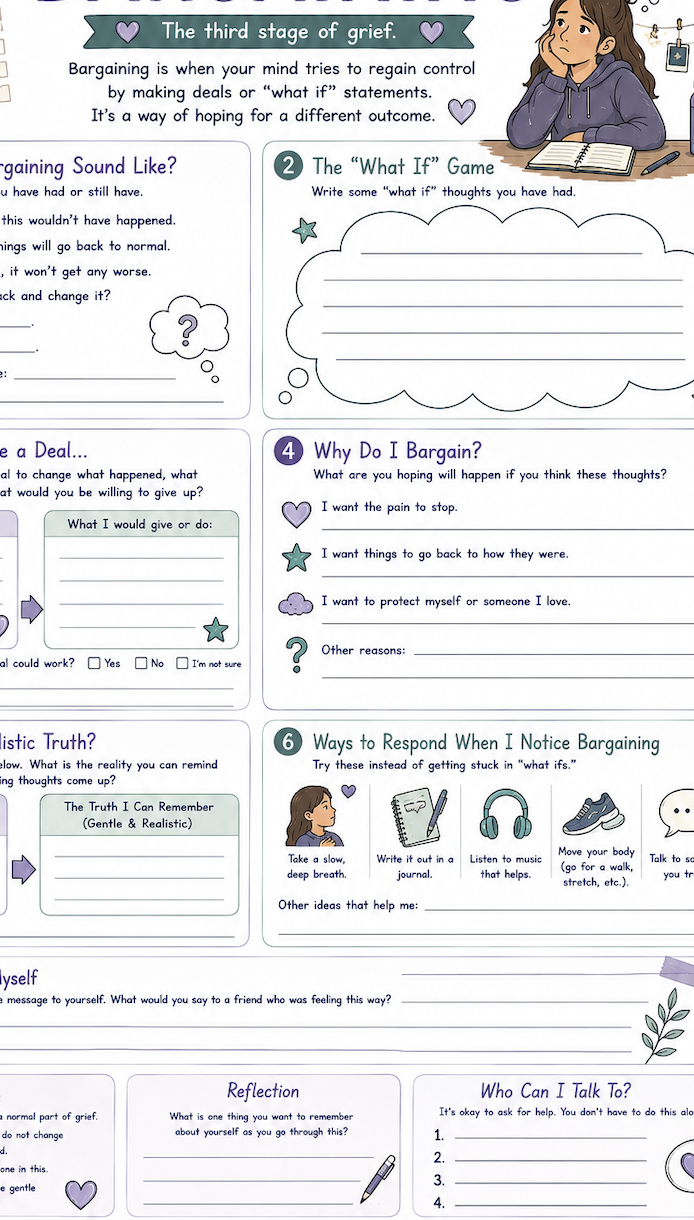
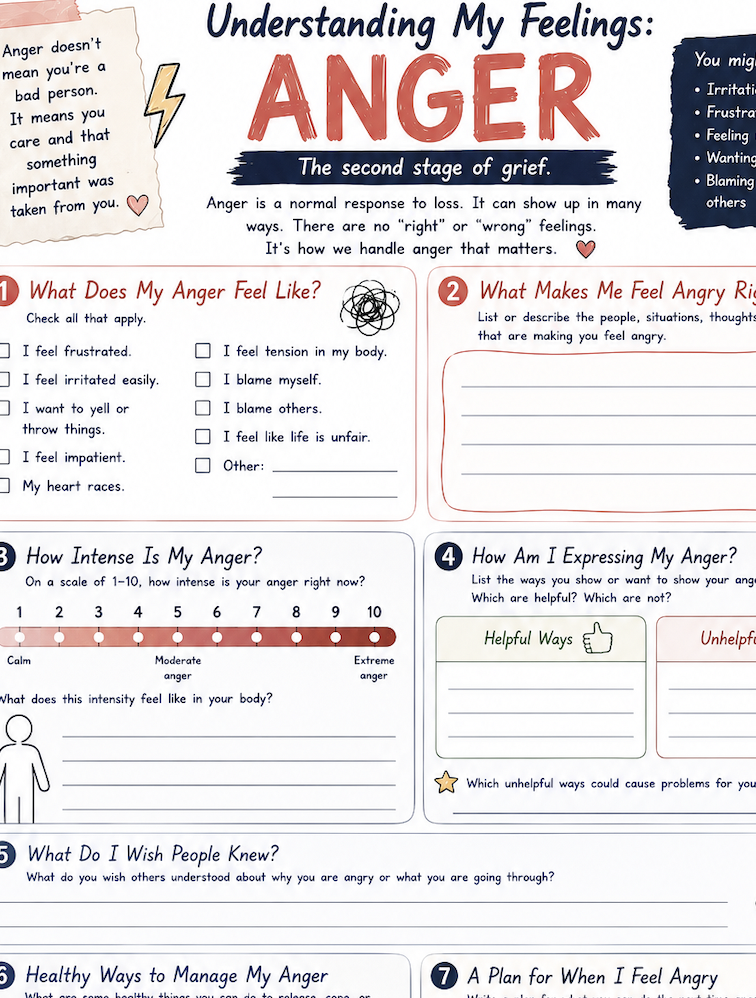
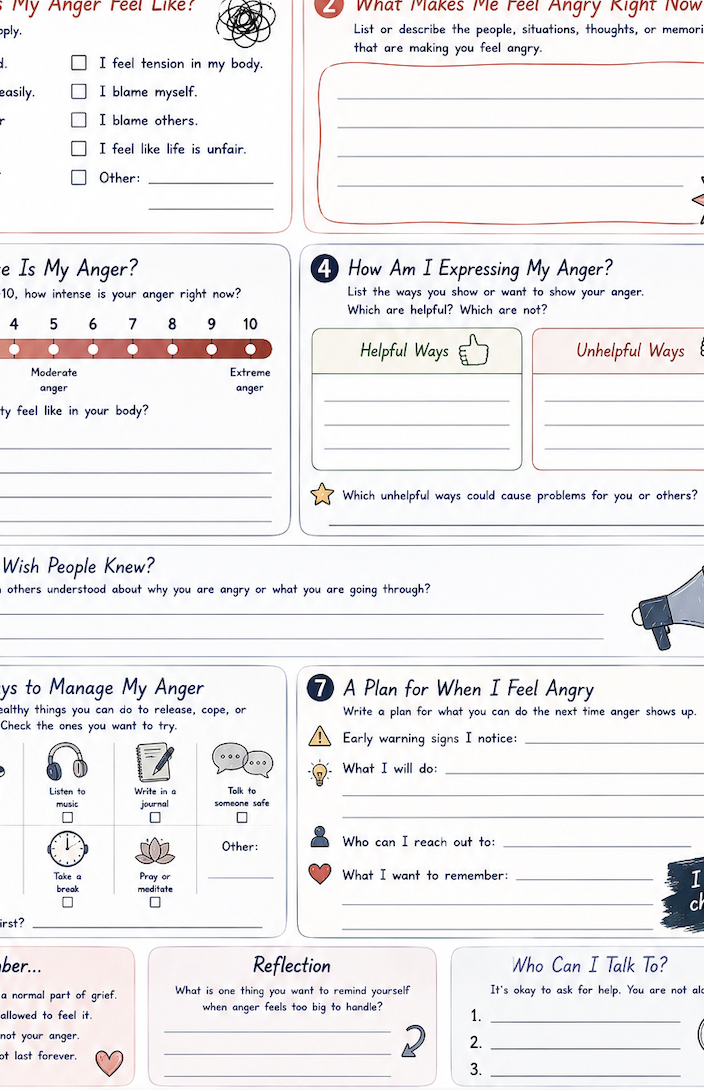
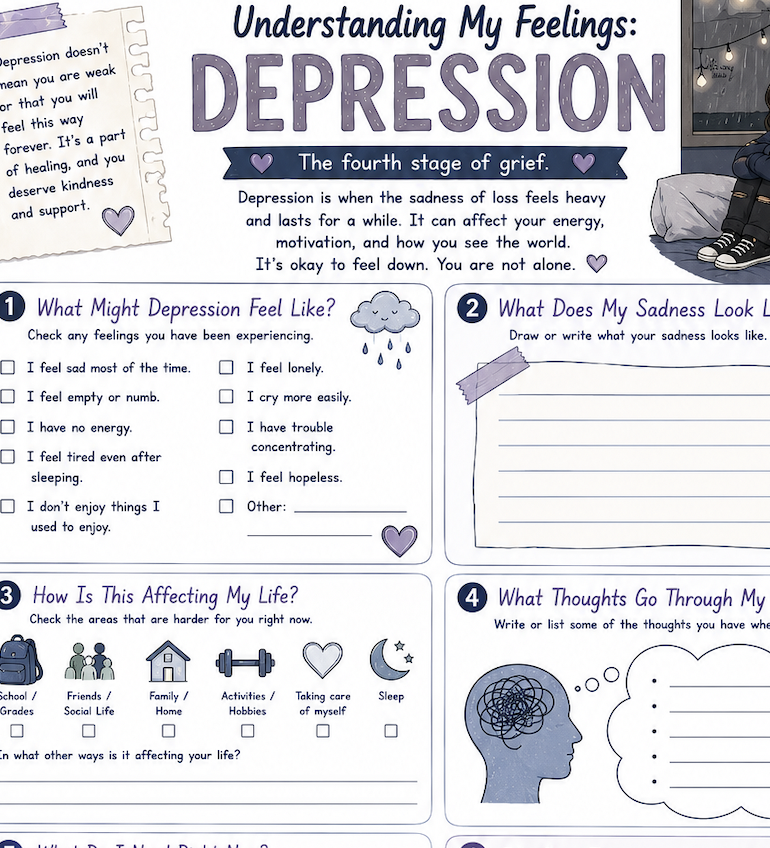
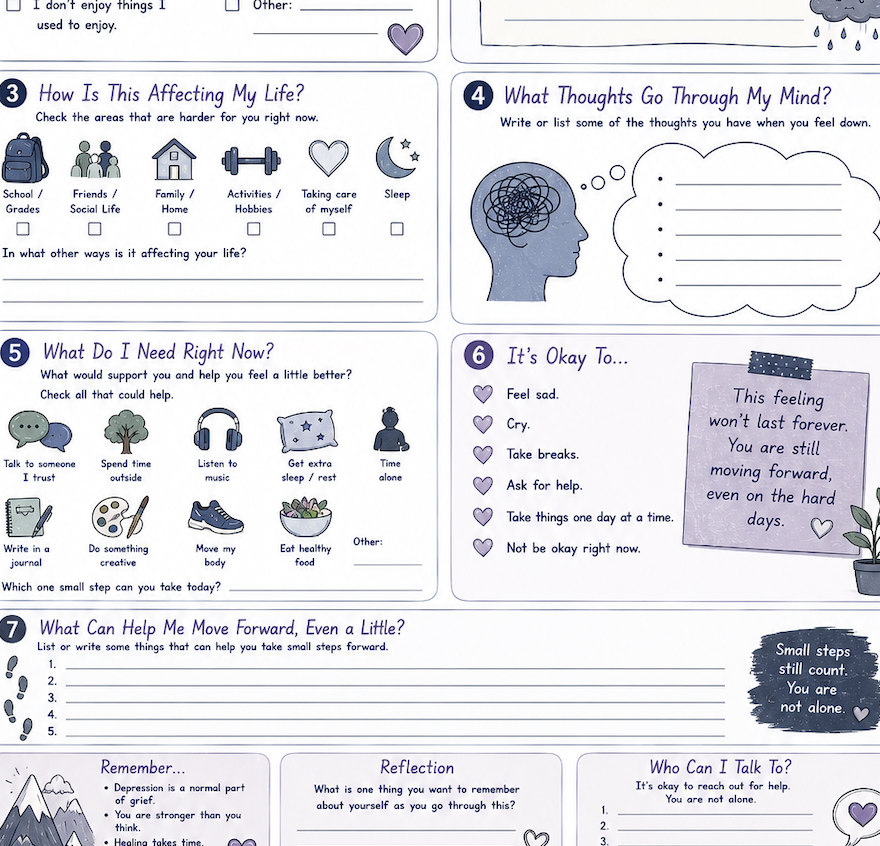
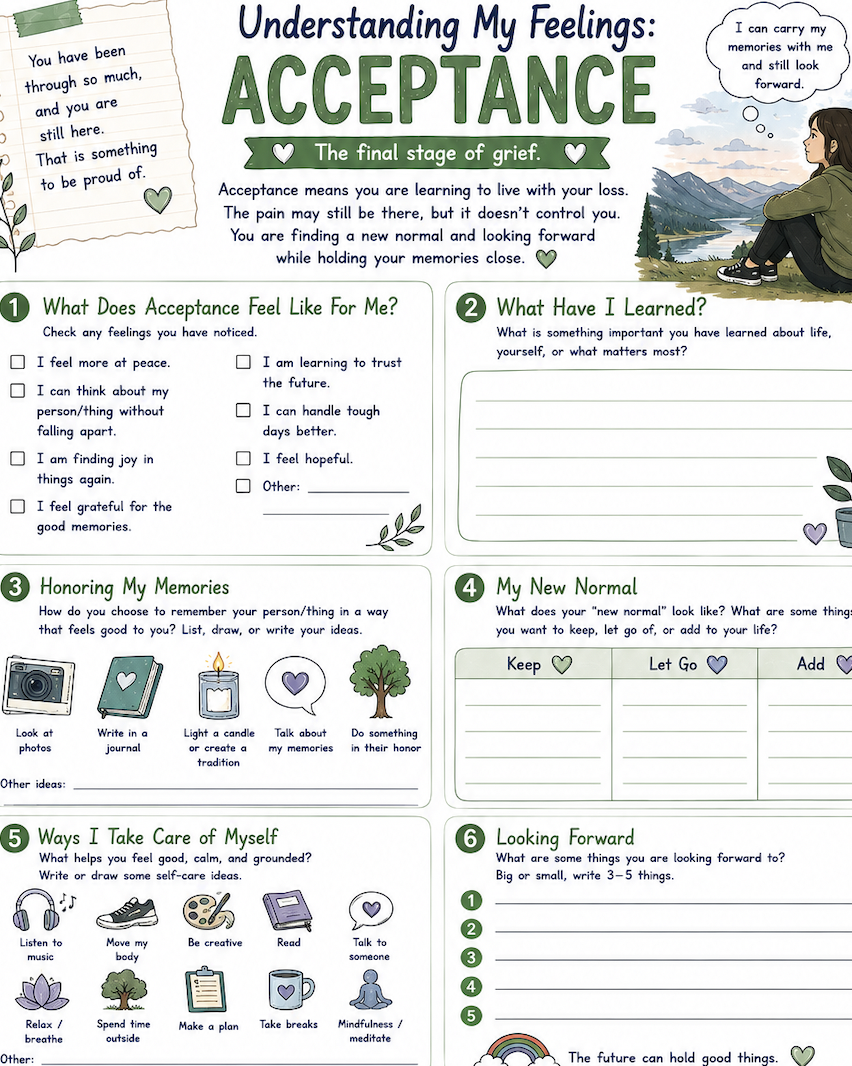
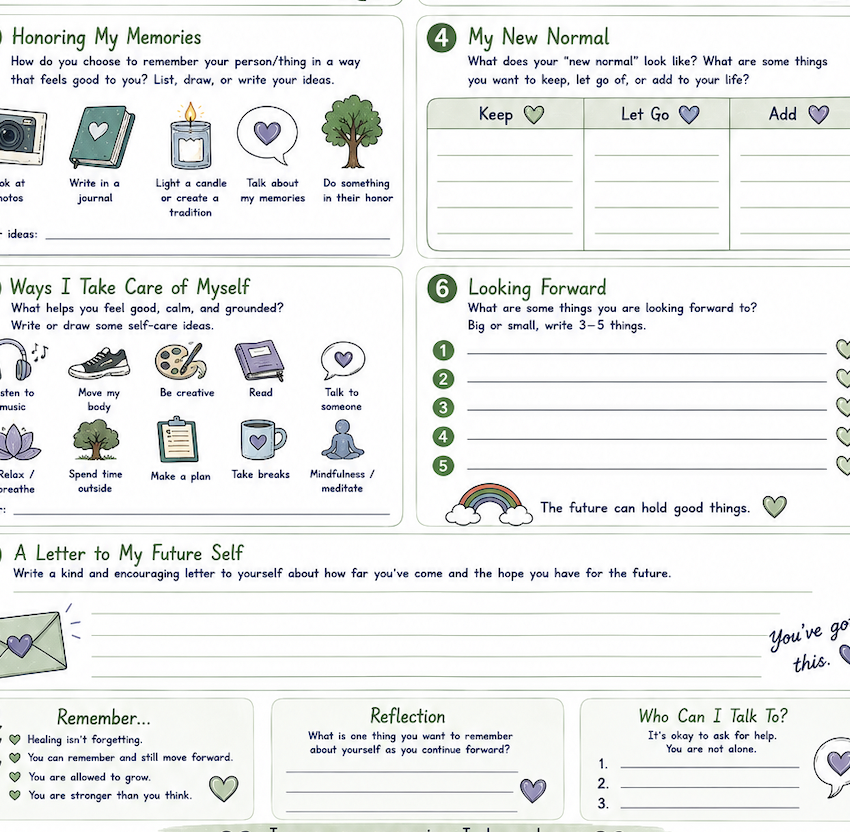
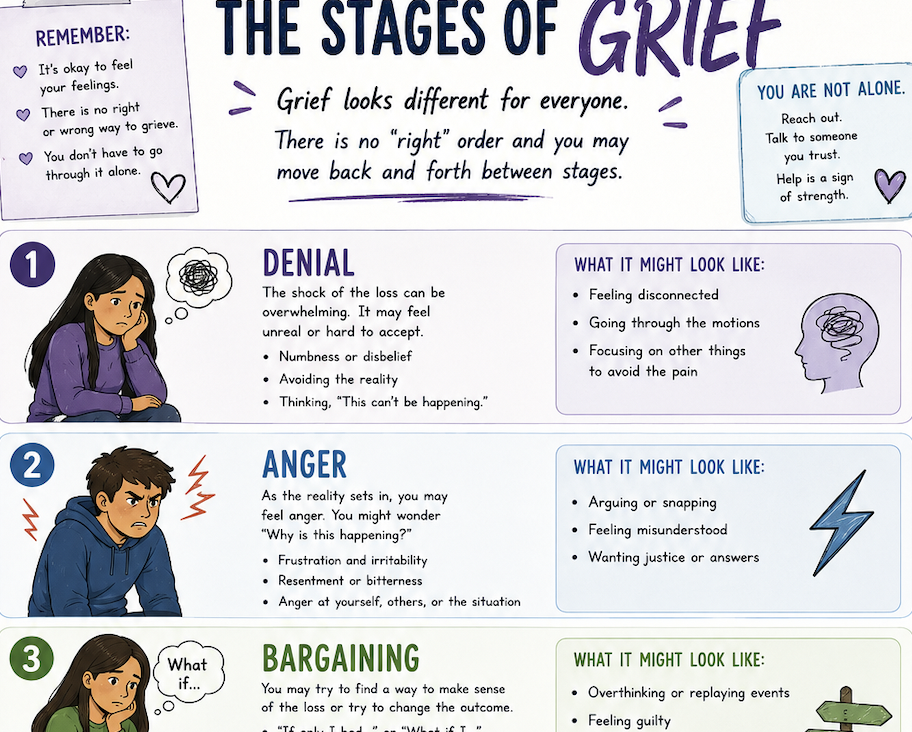
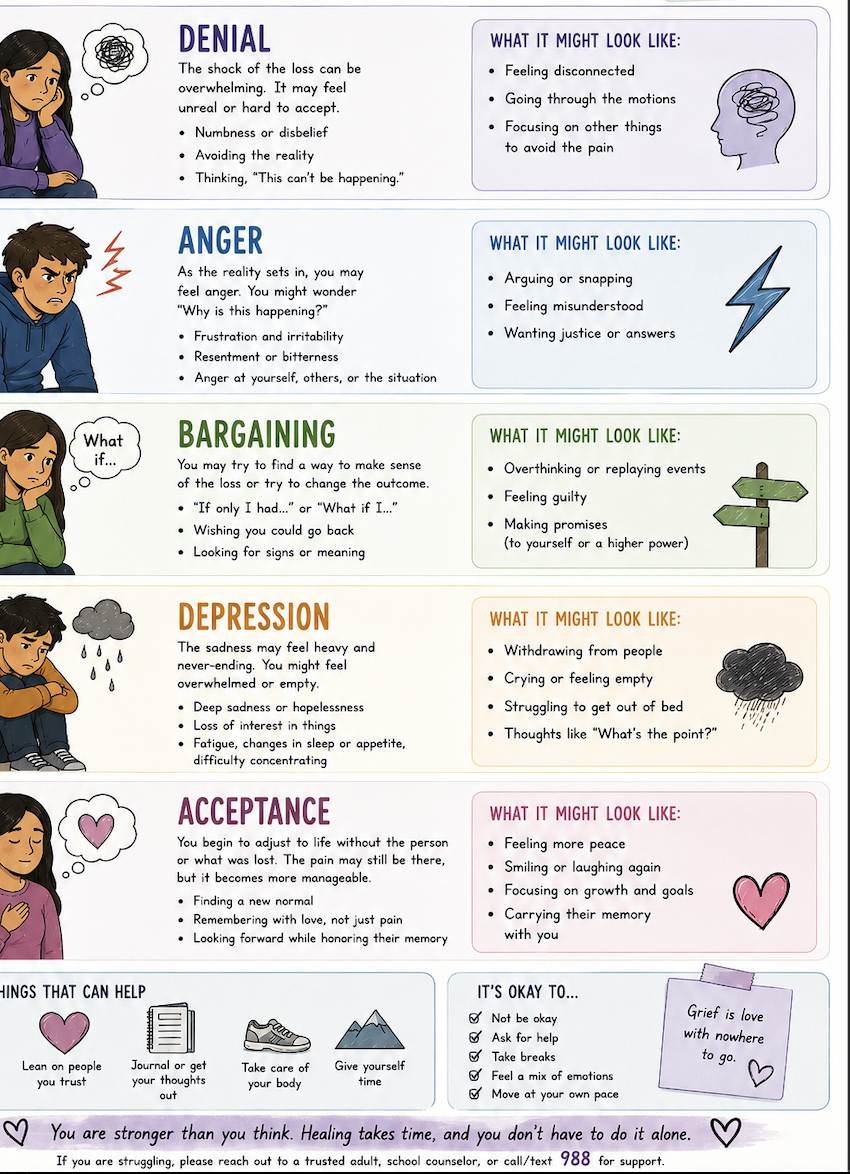
BUNDLE! Downloadable file that includes 5 individual worksheets that each align with the 5 stages of grief for students in grades 6-12 to process through their feelings and thoughts inside that stage. There is also a visual that provides an overview of each stage included as well
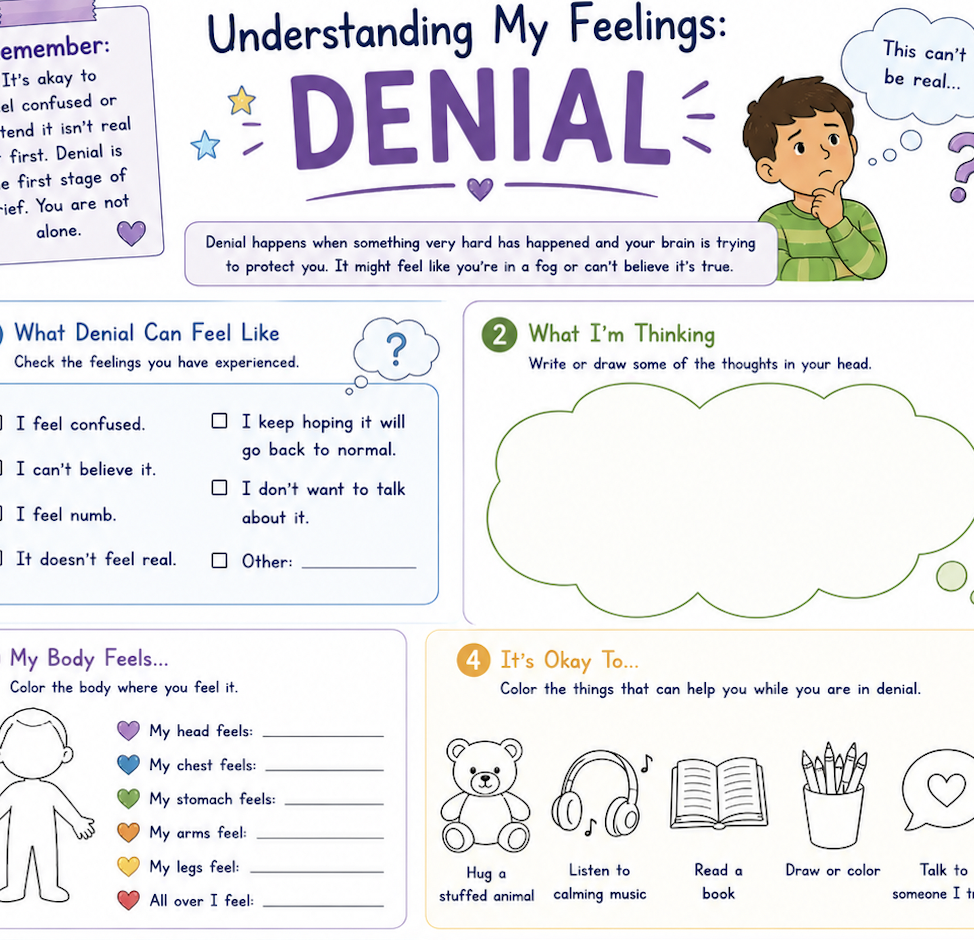
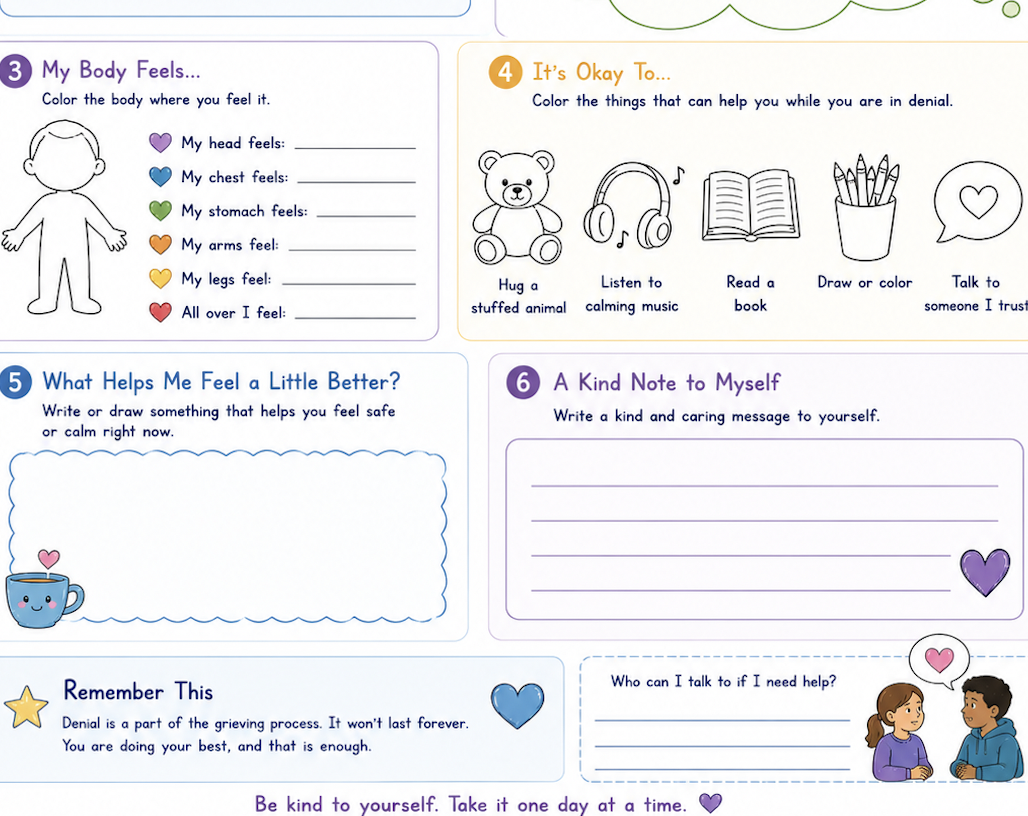
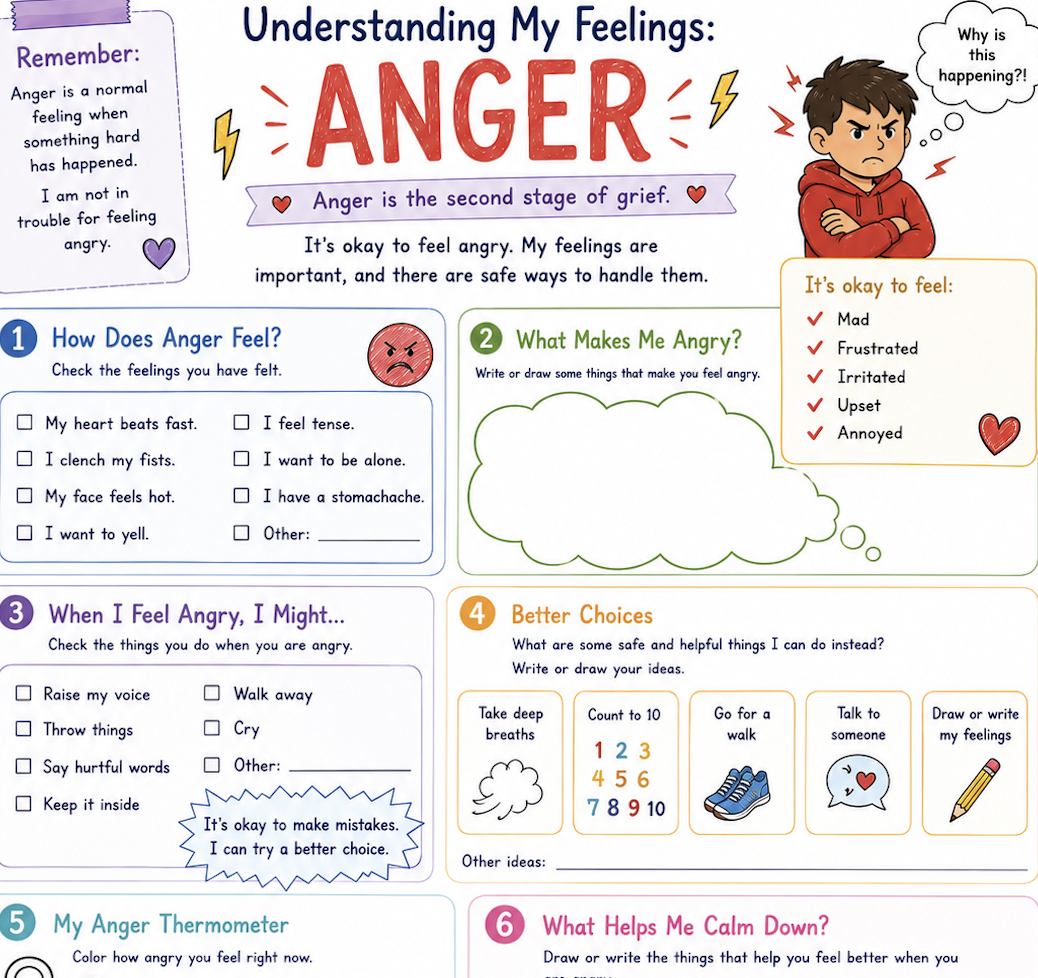
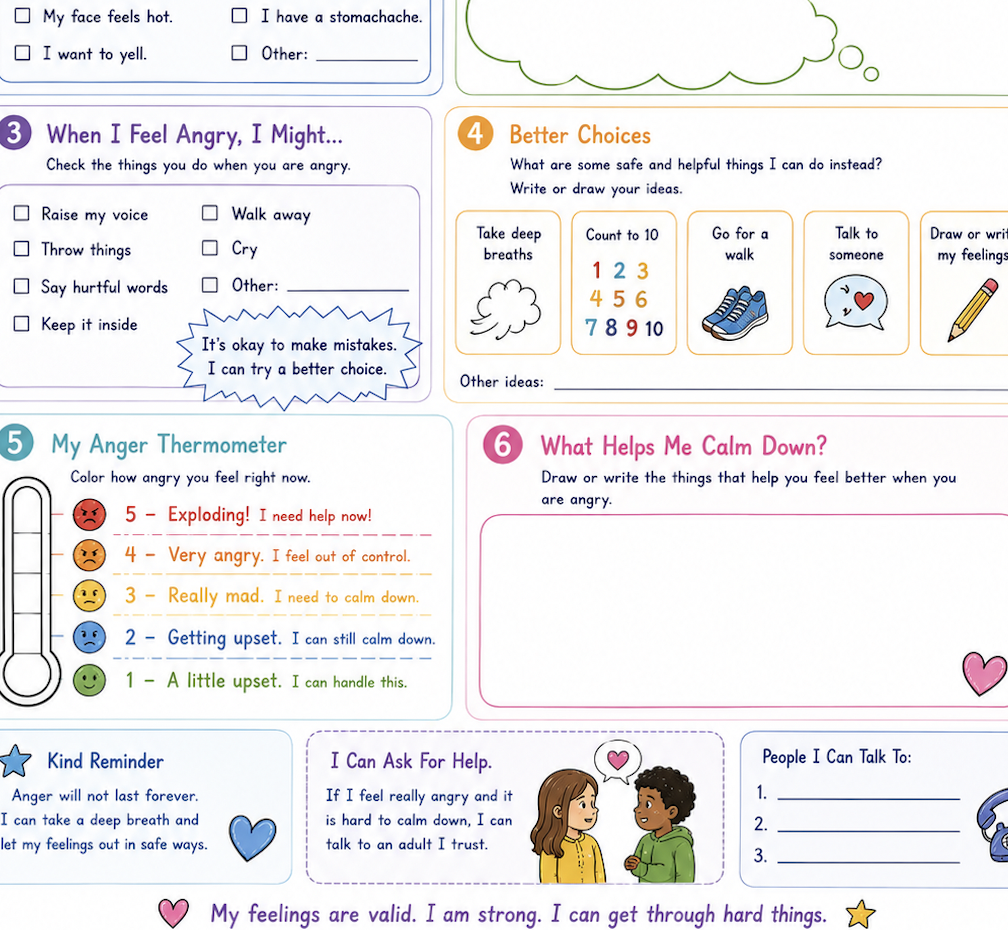
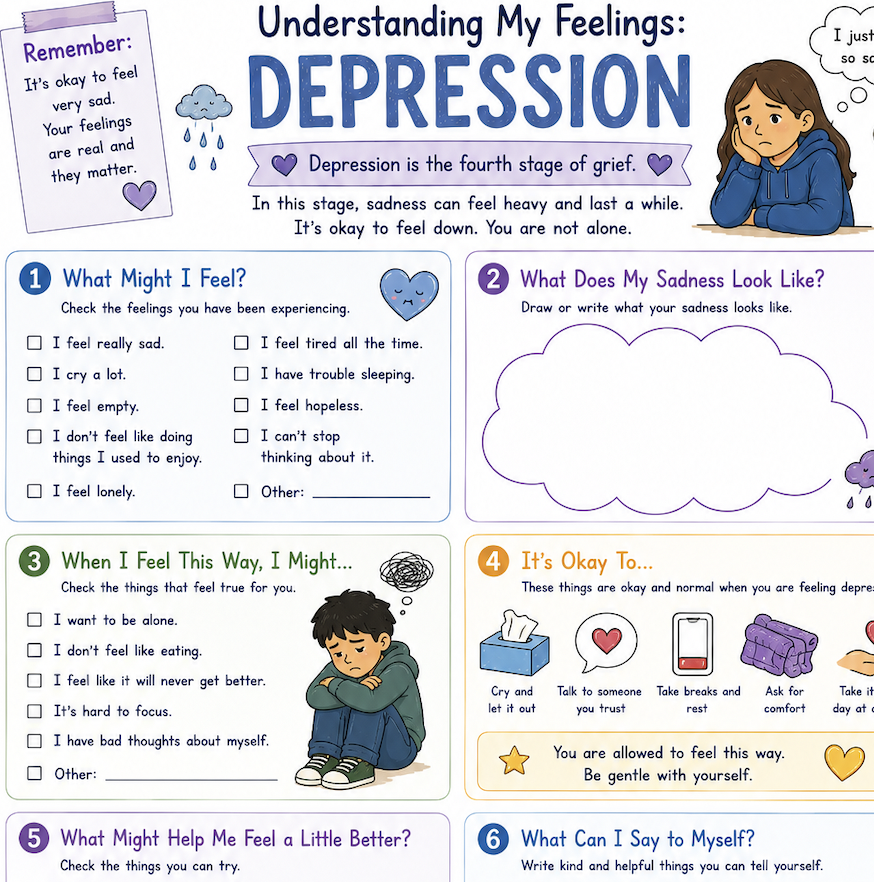
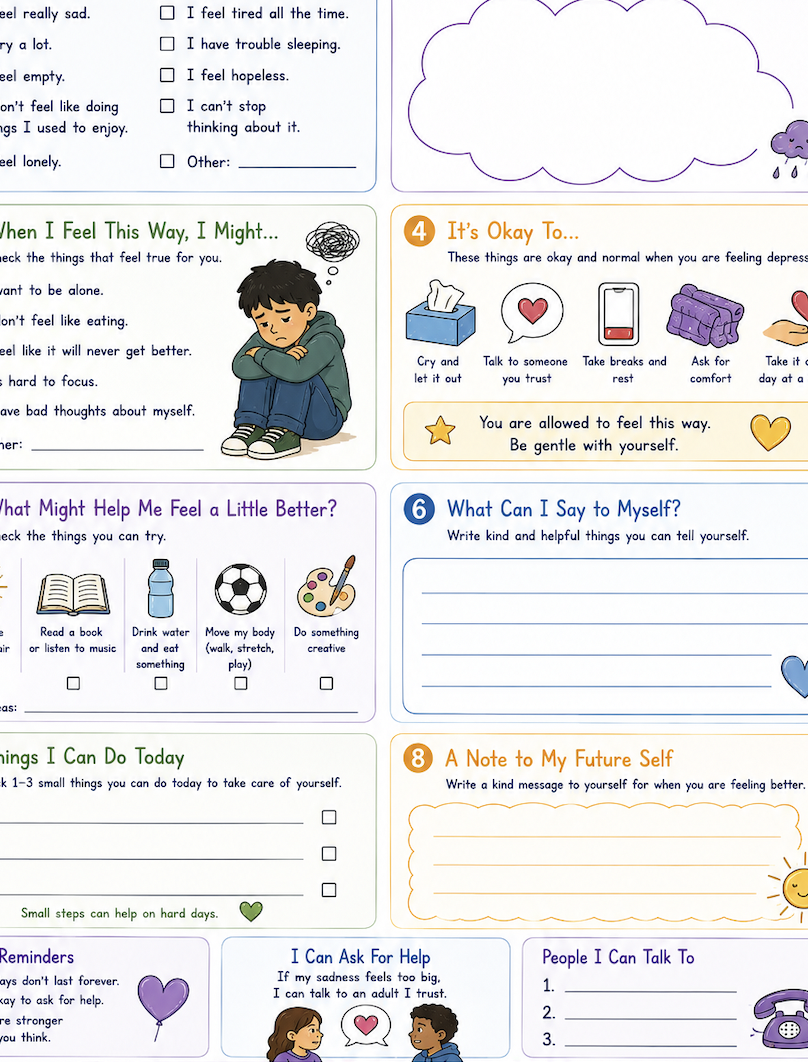
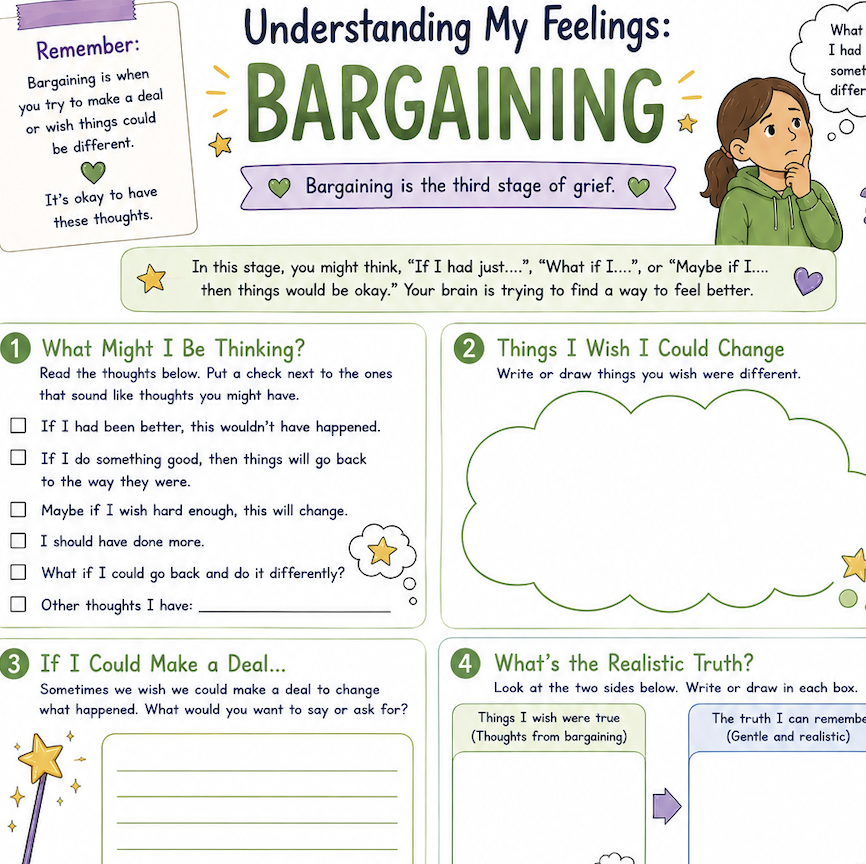
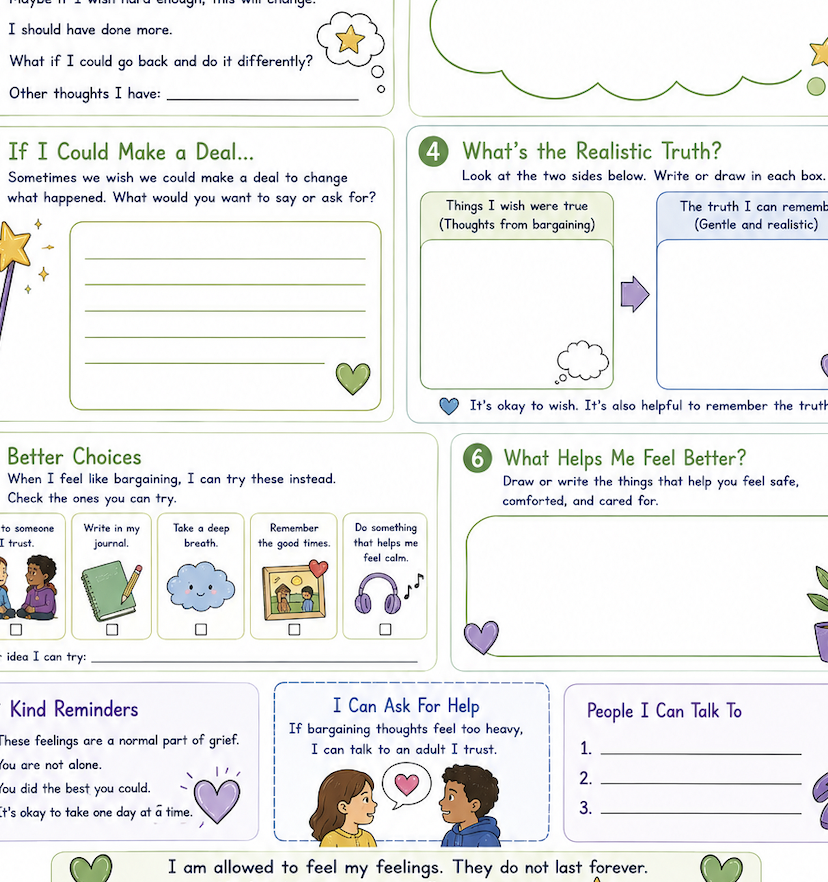
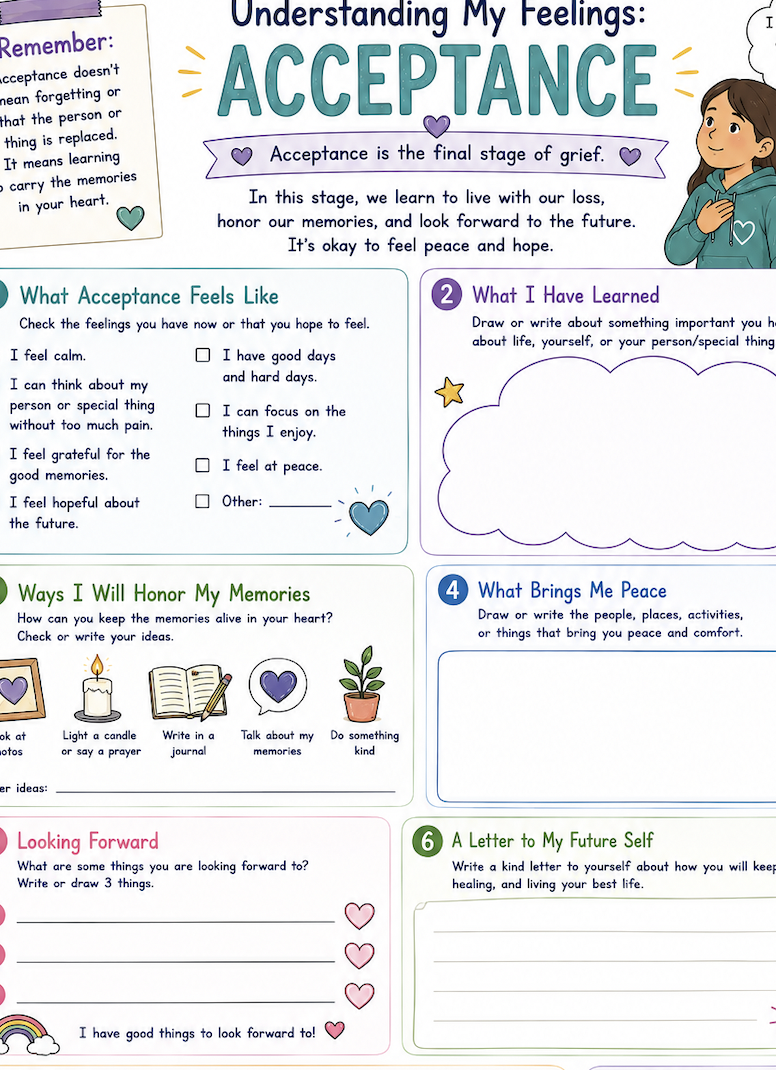
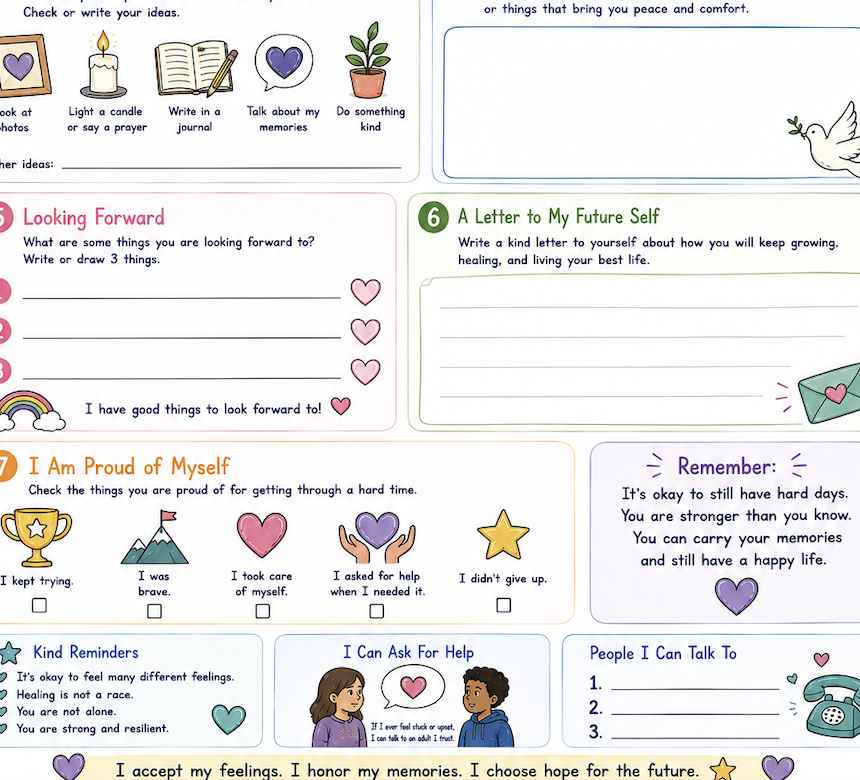
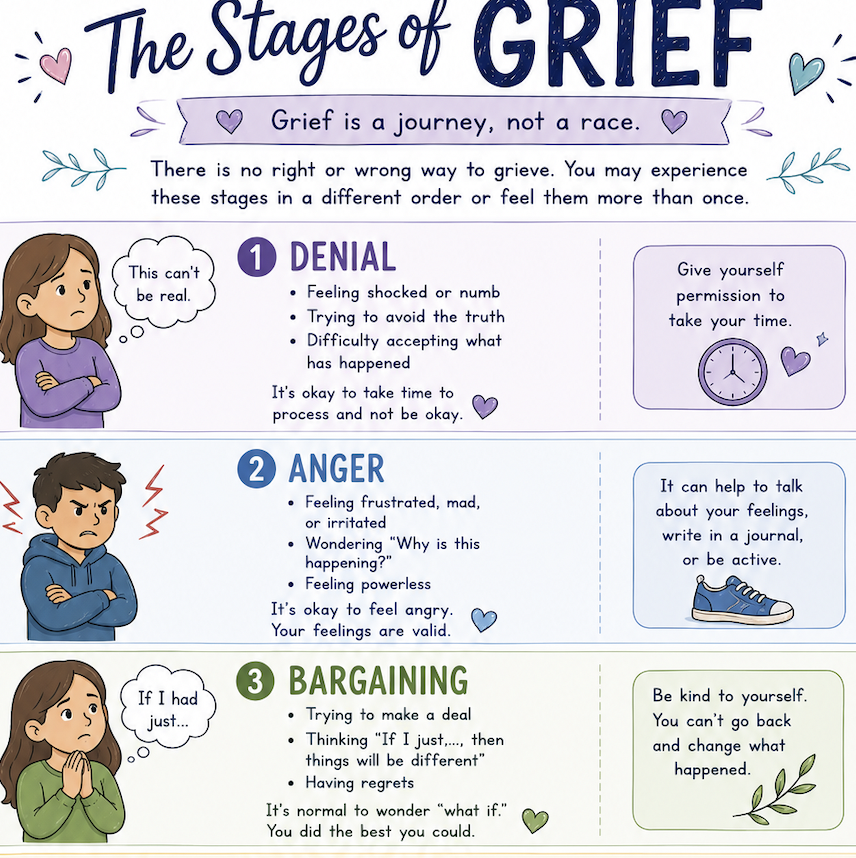
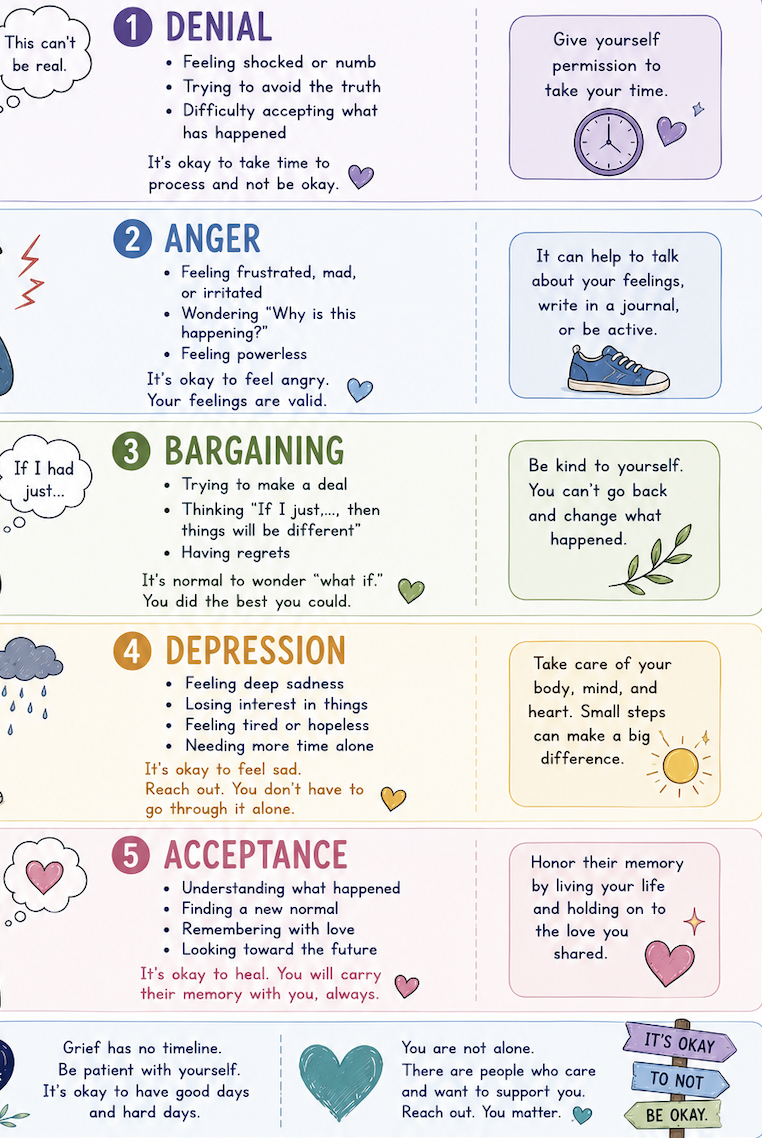
BUNDLE! Downloadable file that includes 5 individual worksheets that each align with the 5 stages of grief for students in grades K-5 to process through their feelings and thoughts inside that stage. There is also a visual that provides an overview of each stage included as well
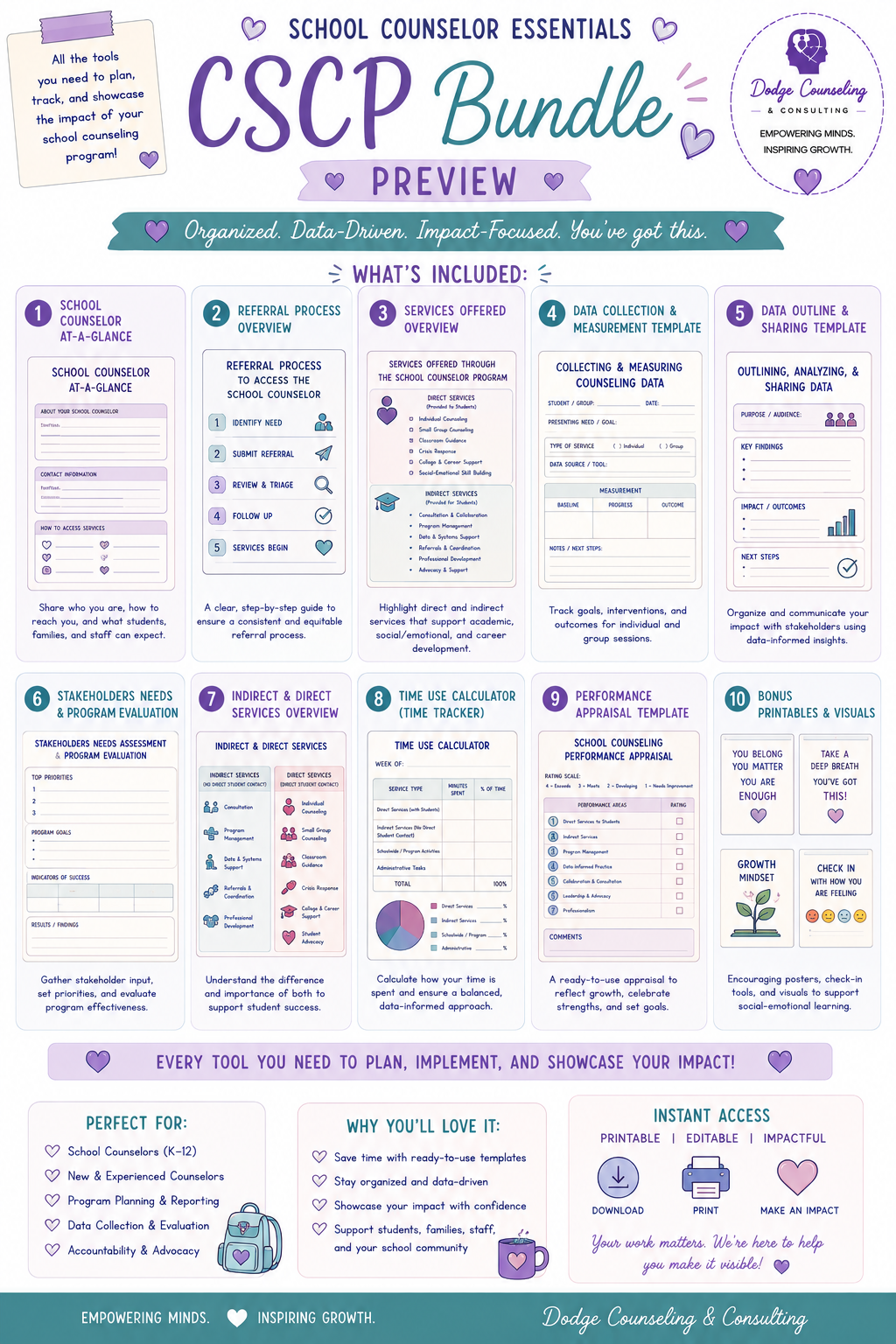
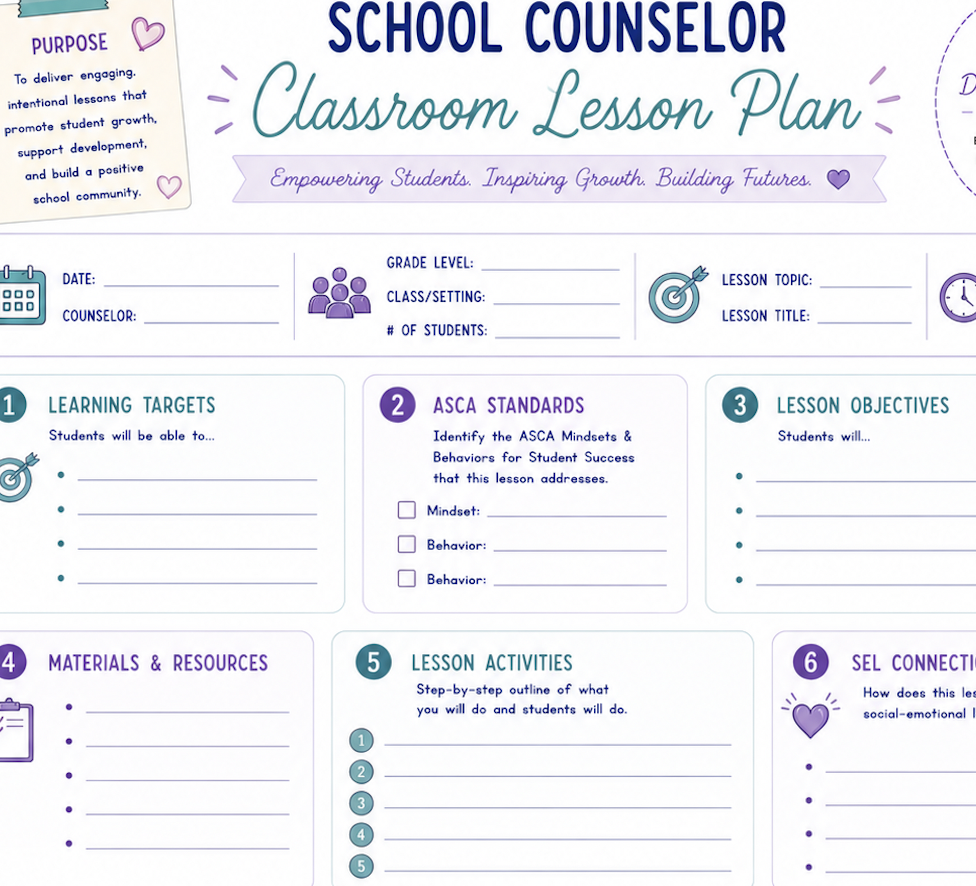
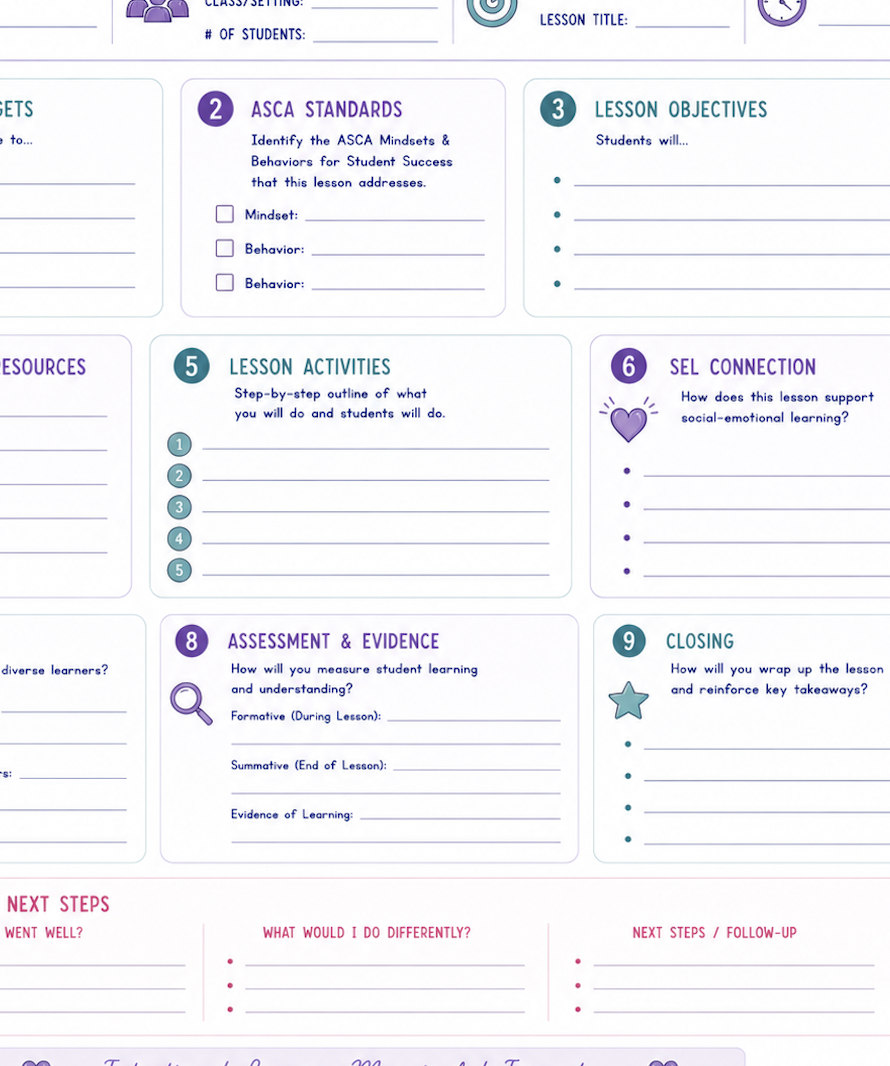
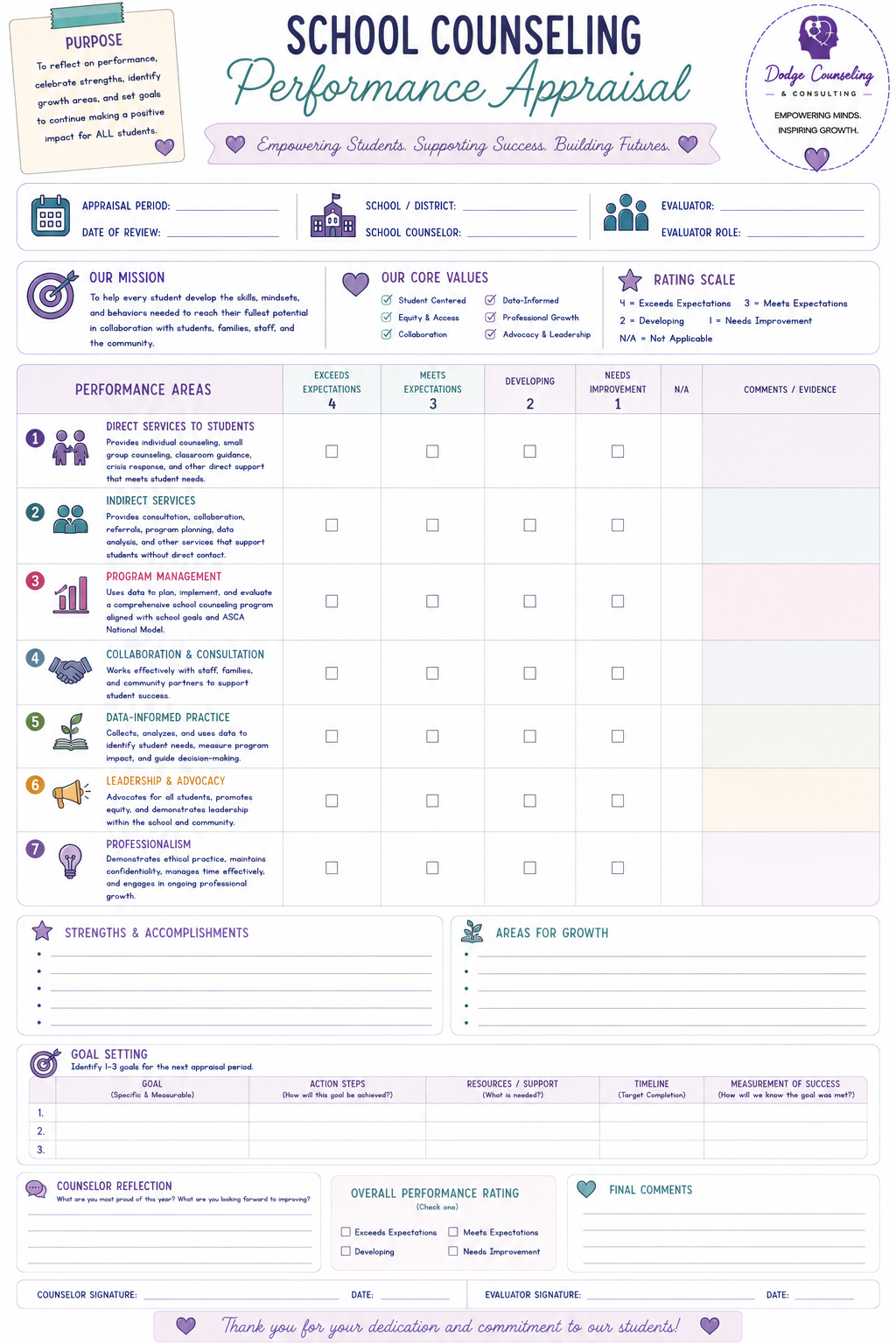
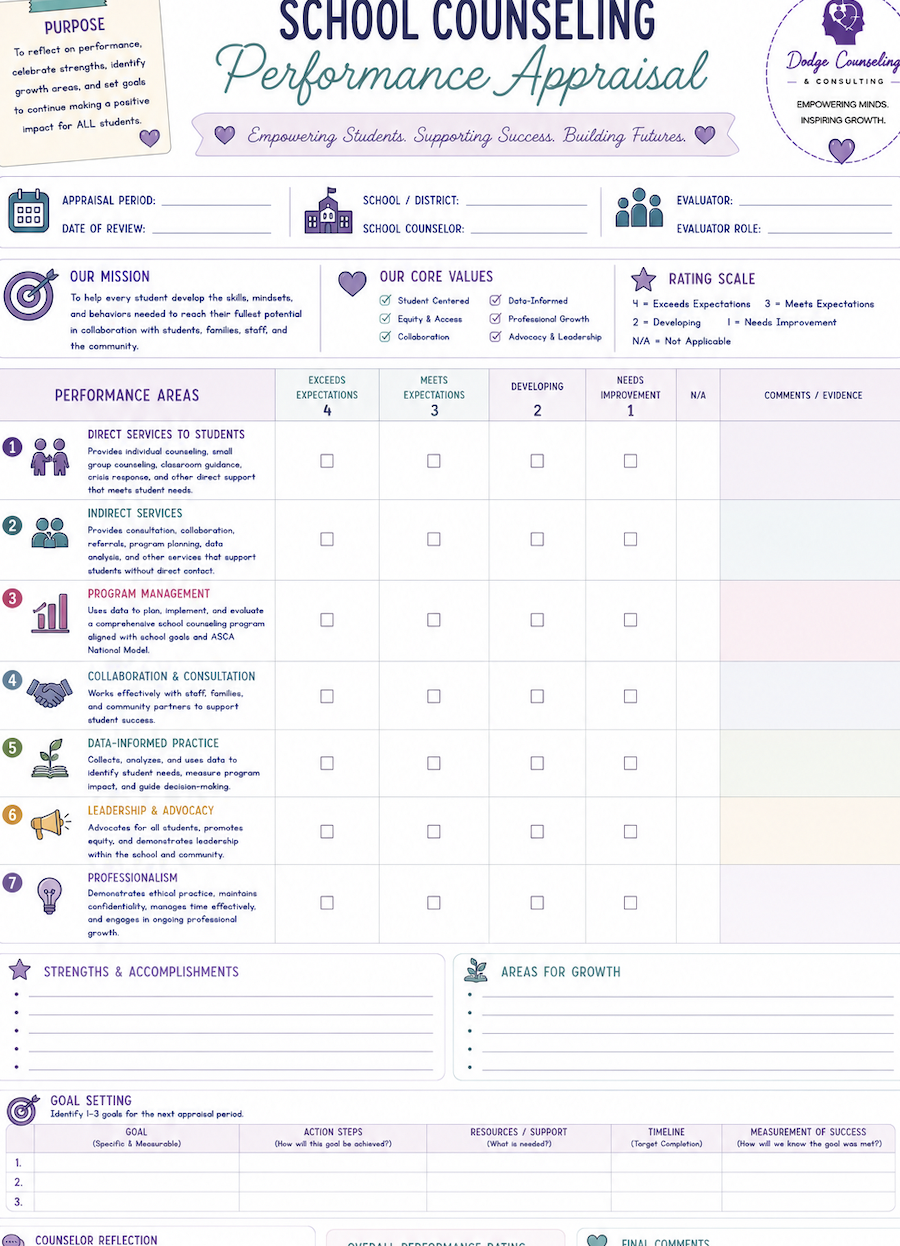
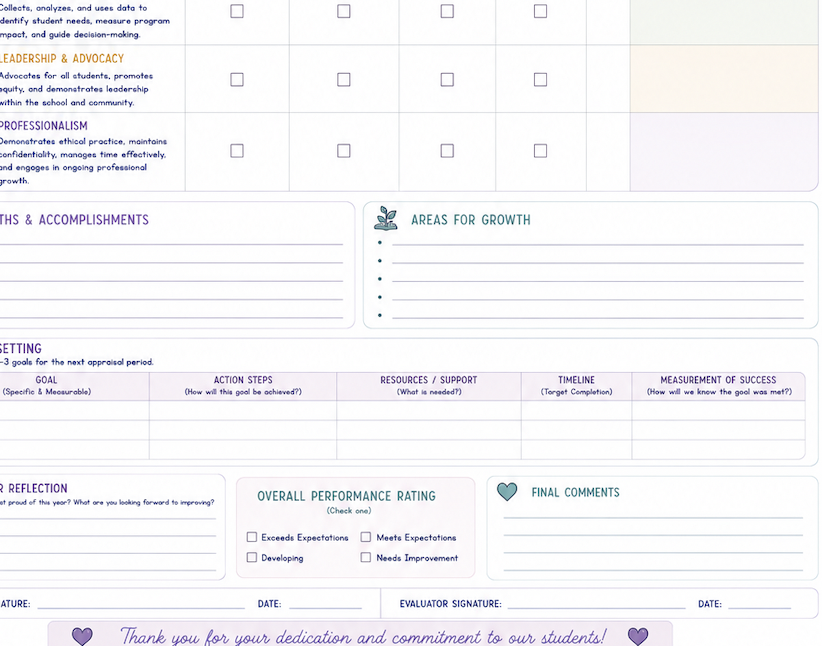
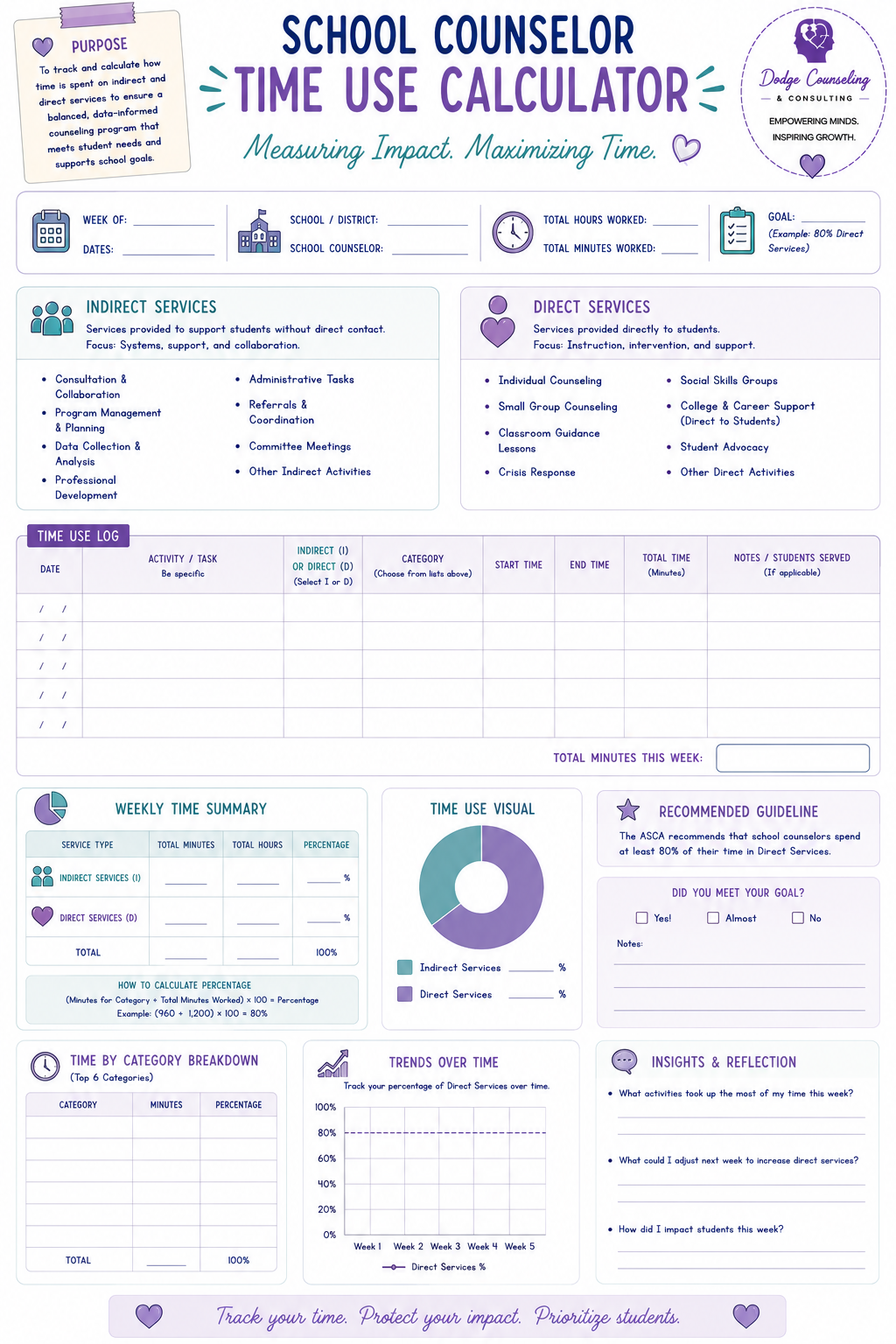
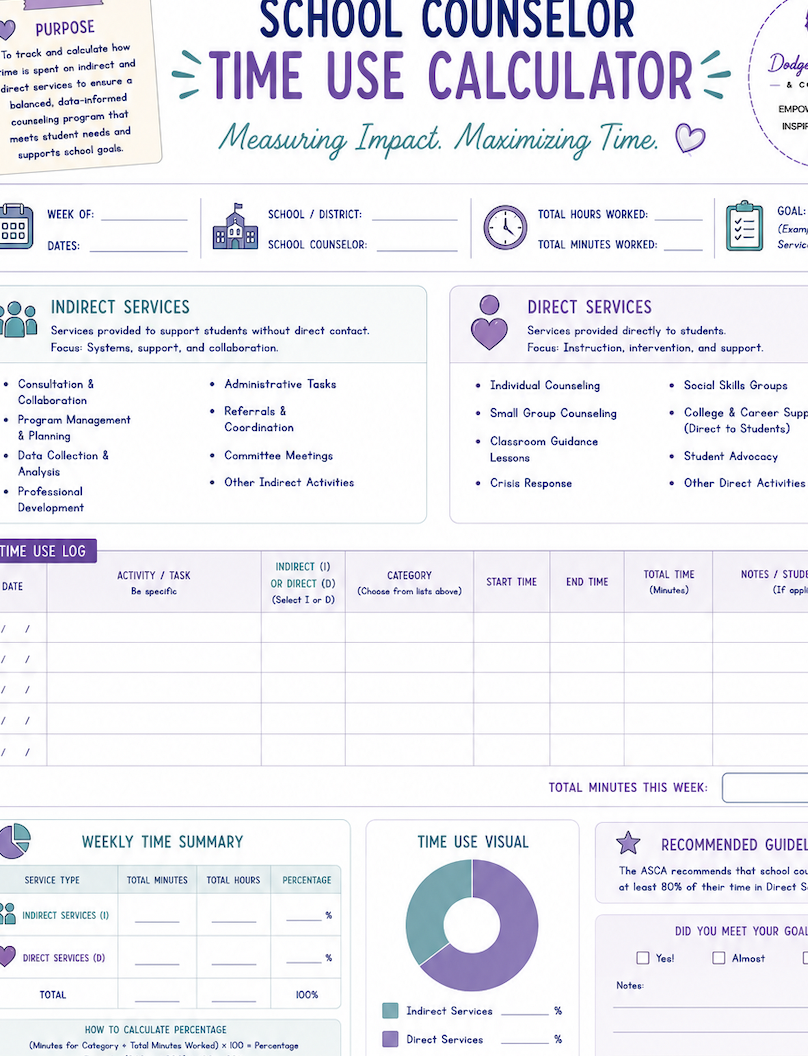
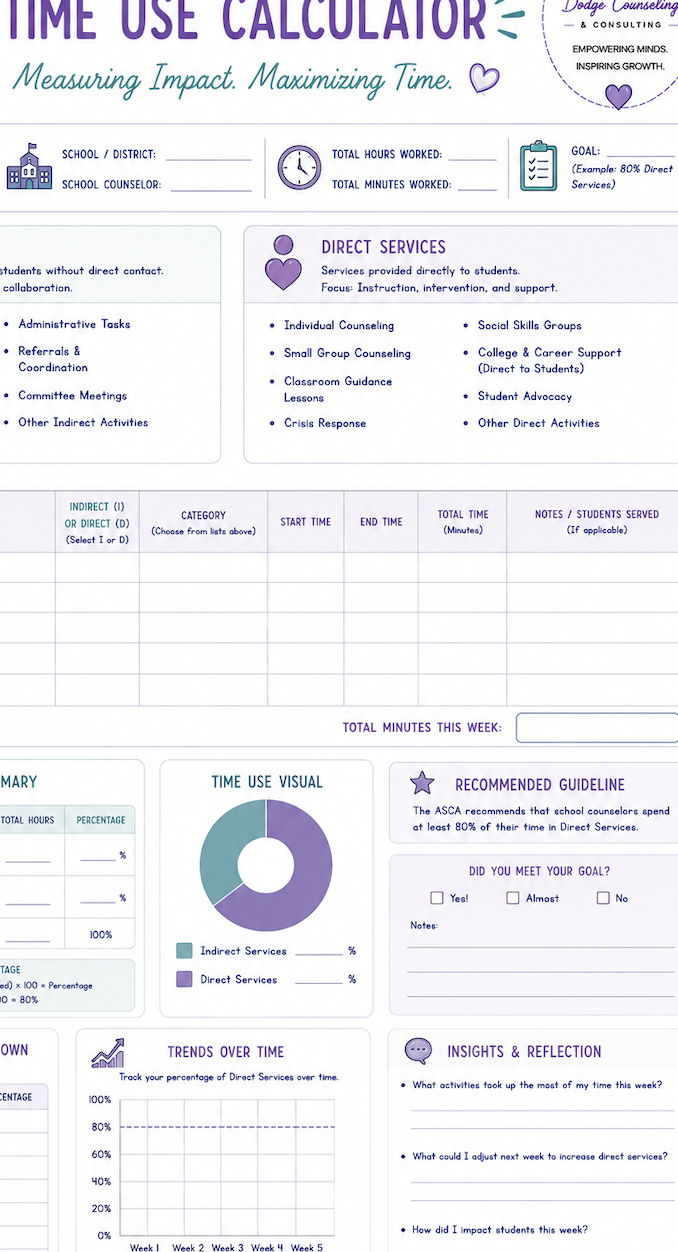
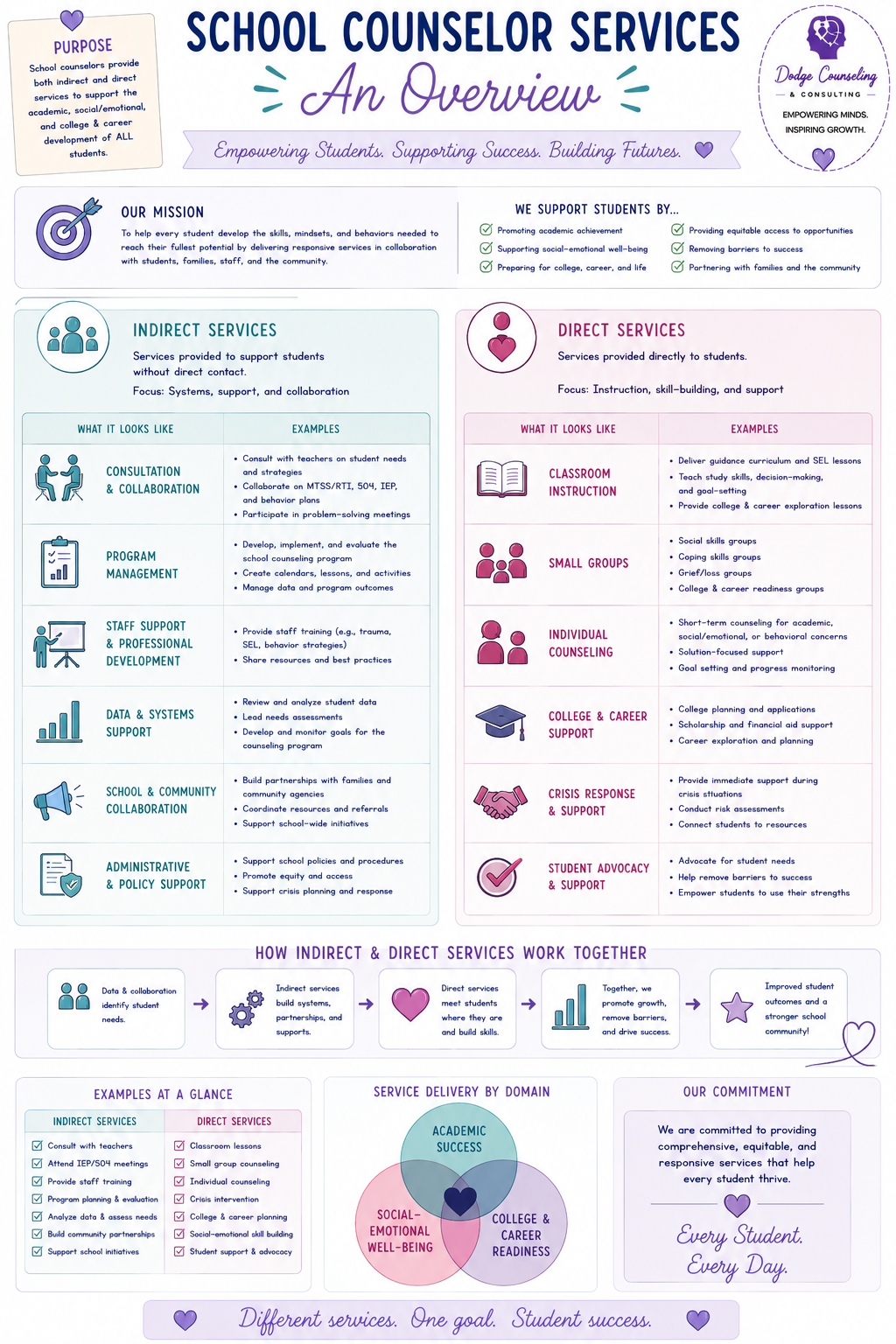
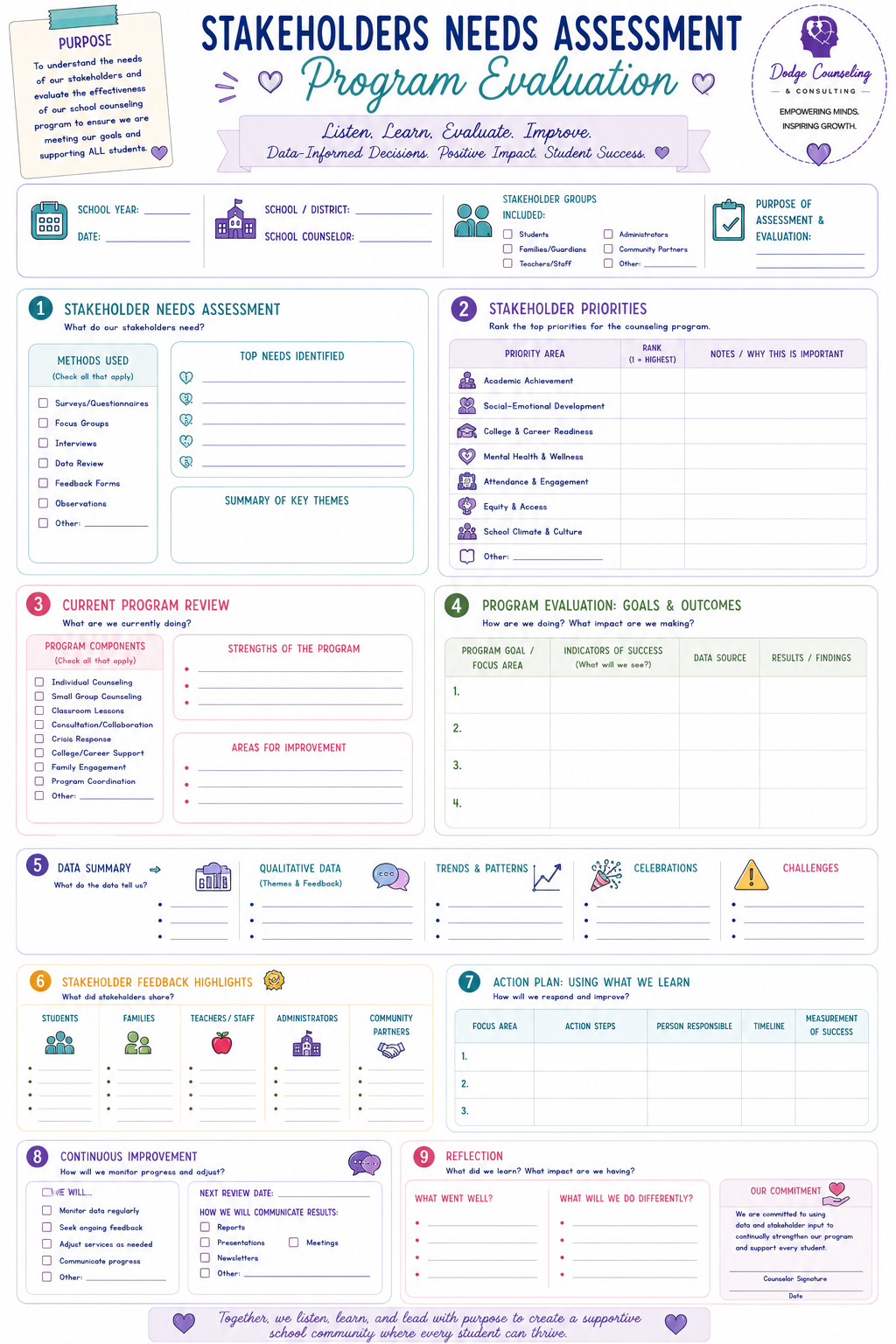
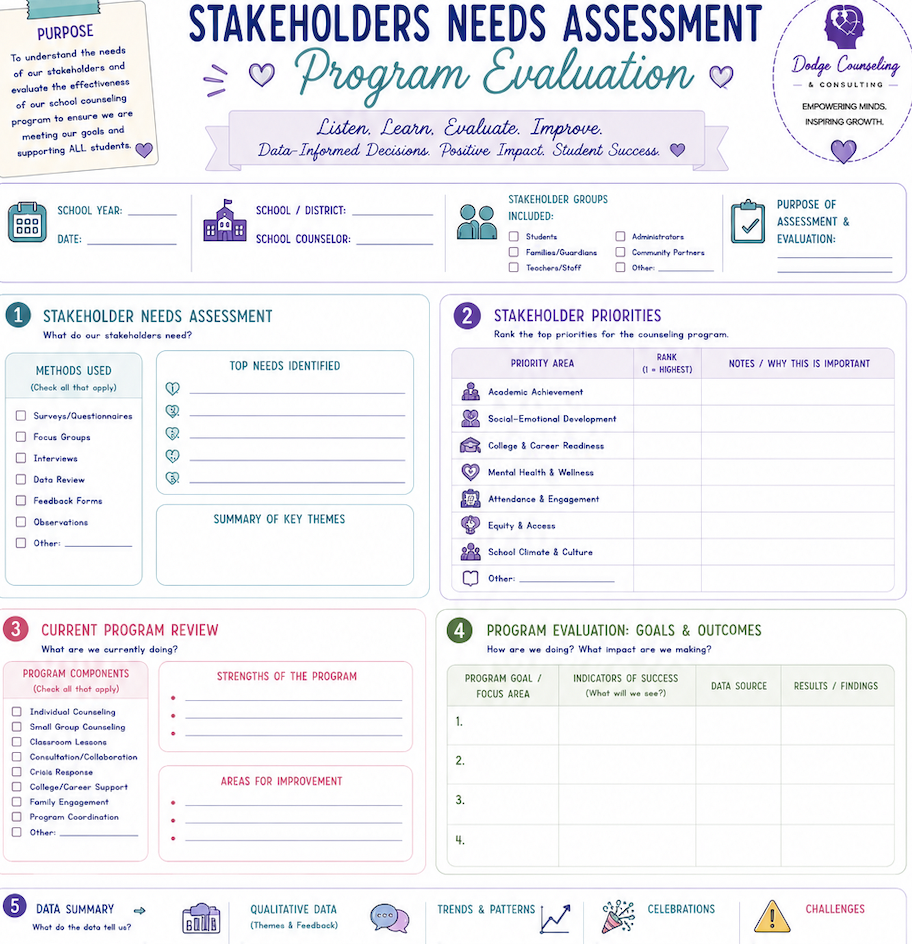
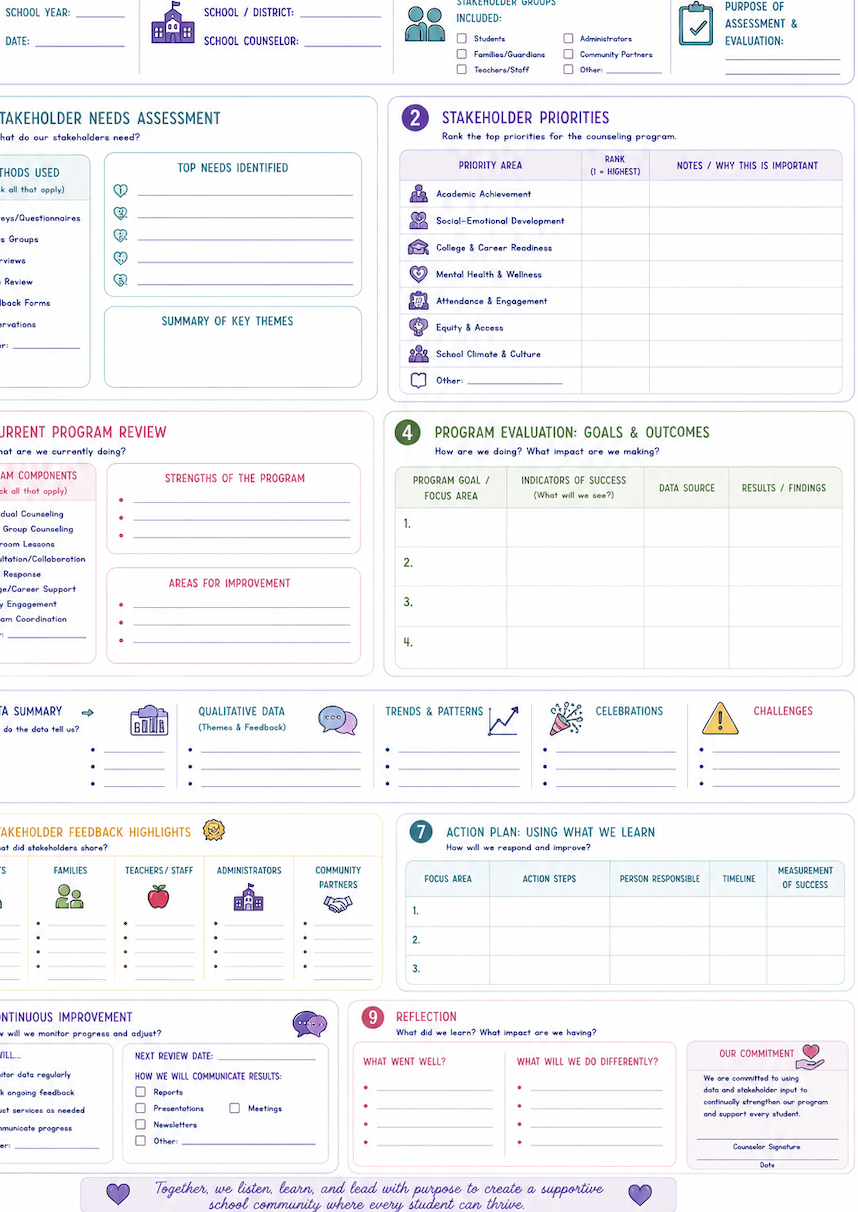
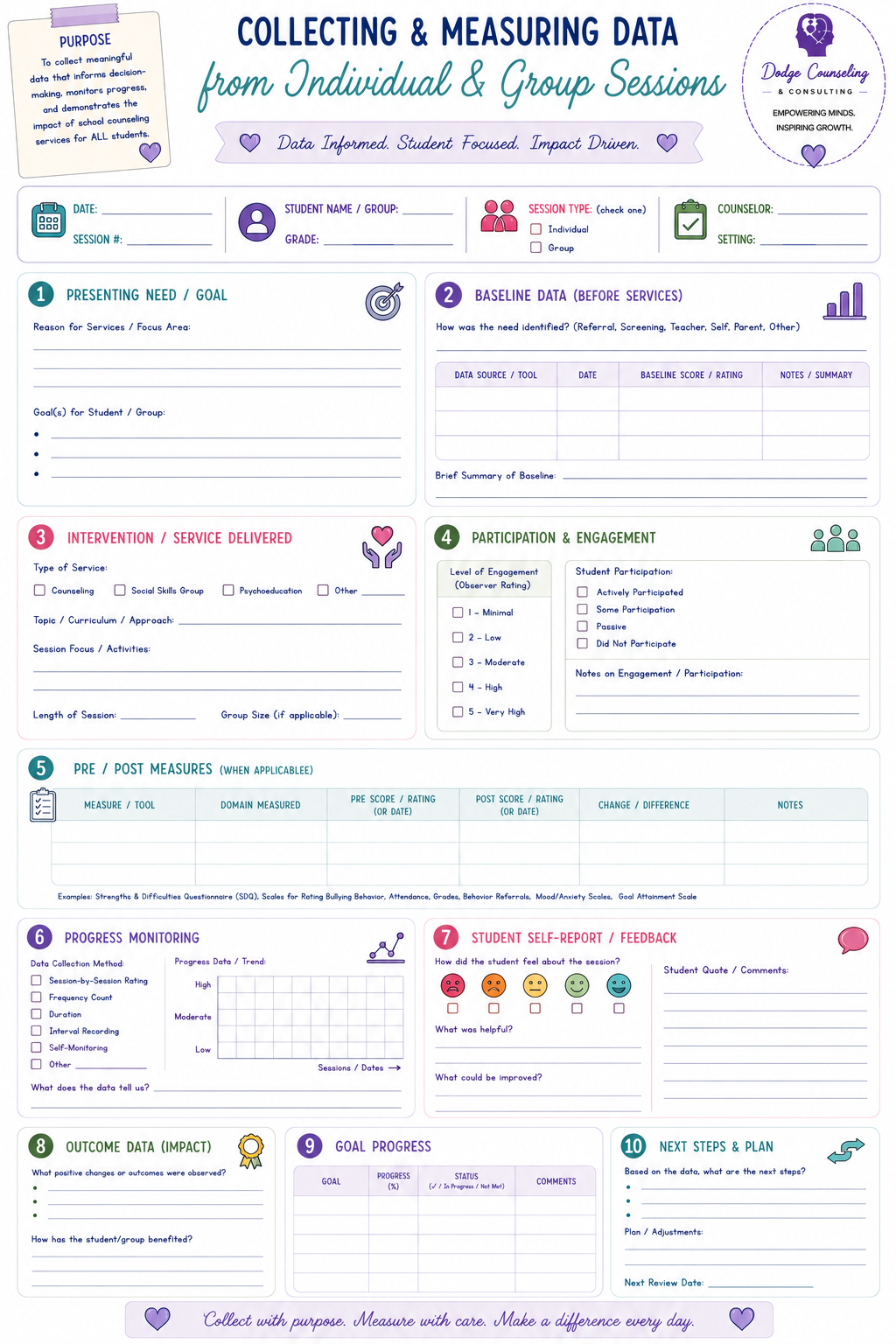
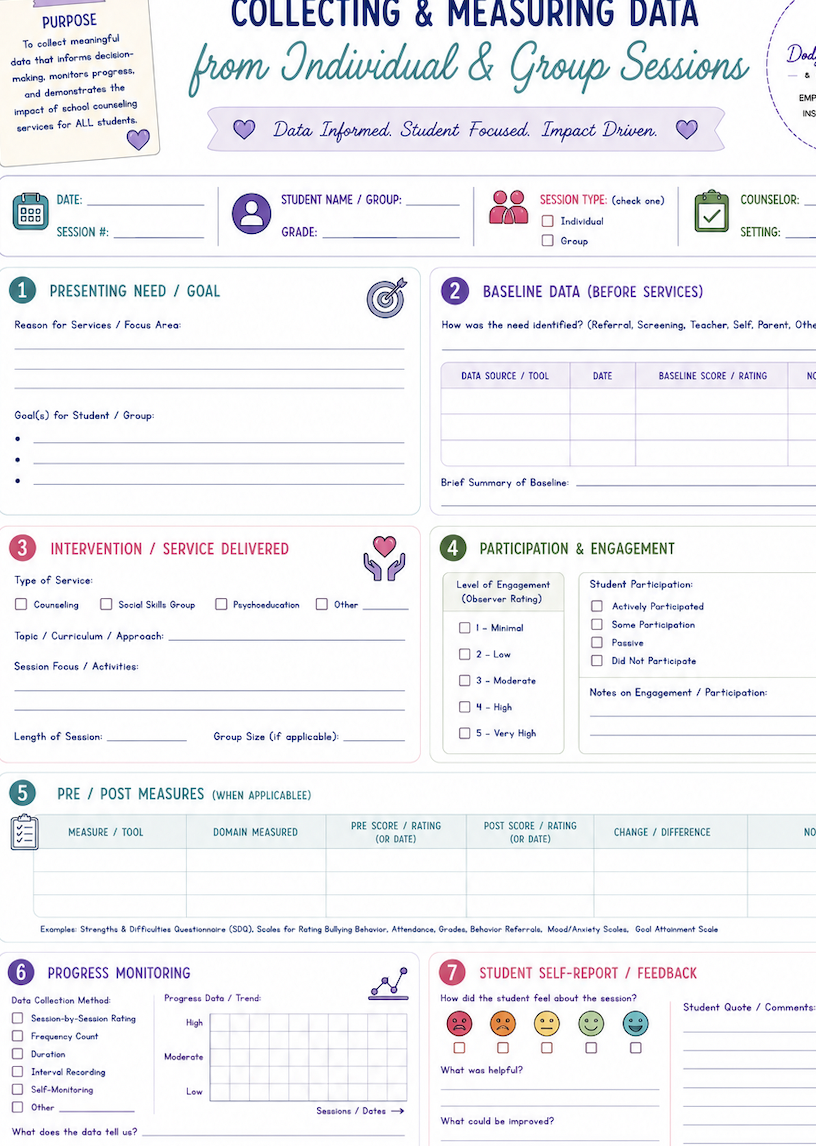
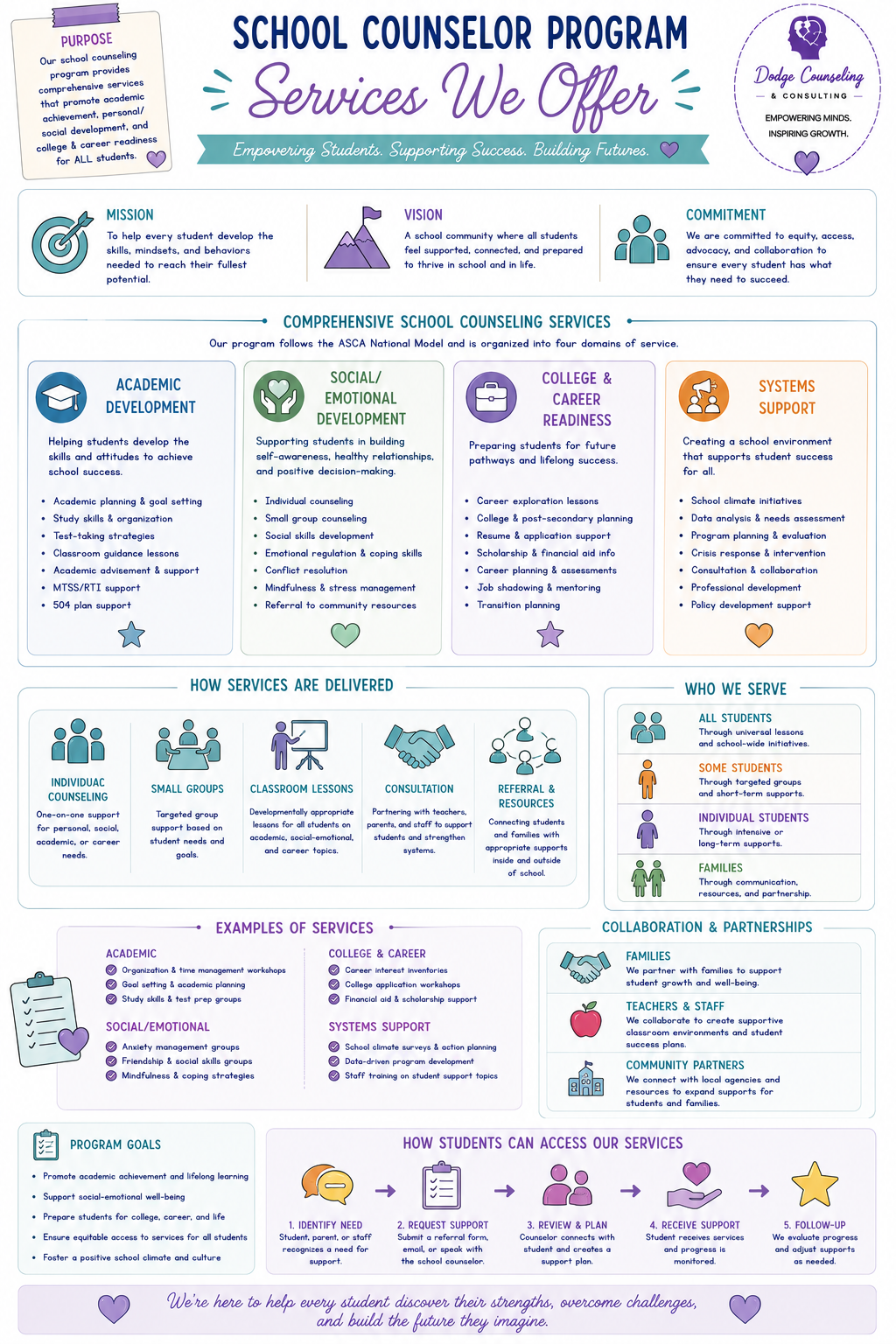
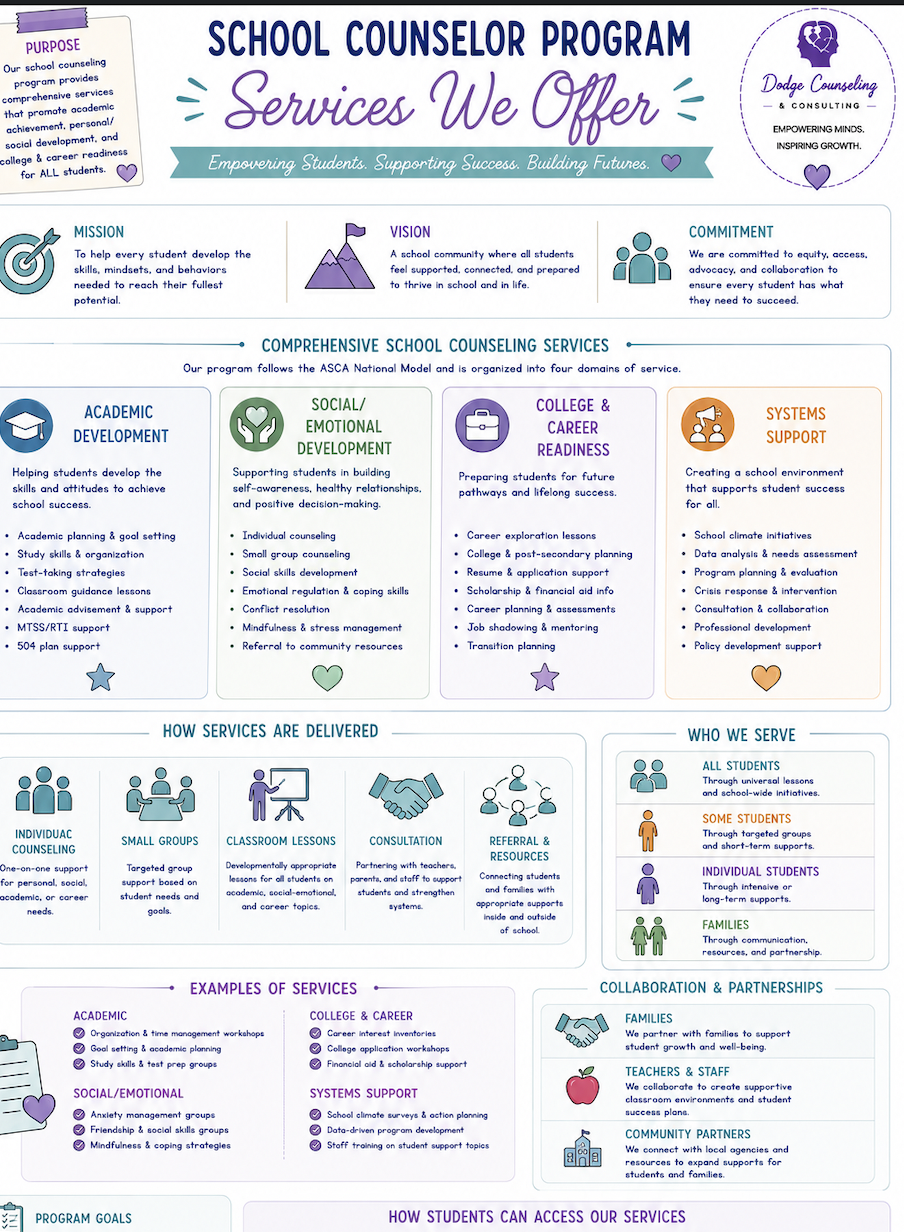
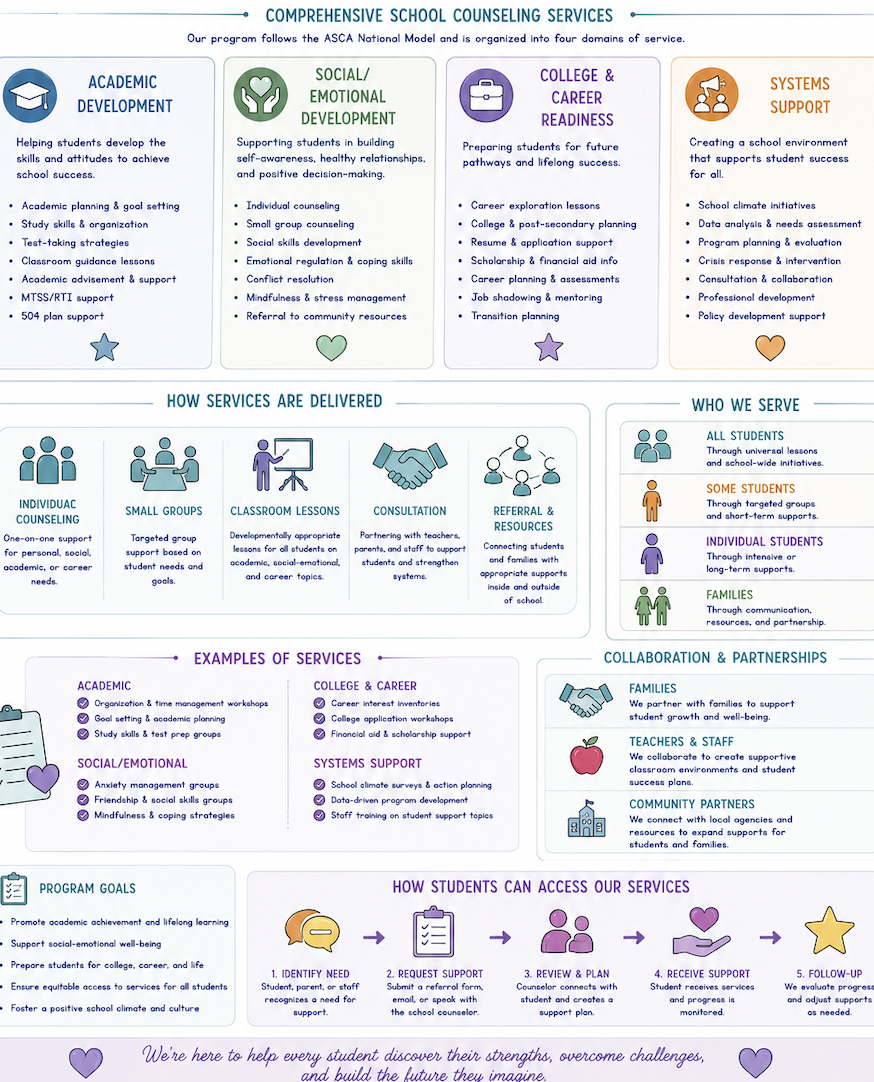
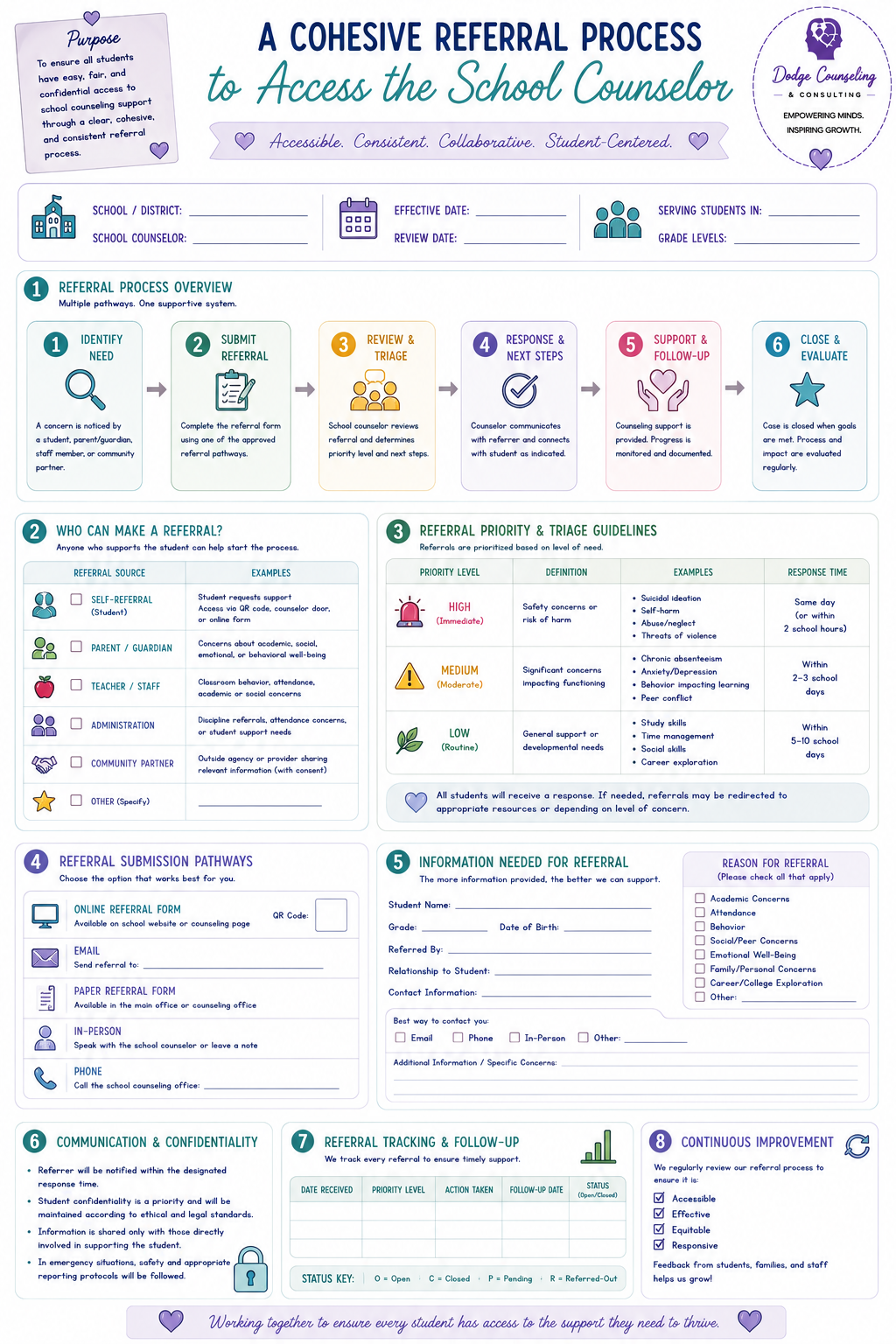
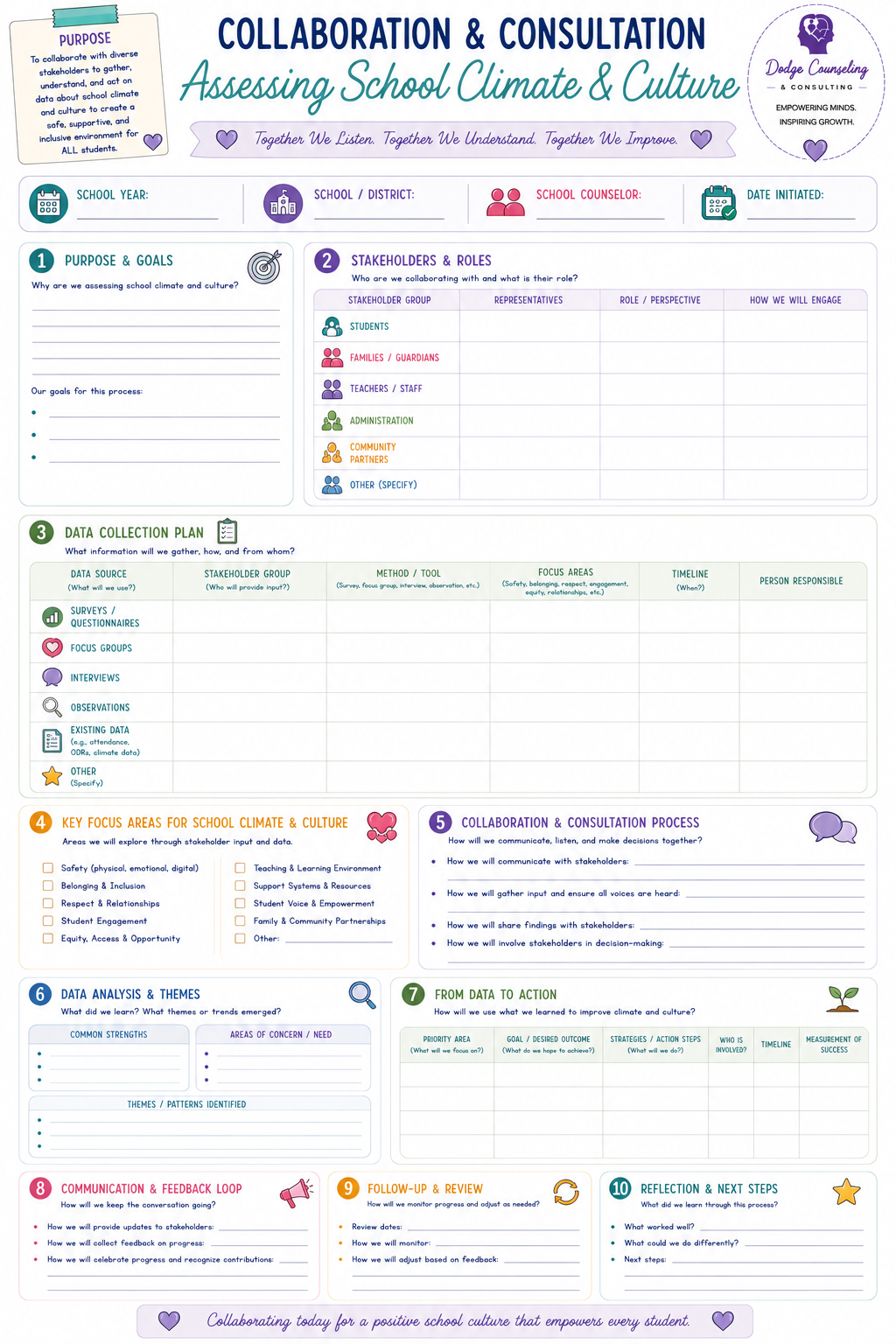
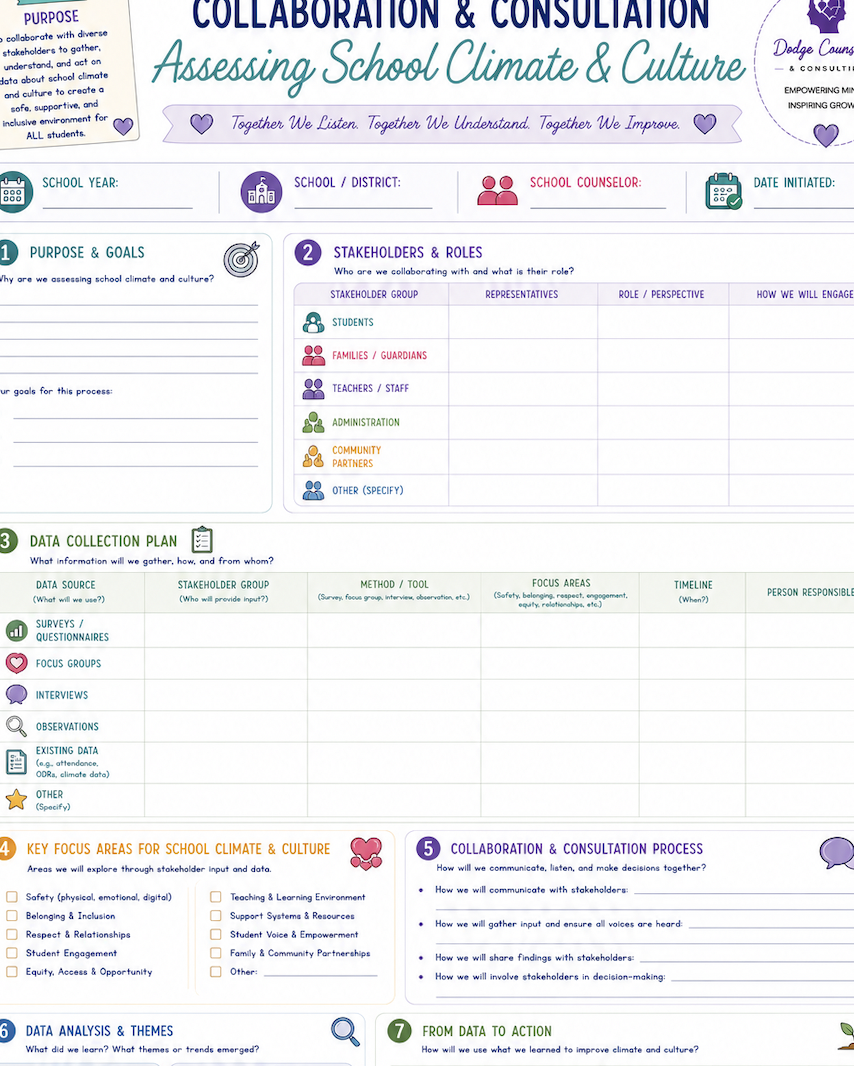
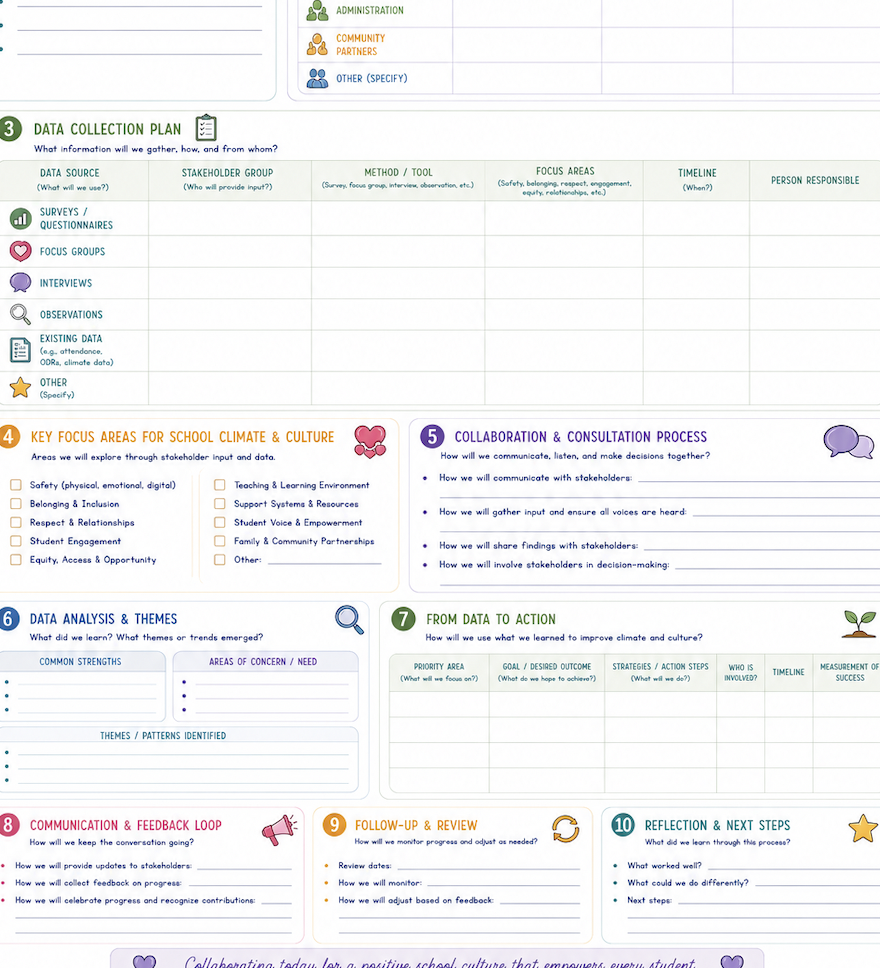
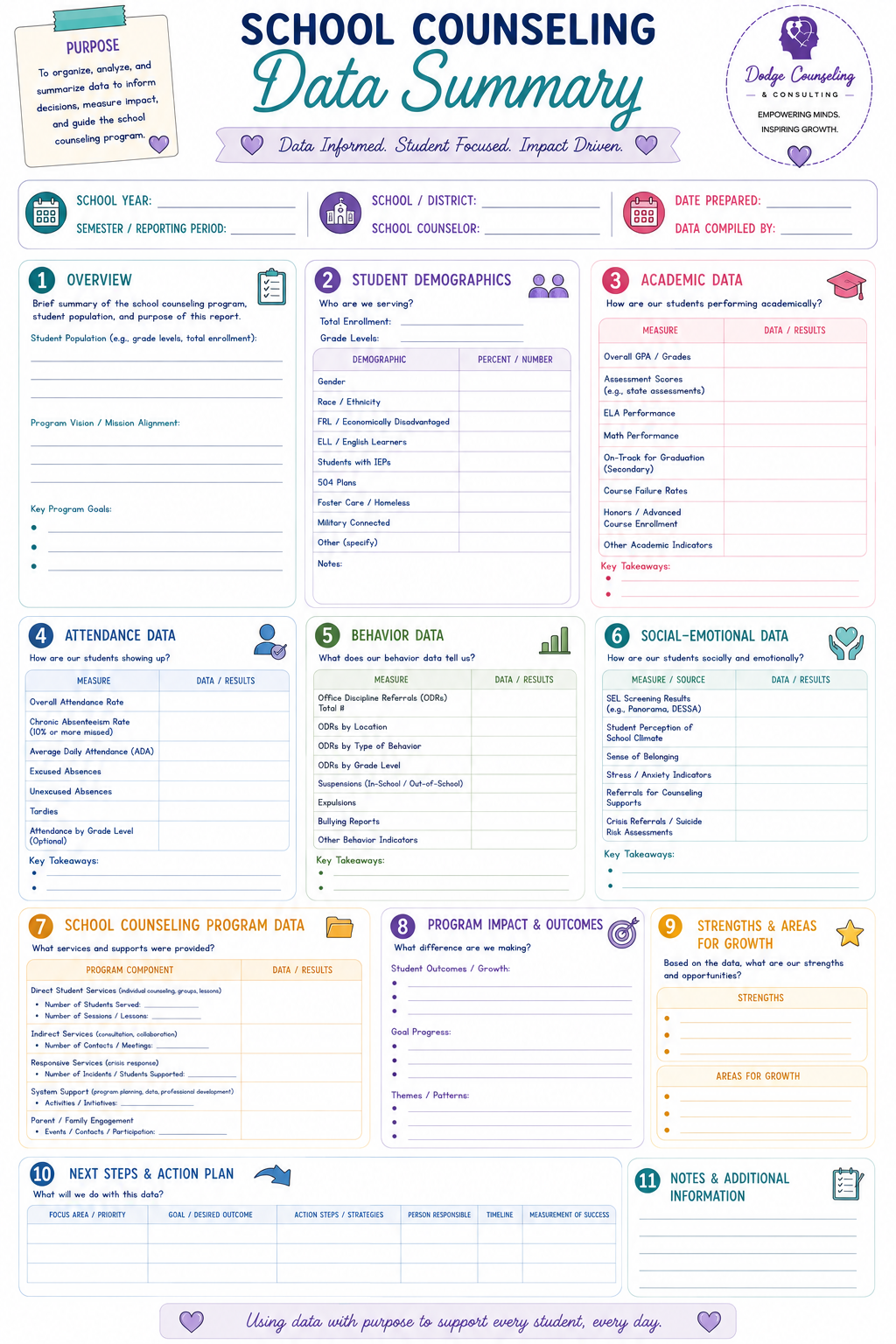
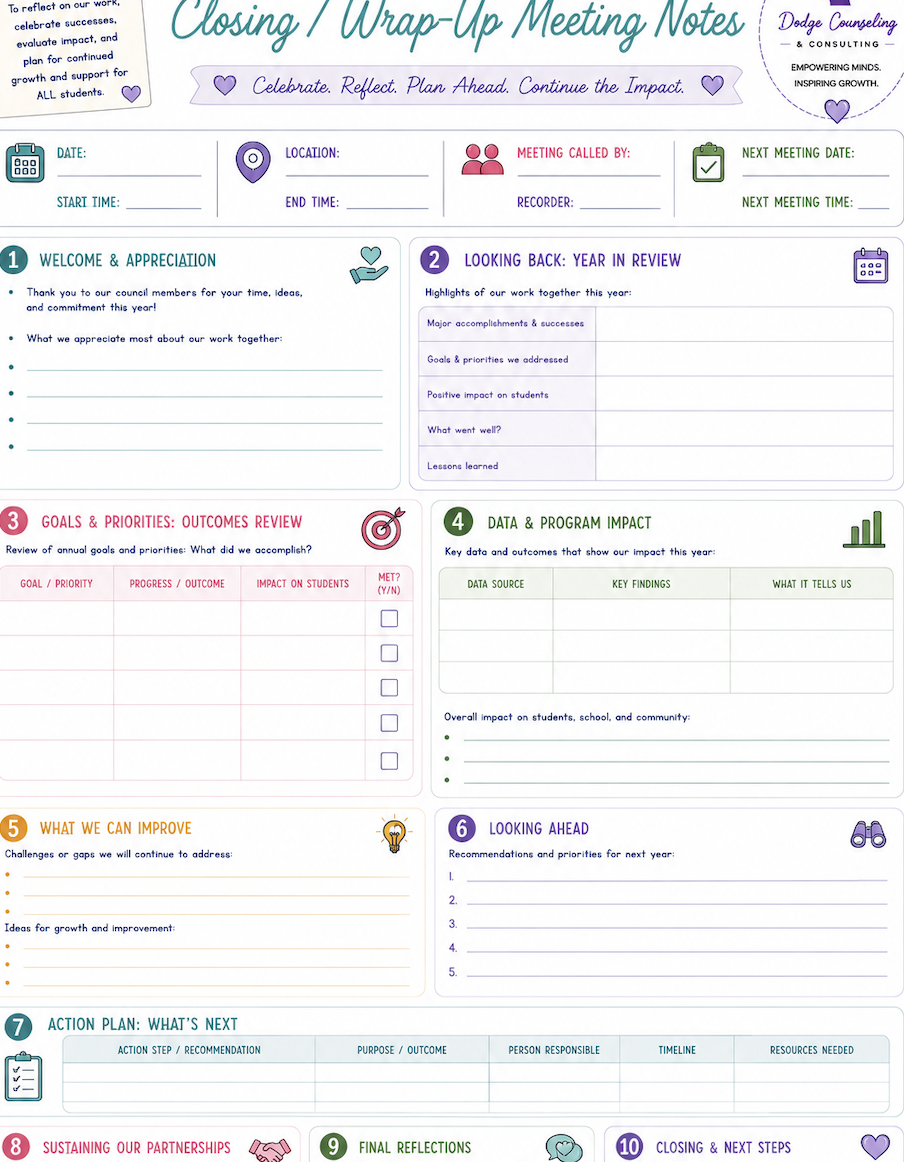
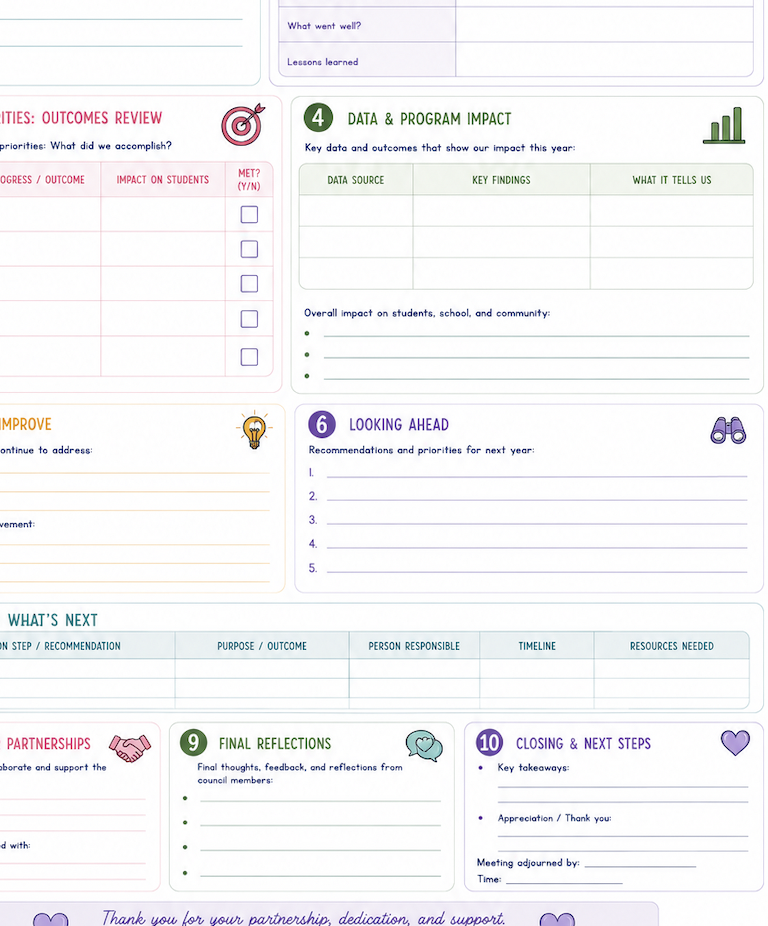
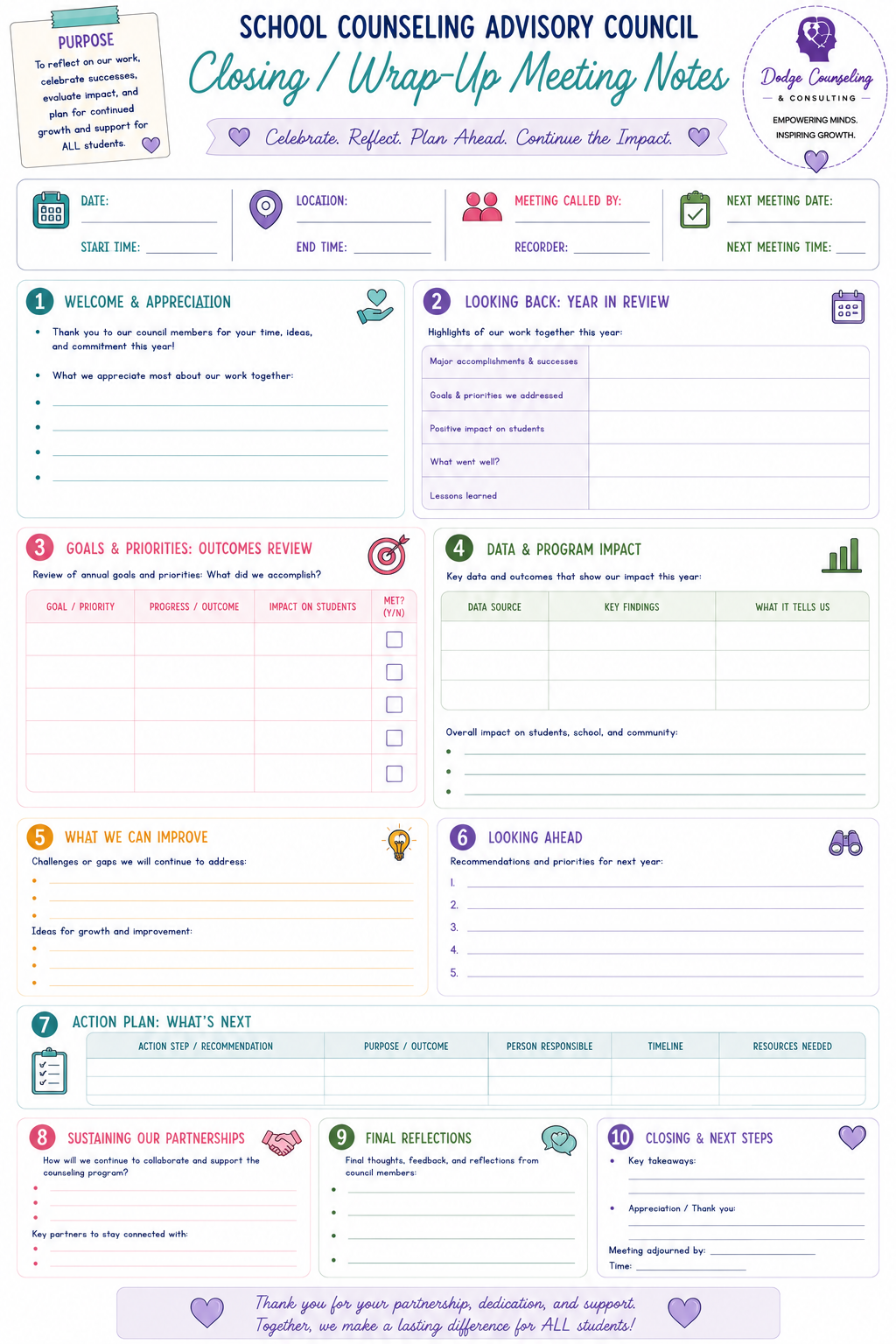
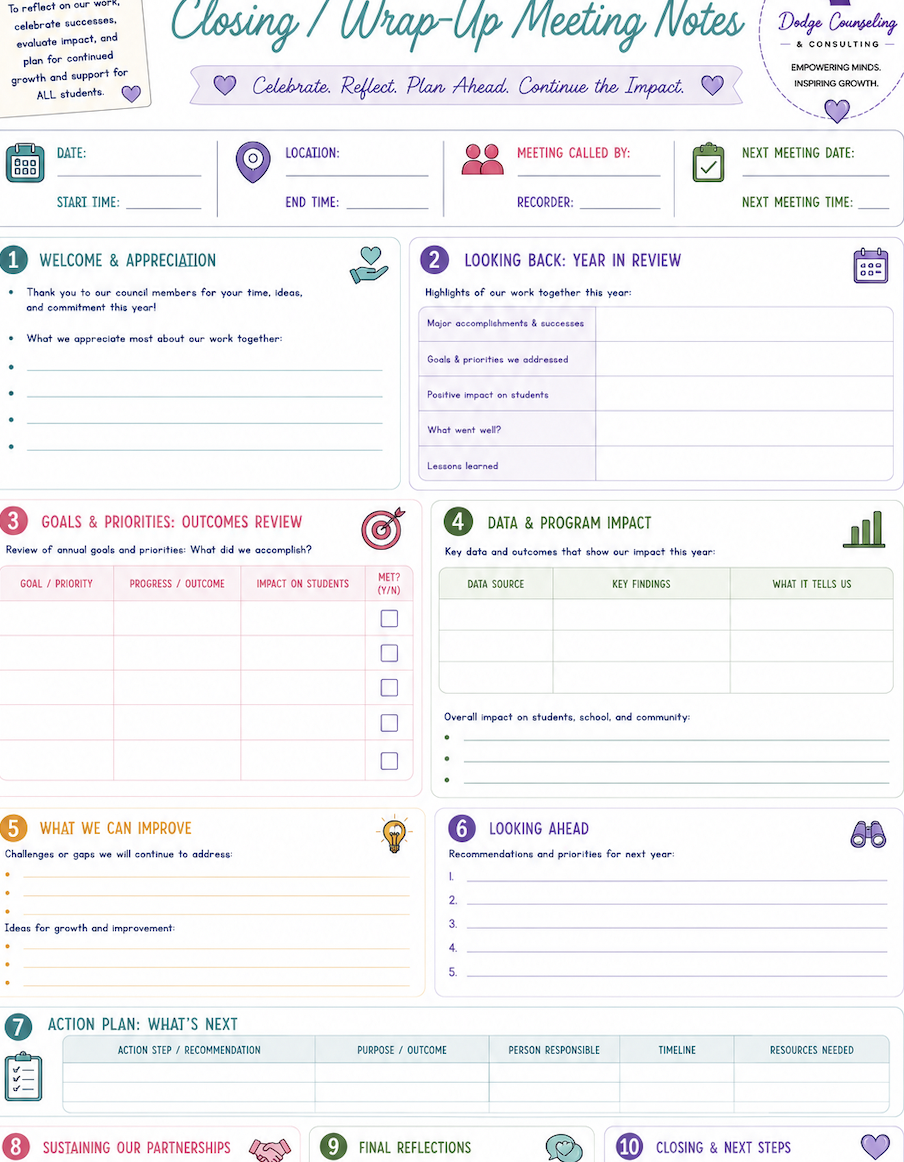
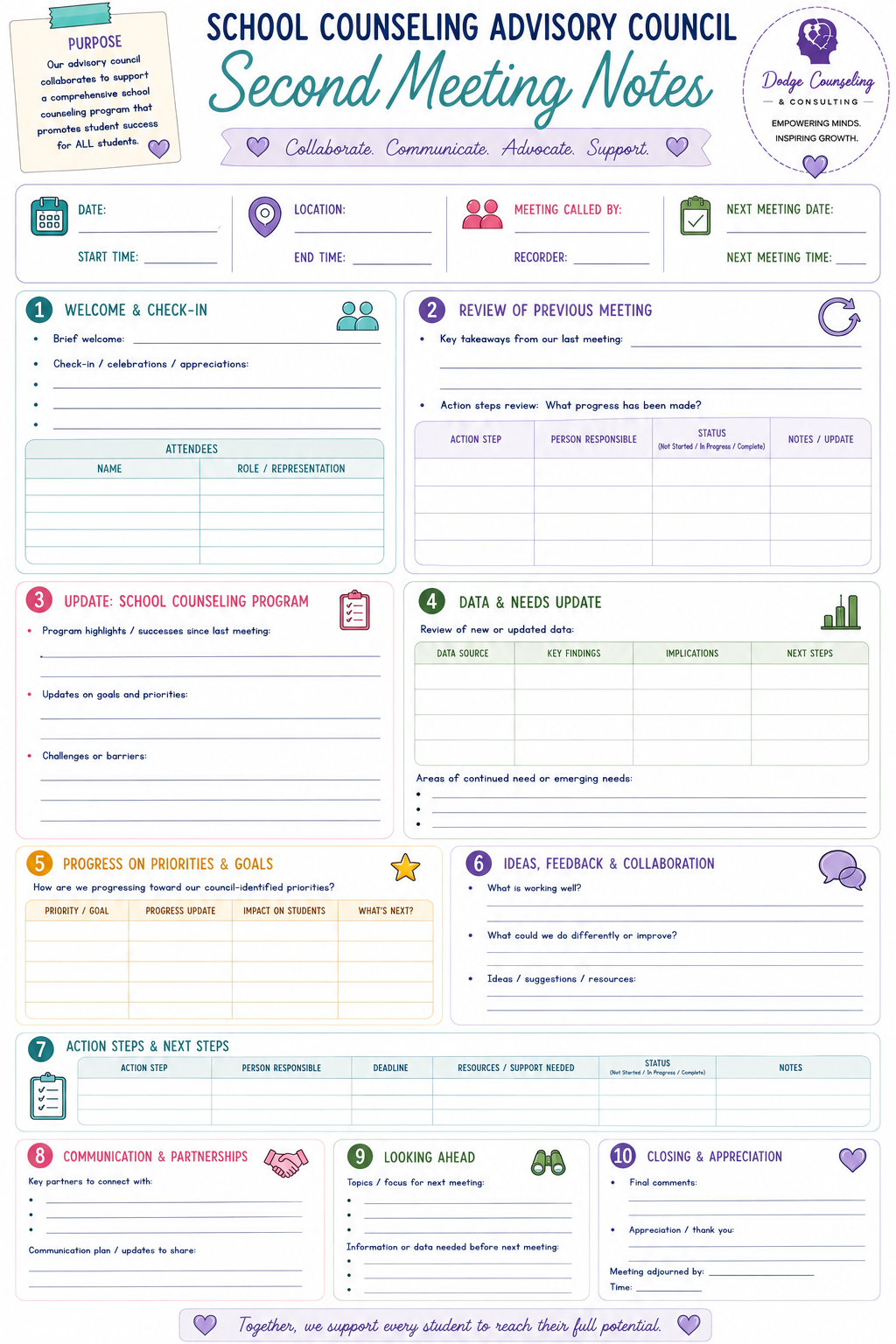
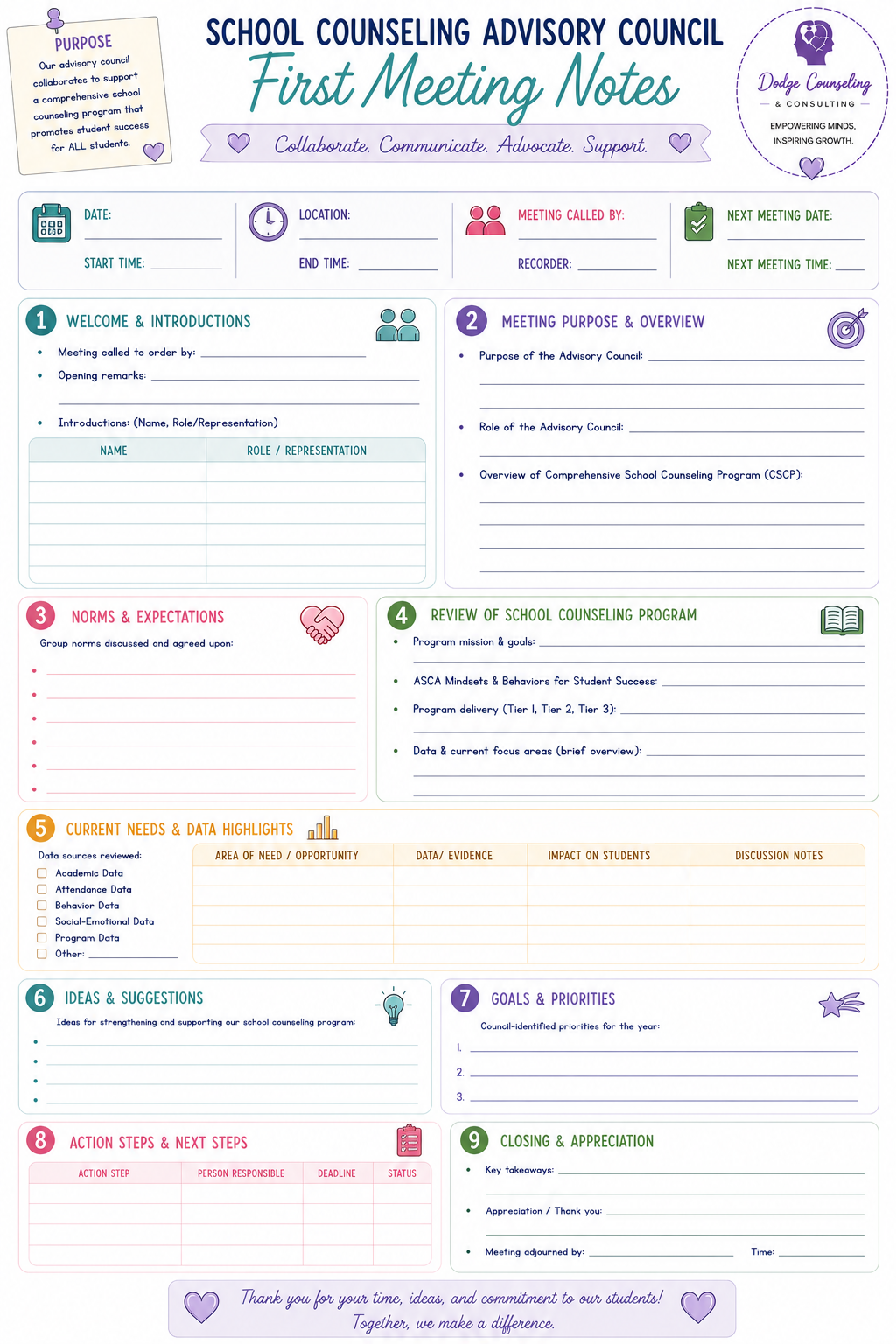
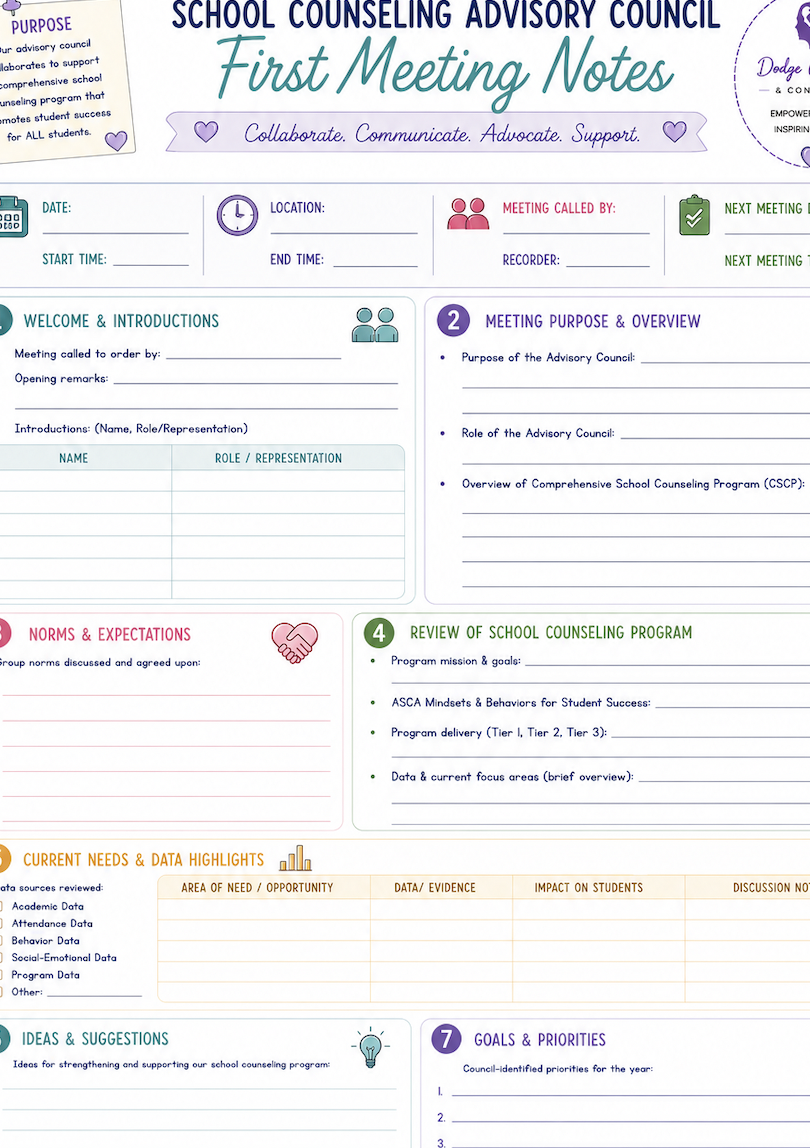
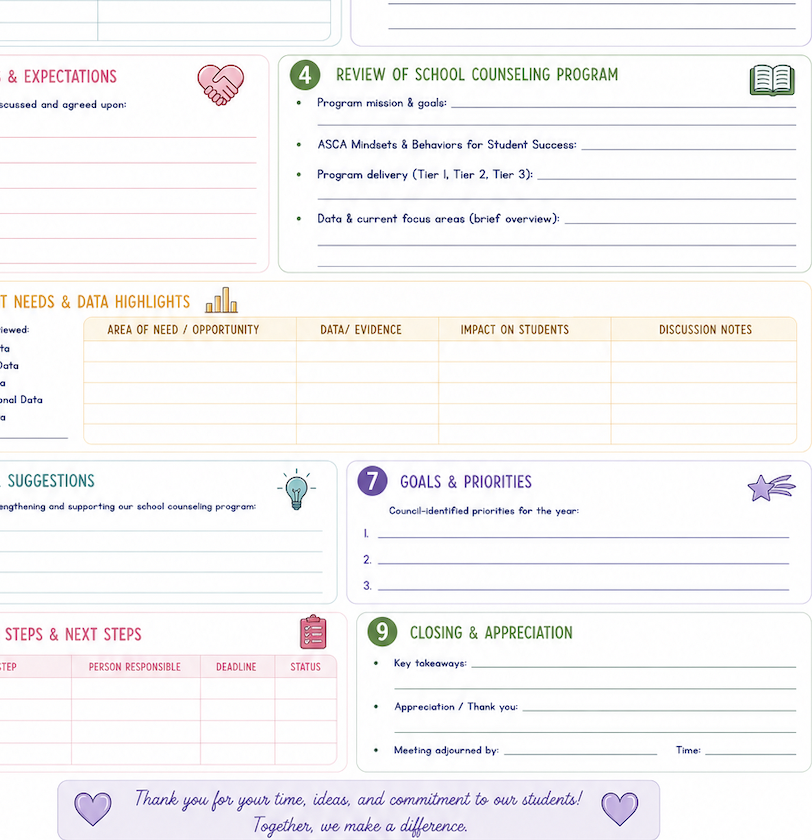
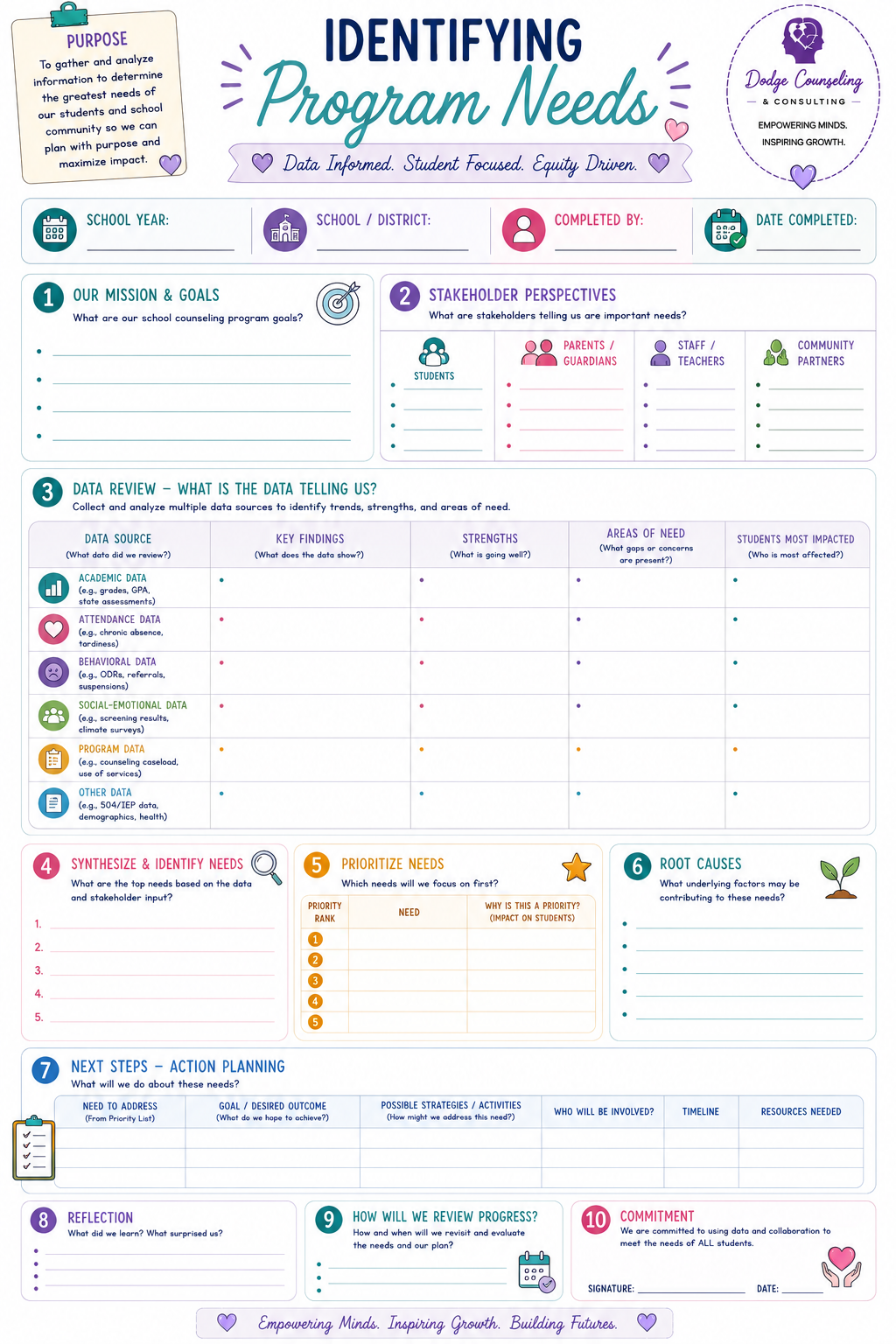
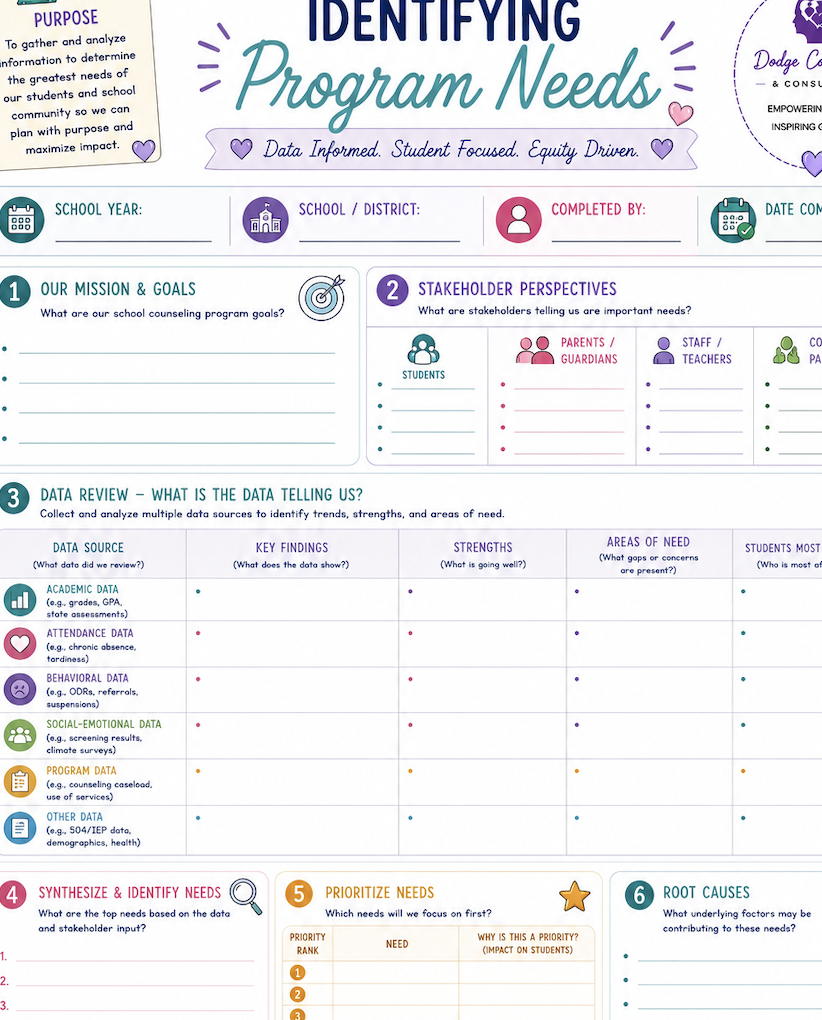
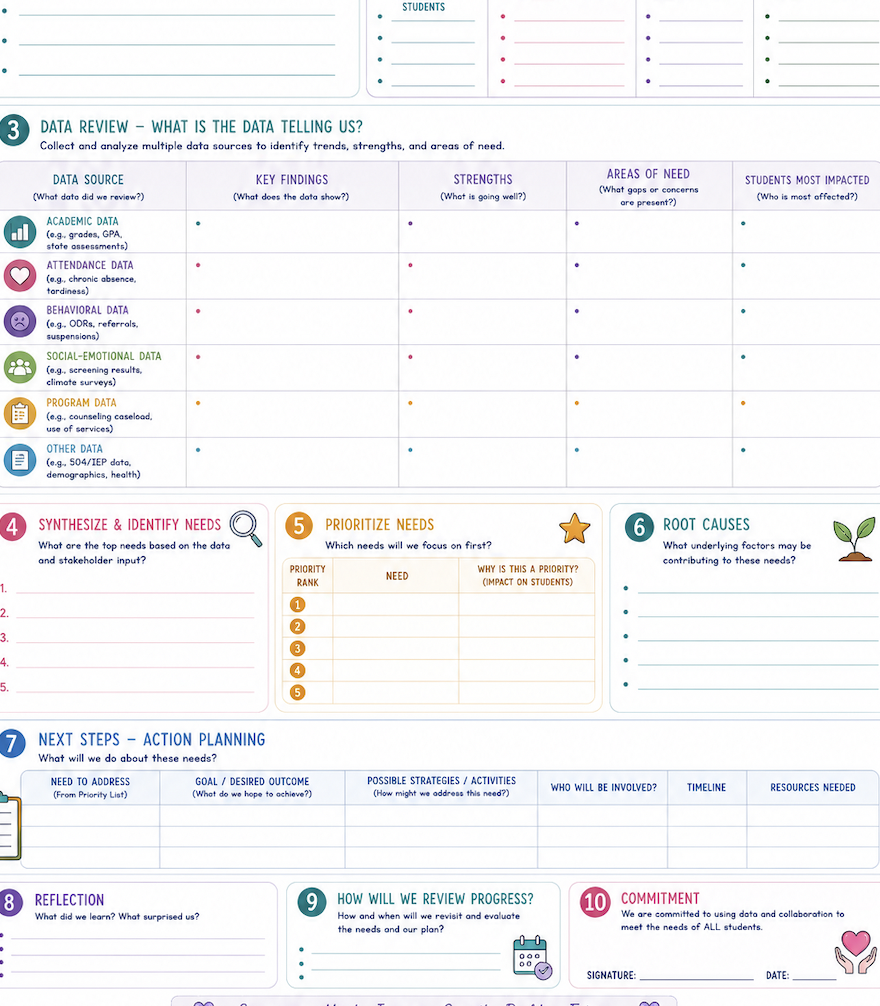
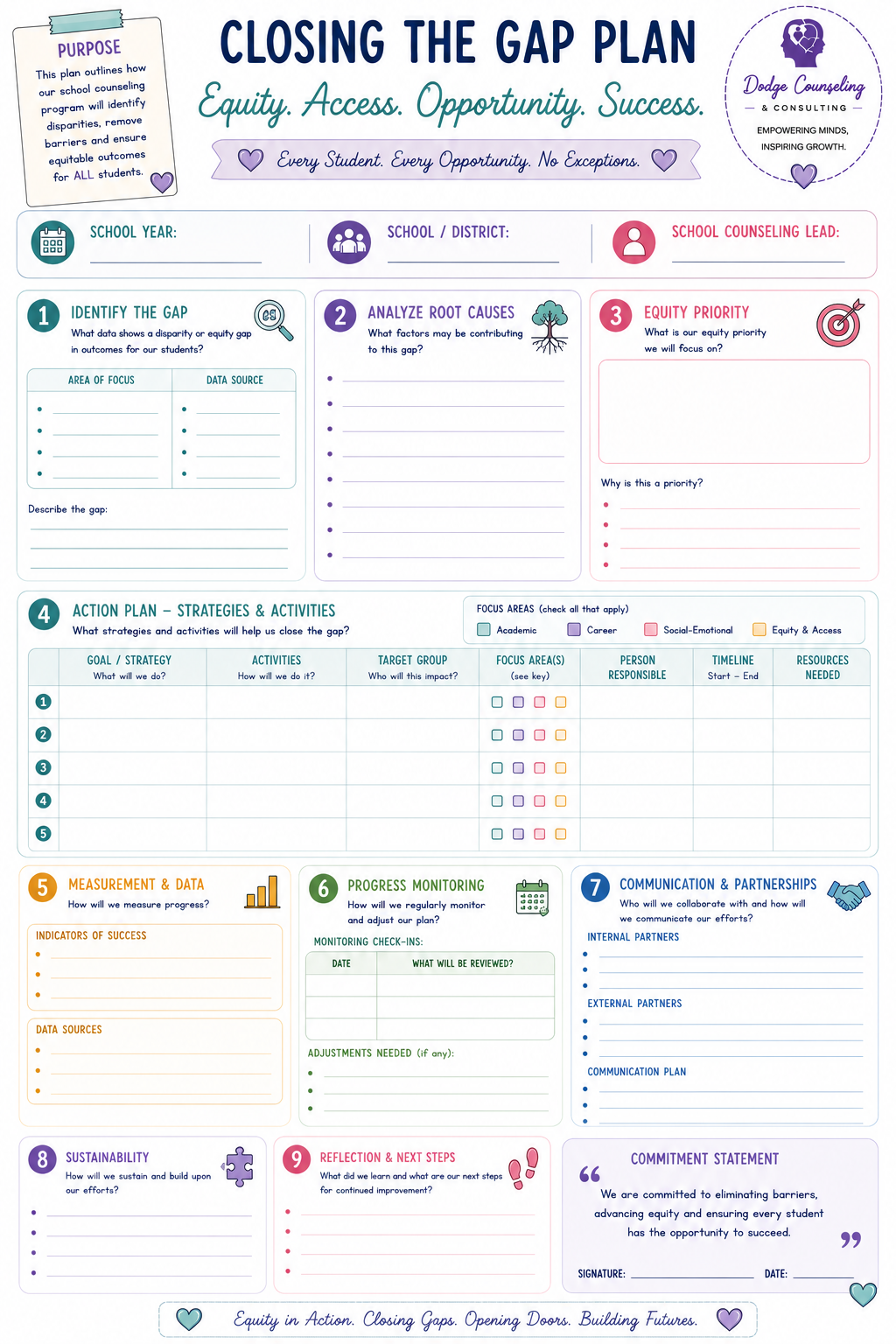
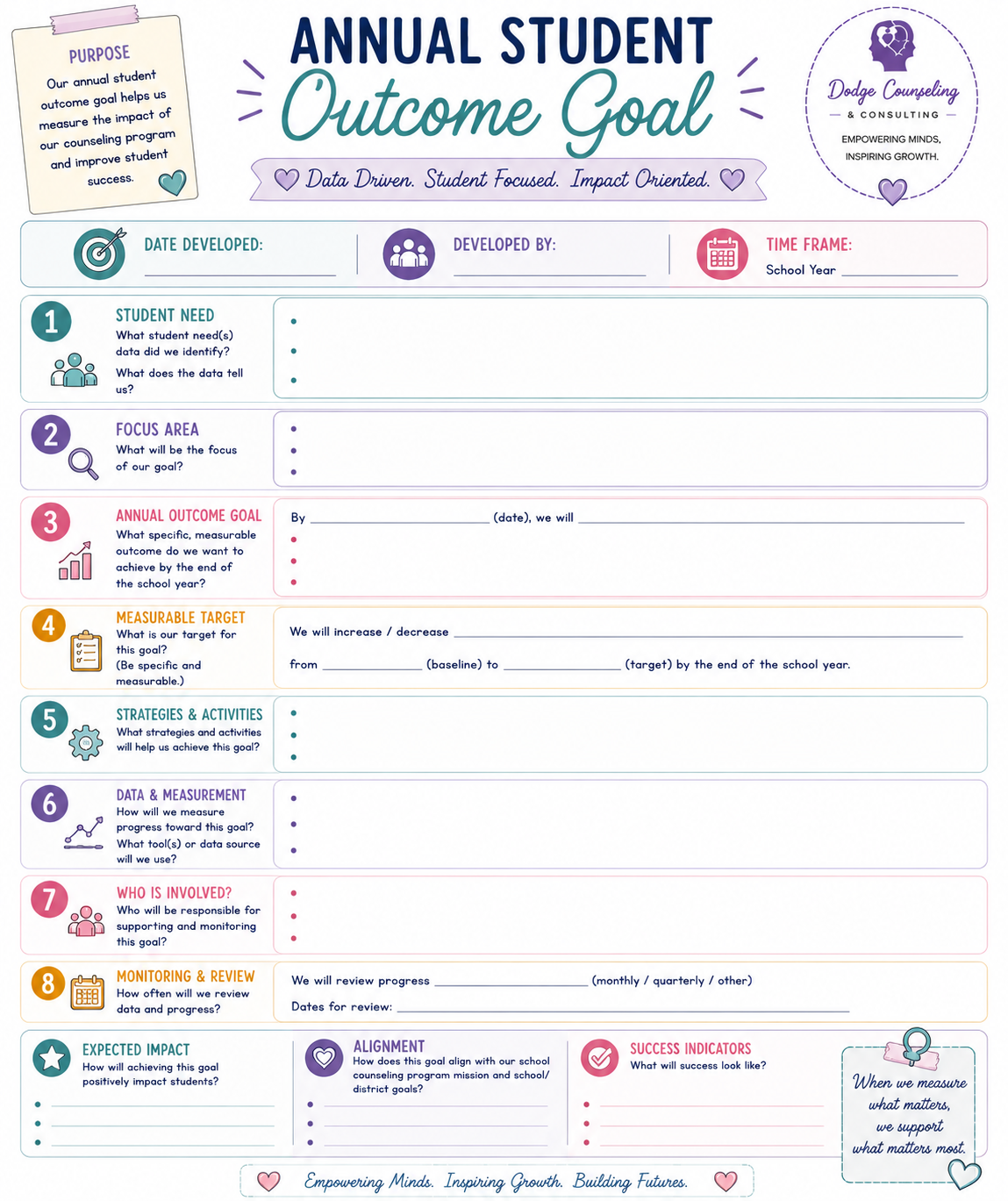
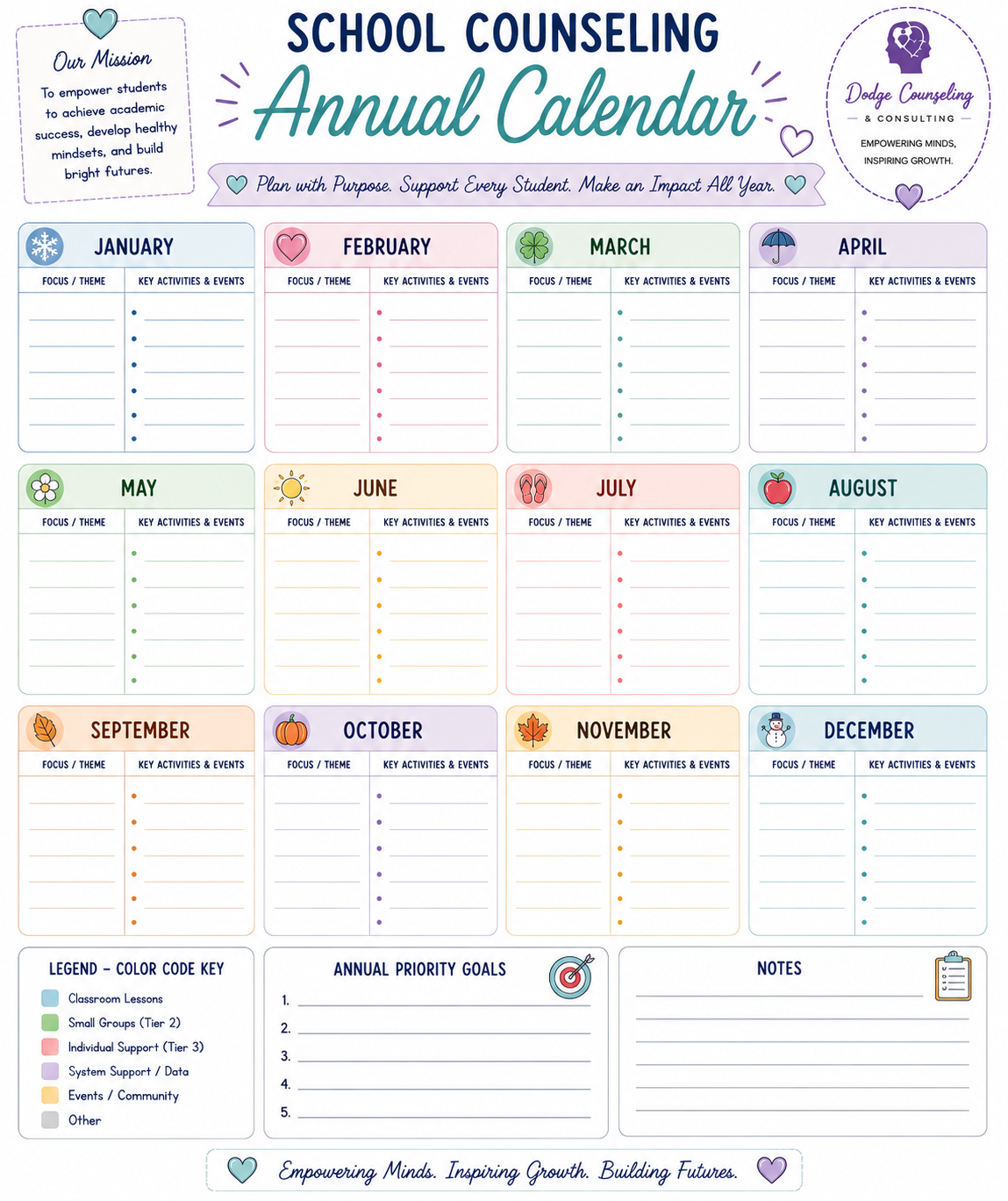
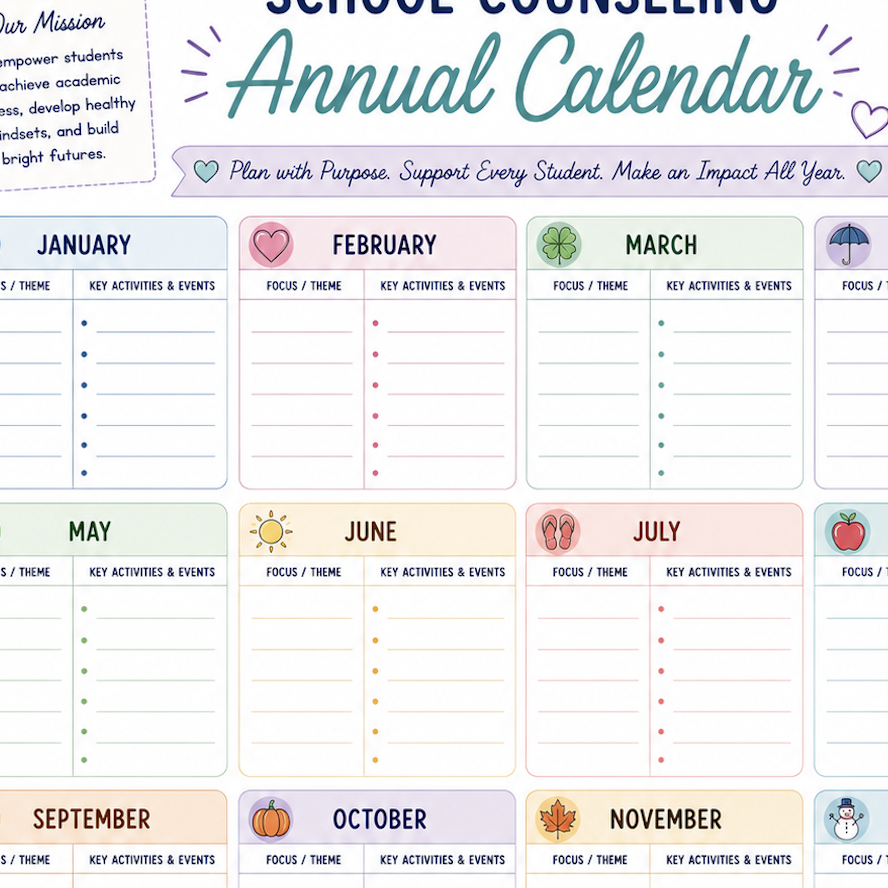
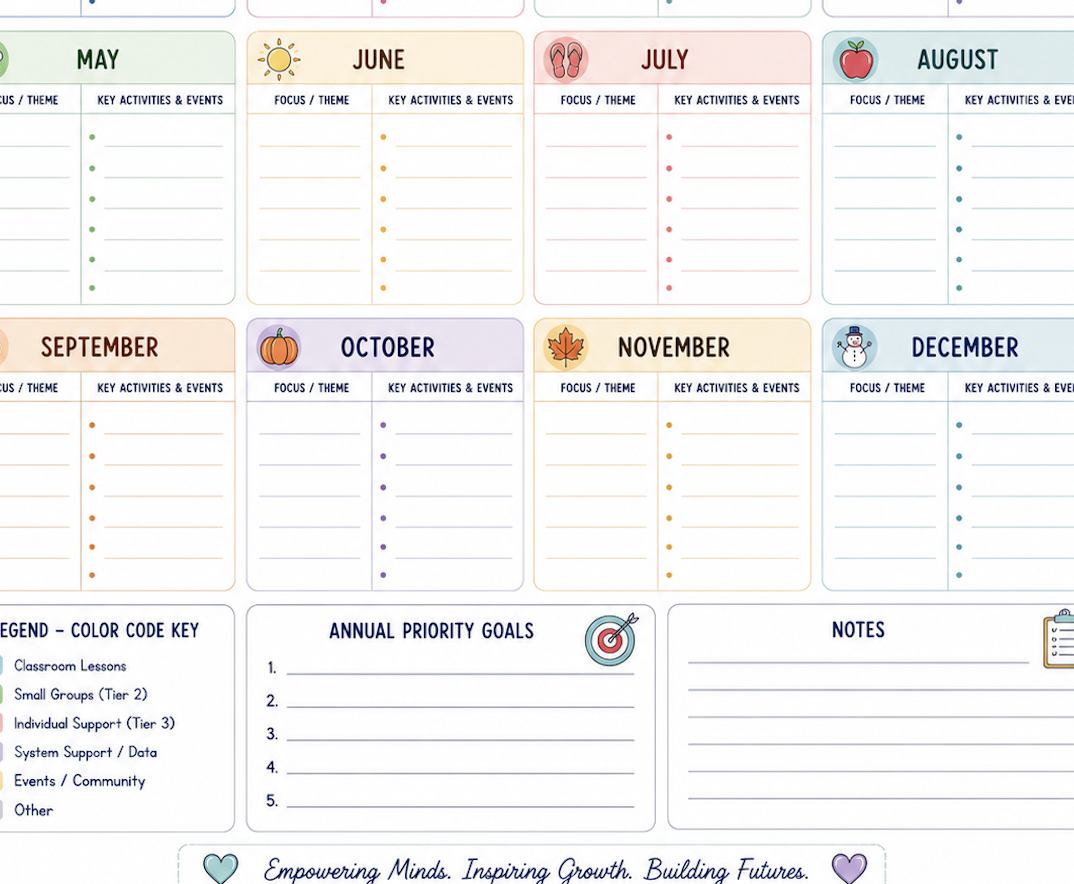
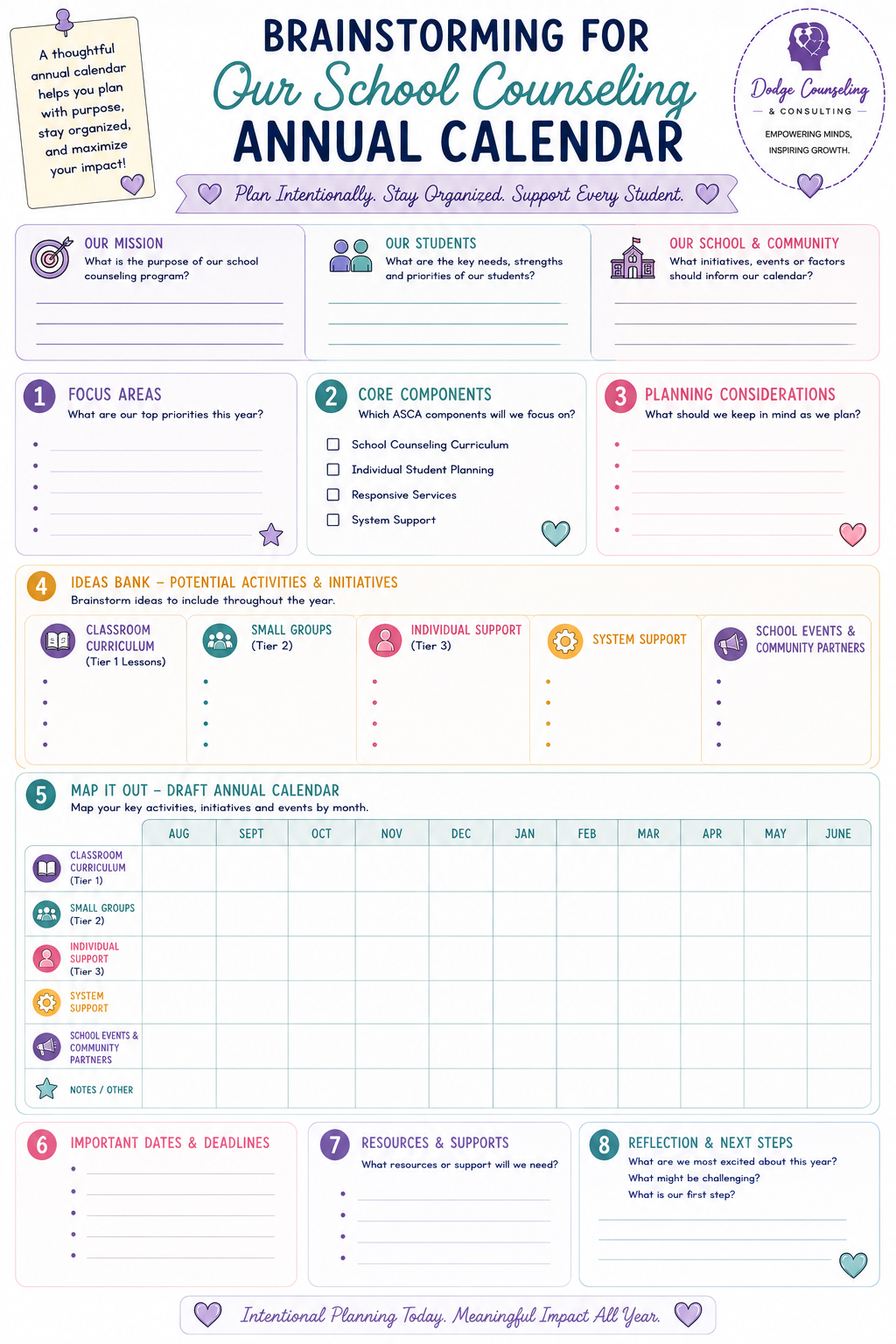
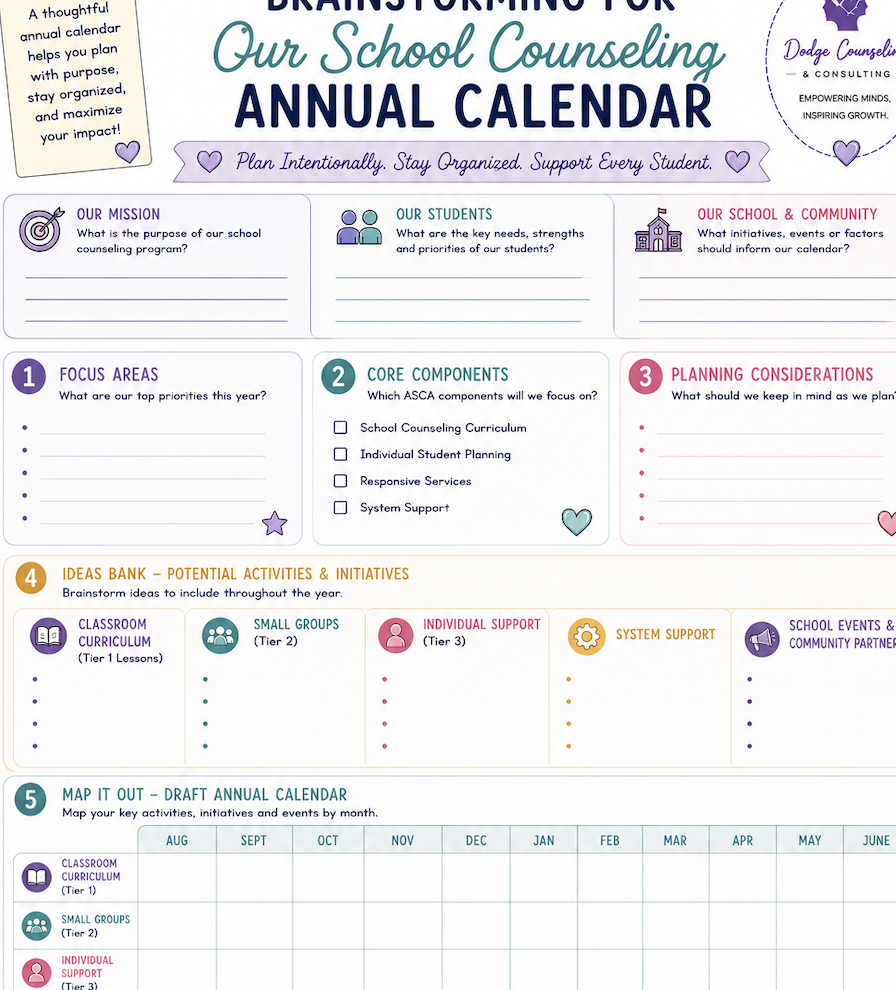
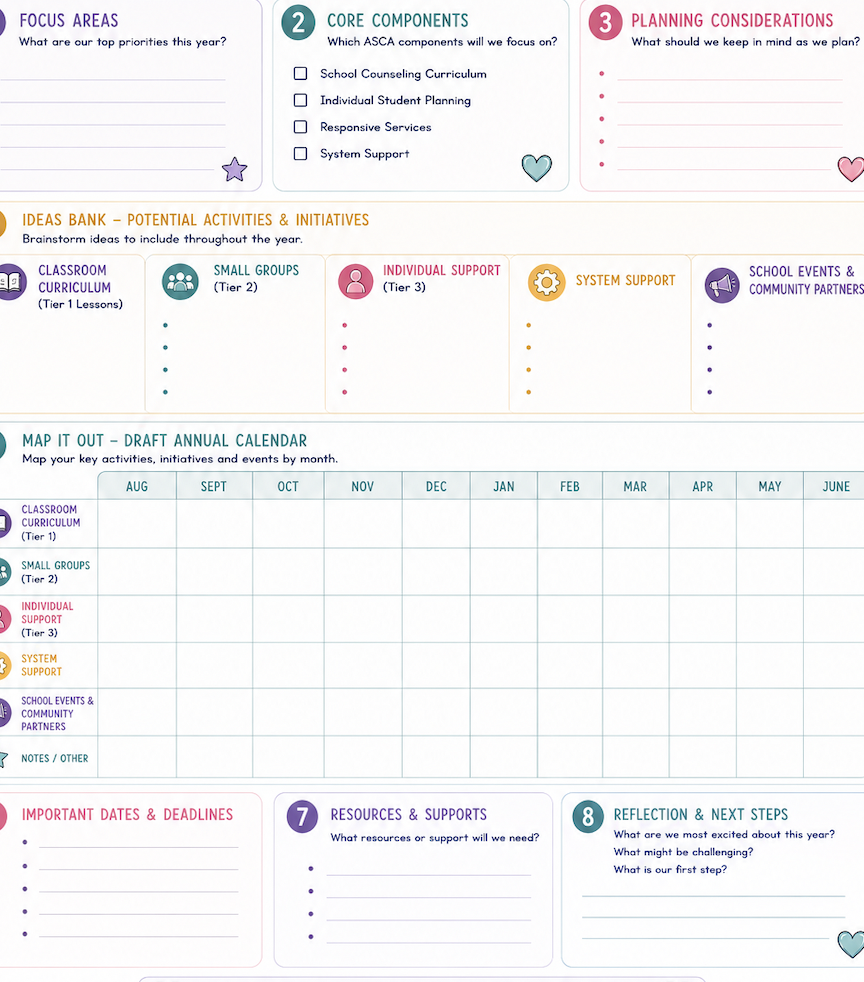
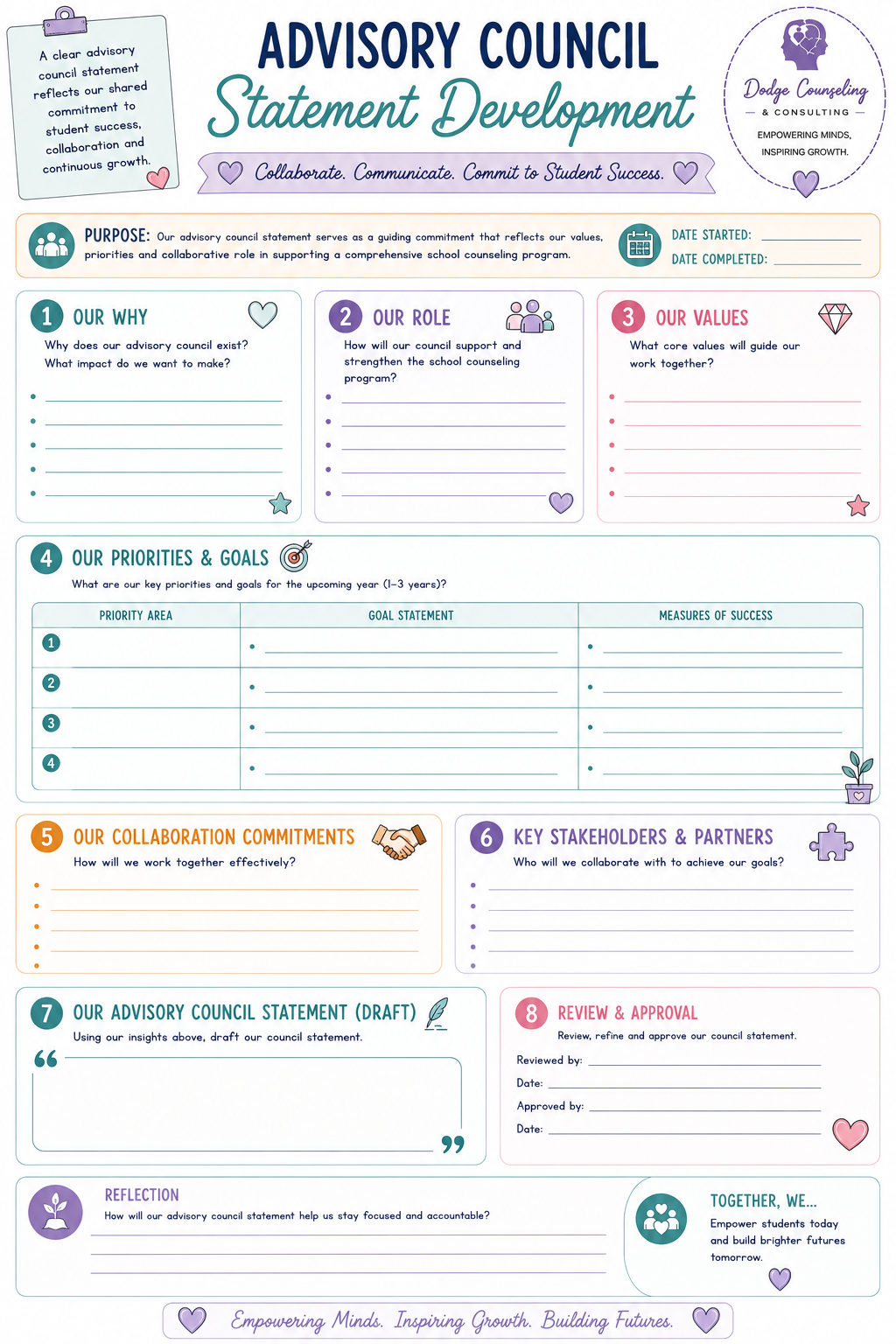
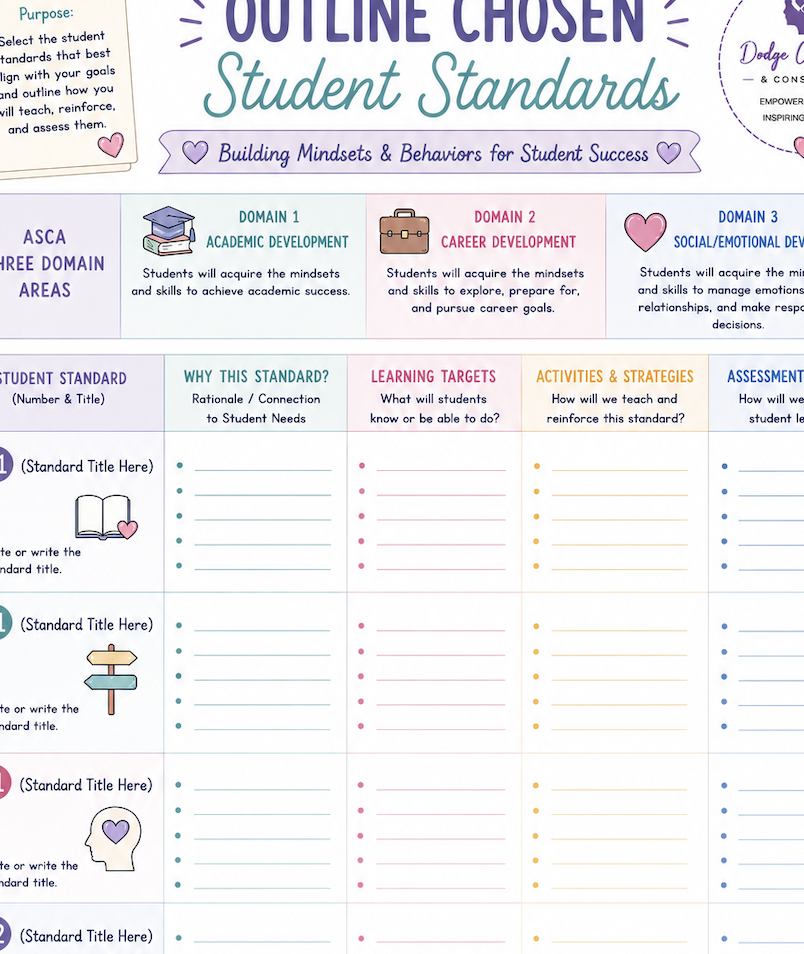
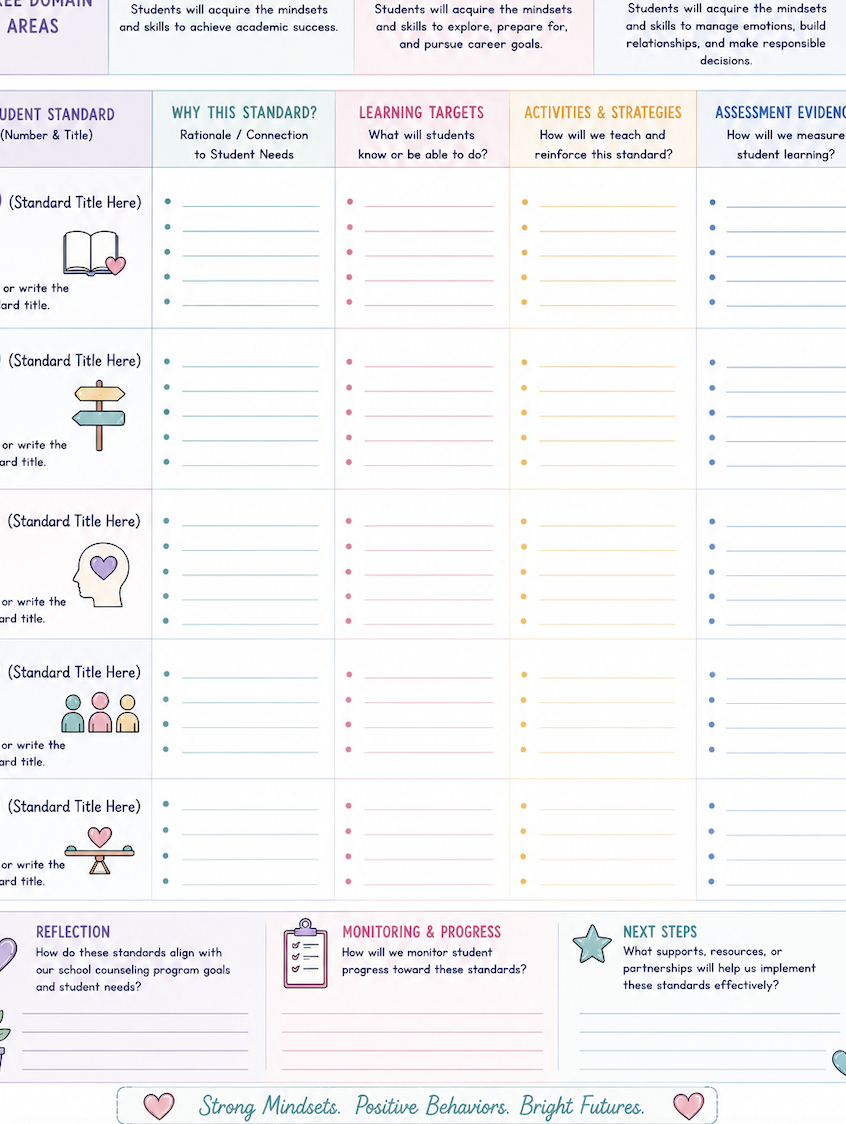
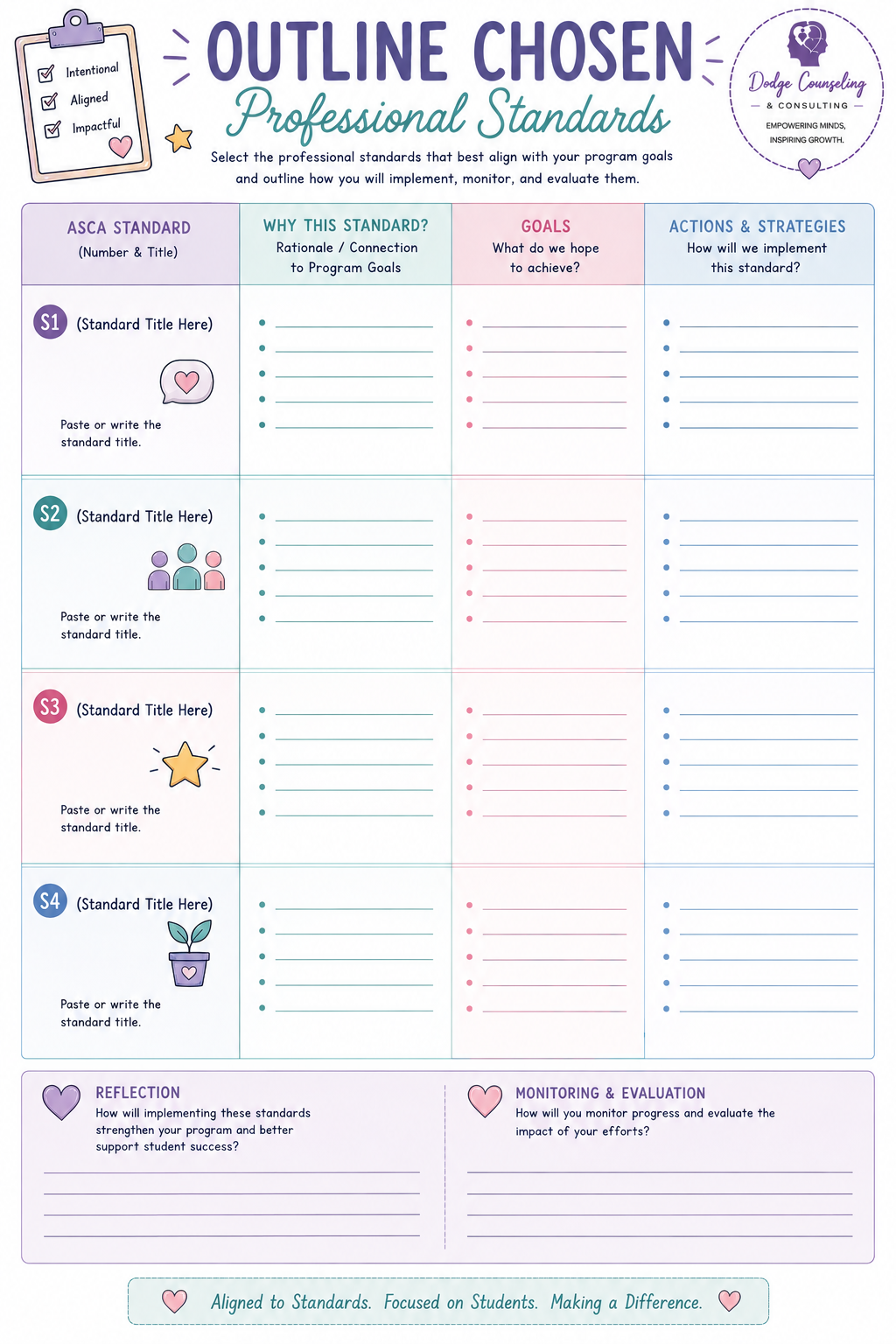
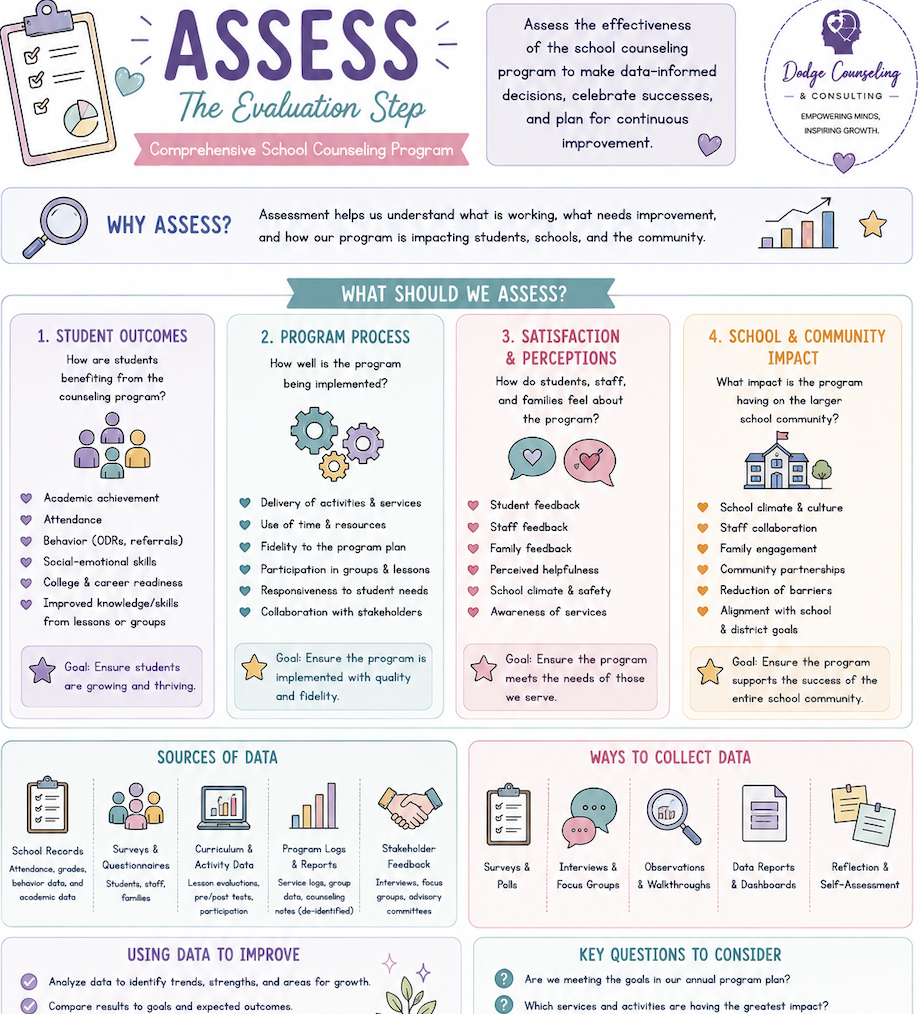
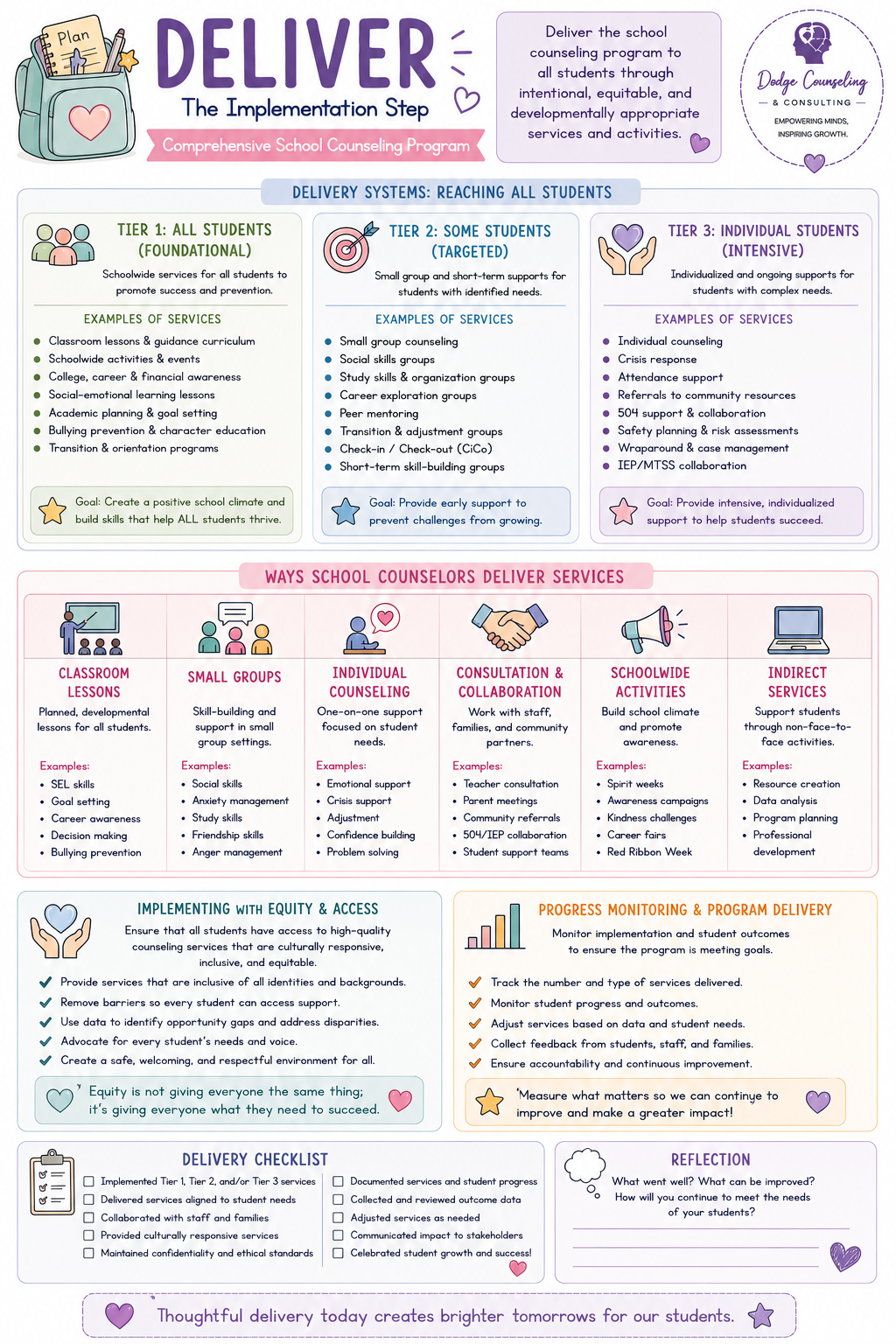
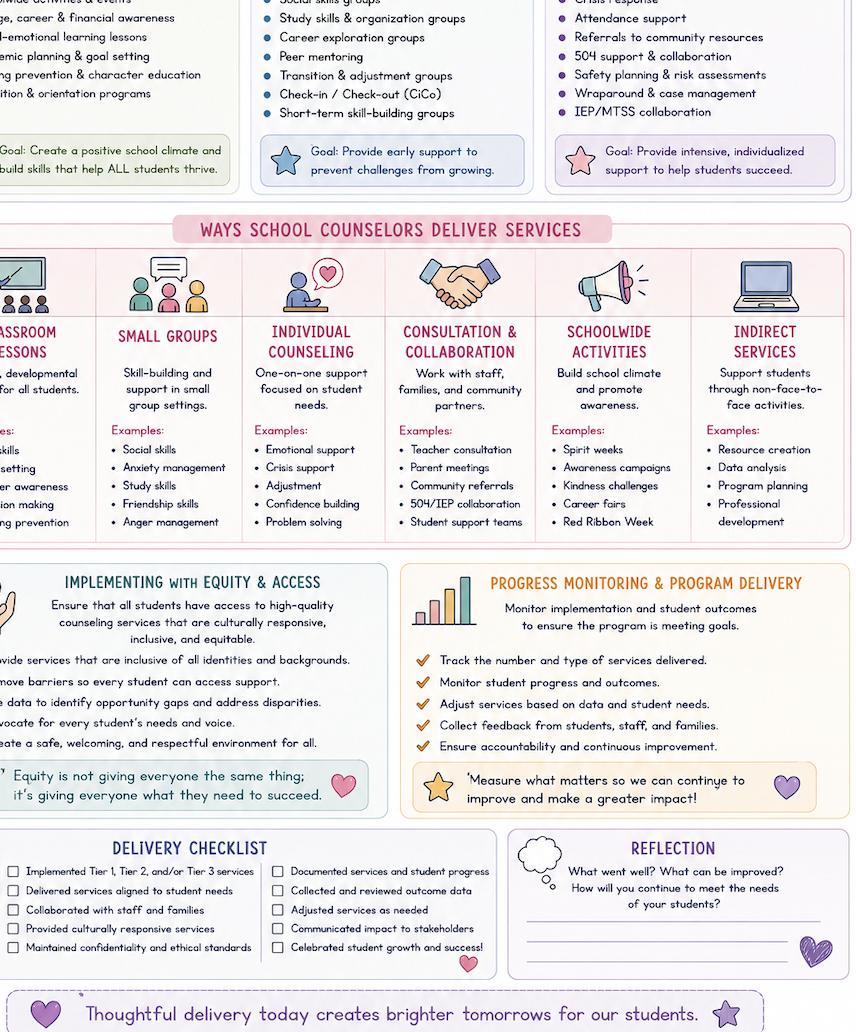
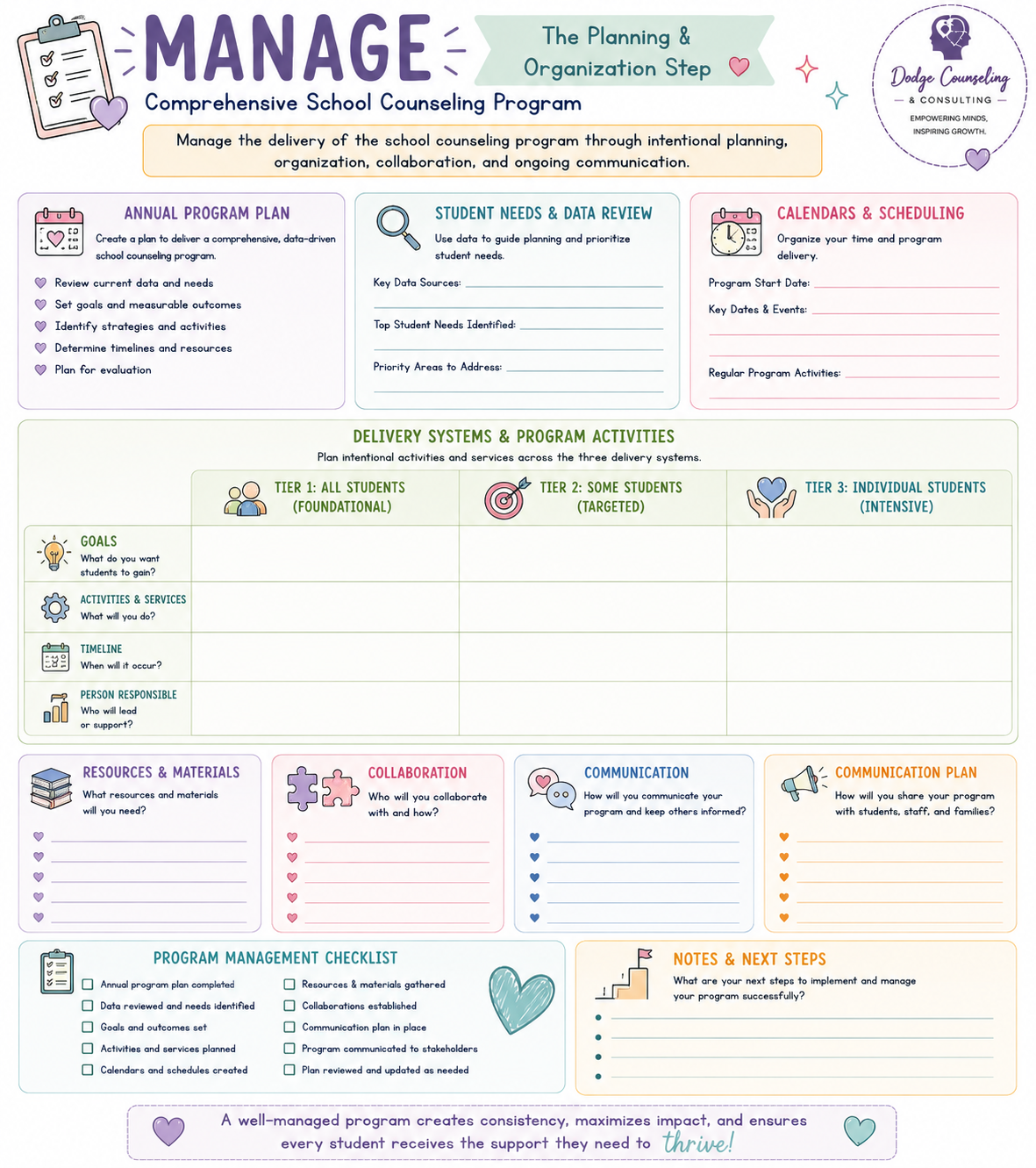
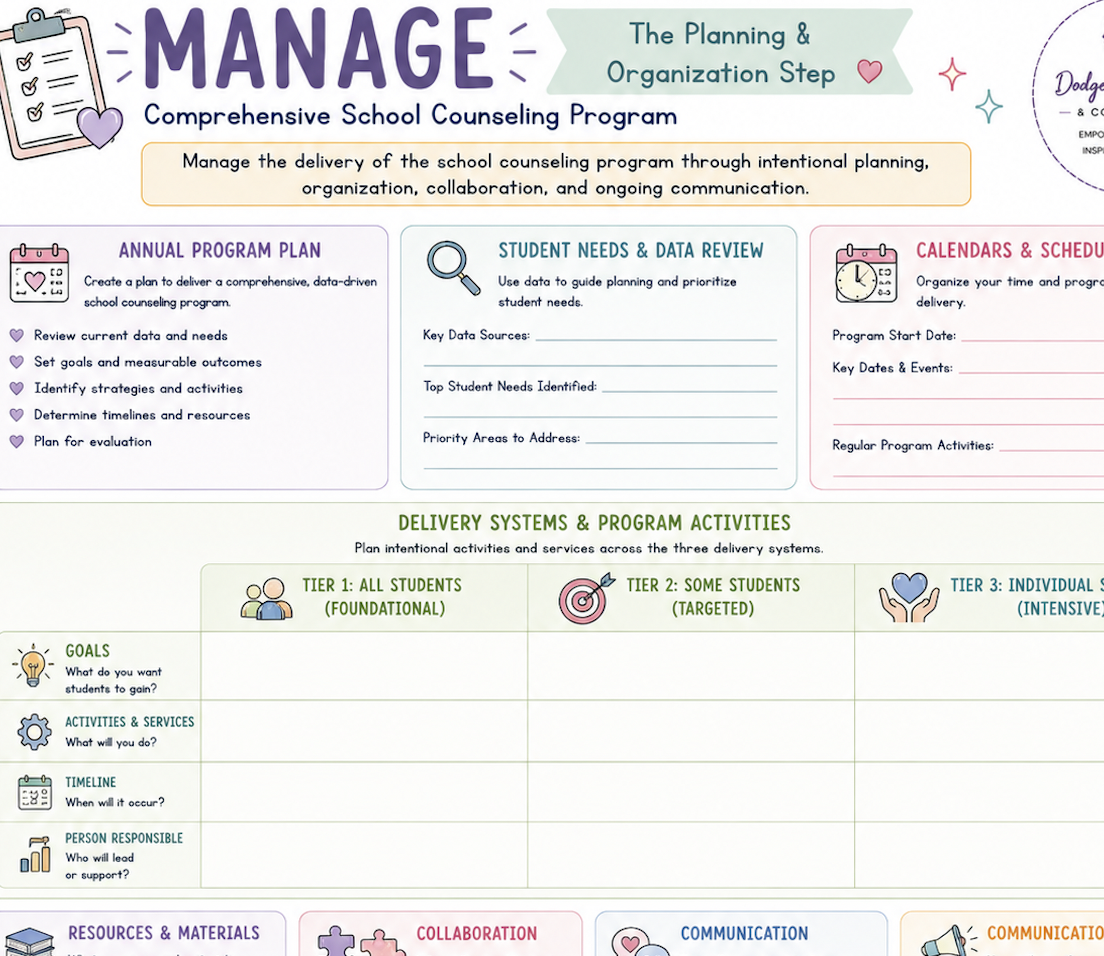
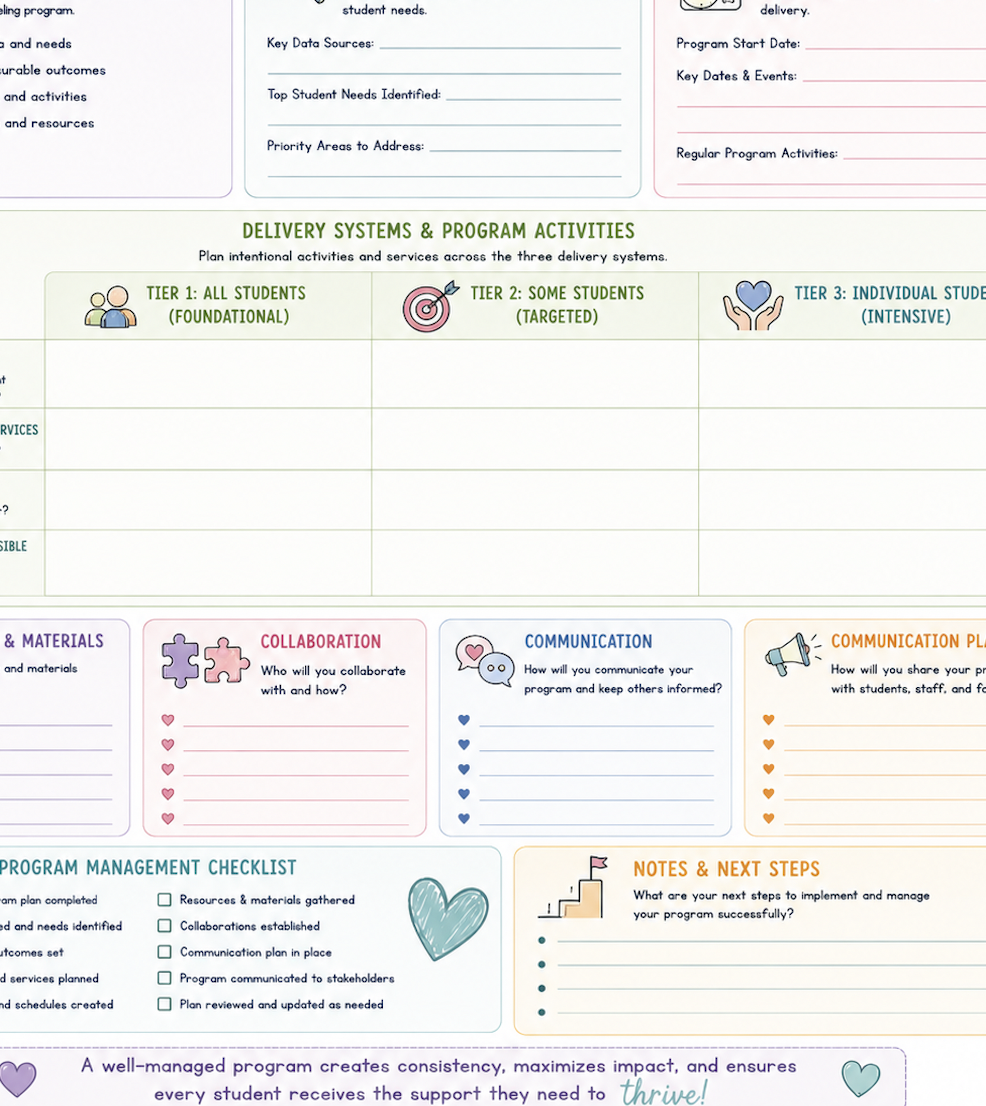
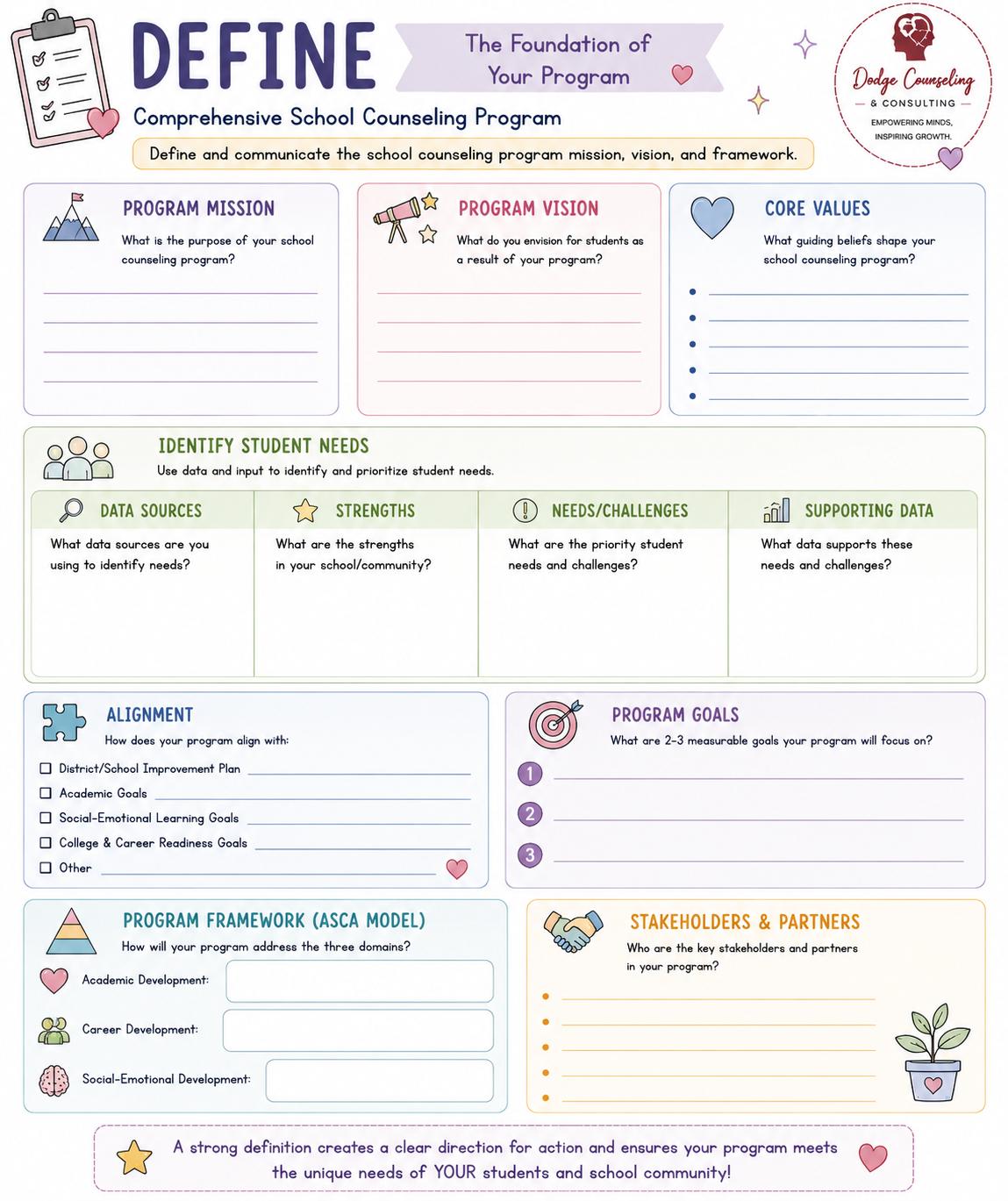
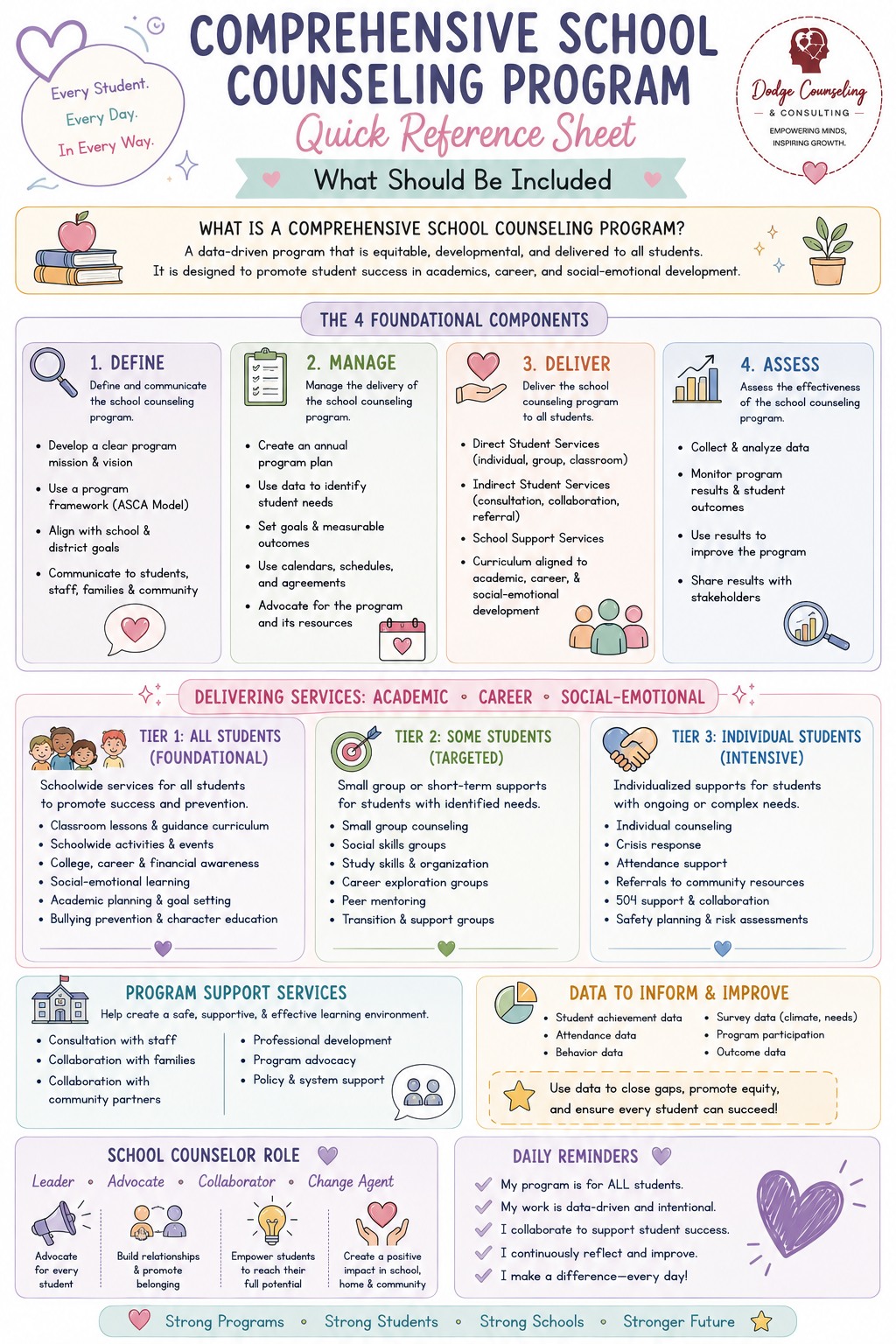
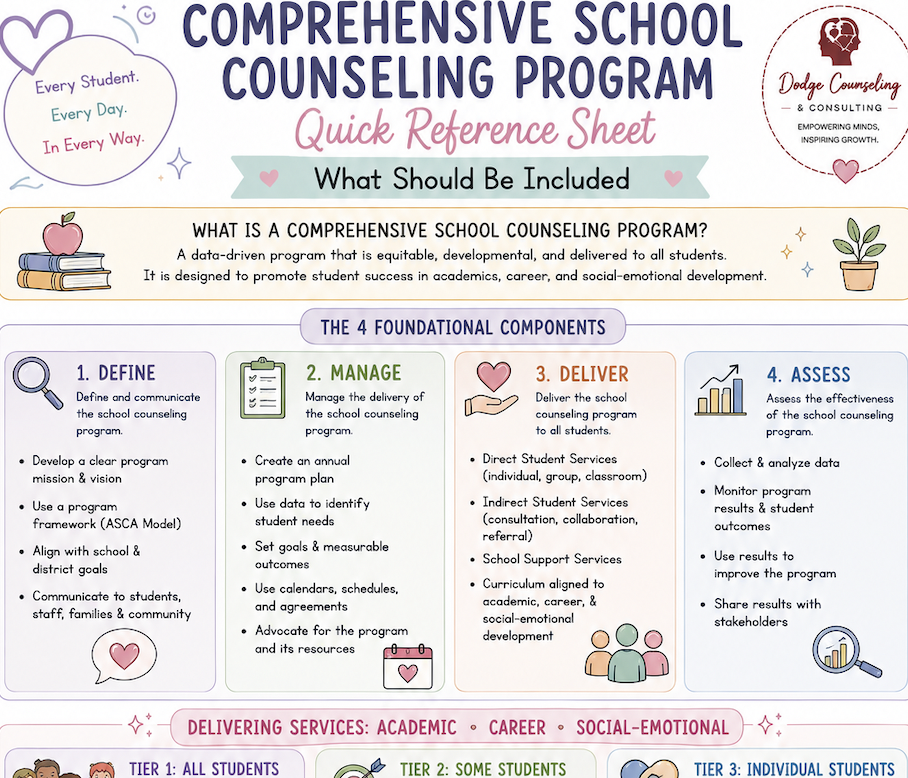
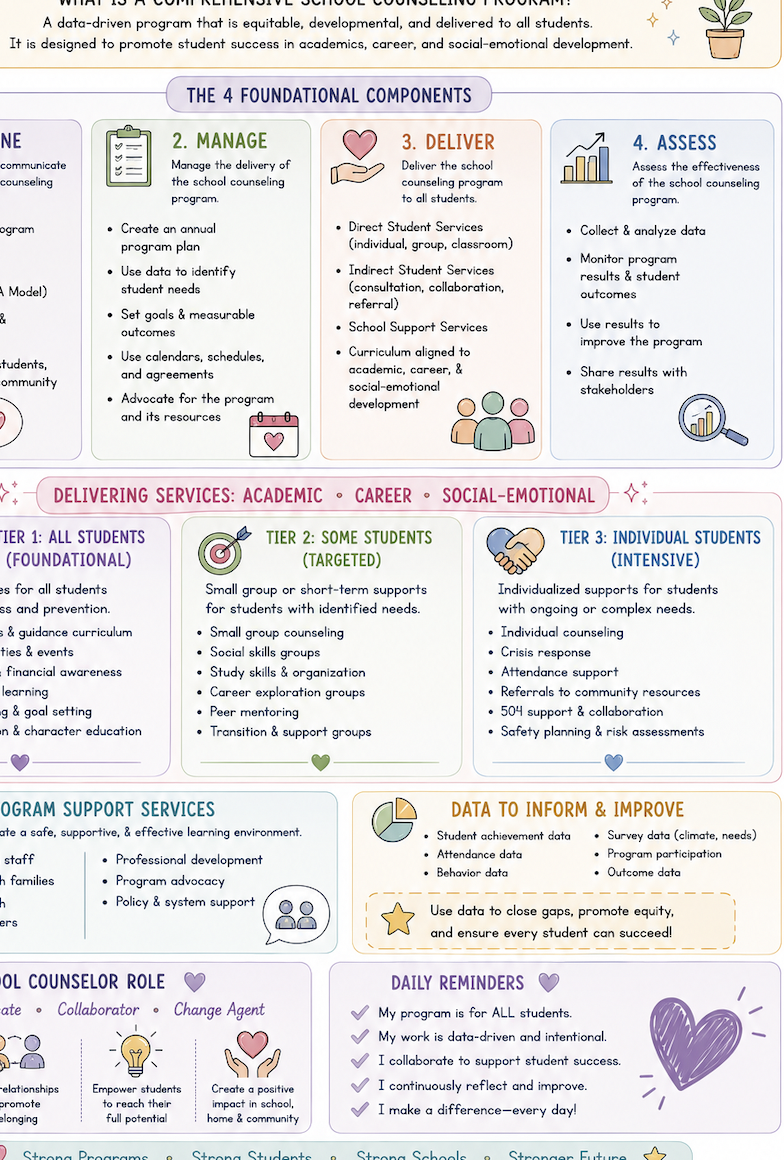
BUNDLE ALERT!! This is a collection of practical, ready-to-use templates and visual resources designed to help school counselors plan, implement, manage, evaluate, and showcase the impact of a comprehensive school counseling program. The bundle supports counselors in creating an organized, student-centered, and data-informed program while simplifying documentation and program accountability.
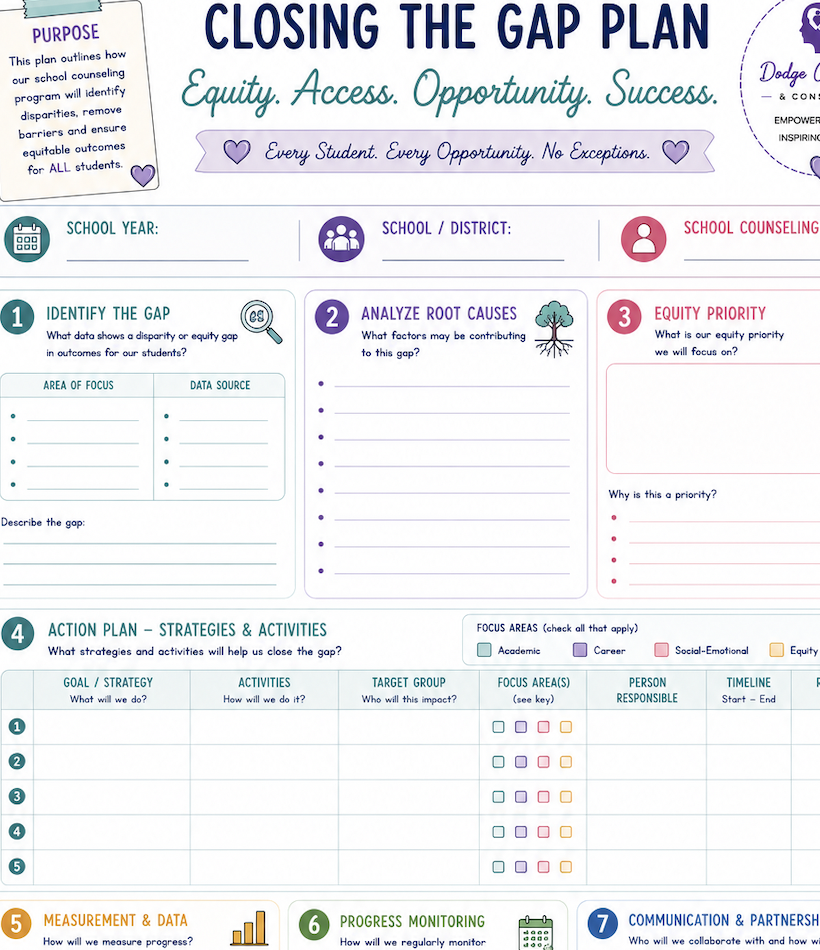
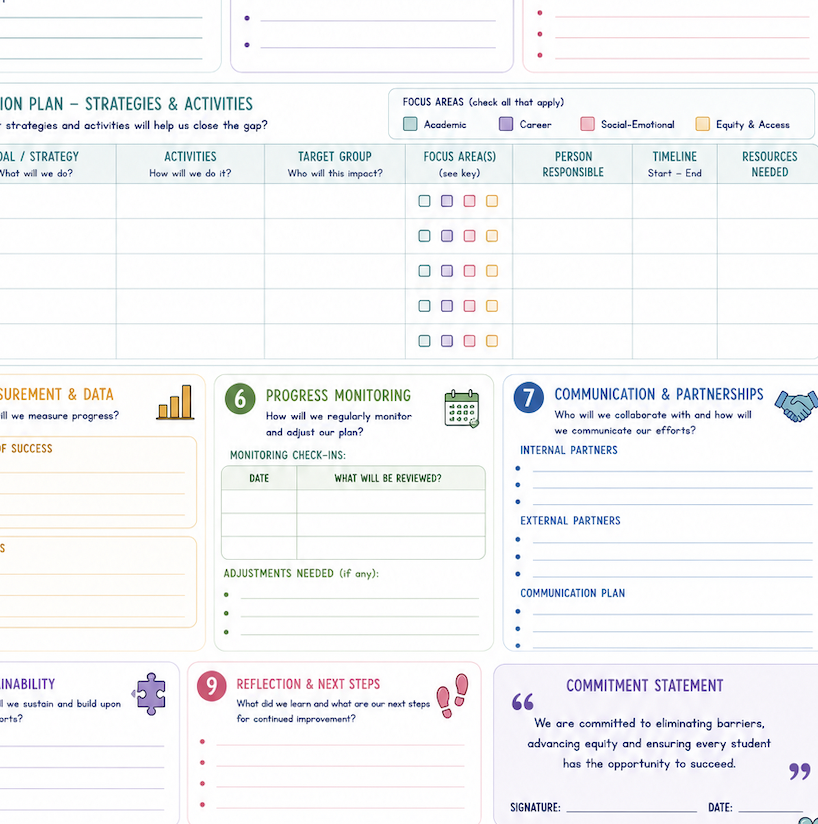
Resources cover key areas such as program planning, direct and indirect services, referral processes, advisory councils, student outcome goals, closing-the-gap planning, school and program data, stakeholder collaboration and needs assessment, session outcome measurement, use-of-time tracking, program evaluation, and counselor performance appraisal. Designed for K–12 school counselors, the materials can be adapted to fit individual school and district needs while supporting a cohesive approach to academic, social-emotional, and college/career development.
Plan with purpose. Use data with confidence. Showcase your impact.
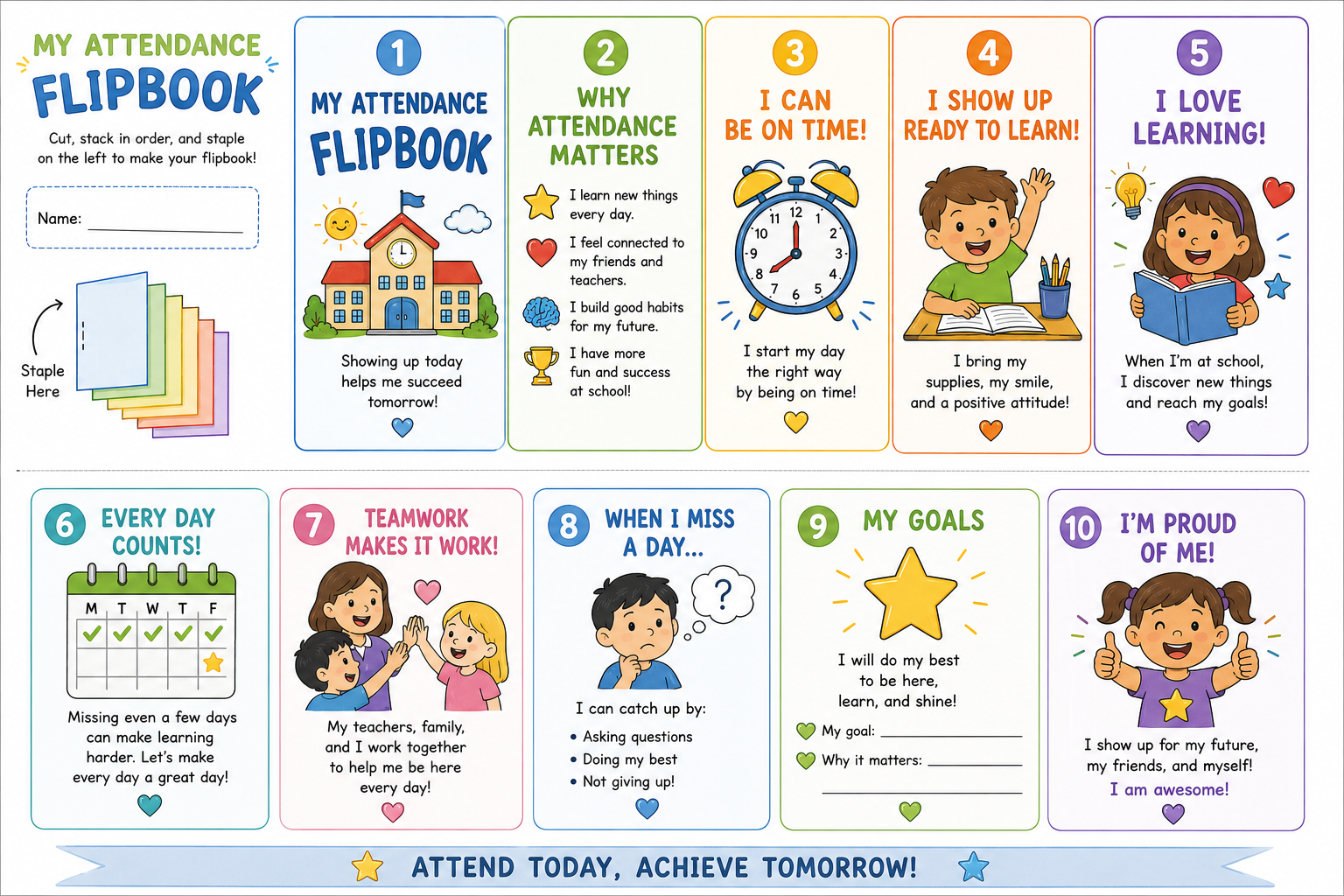
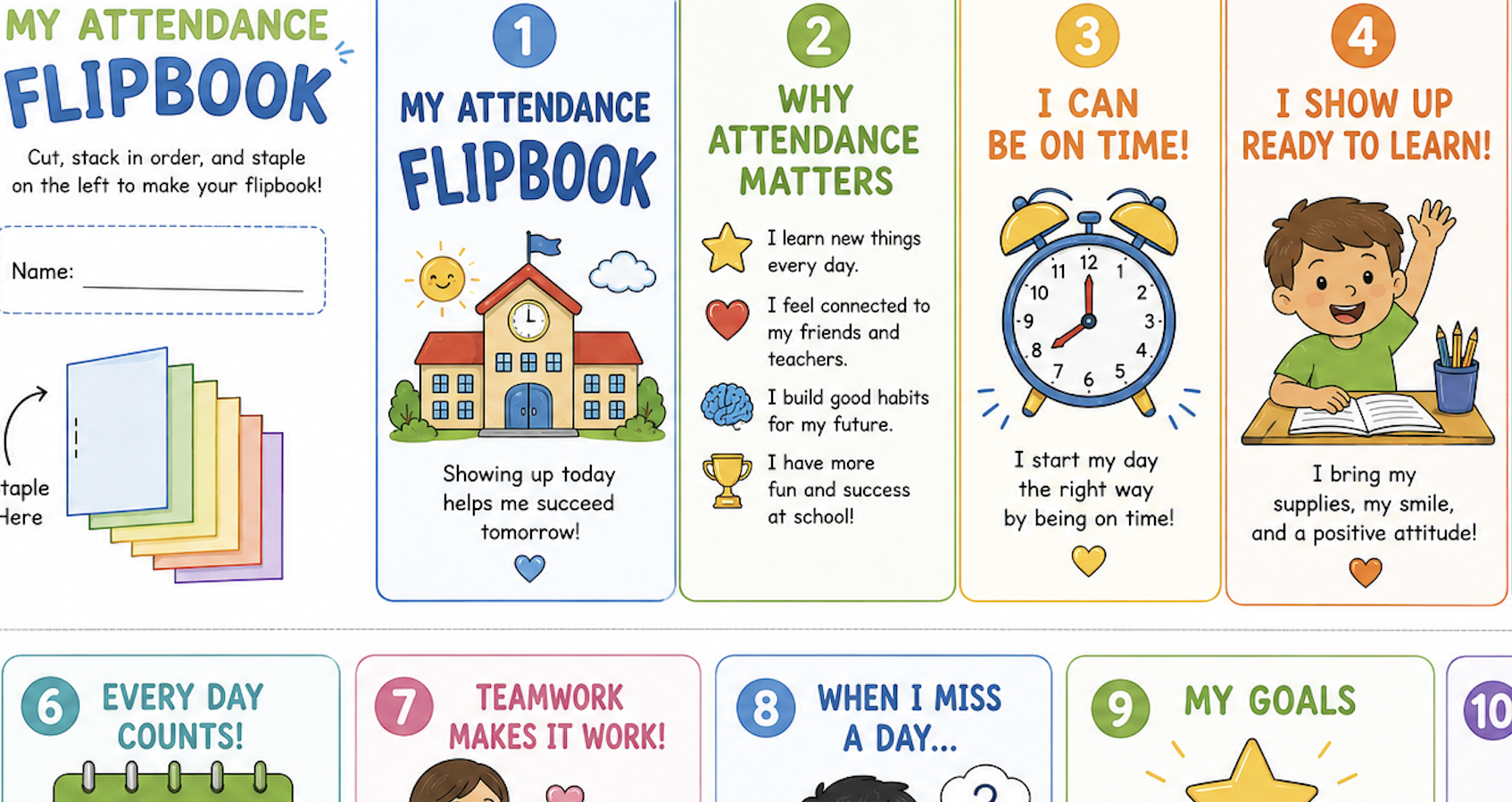
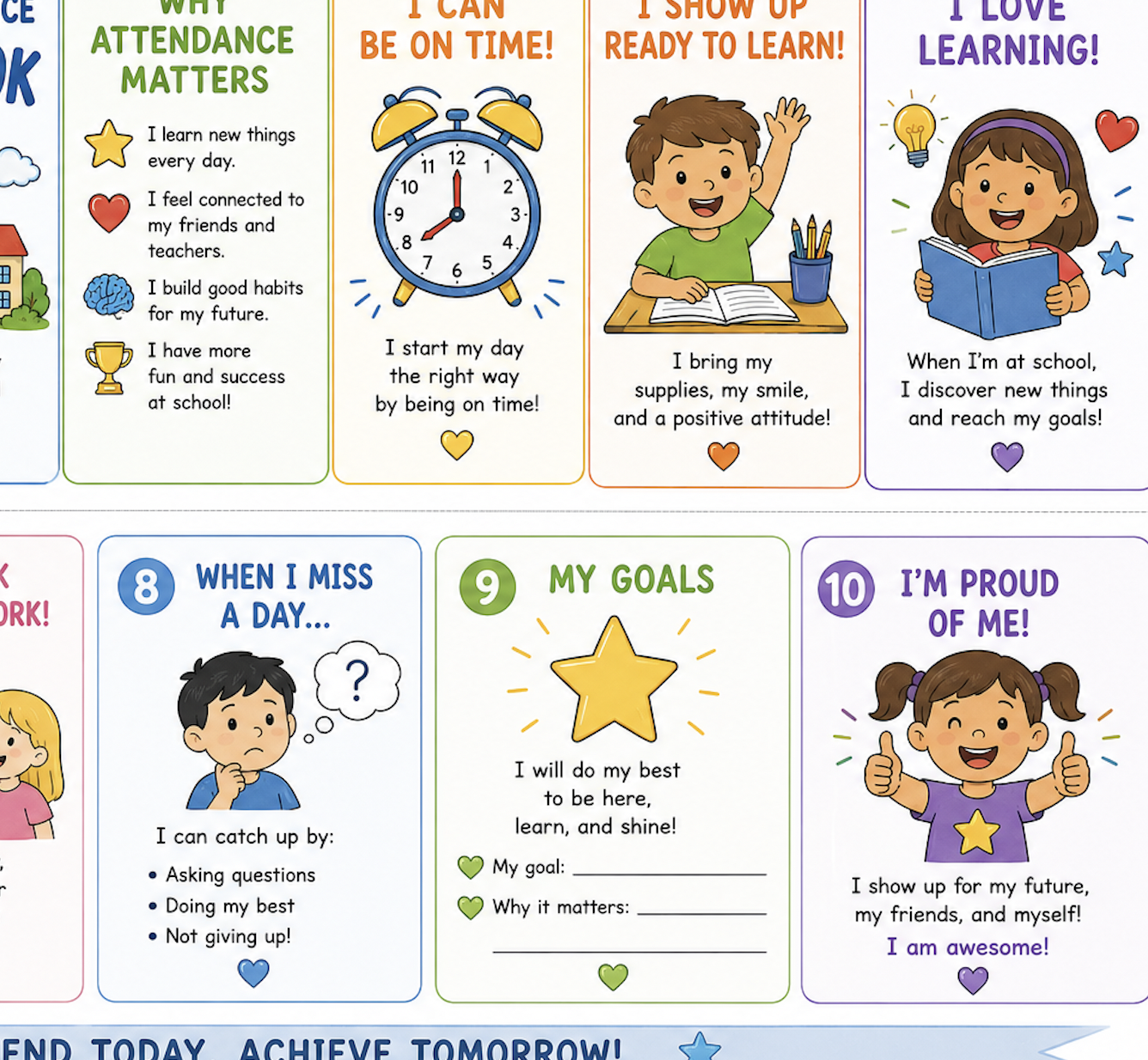
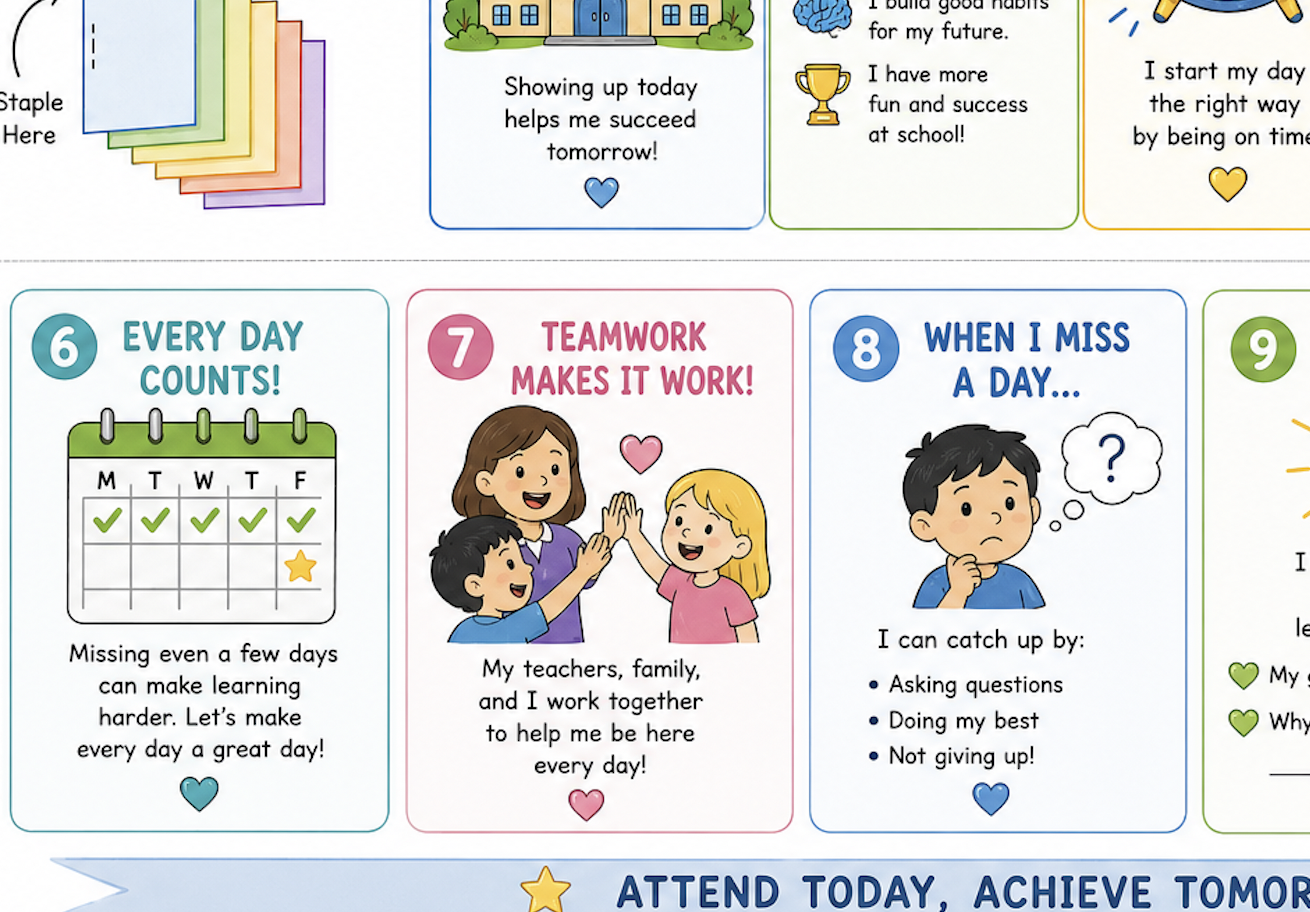
Downloadable PDF attendance flipbook that can be used with lower elementary students were positive attendance habits start forming! This can be used as a small key ring flipbook for reminders for all students, in a small group setting as part of a small group, or individual use.
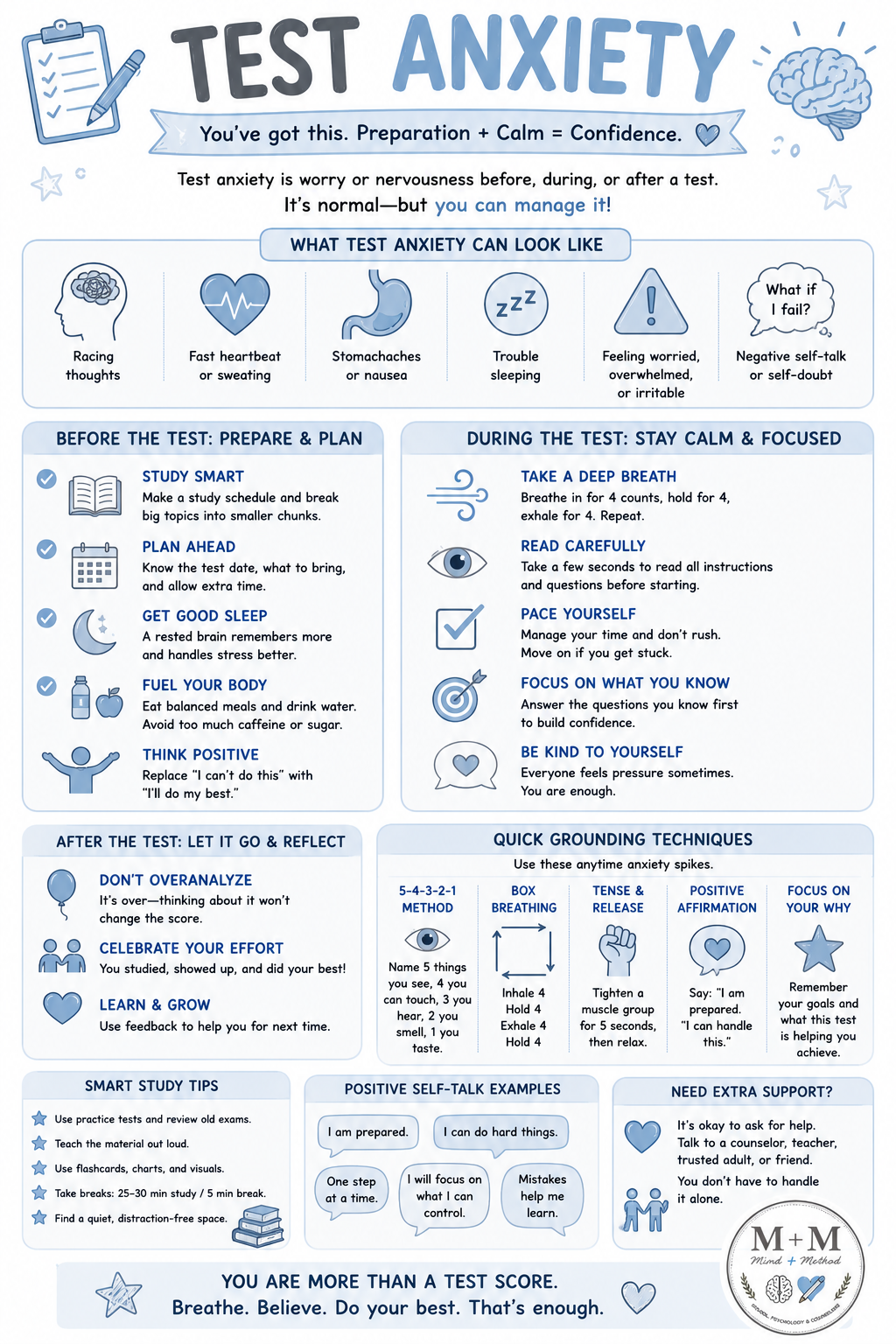
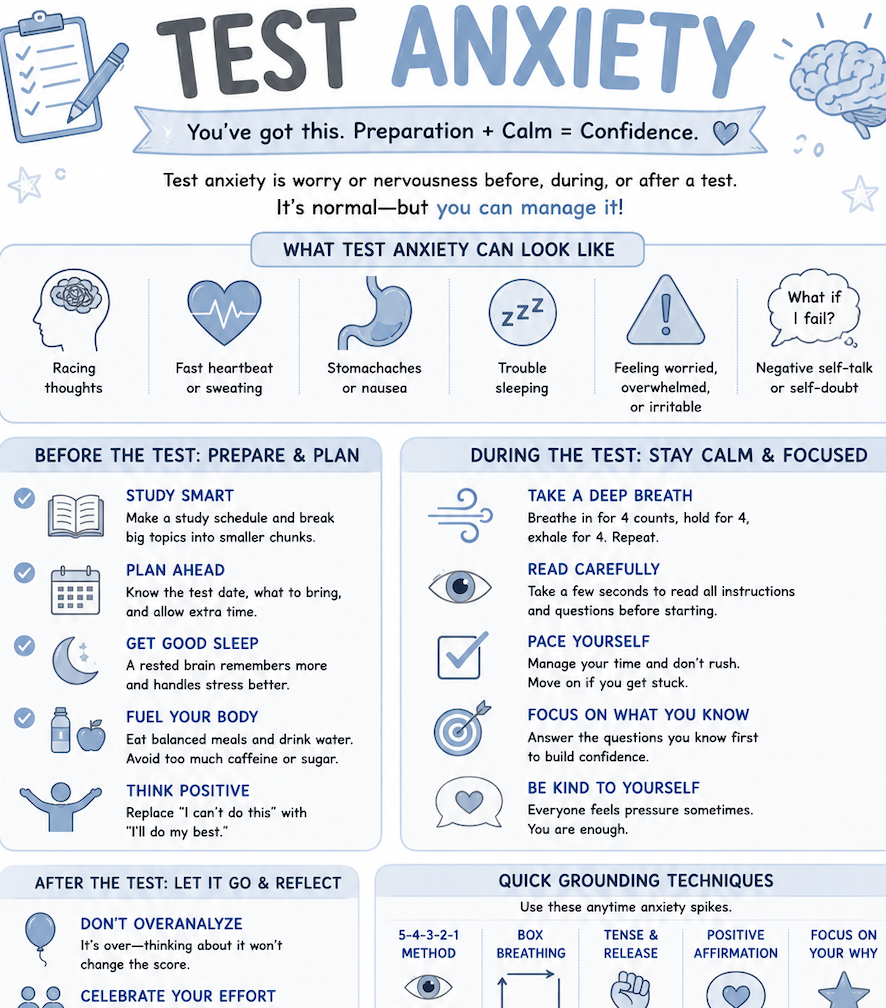
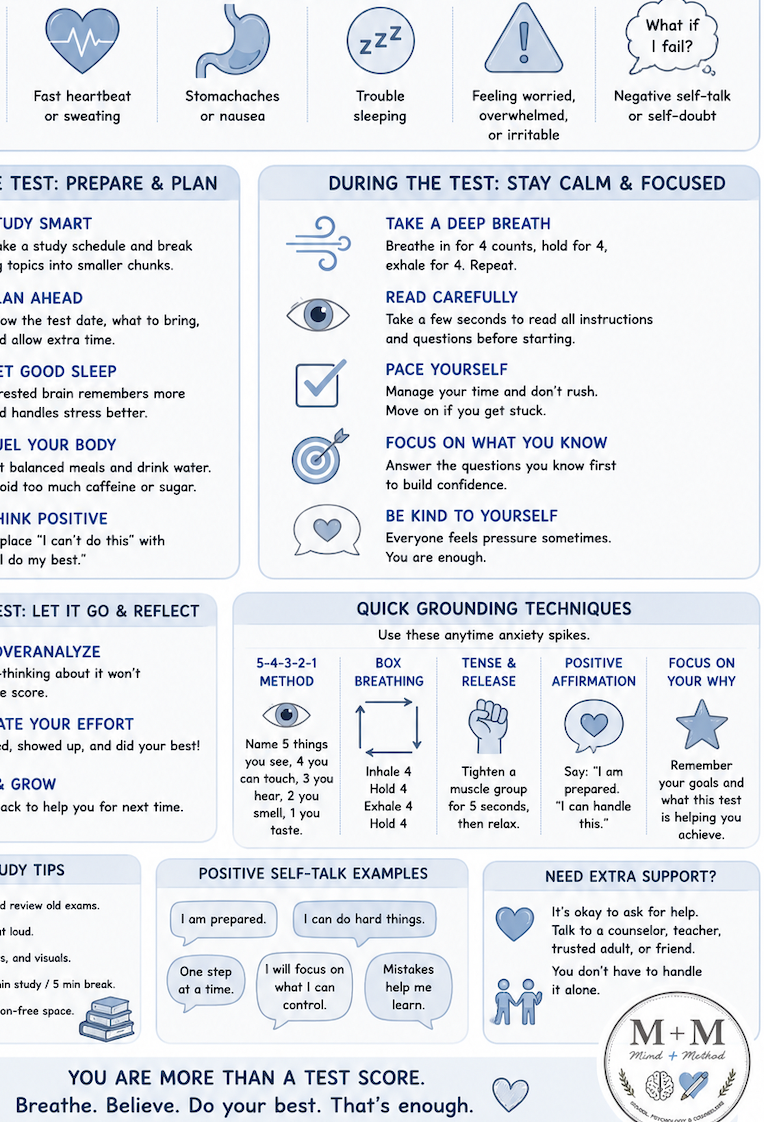
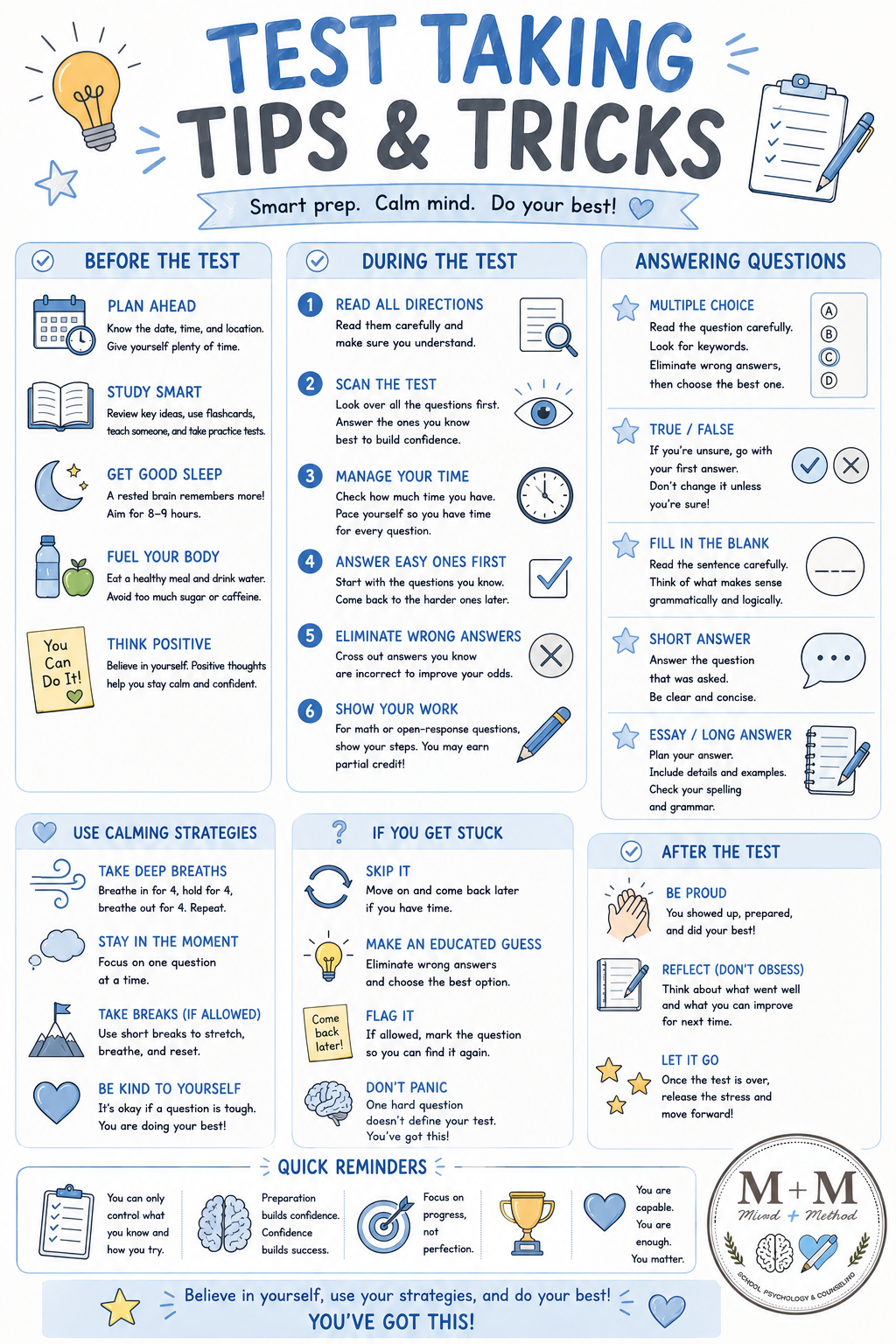
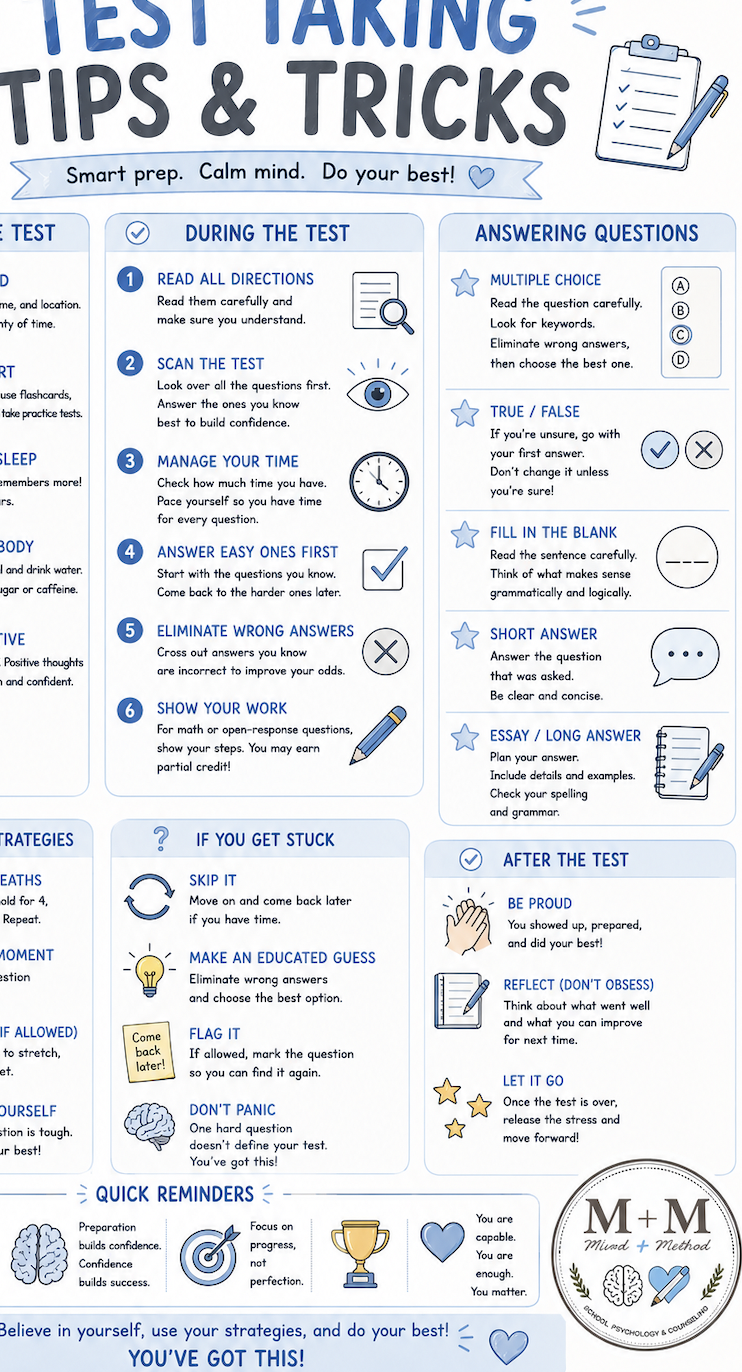
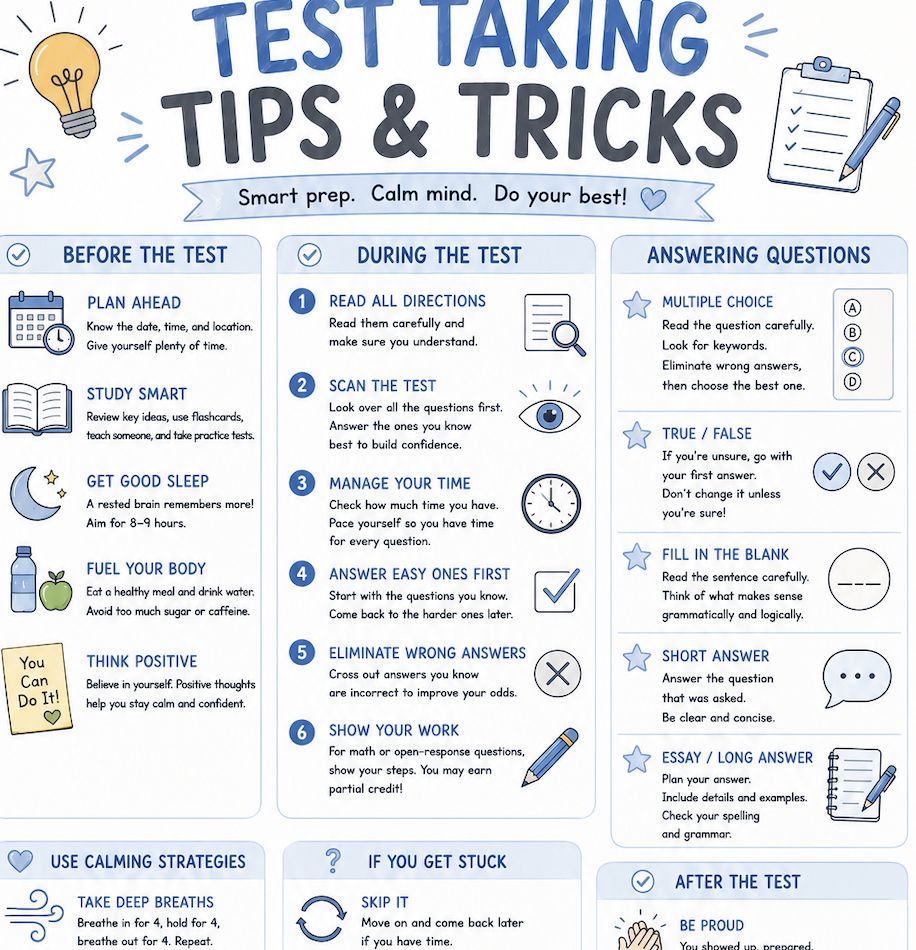
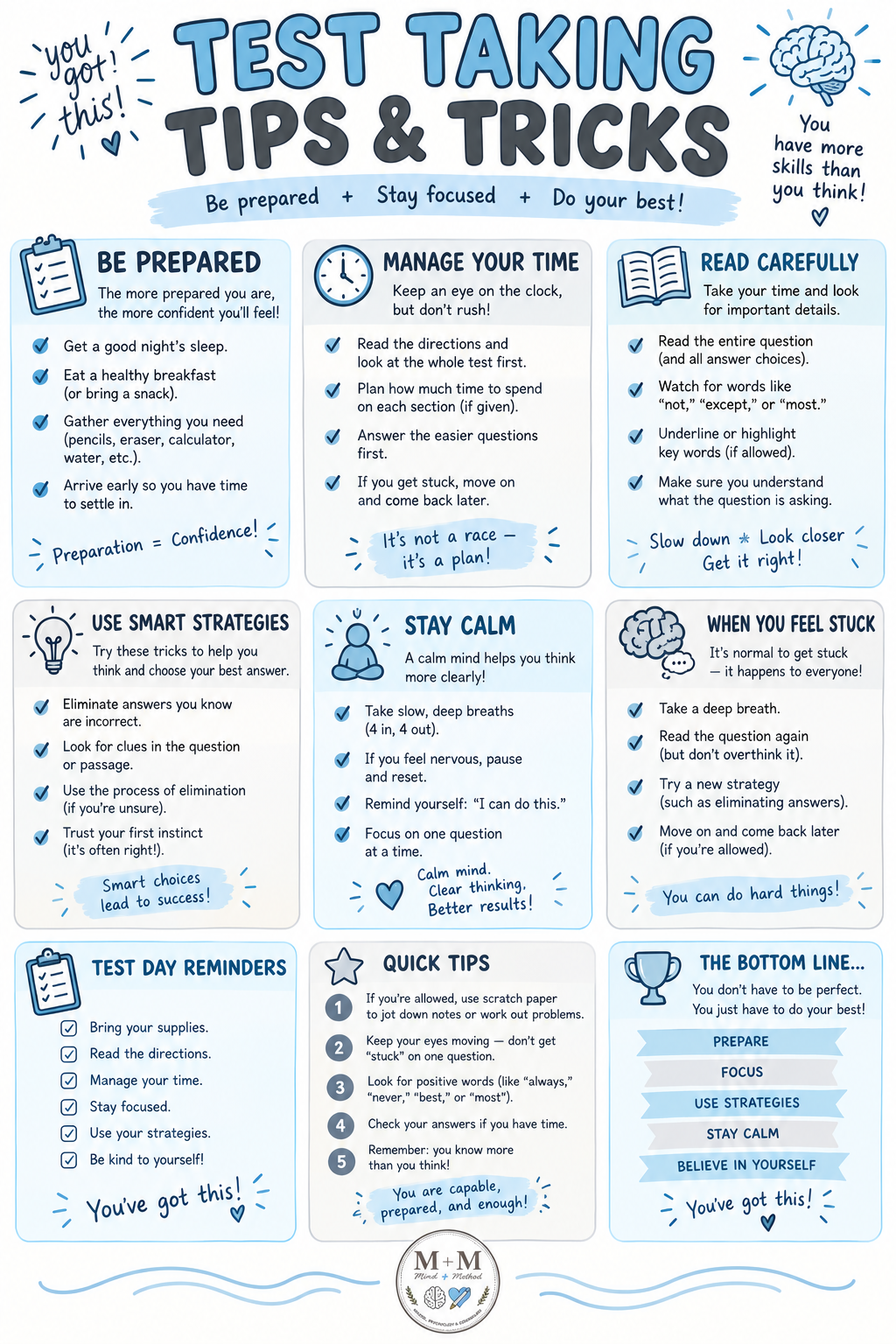
Downloadable PDF visual infographic that provides a comprehensive overview of what test anxiety is, strategies to help calm yourself, what to do before, during, and after a test to promote calmness, and MORE! This infographic is geared towards middle/high school level students (Grades 6-12)
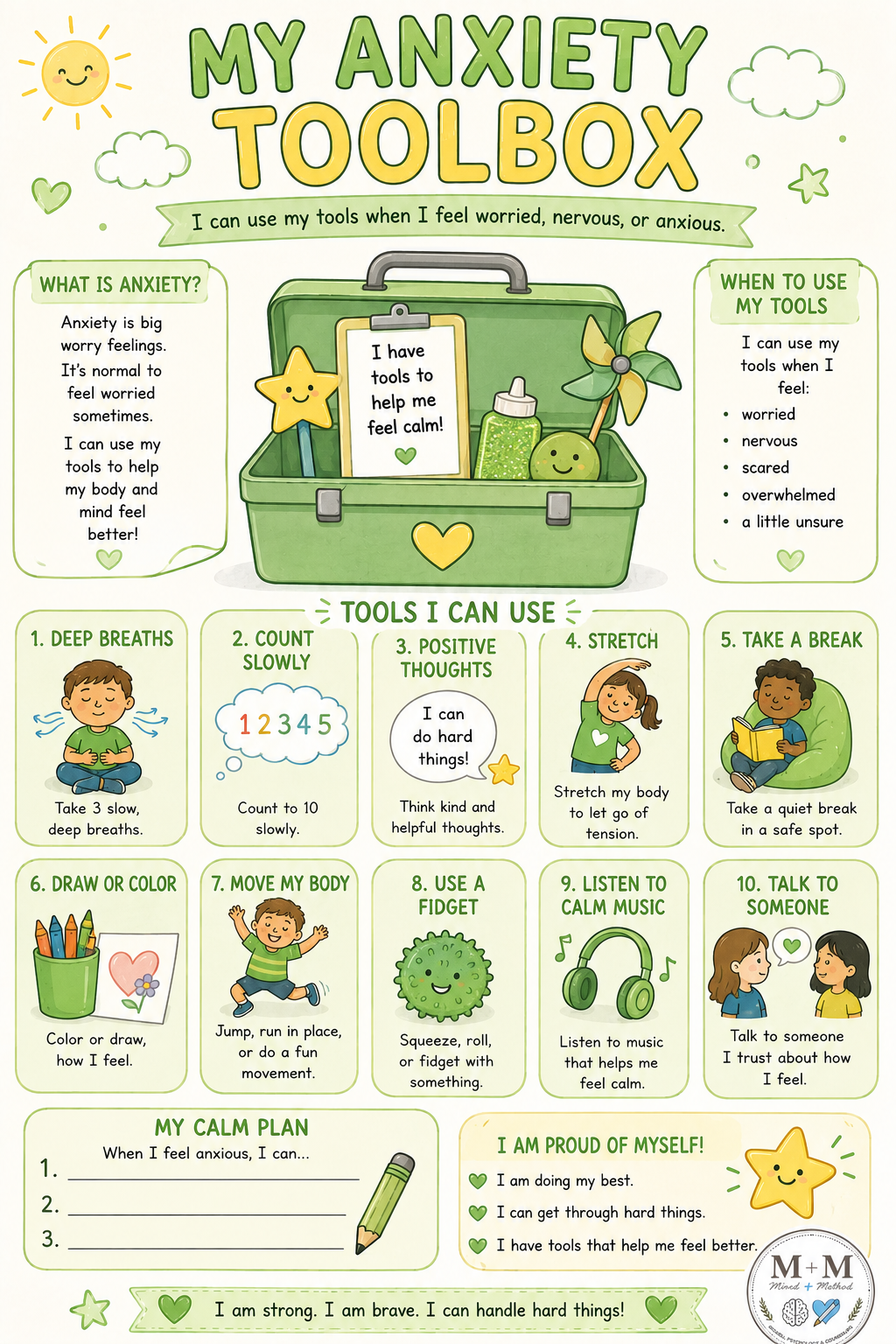
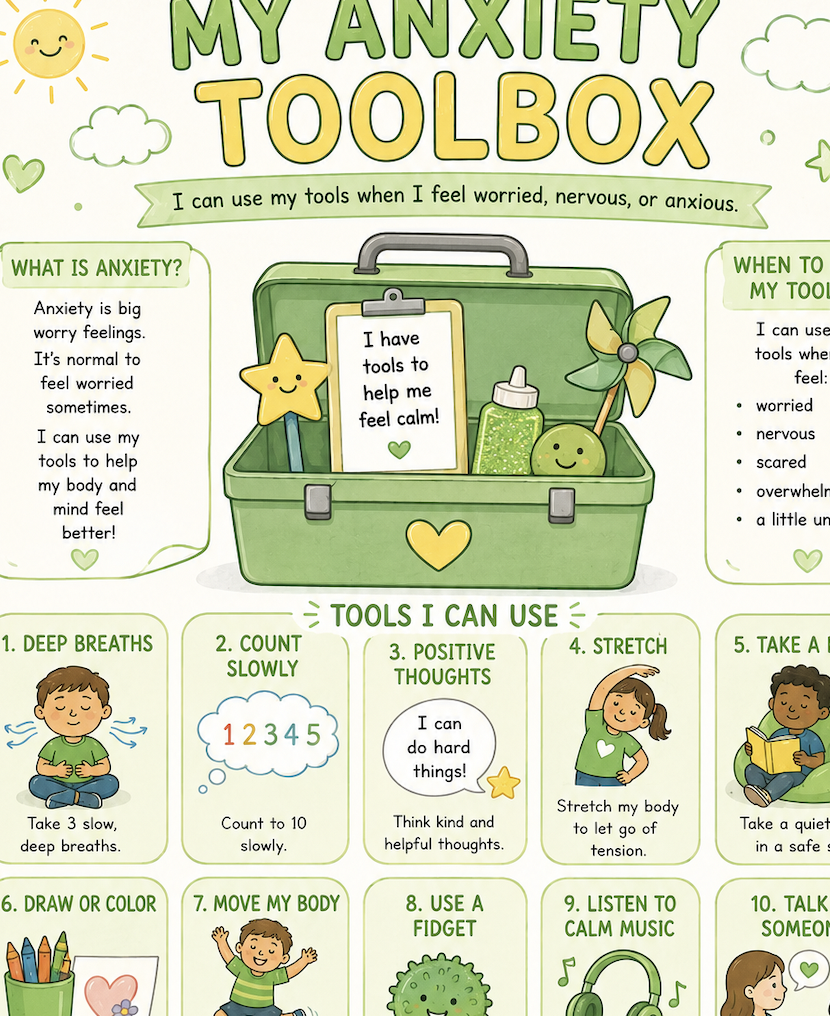
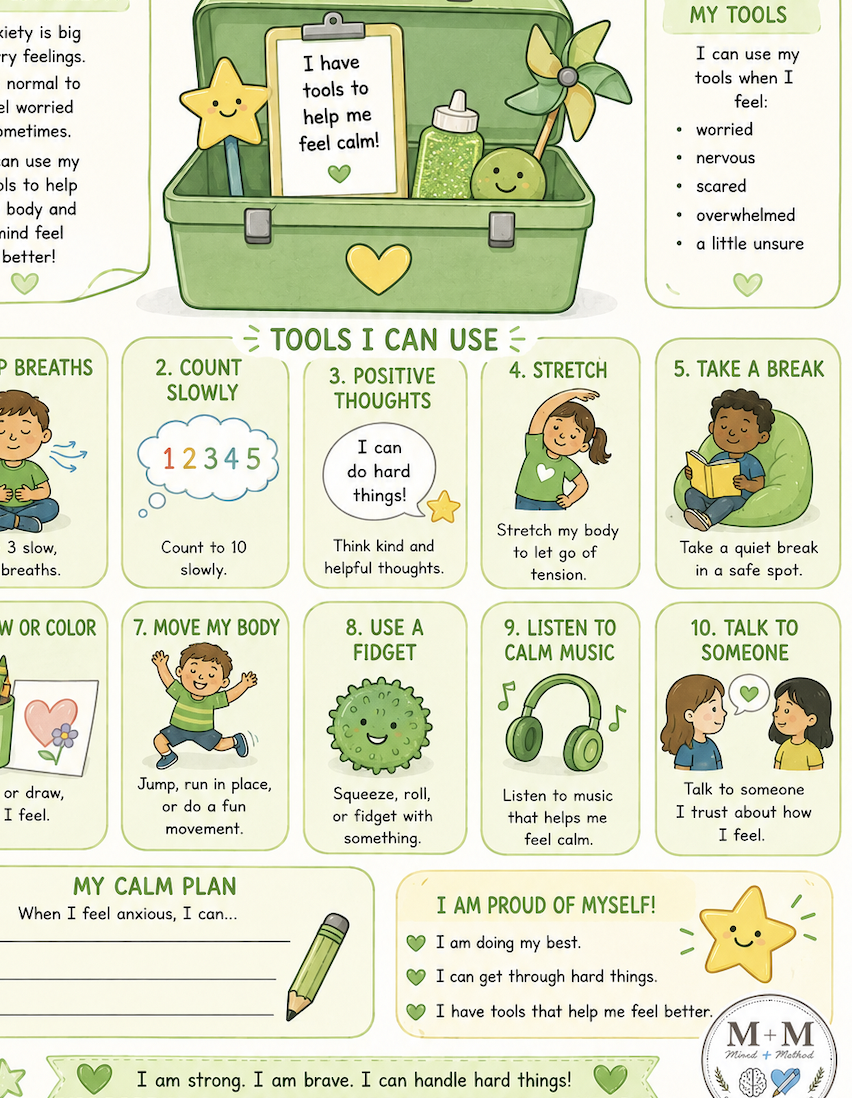
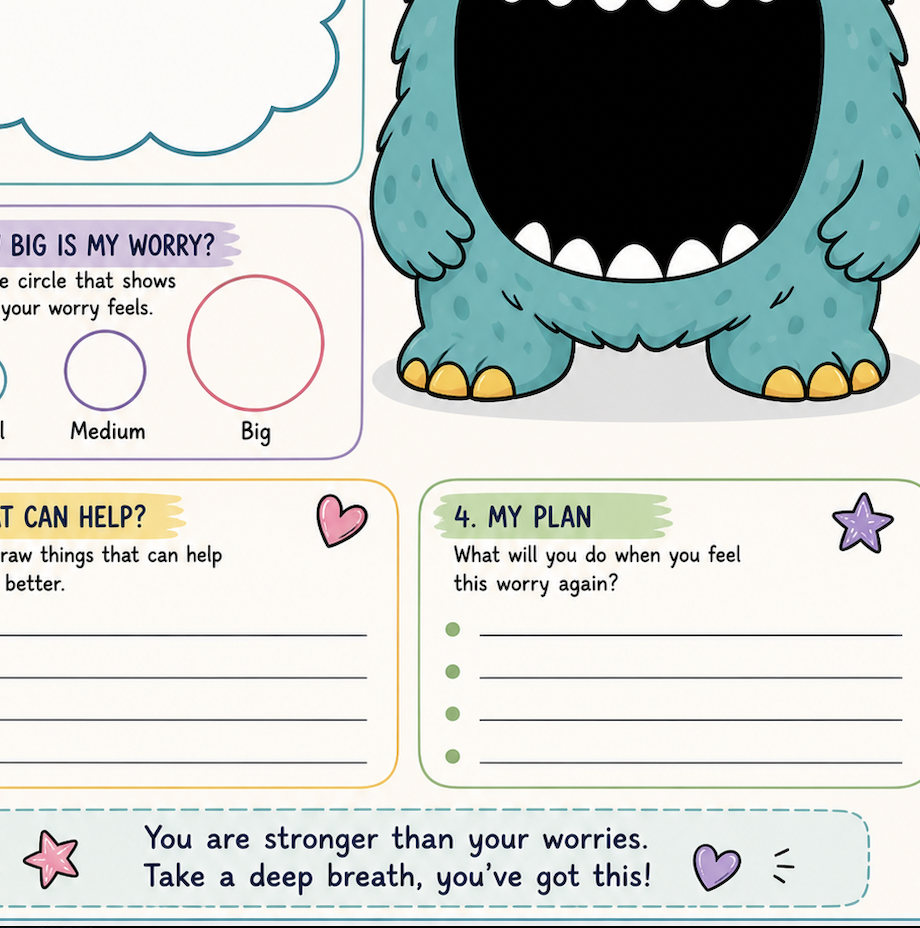
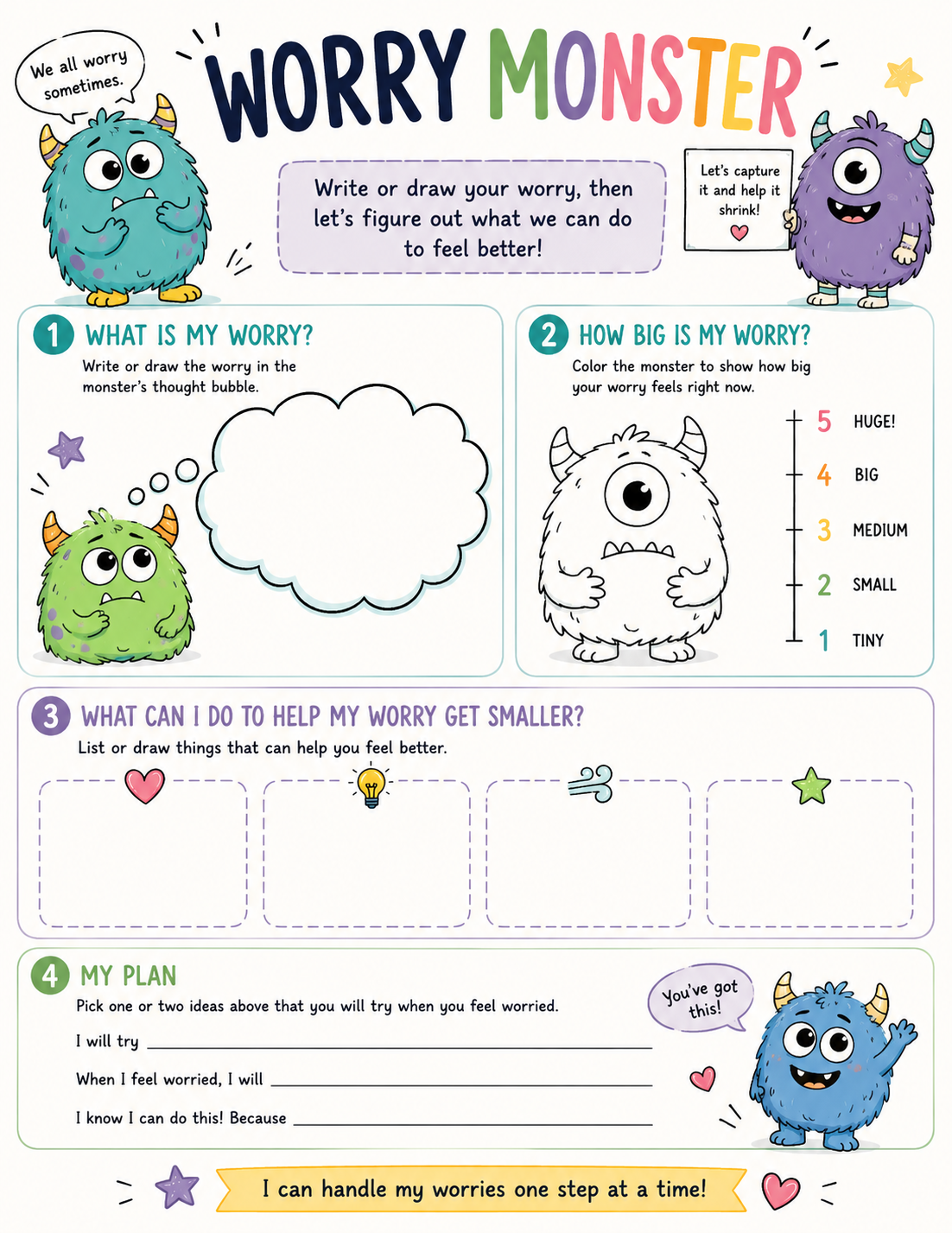
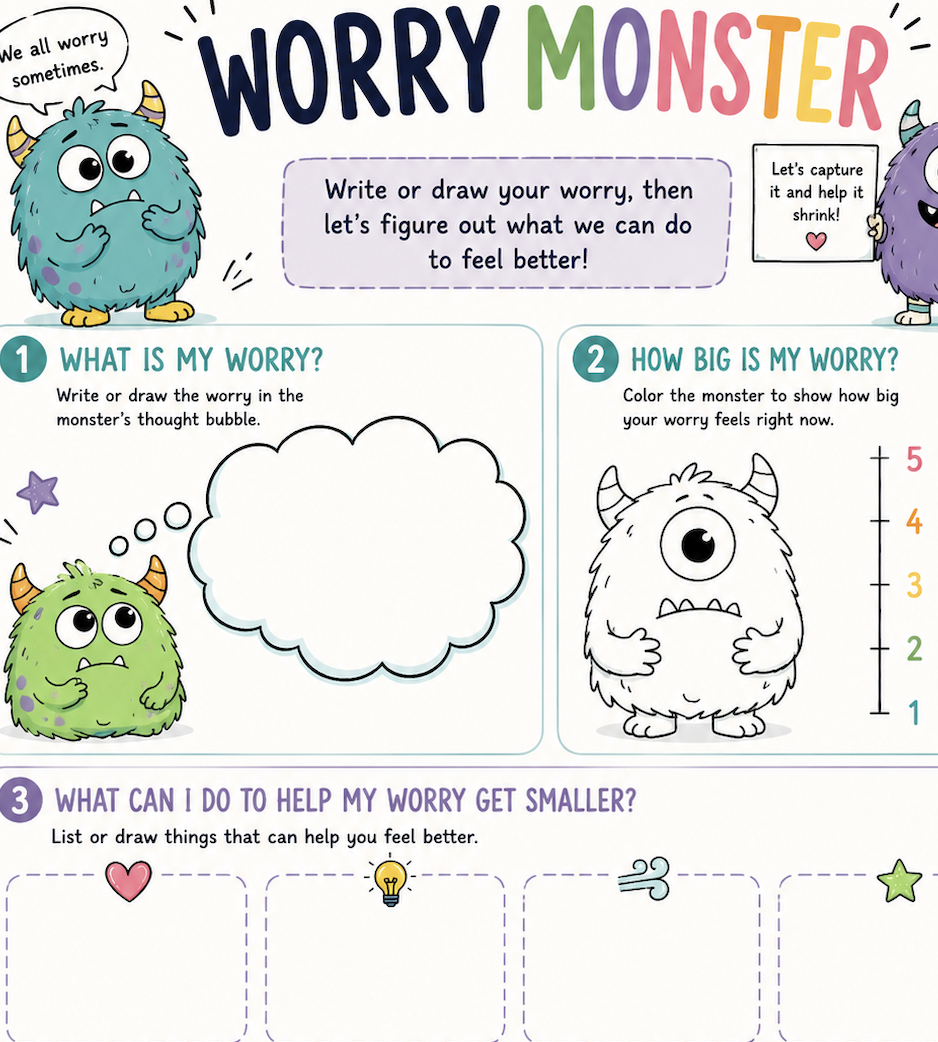
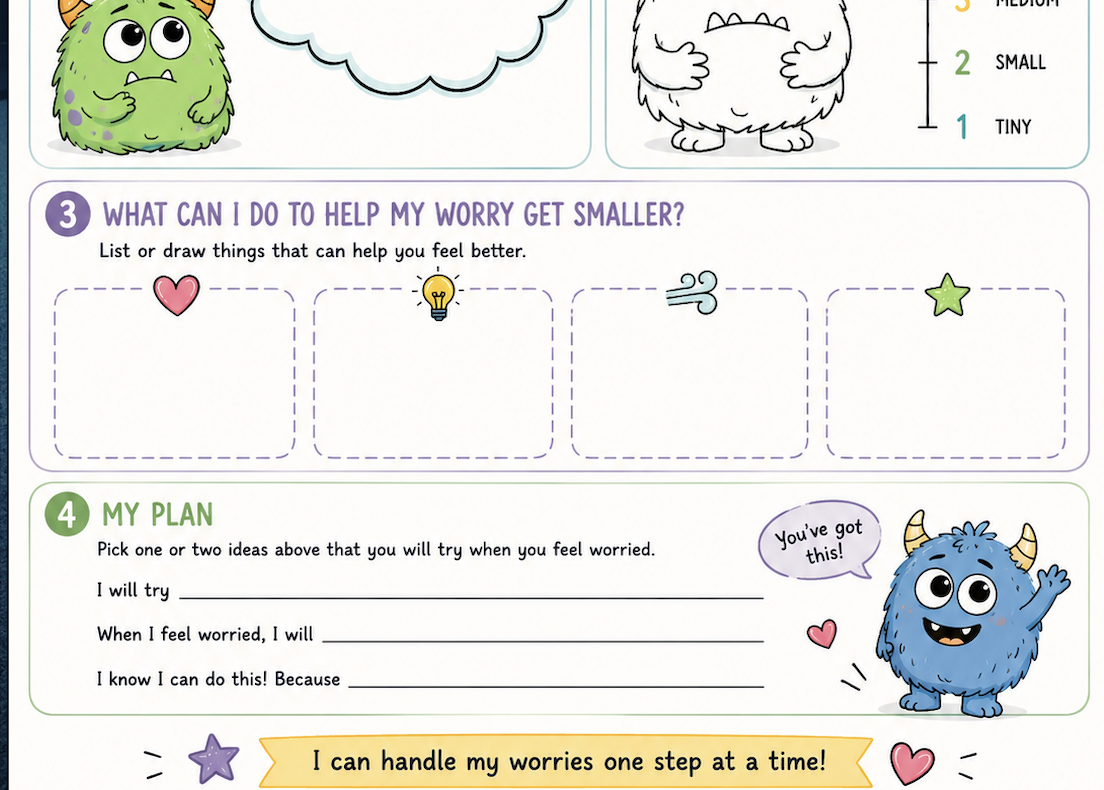
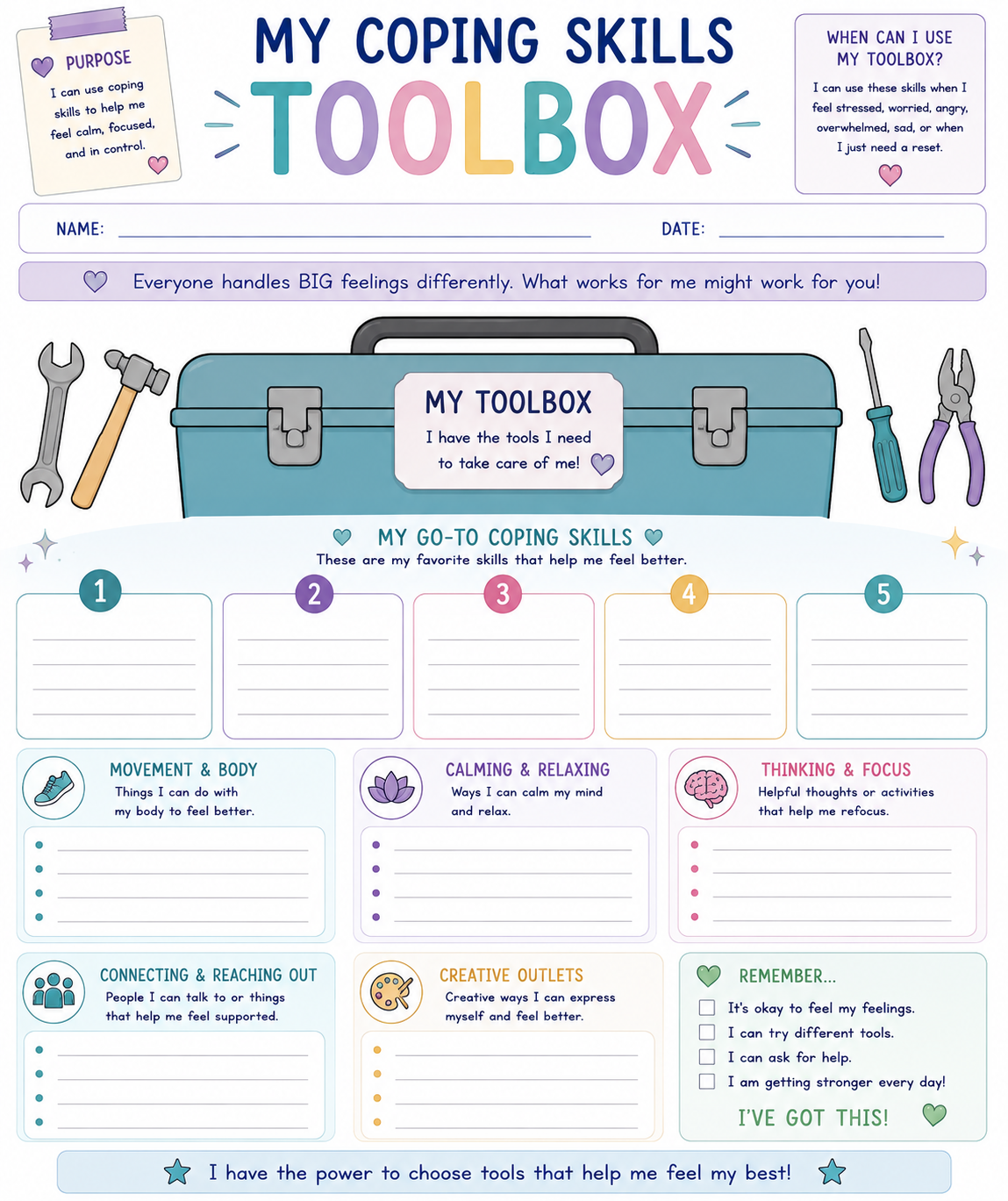
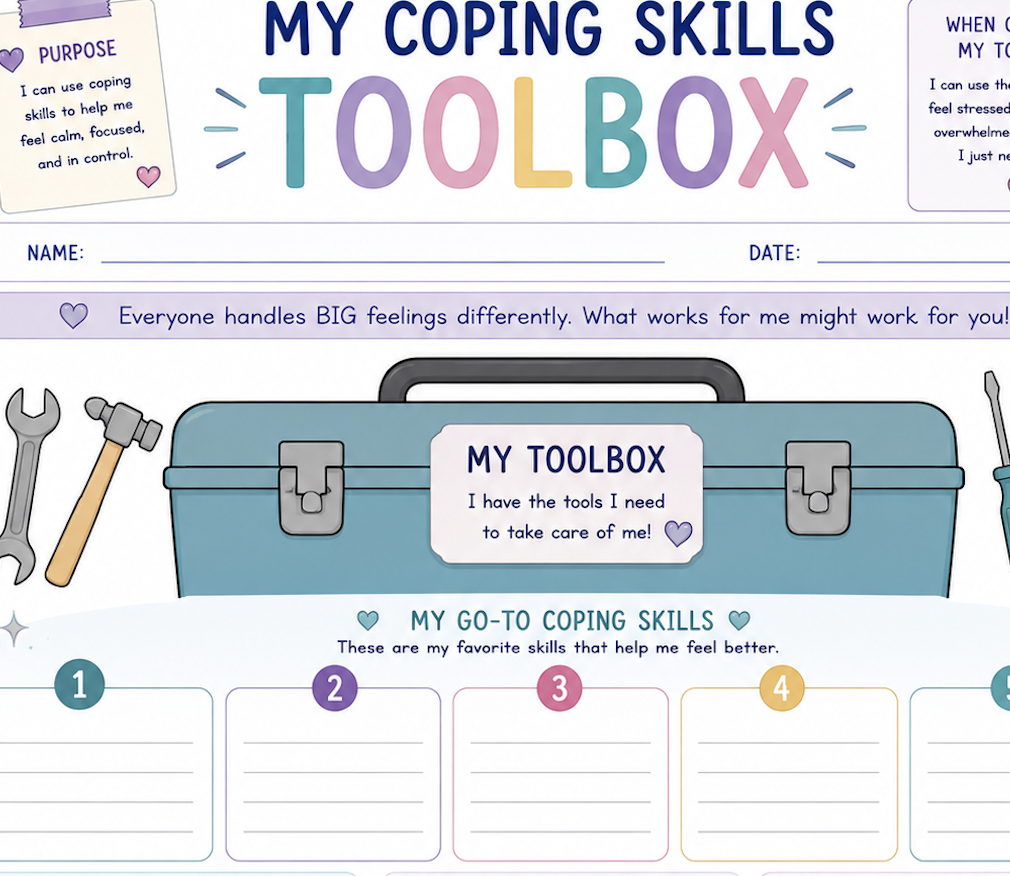
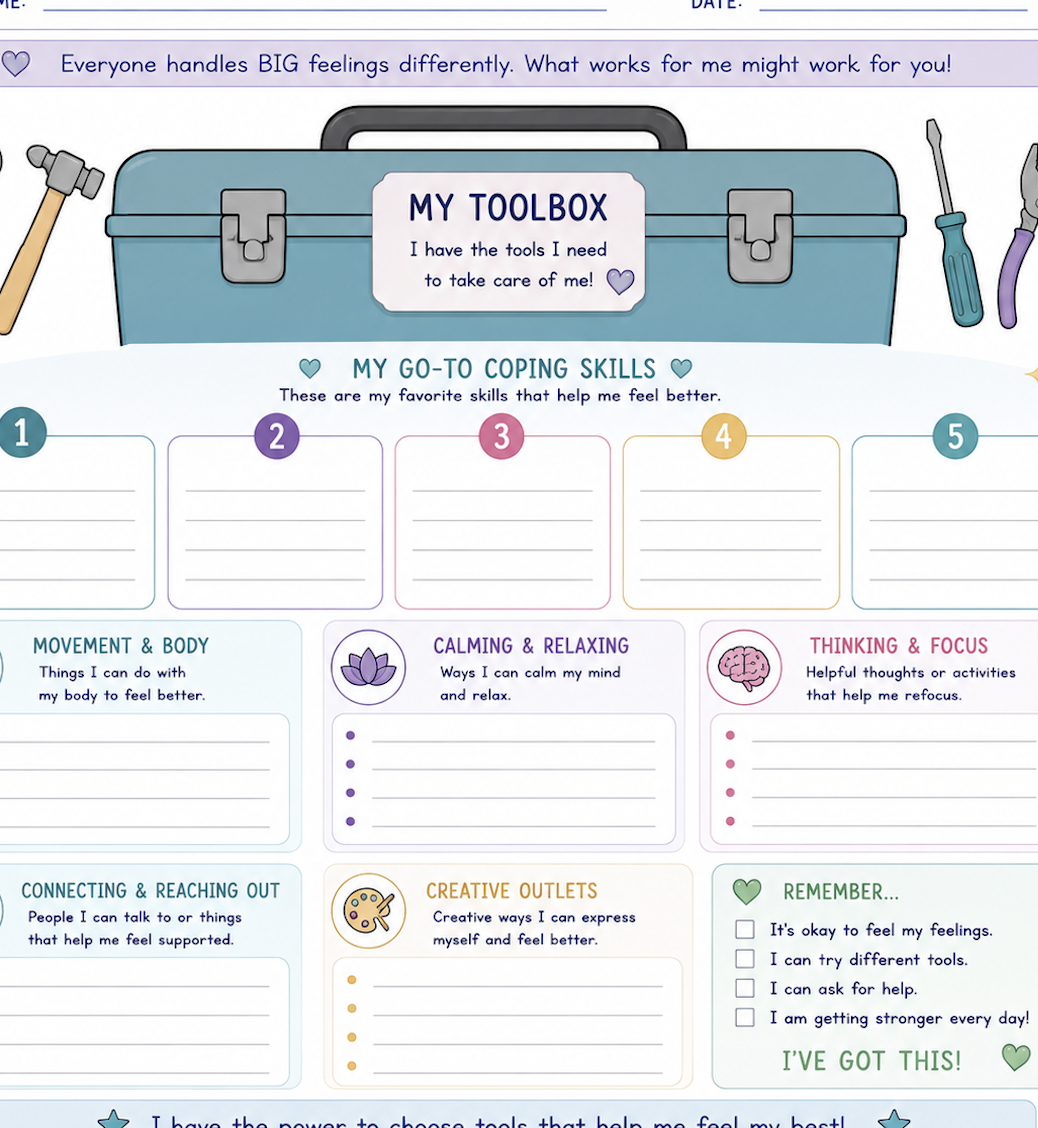
Downloadable PDF visual anxiety toolbox worksheet for lower elementary level students (K-3) to help promote awareness of strategies to use when feeling anxious and reflect on what works best for them and helping use the tools in the moment so that worries/anxious thoughts don’t get out of control
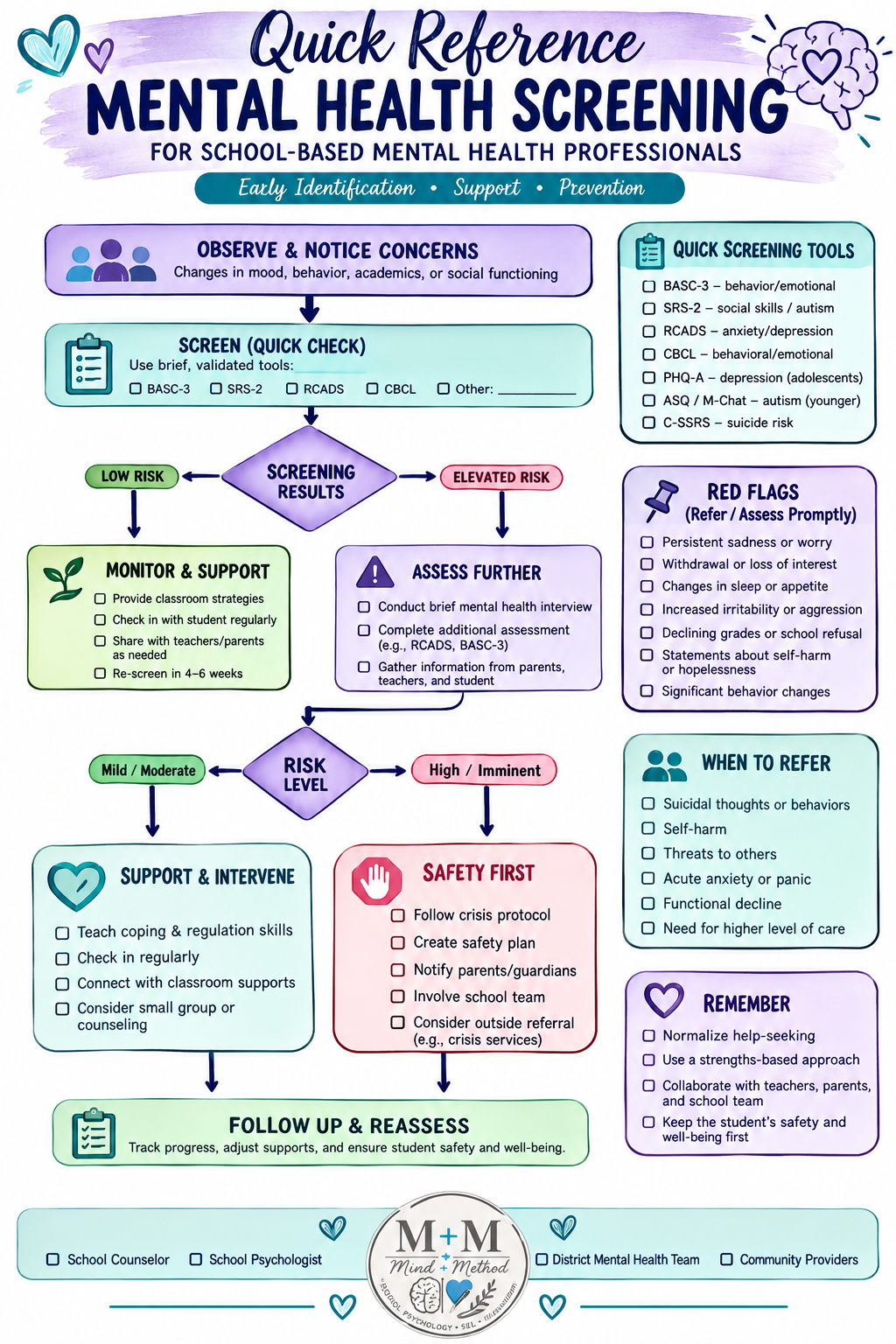
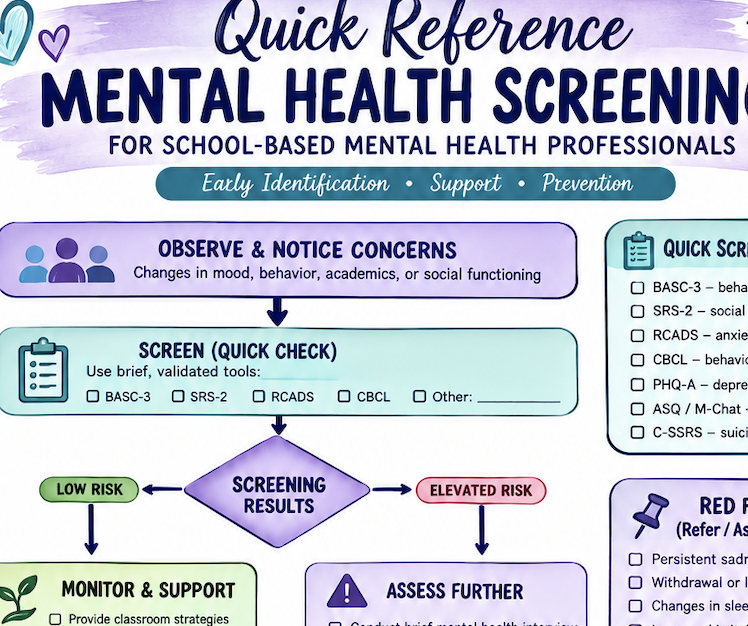
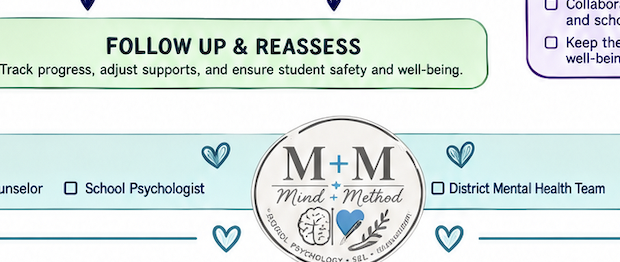
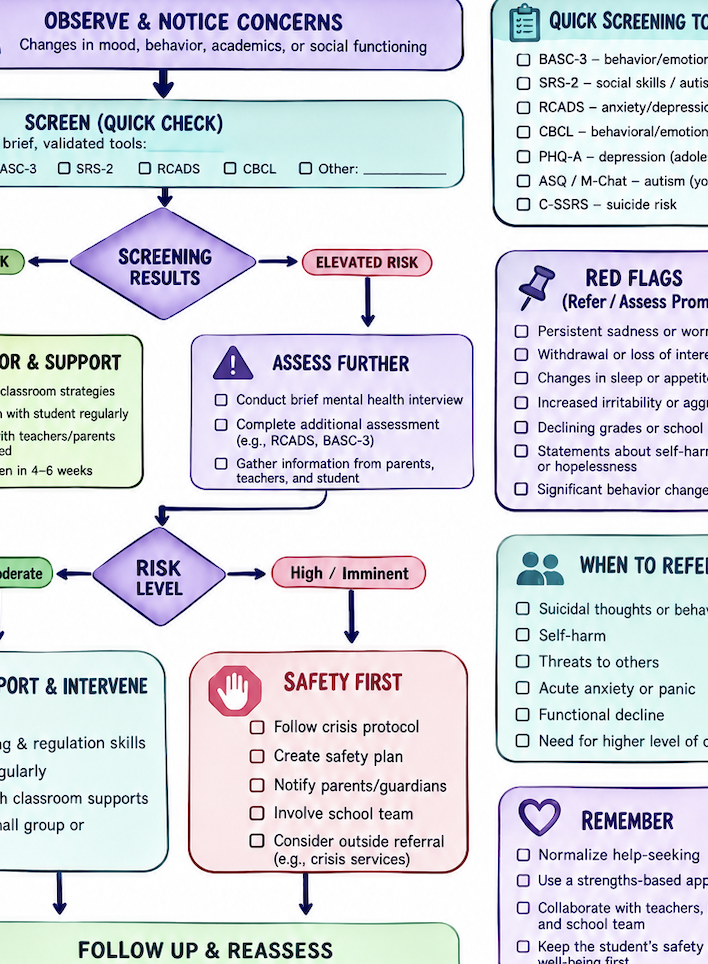
Downloadable PDF visual quick reference flowchart for school-based mental health professionals to use when deciding to screen students for mental health concerns. This can be used at any age level
This is to be used as a quick reference, NOT AN ACTUAL ASSESSMENT/SCREENING SYSTEM**
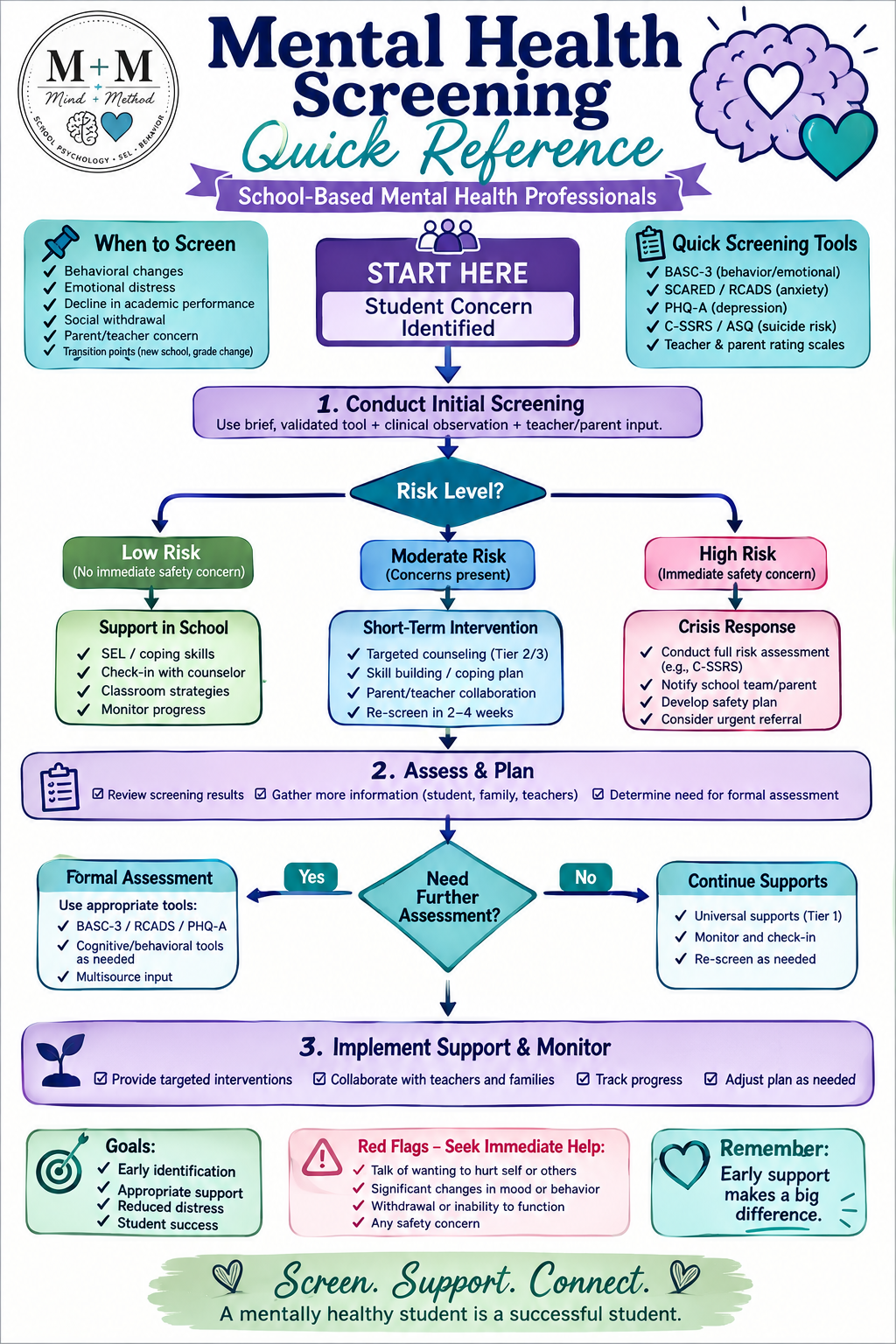
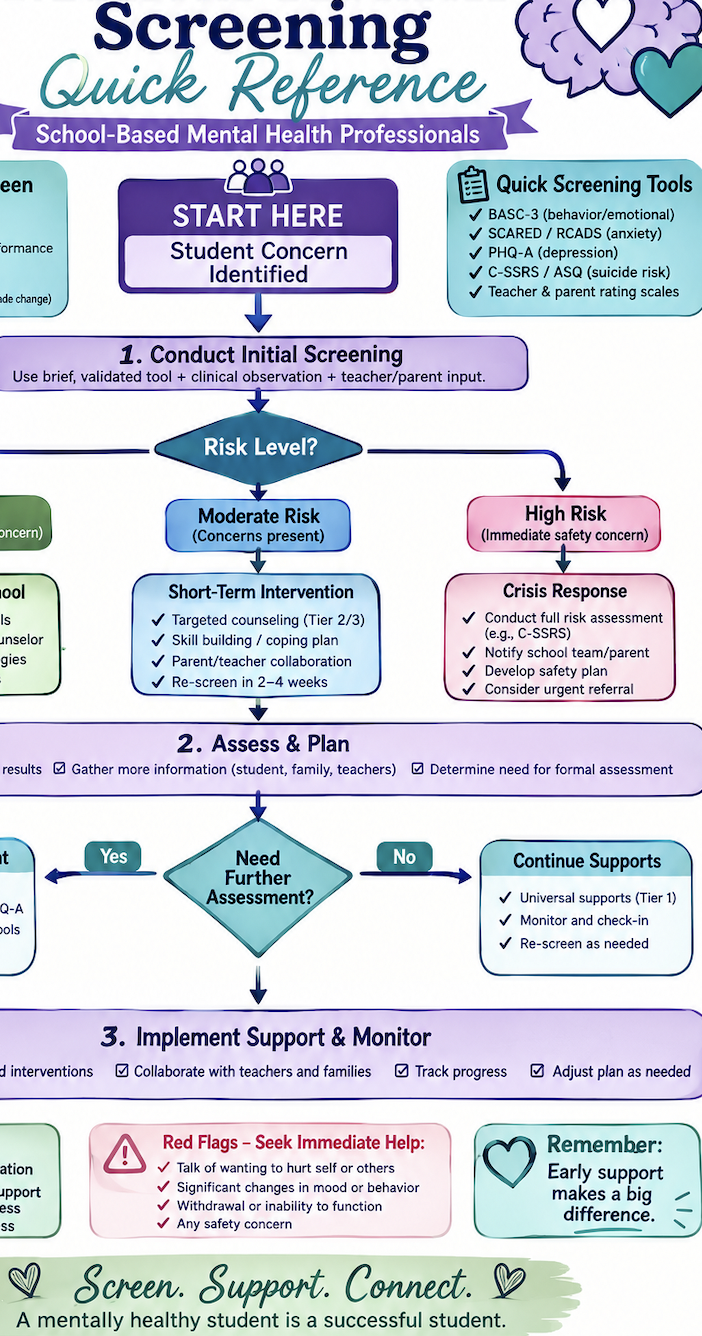
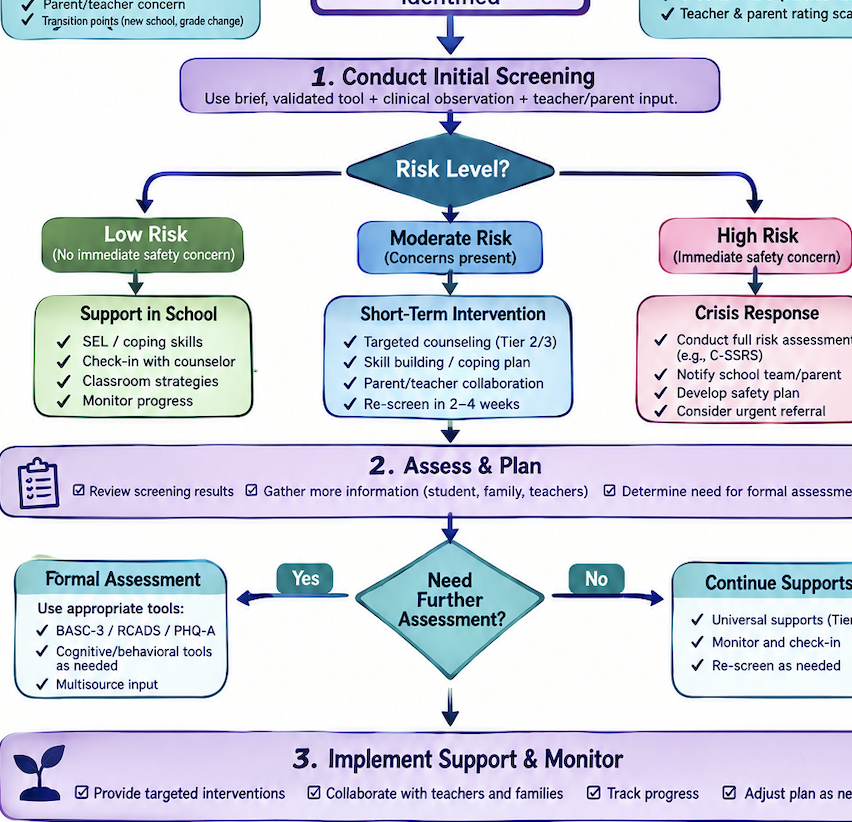
Downloadable PDF visual quick reference flowchart for school-based mental health professionals to use when deciding to screen students for mental health concerns. This can be used at any age level
This is to be used as a quick reference, NOT AN ACTUAL ASSESSMENT/SCREENING SYSTEM**
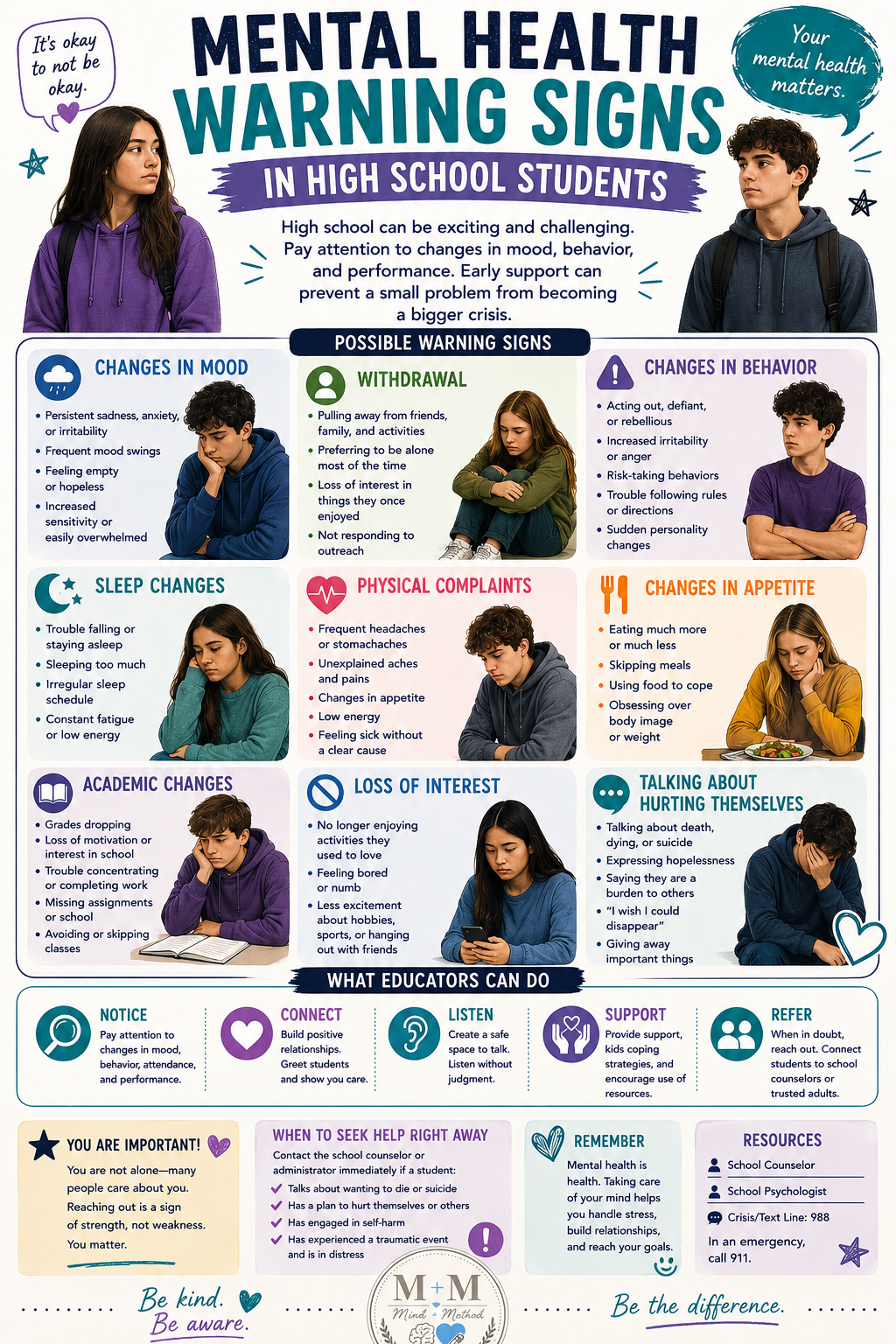
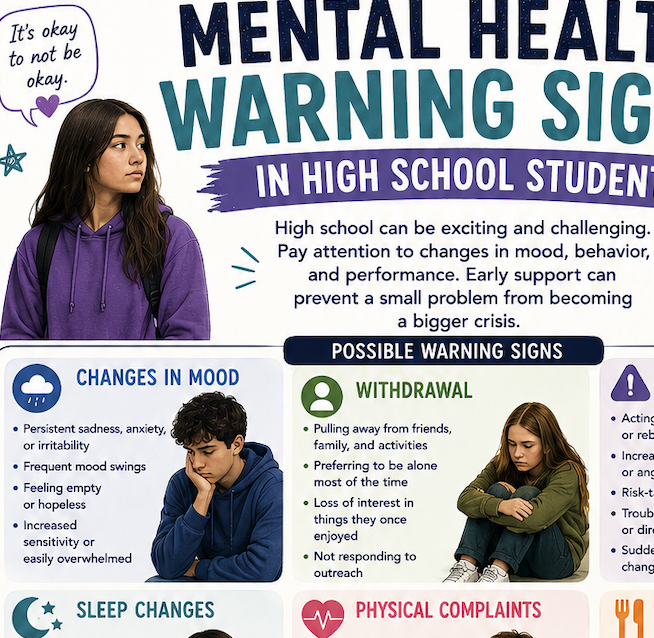
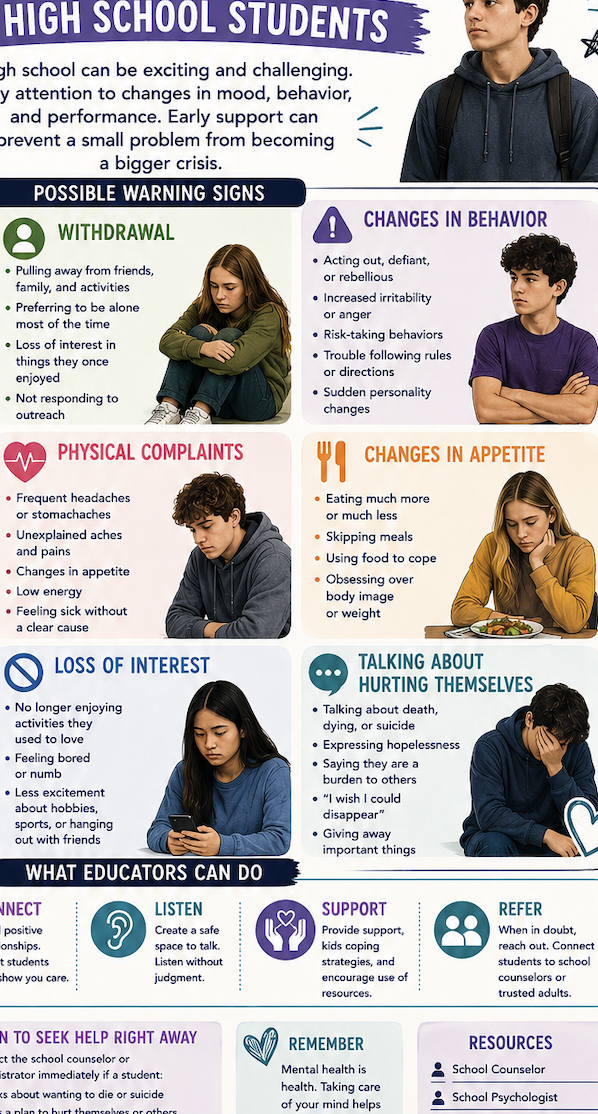
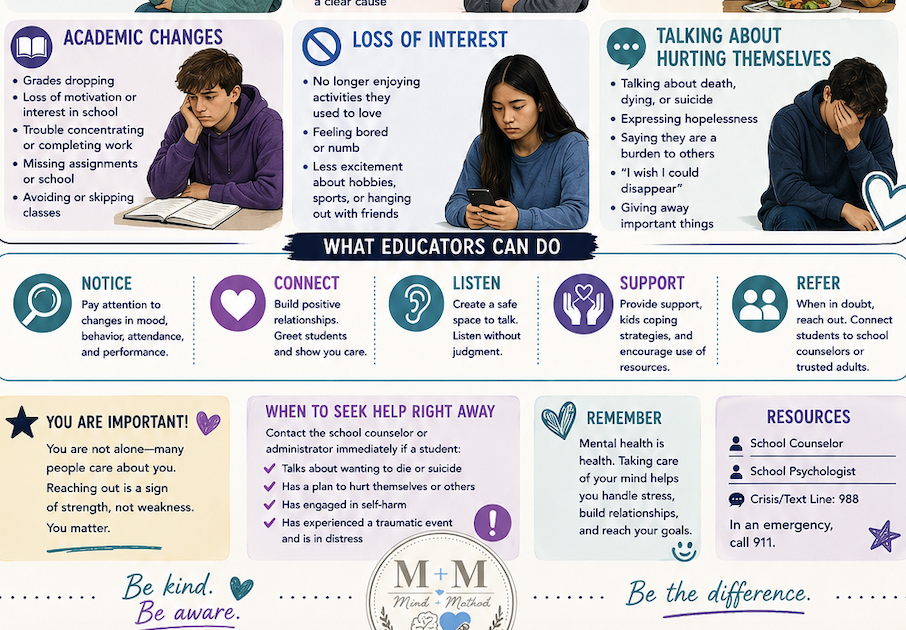
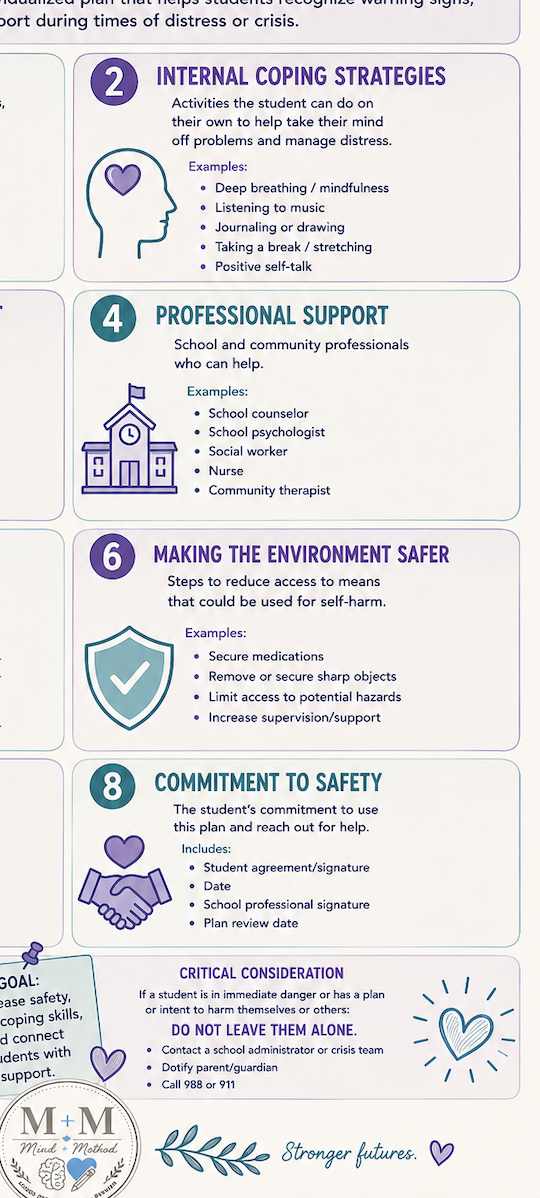
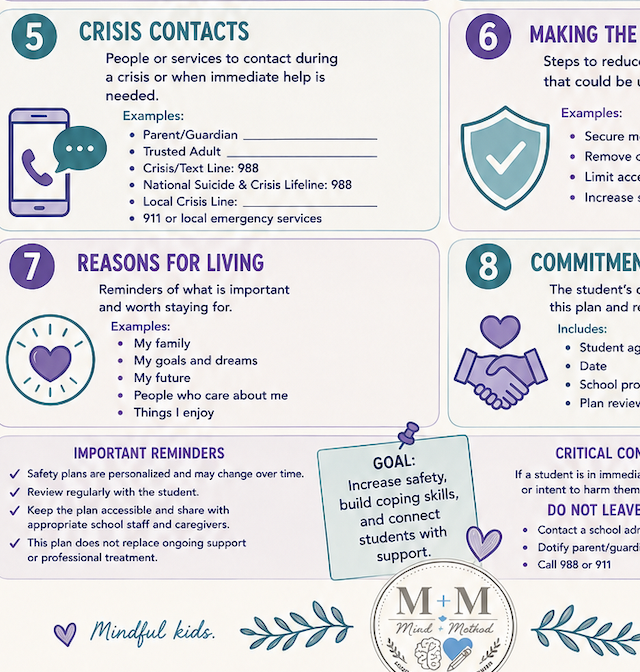
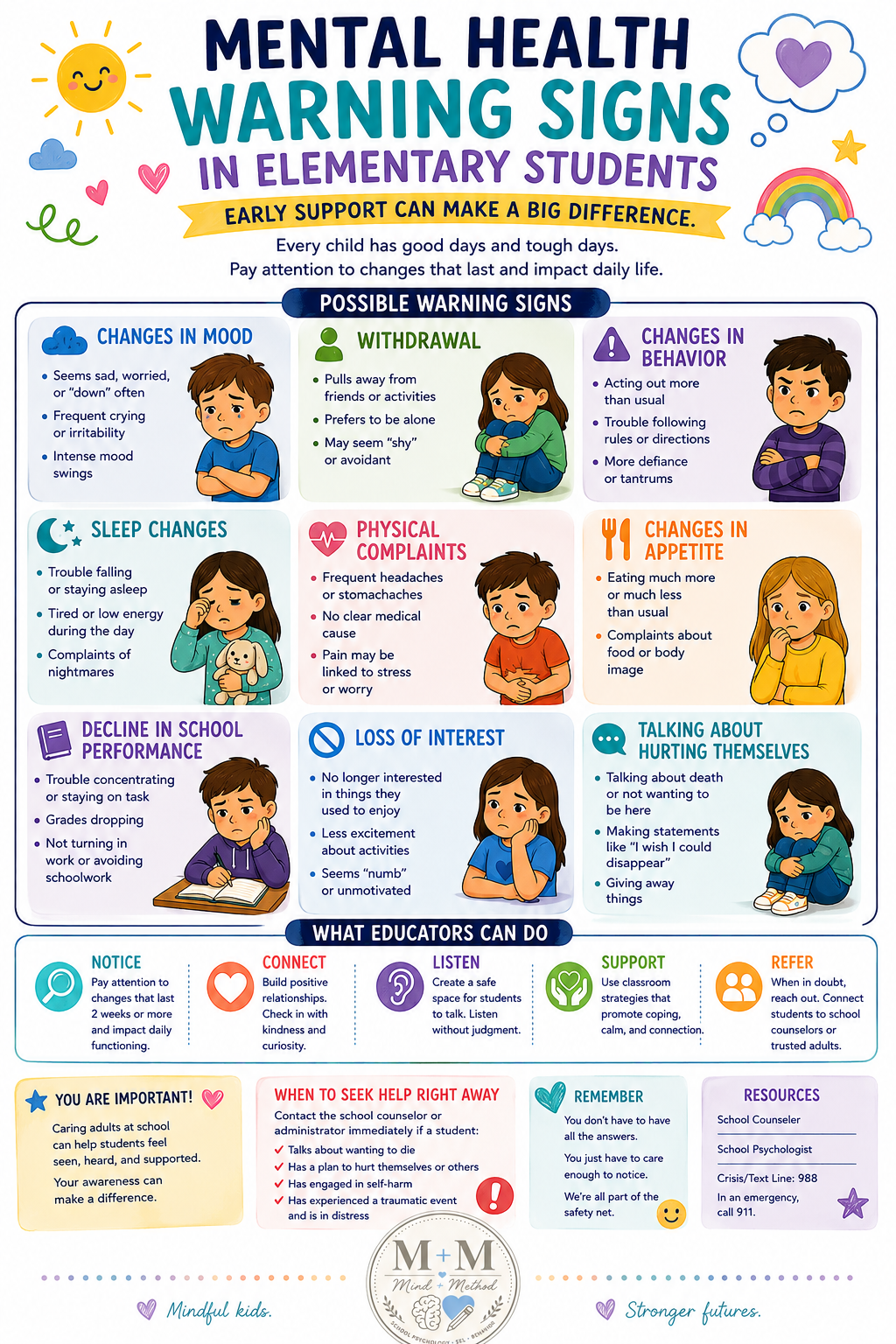
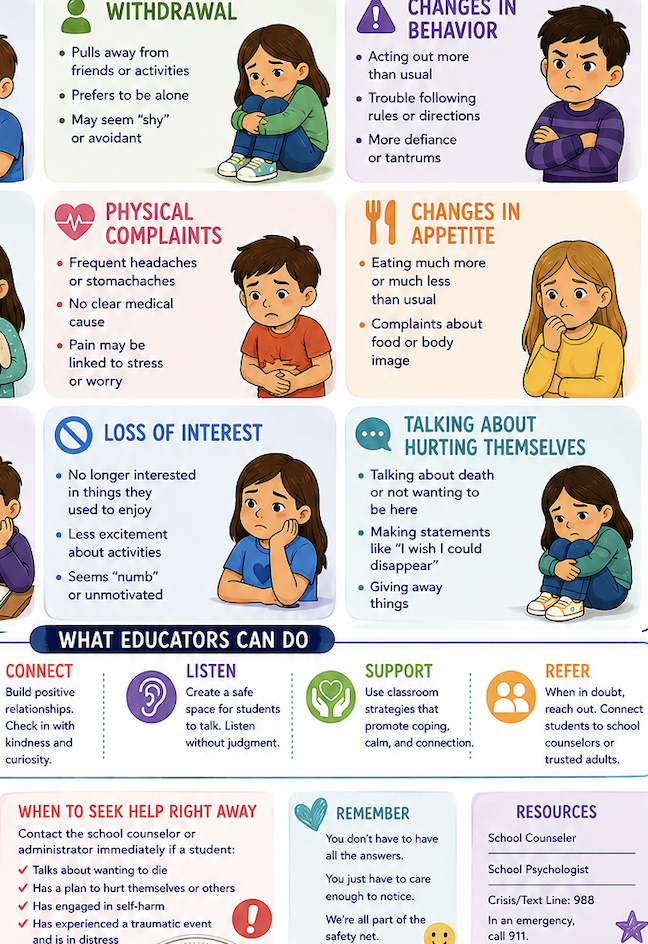
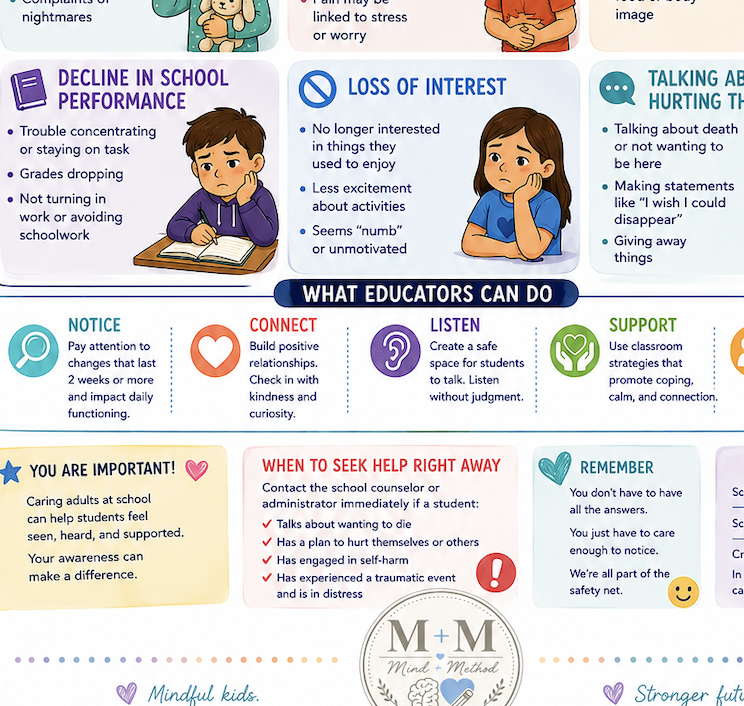
Downloadable PDF visual that educators and/or caregivers can use as a guide to understanding specific warning signs in children in these age ranges and how they can correlate with mental health concerns, resources, how to best support these students, and self-care strategies.
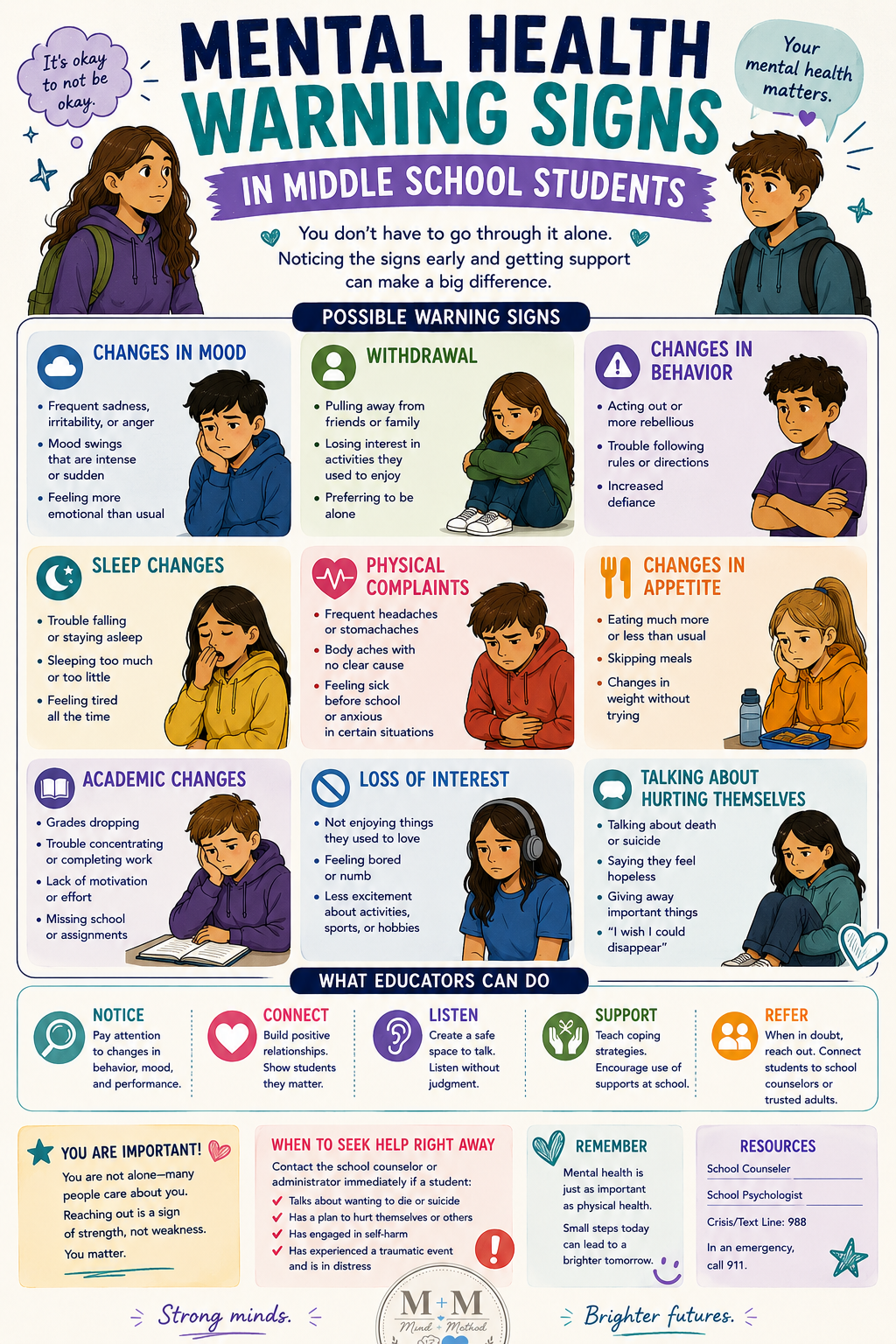
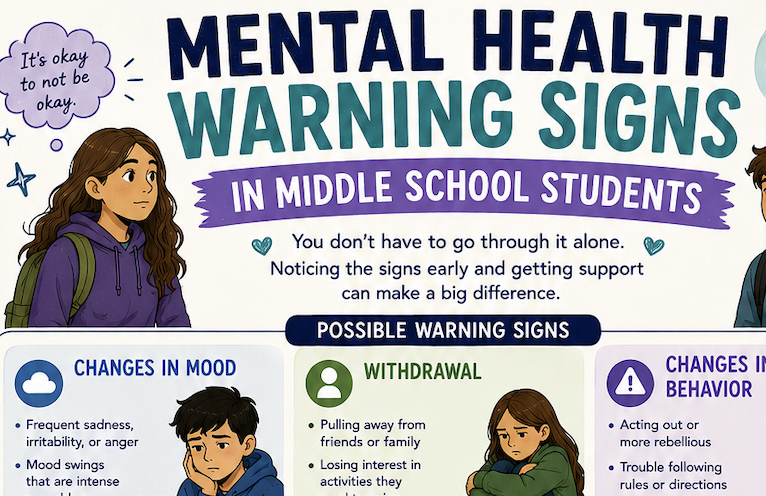
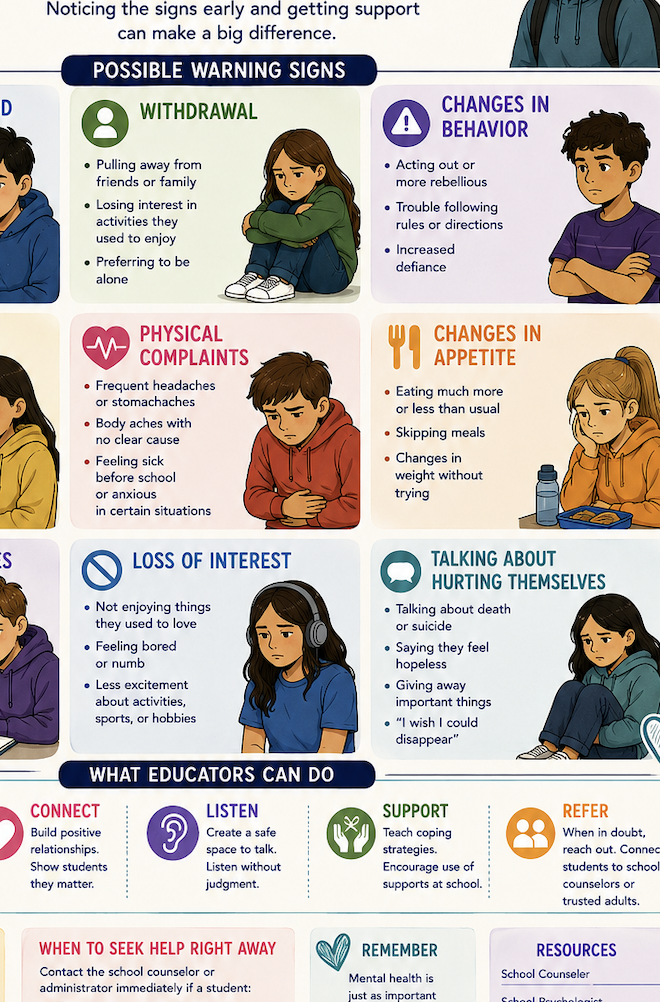
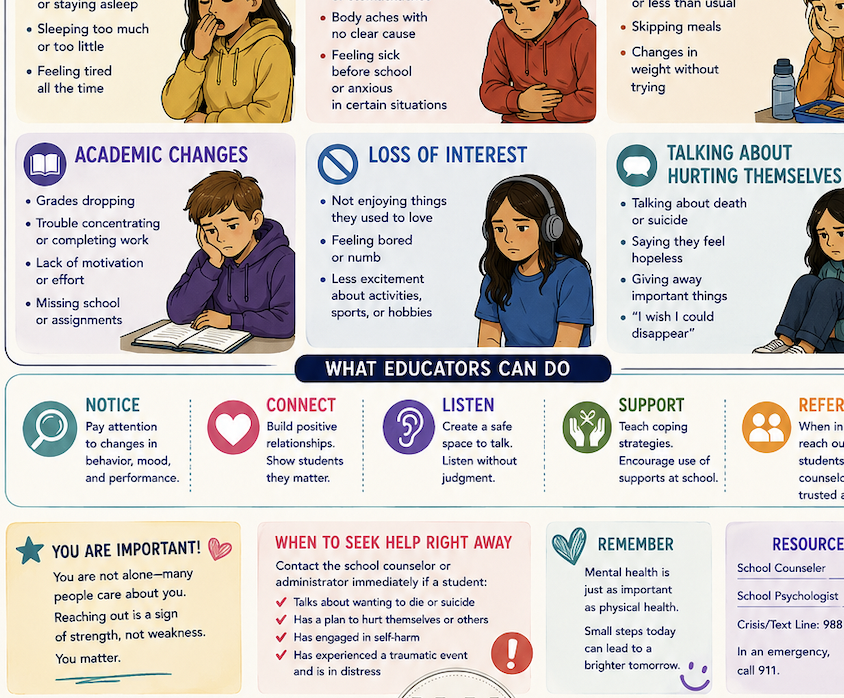
Downloadable PDF visual that educators and/or caregivers can use as a guide to understanding specific warning signs in children in these age ranges and how they can correlate with mental health concerns, resources, and how to best support if one is identified
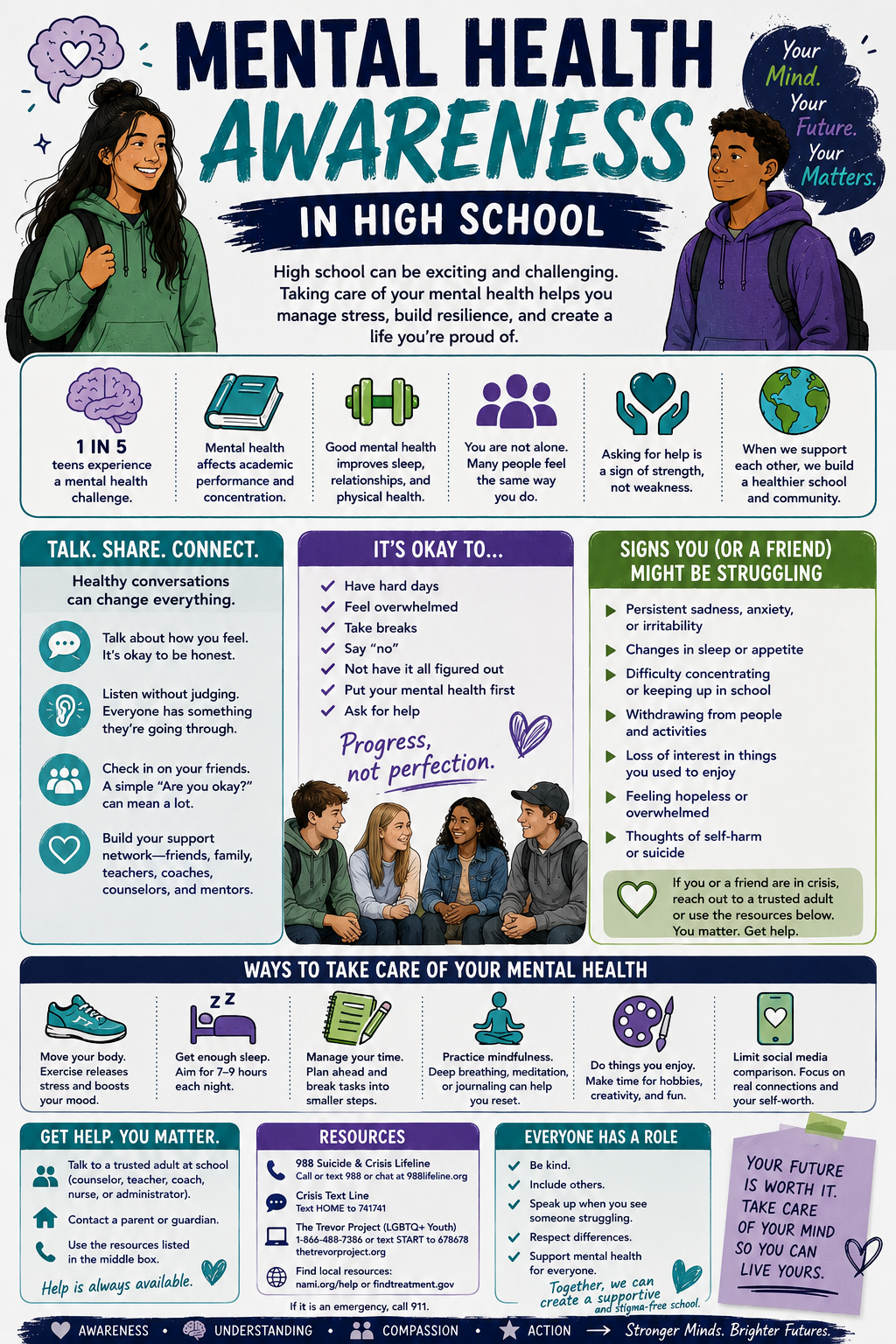
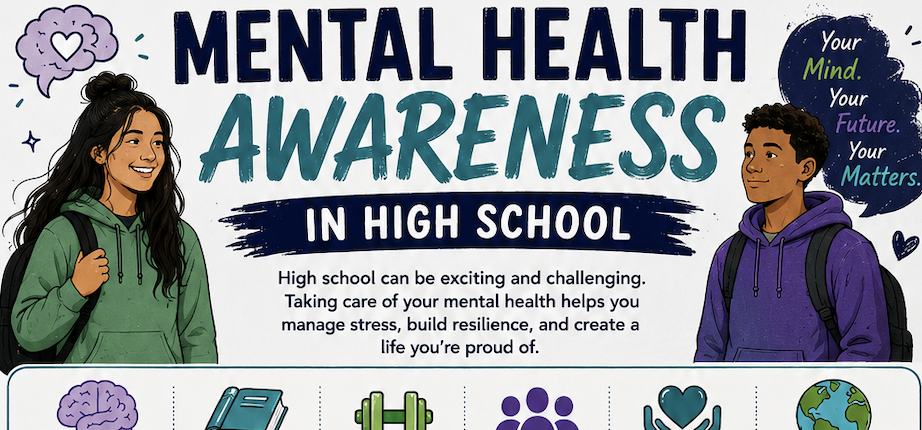
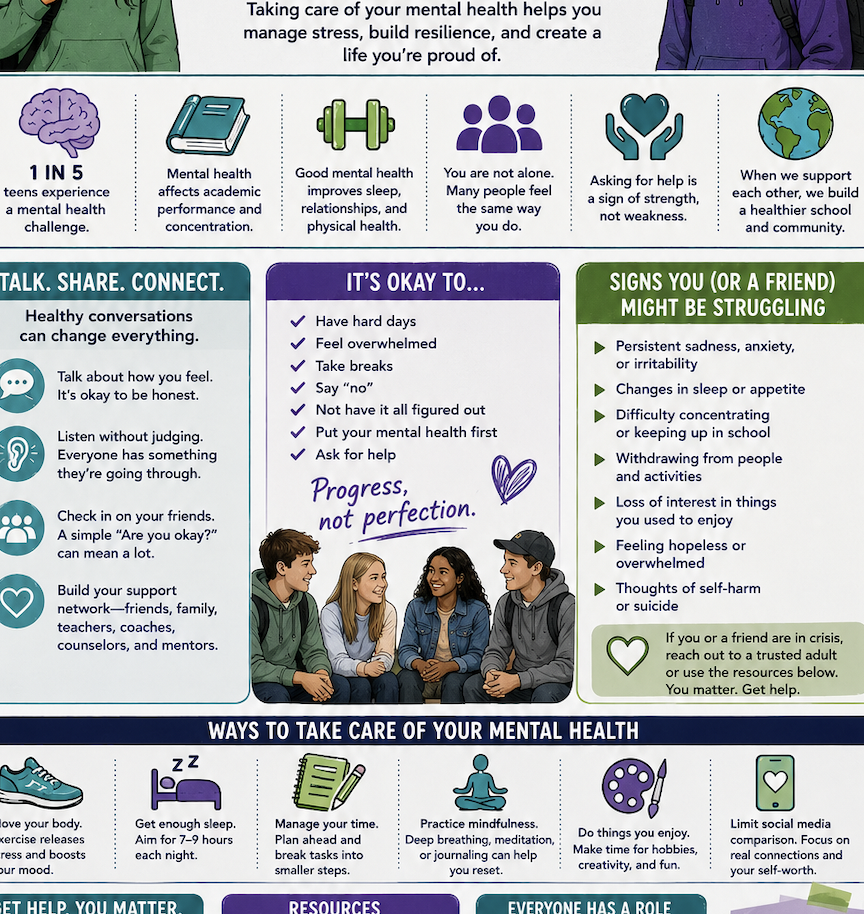
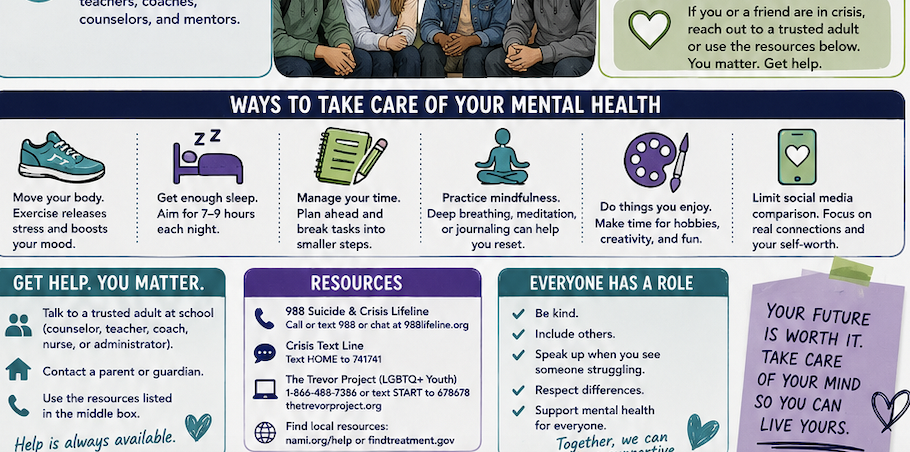
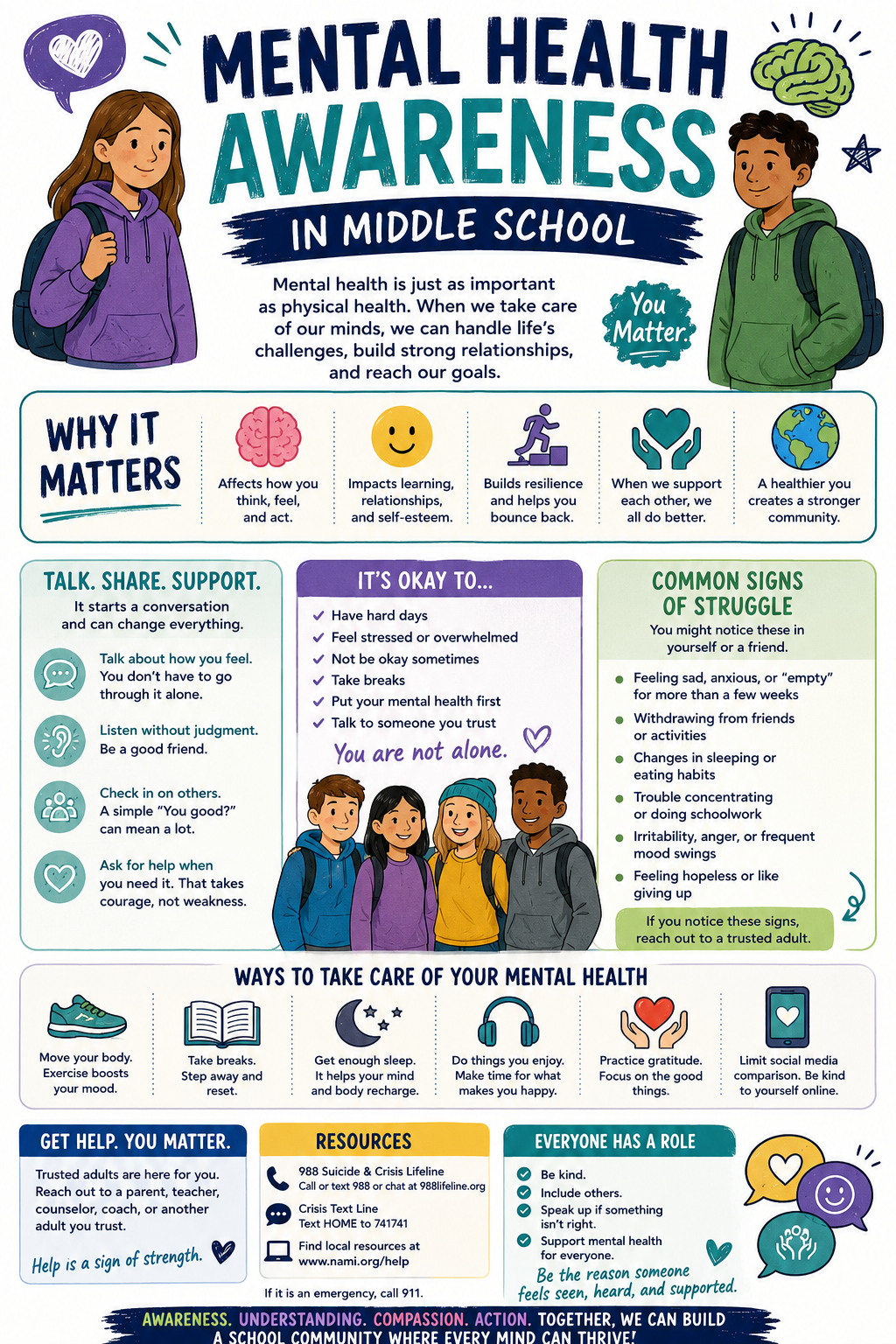
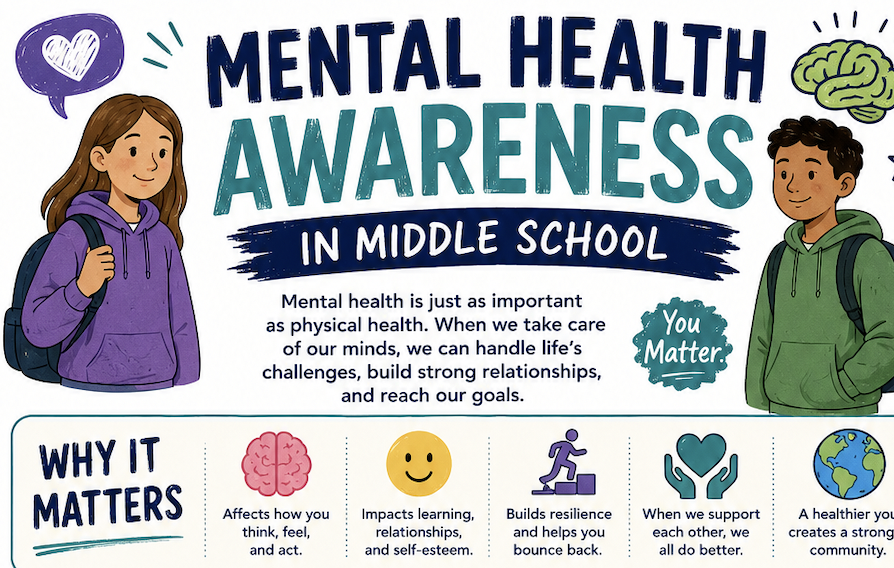
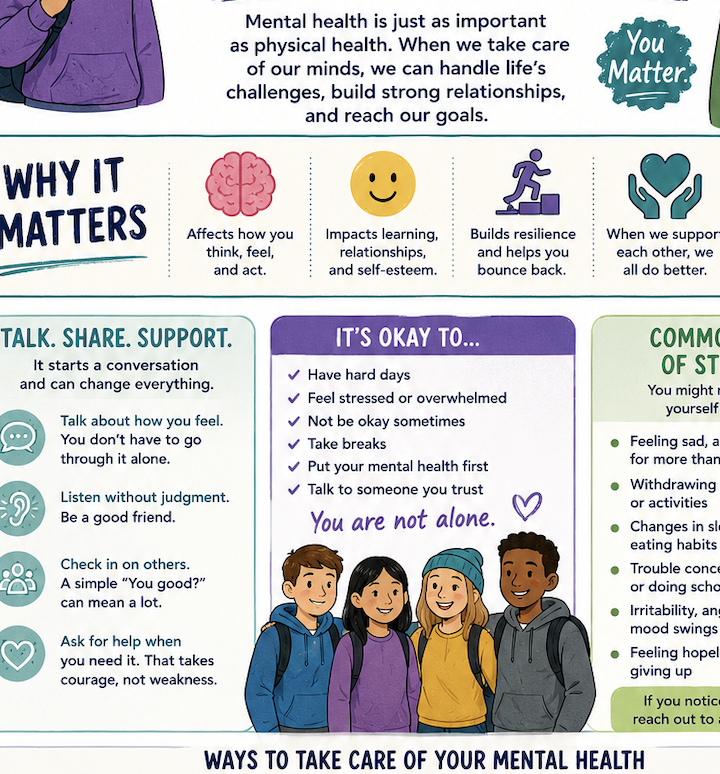
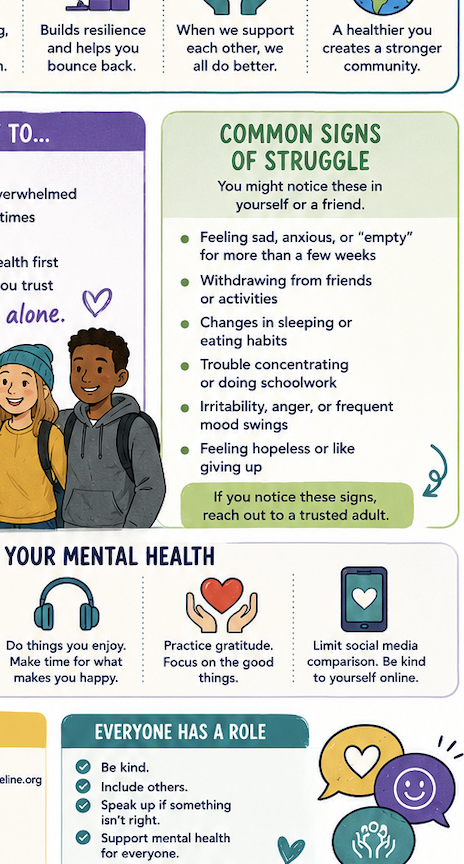
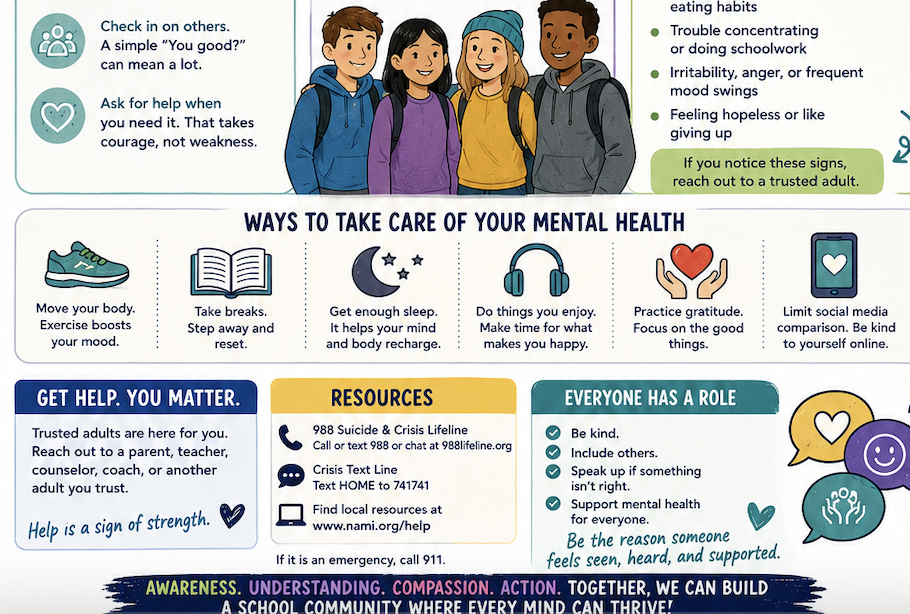
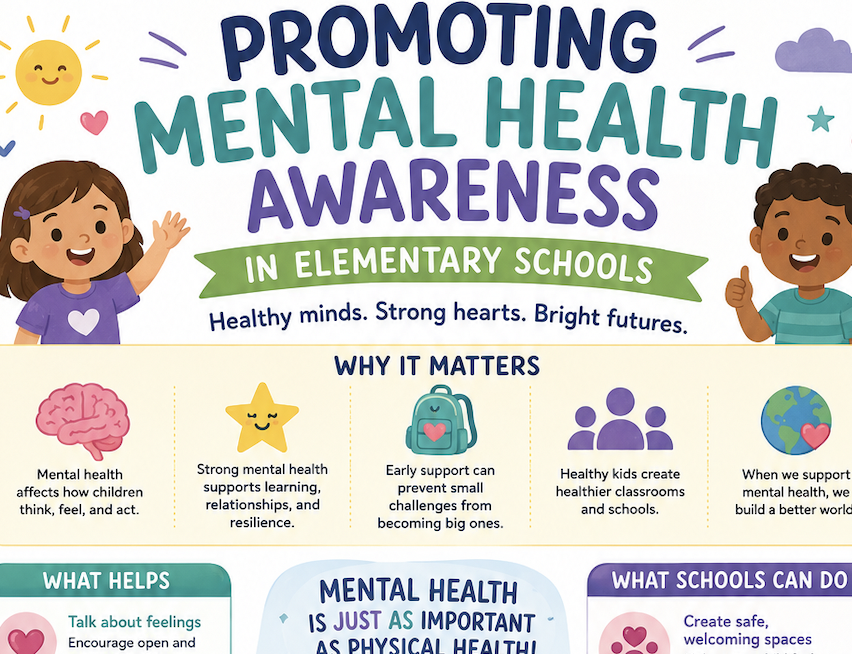
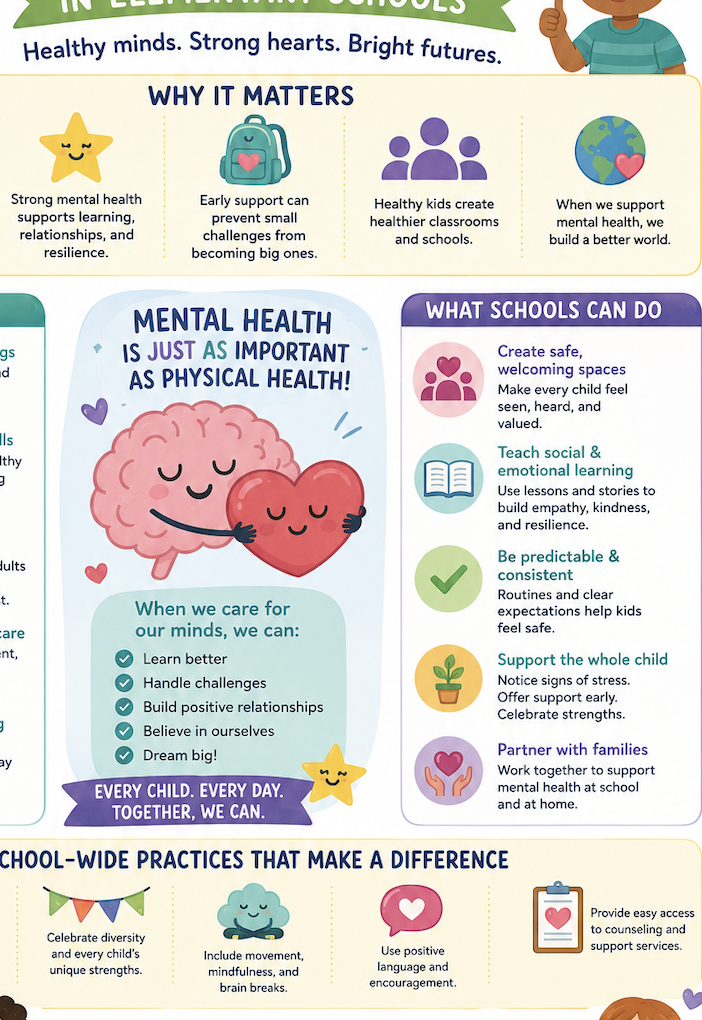
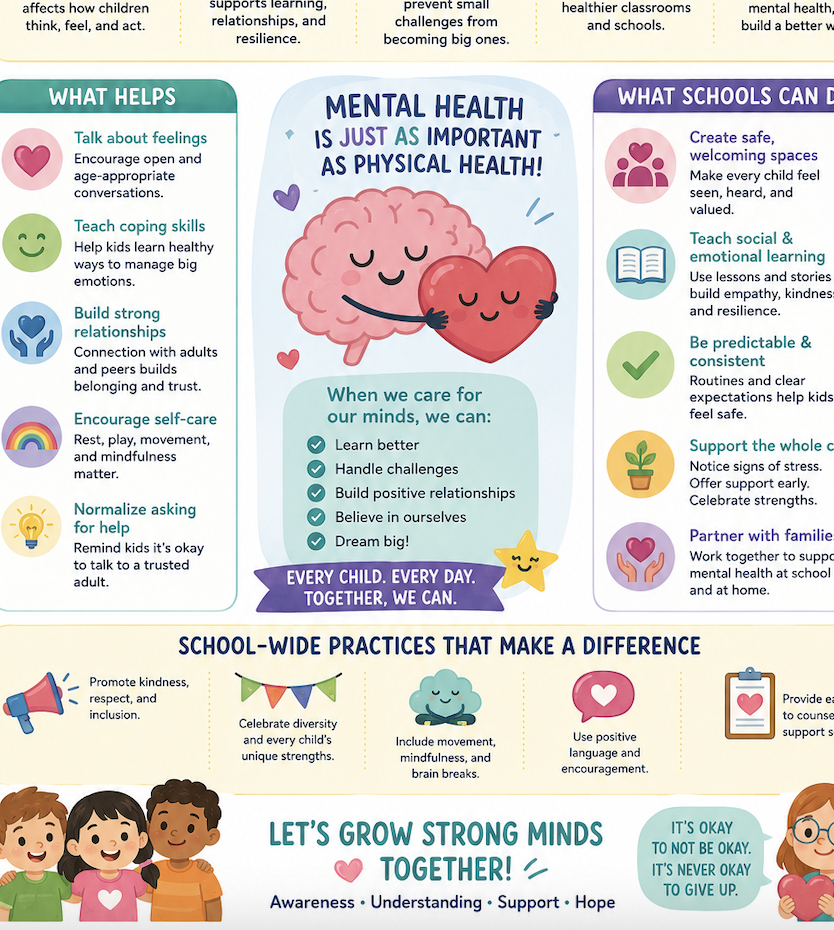
Downloadable PDF visual that provides context into the extreme importance of mental health awareness in the high school level (grades 9-12). This population of students is very vulnerable and it is important to note how students can support themselves, access support, know signs, what schools can do, and MORE!
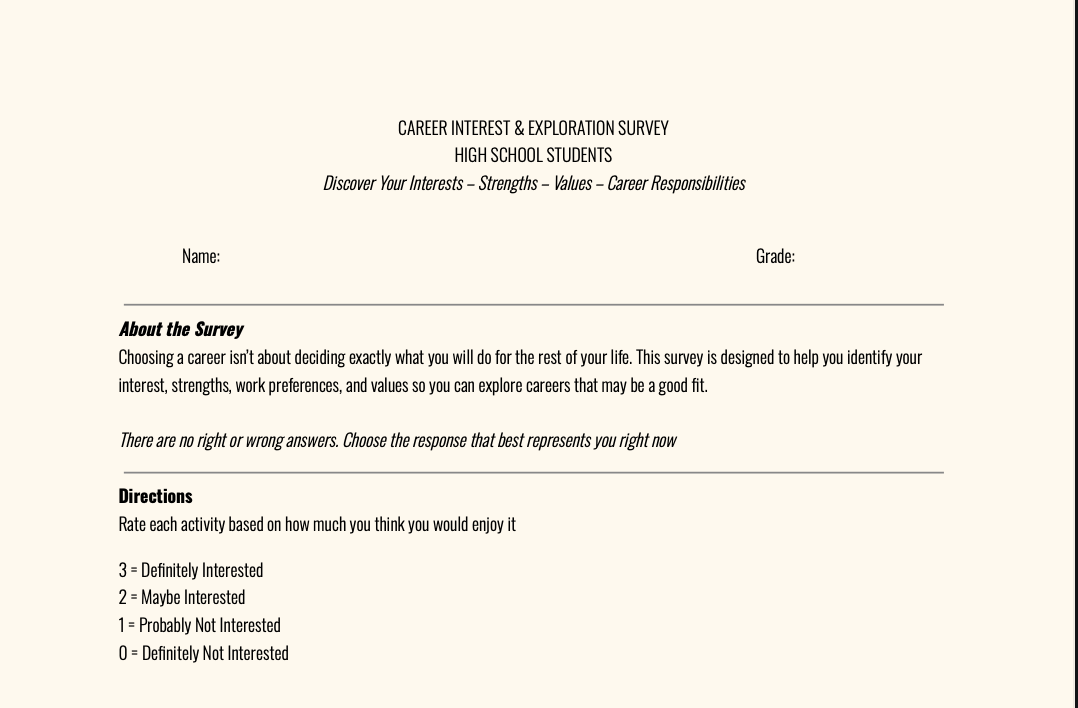
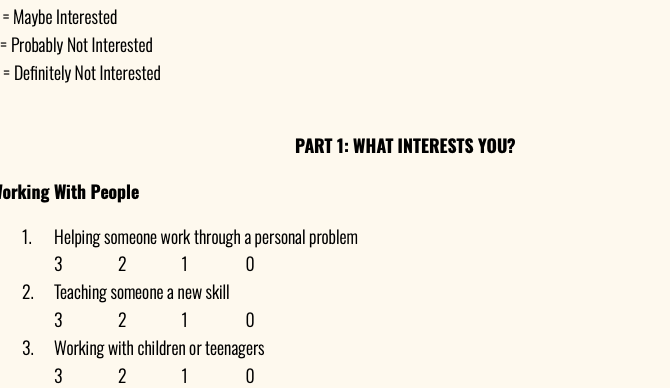
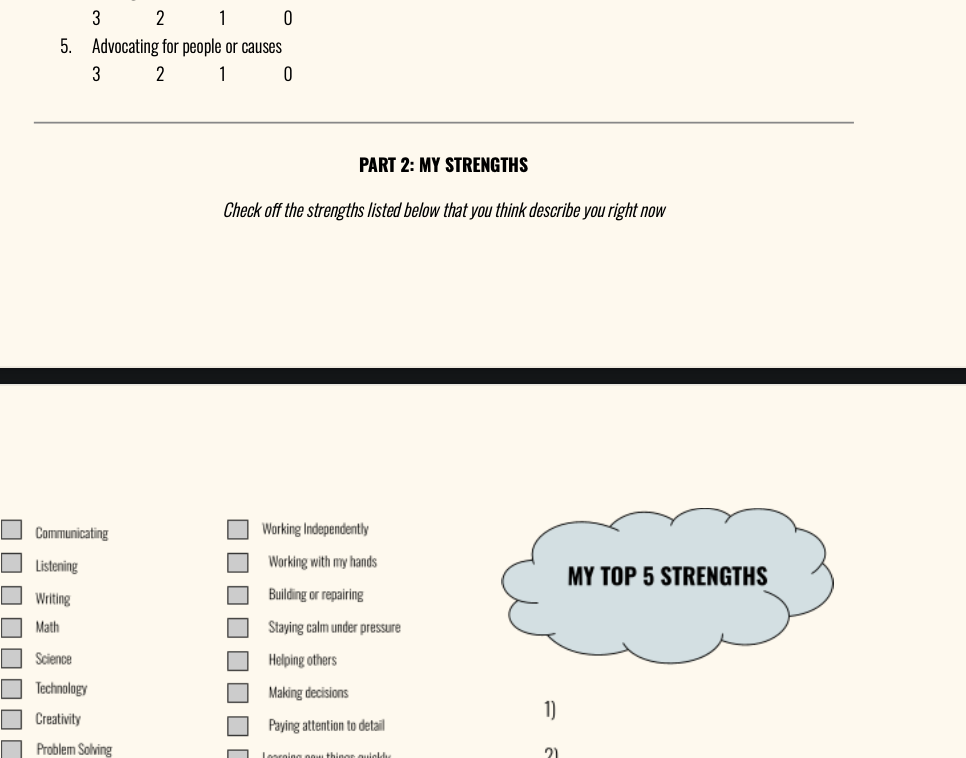
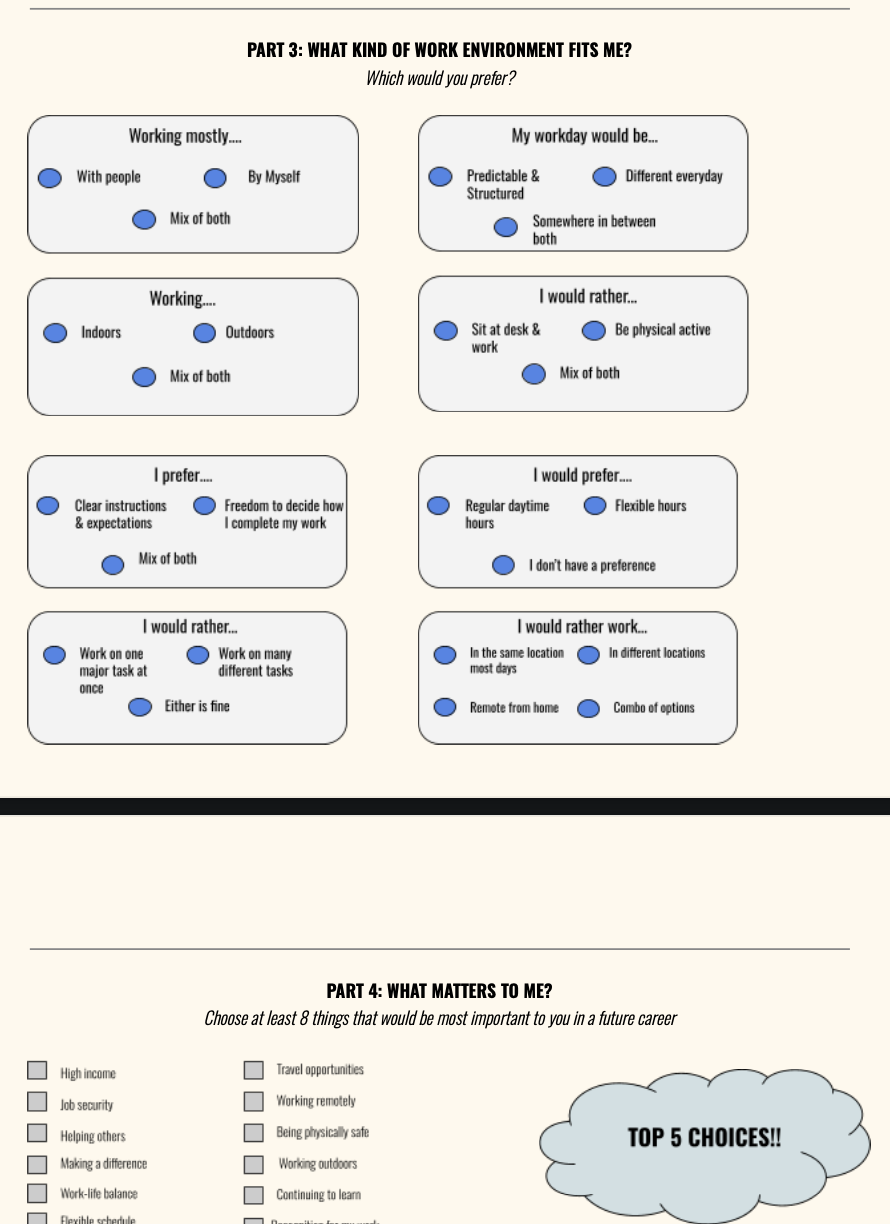
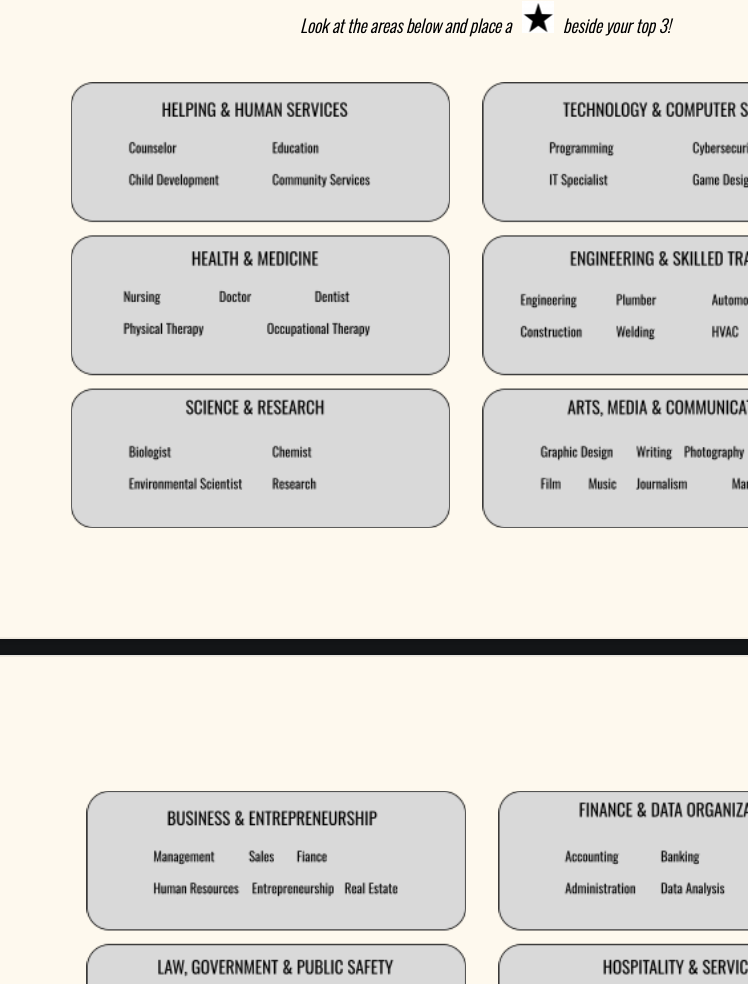
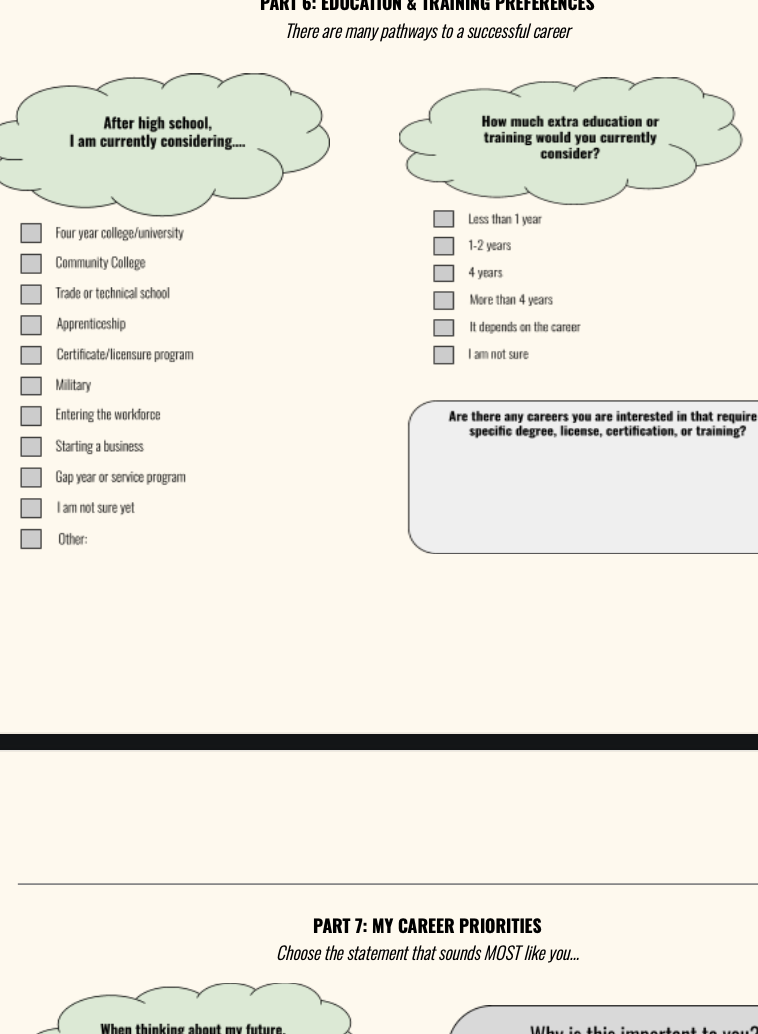
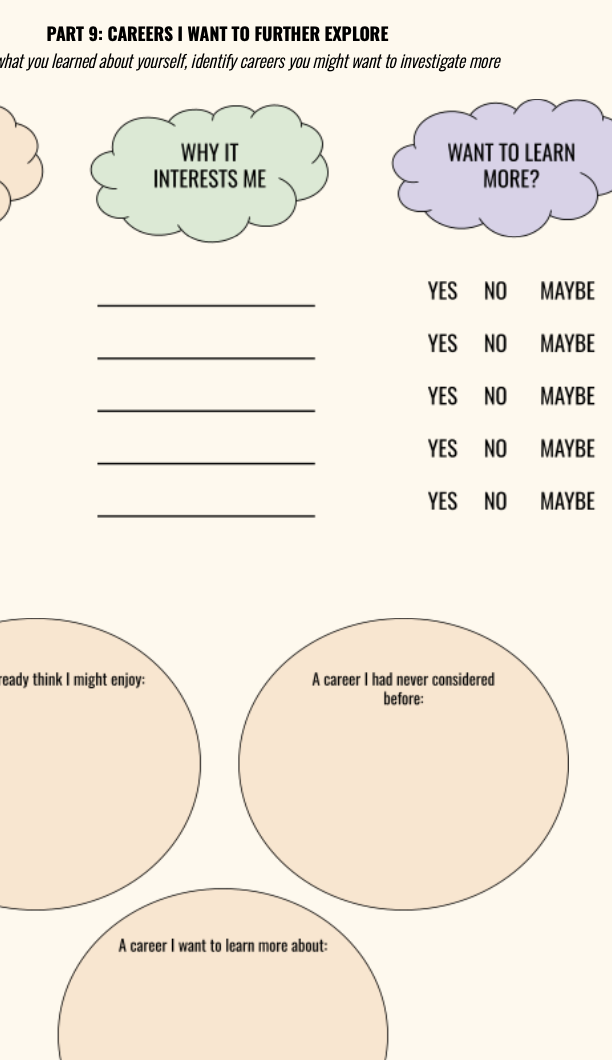
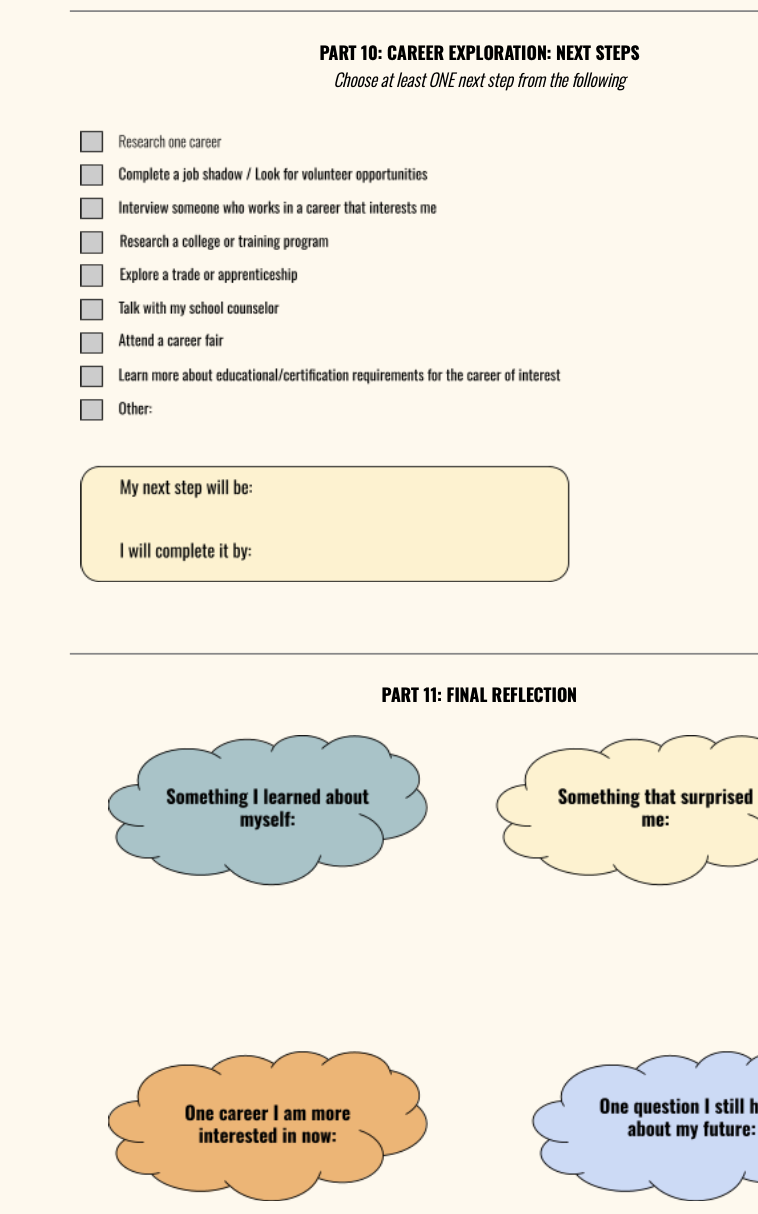
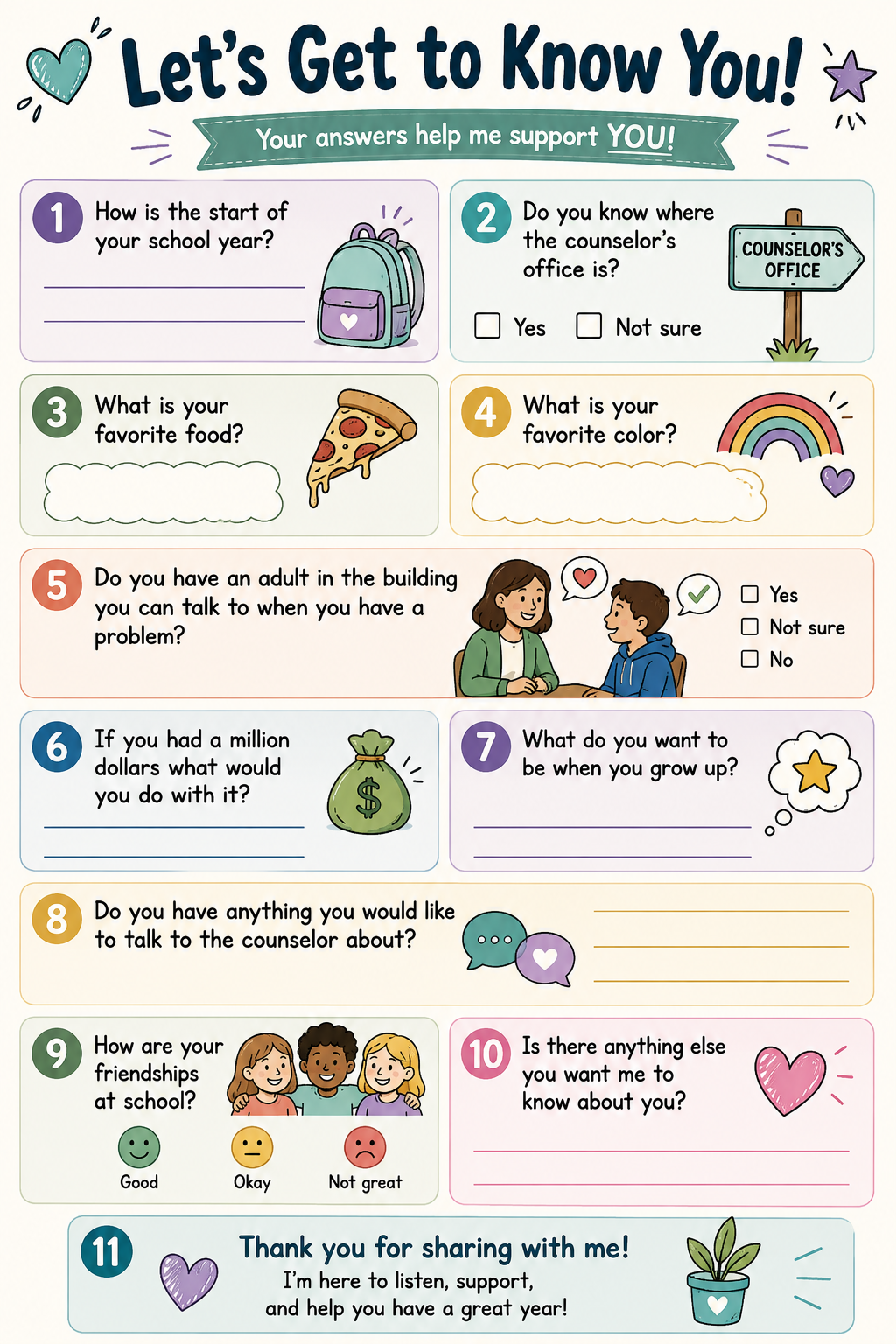
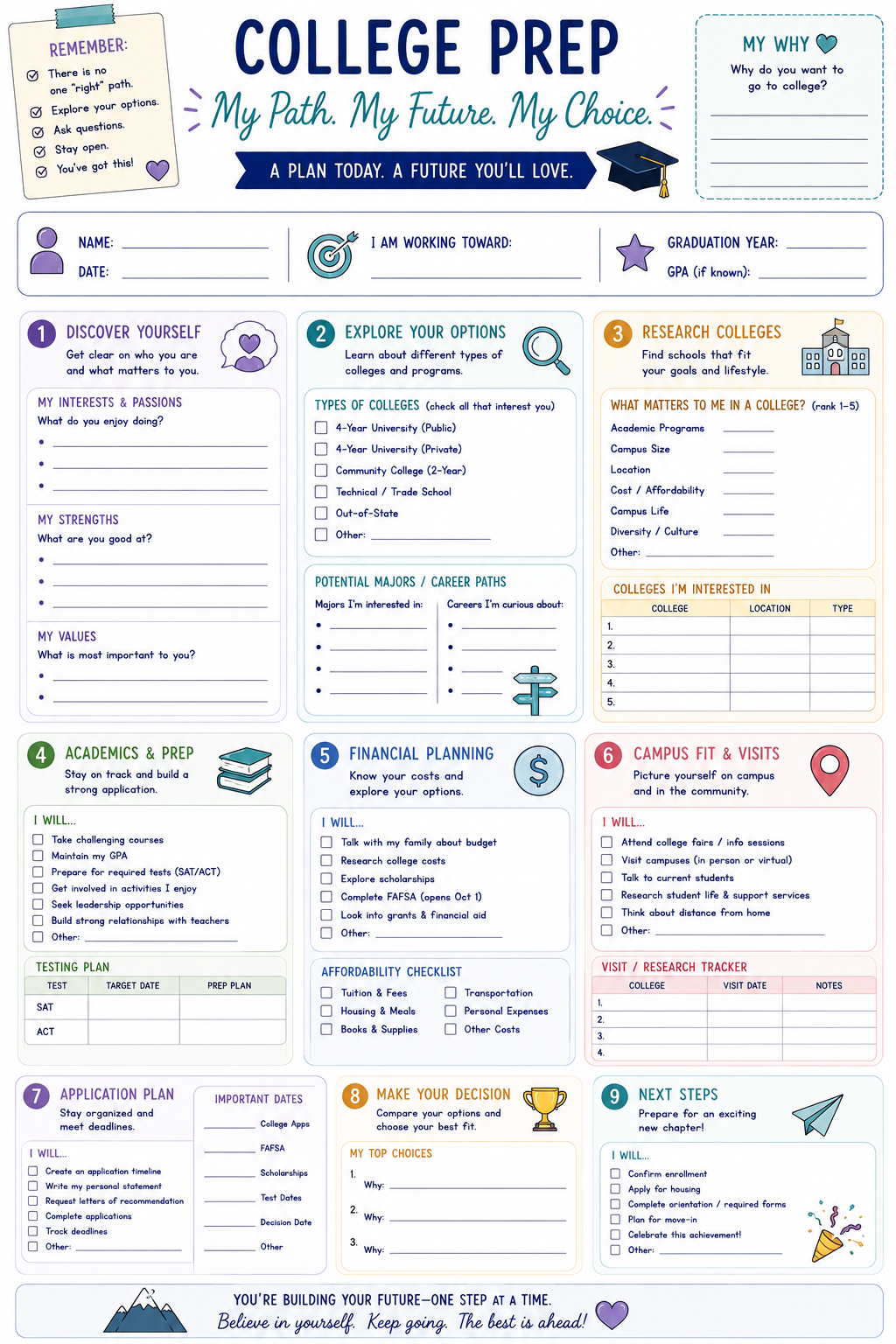
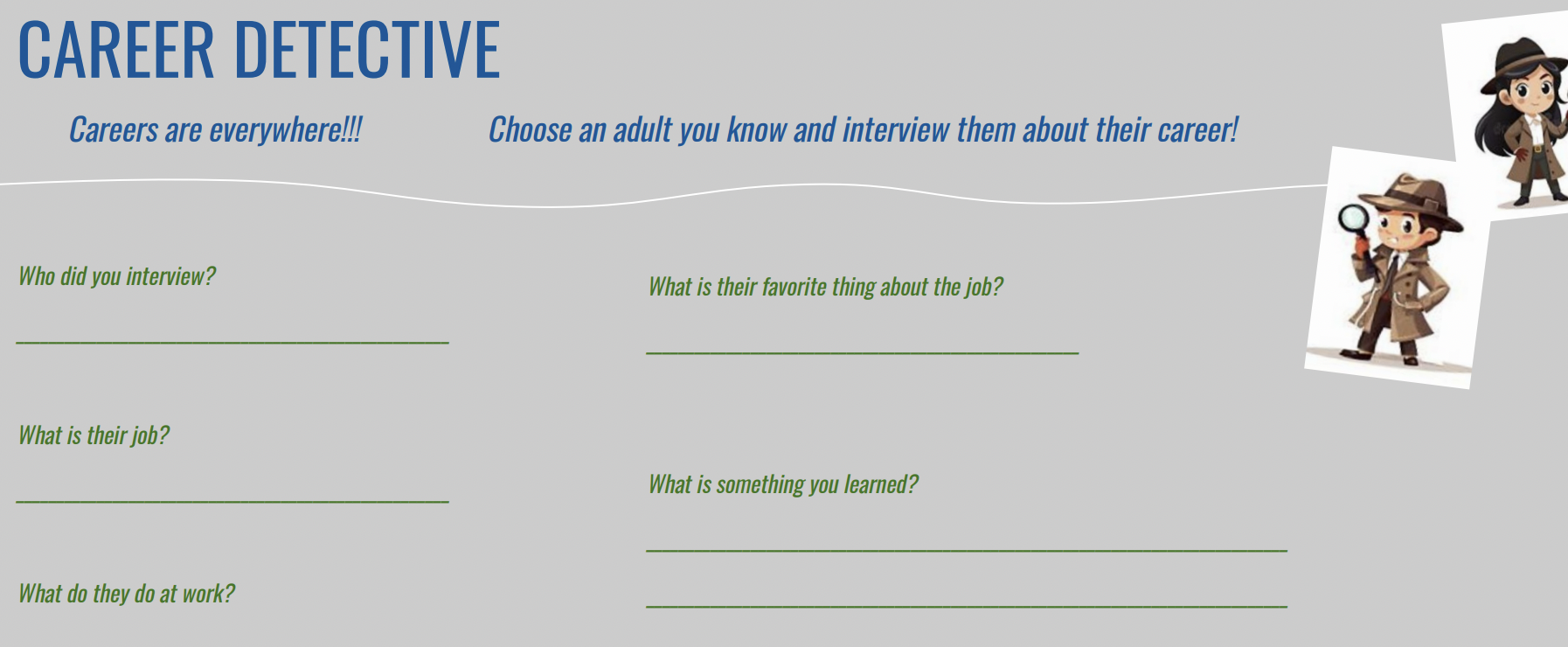
Downloadable PDF career exploration interest survey for high school students to identify their interests, values, strengths, and approach to careers in an engaging way. This can be used in career exploration courses, individually outside of school, or with a school counselor when having conversations about post-graduation goals and aspirations.
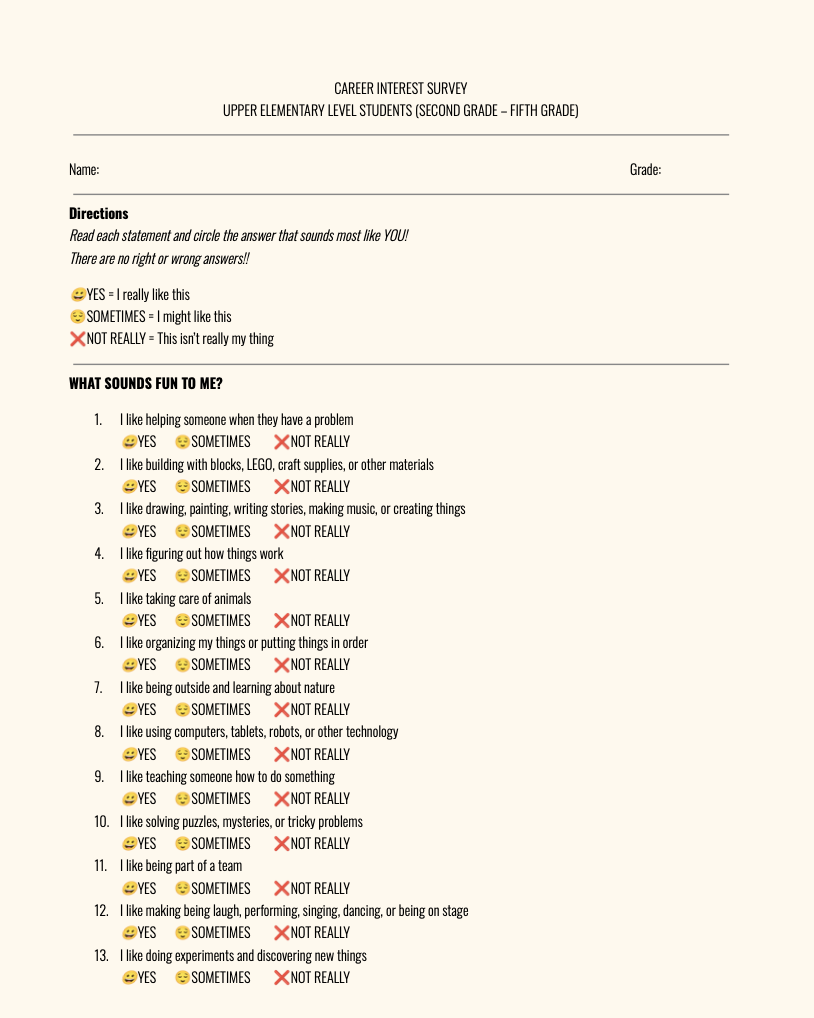
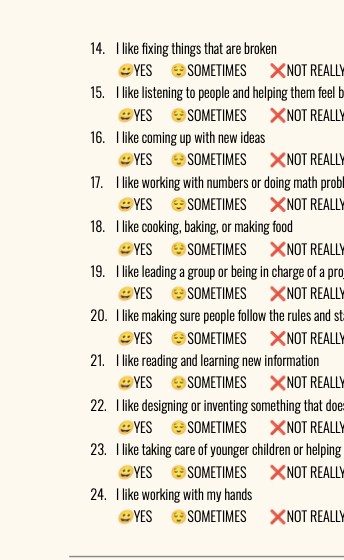
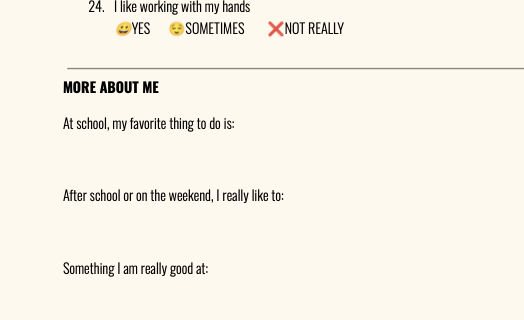
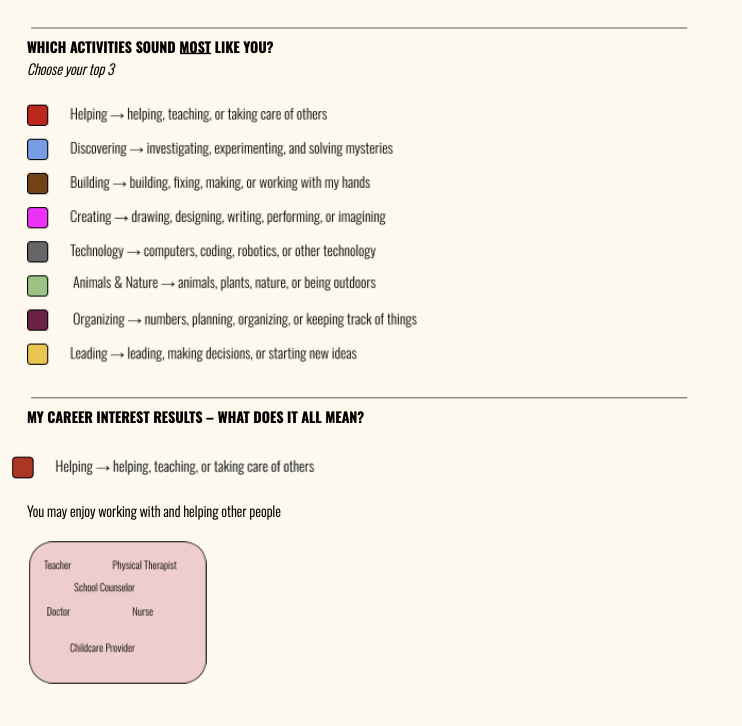
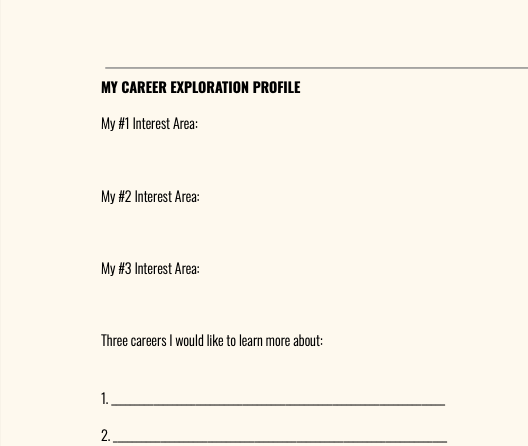
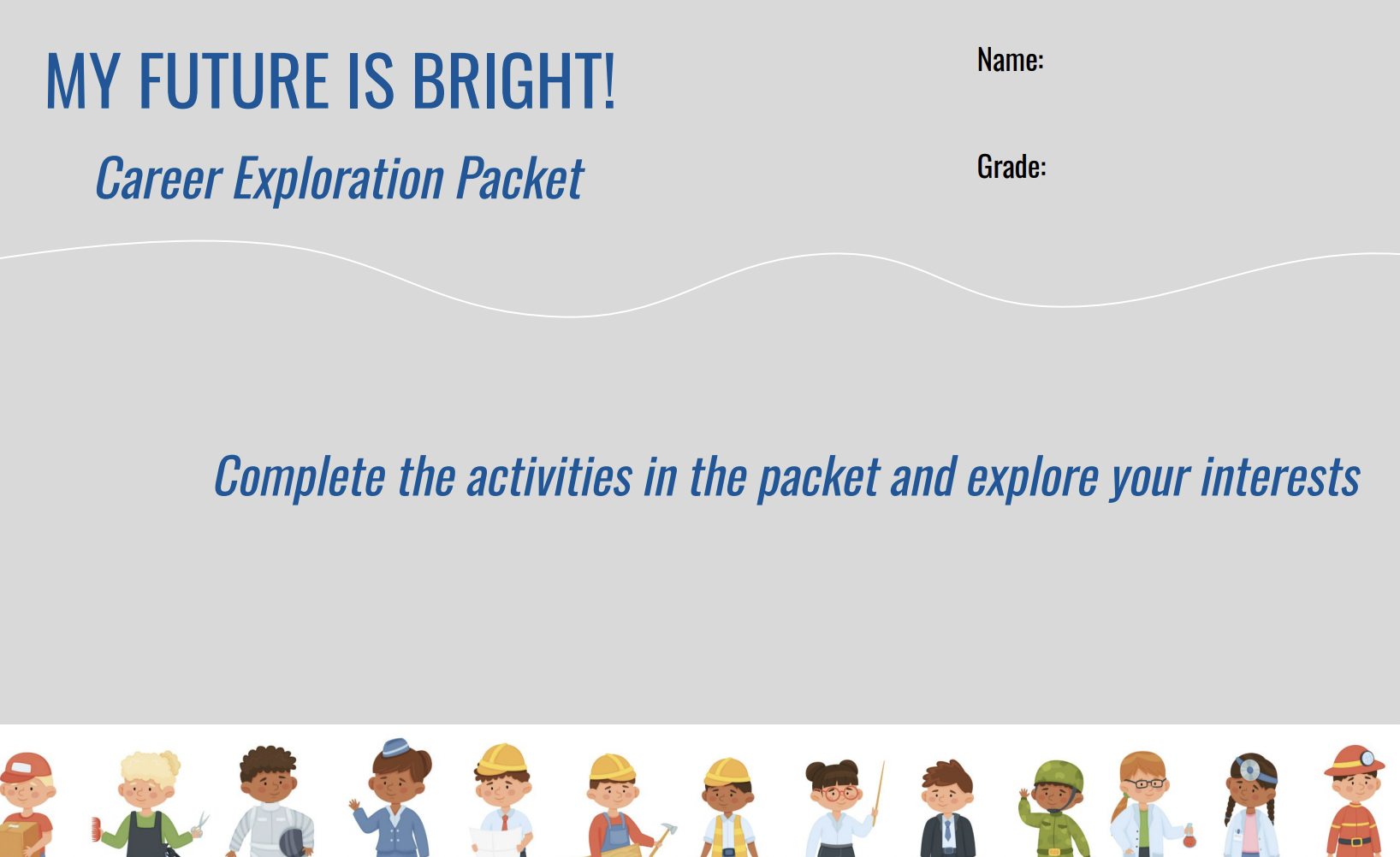
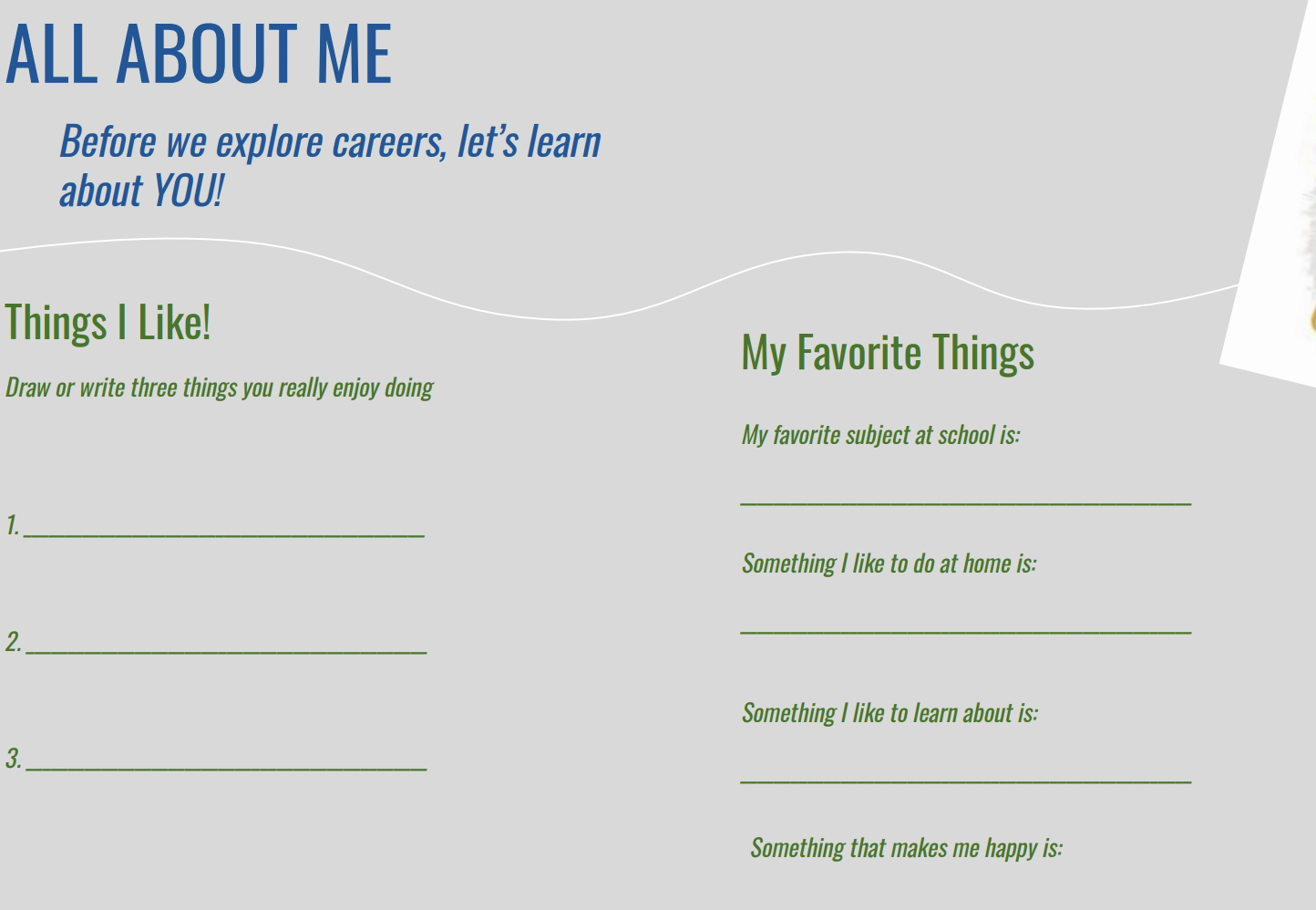
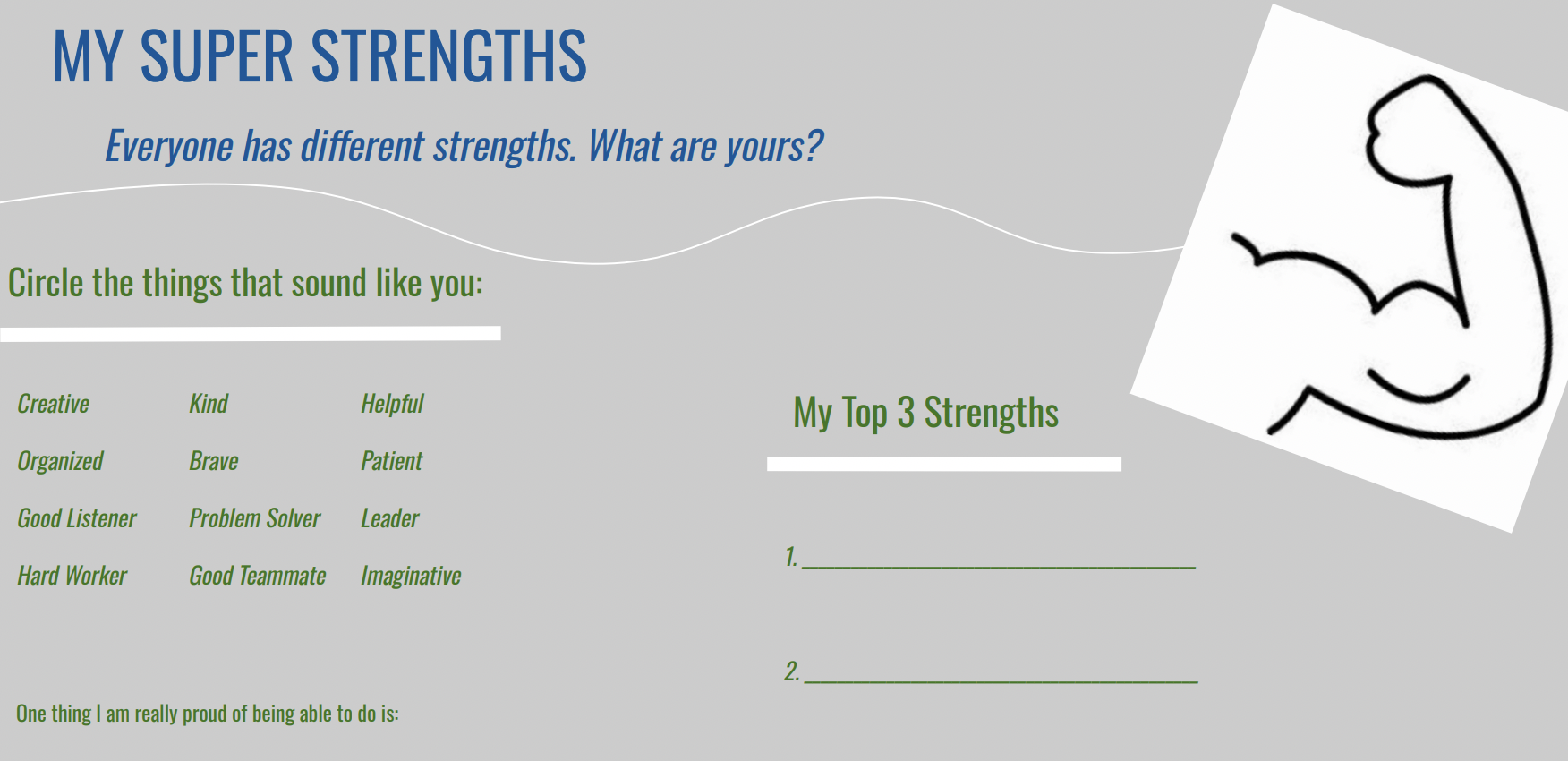
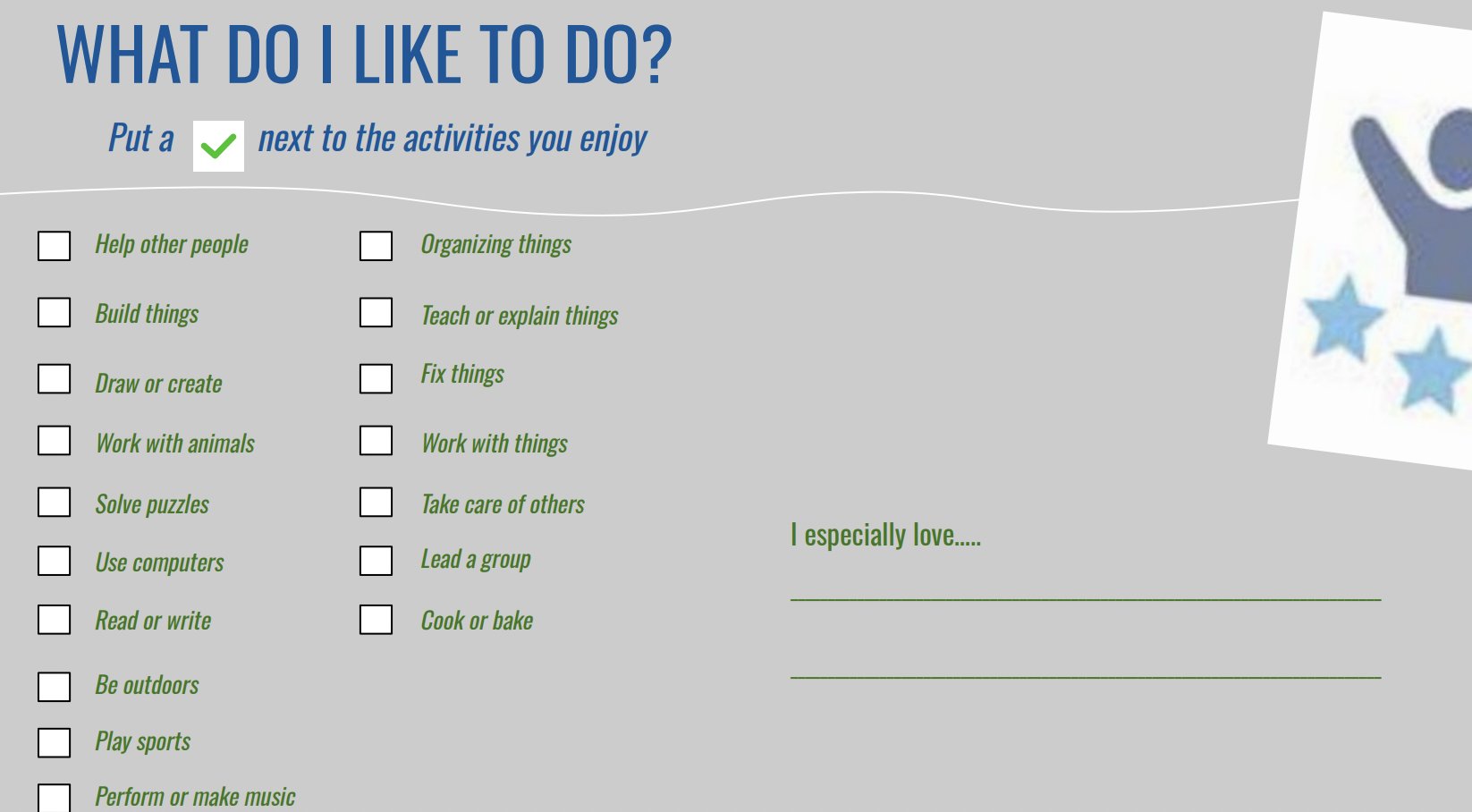
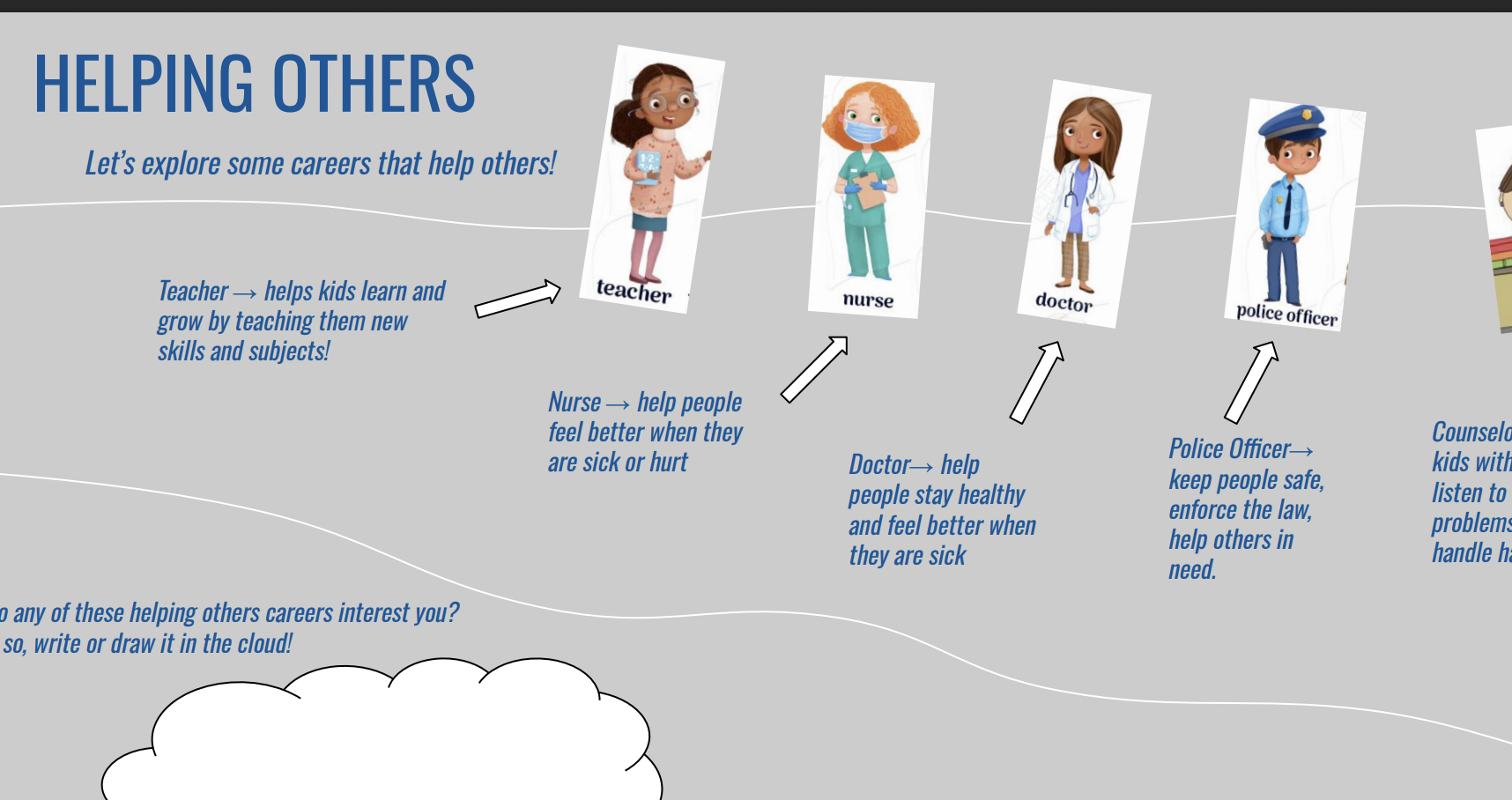
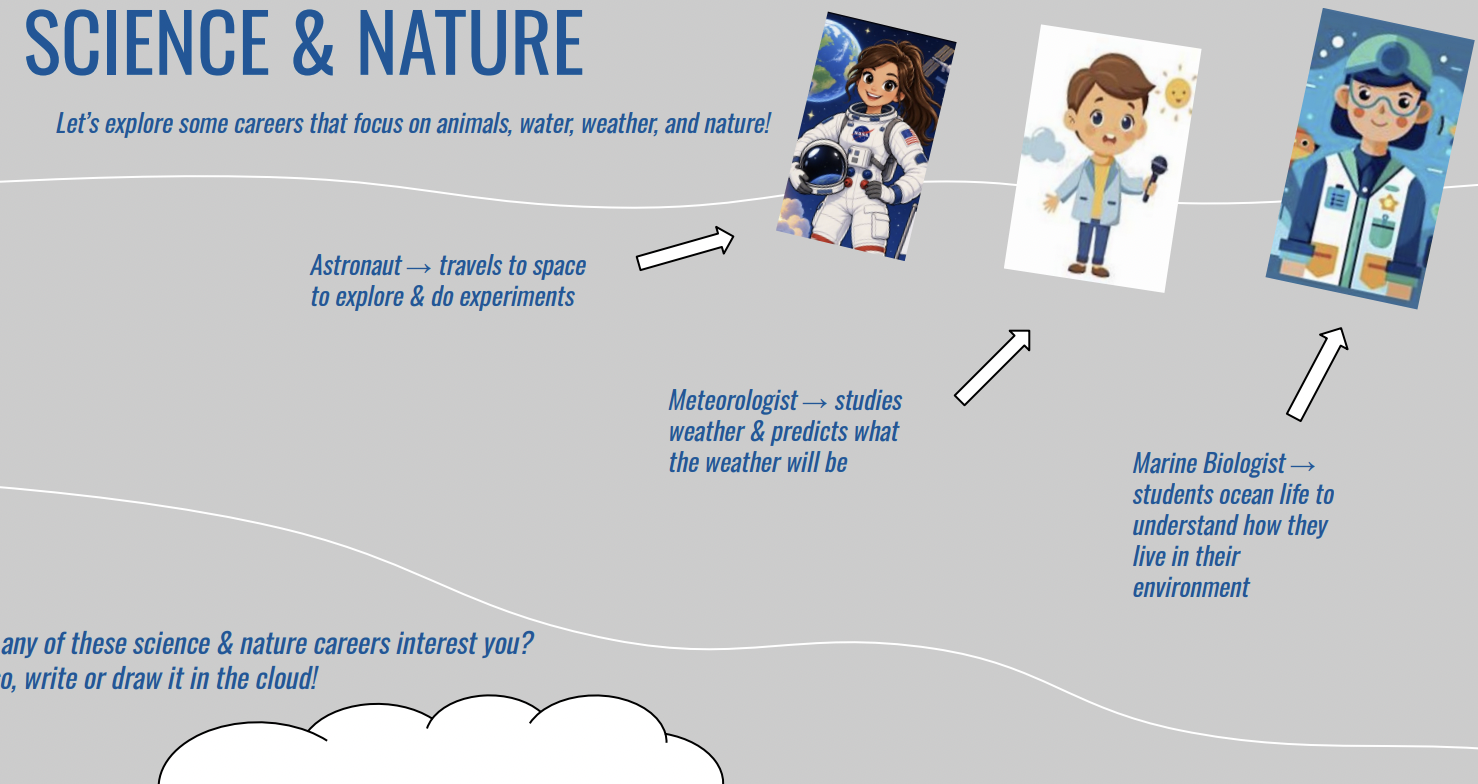
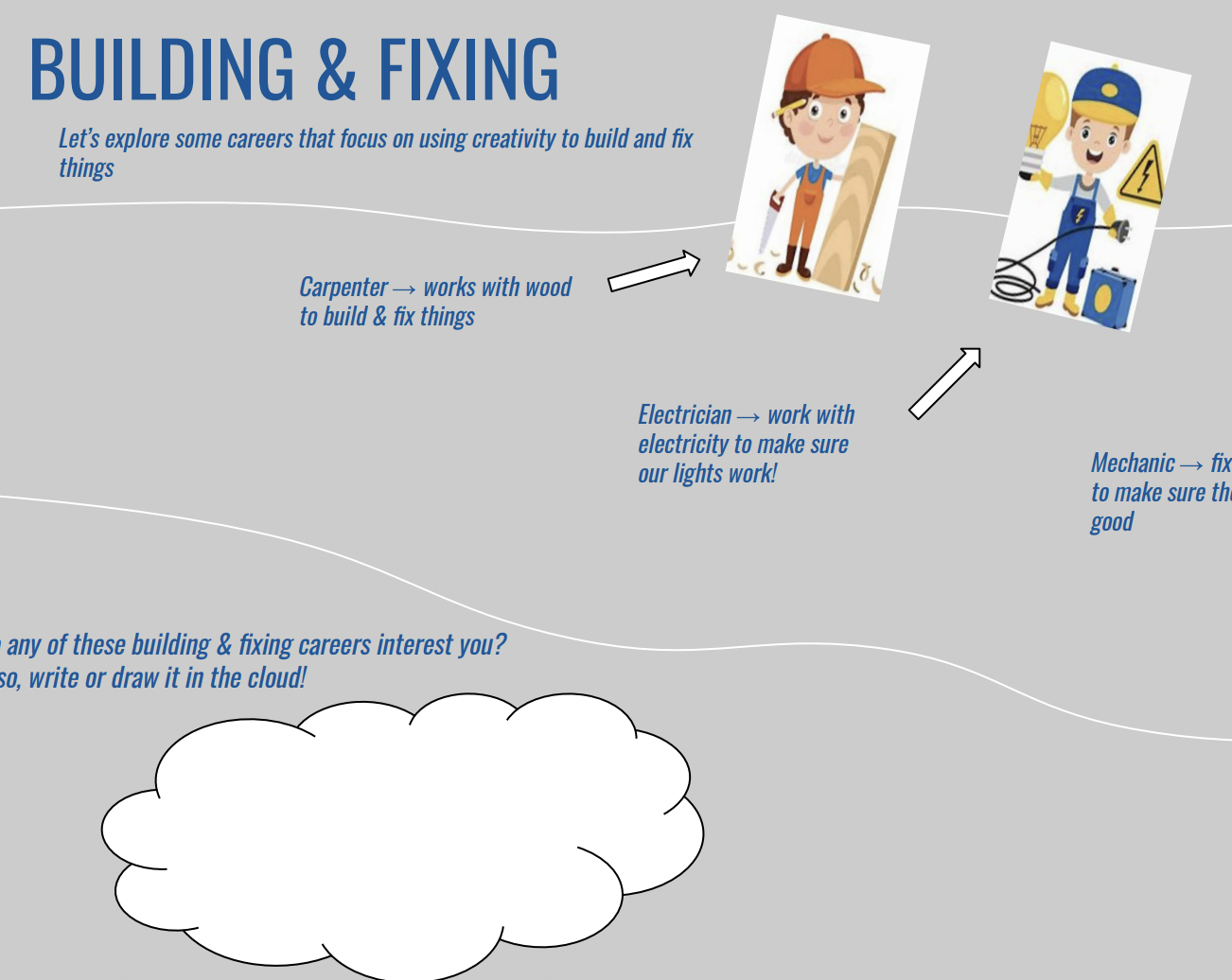
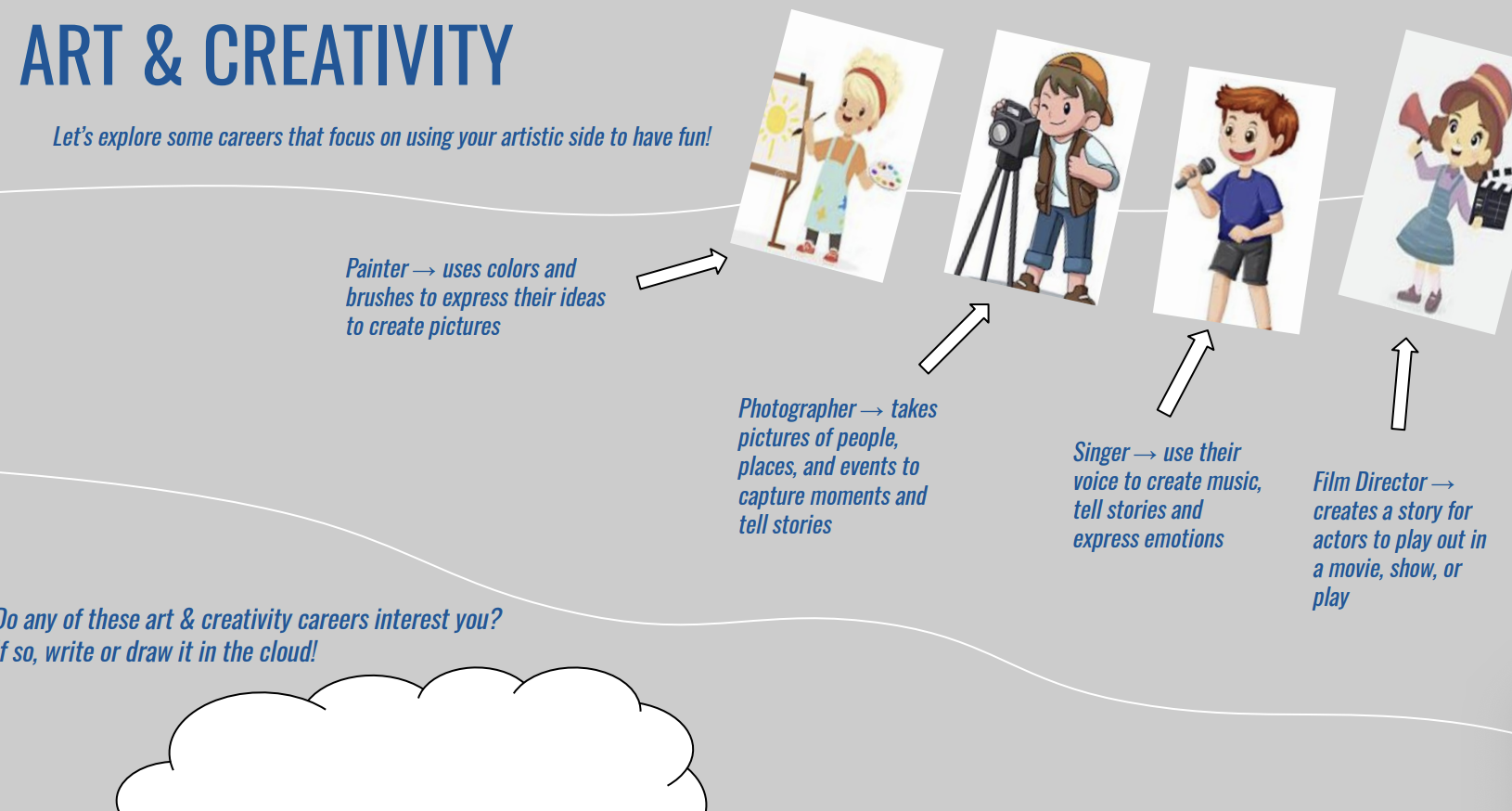
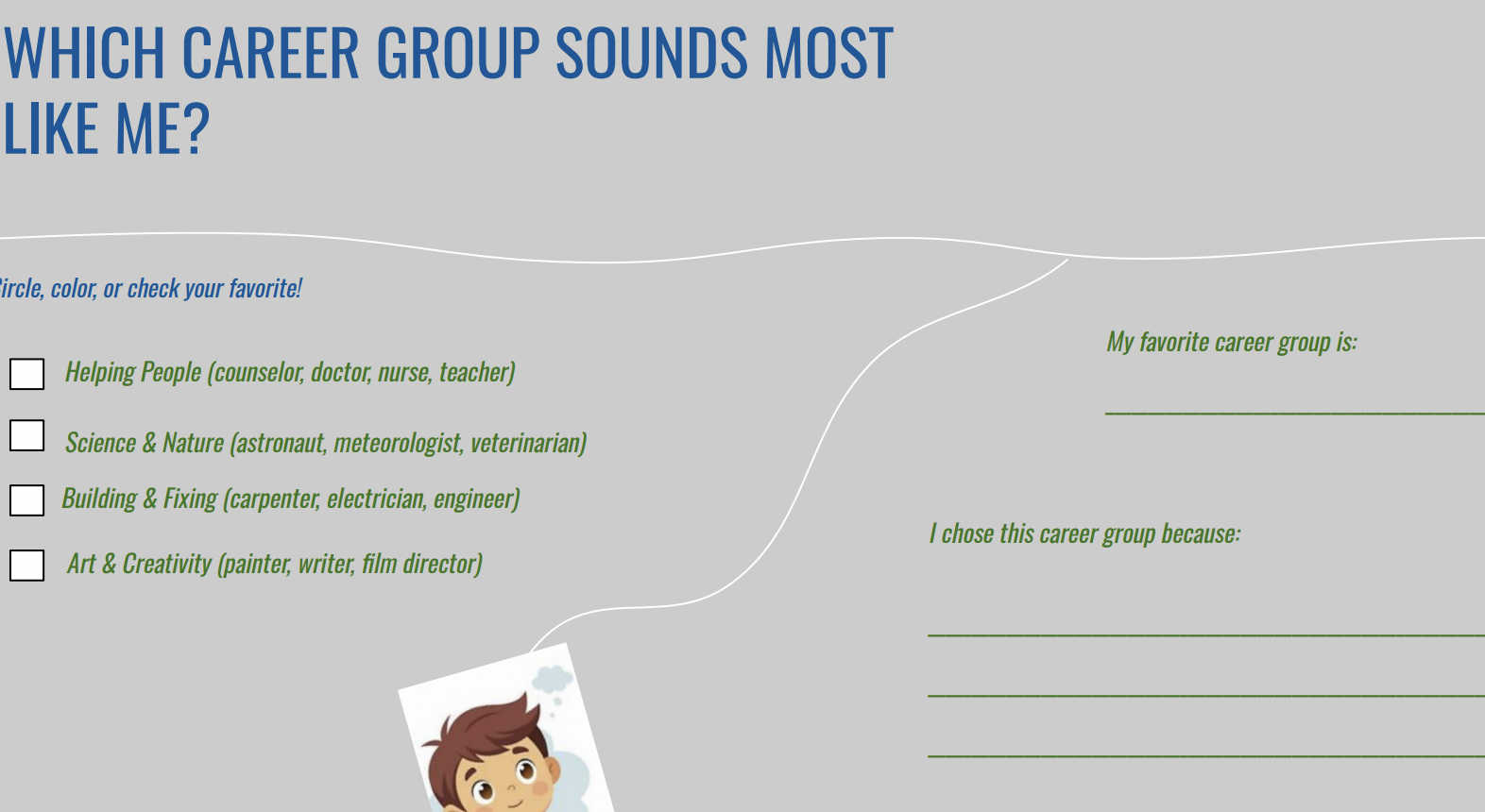
Downloadable PDF intake survey for upper elementary students that helps provide a more comprehensive overview of their specific interests and what category of careers they best align with. This also allows for students to gain more context into other careers they may not have known about to explore further
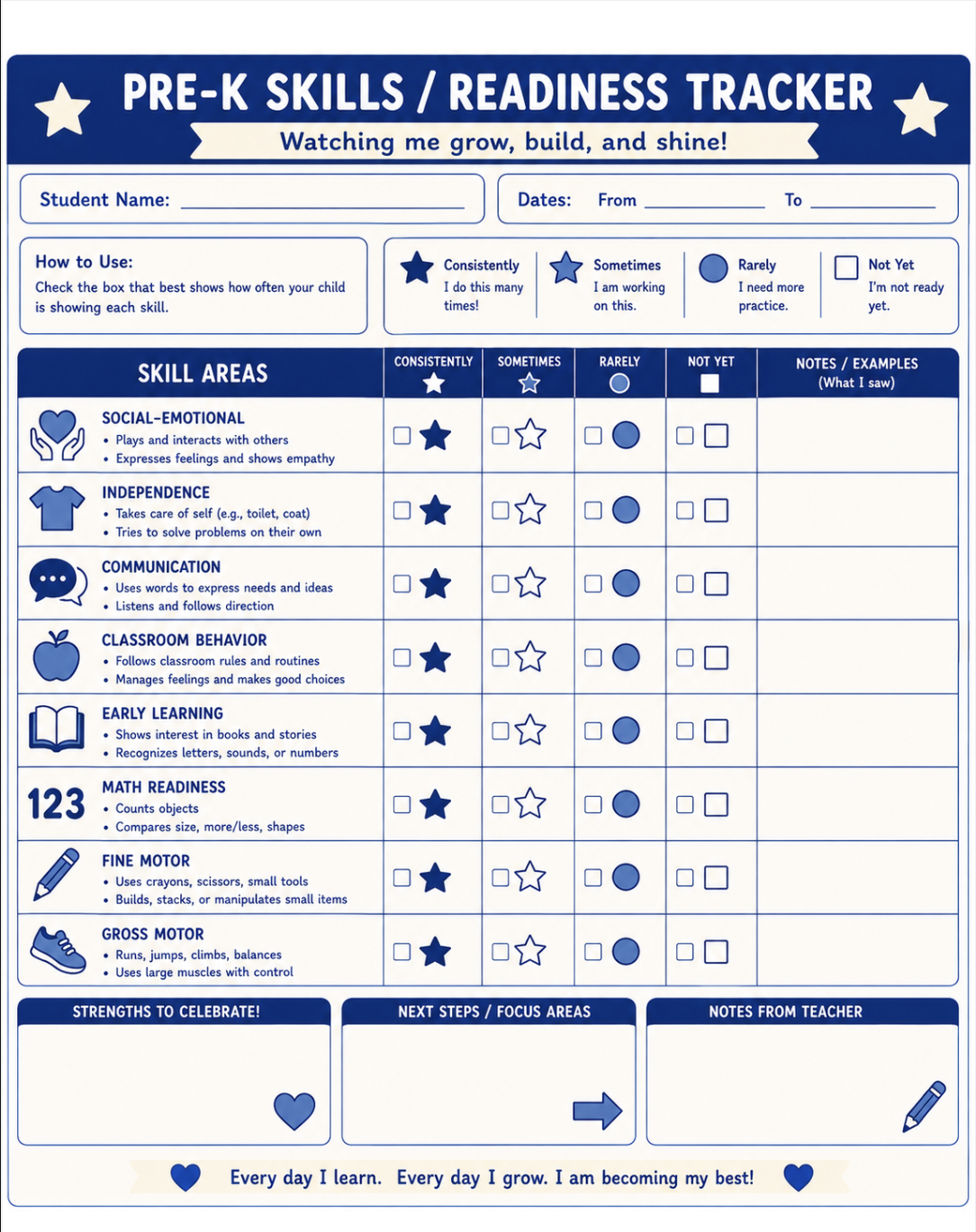
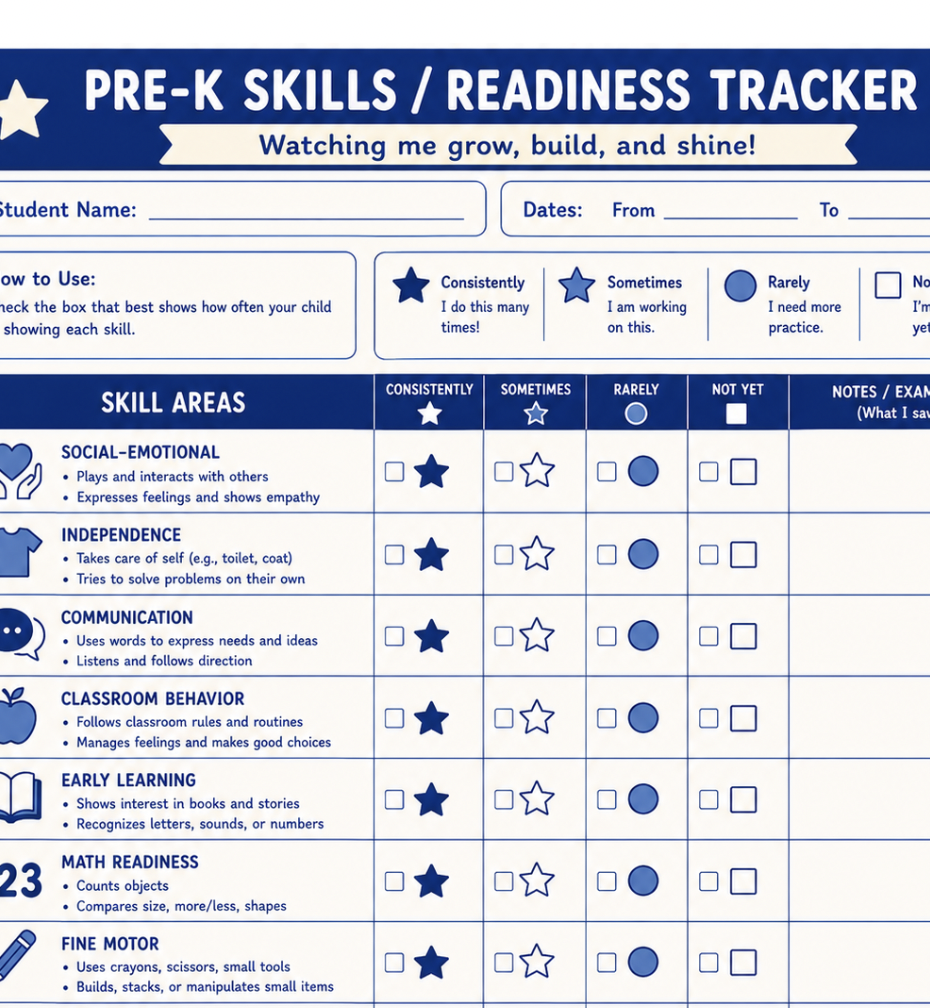
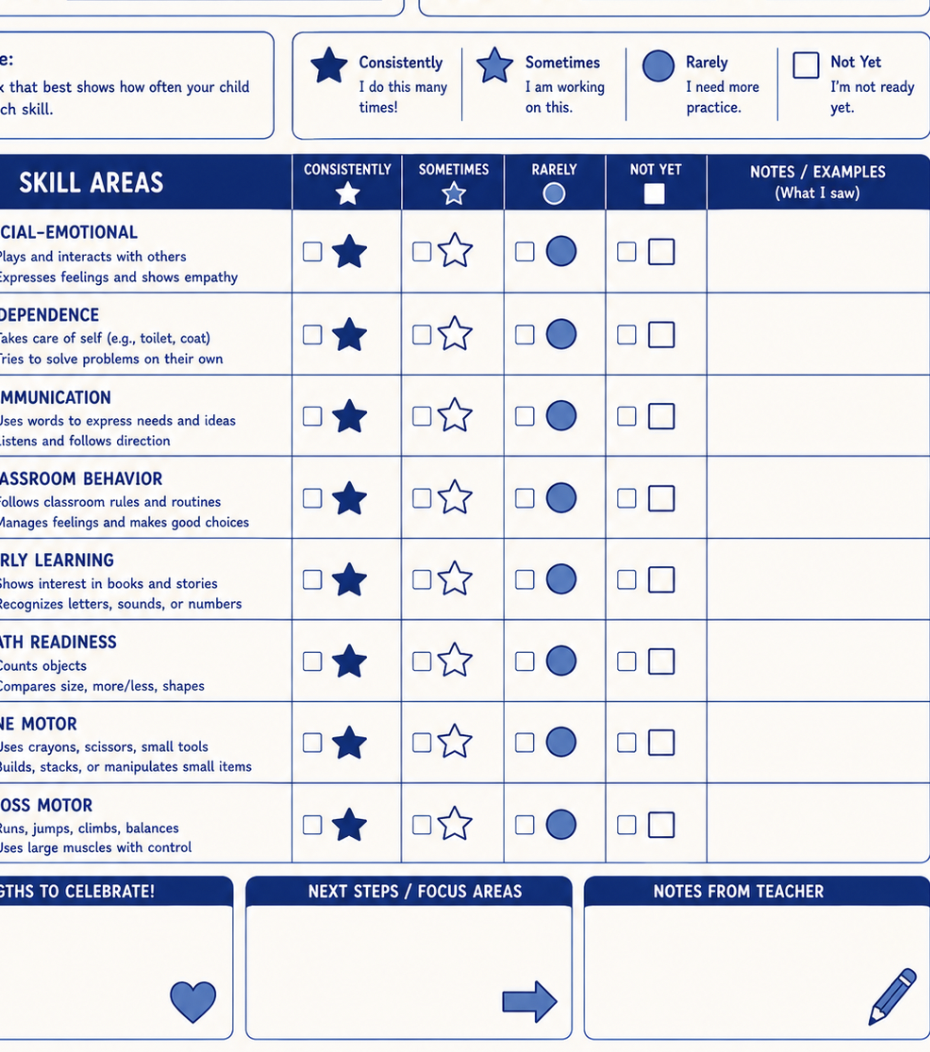
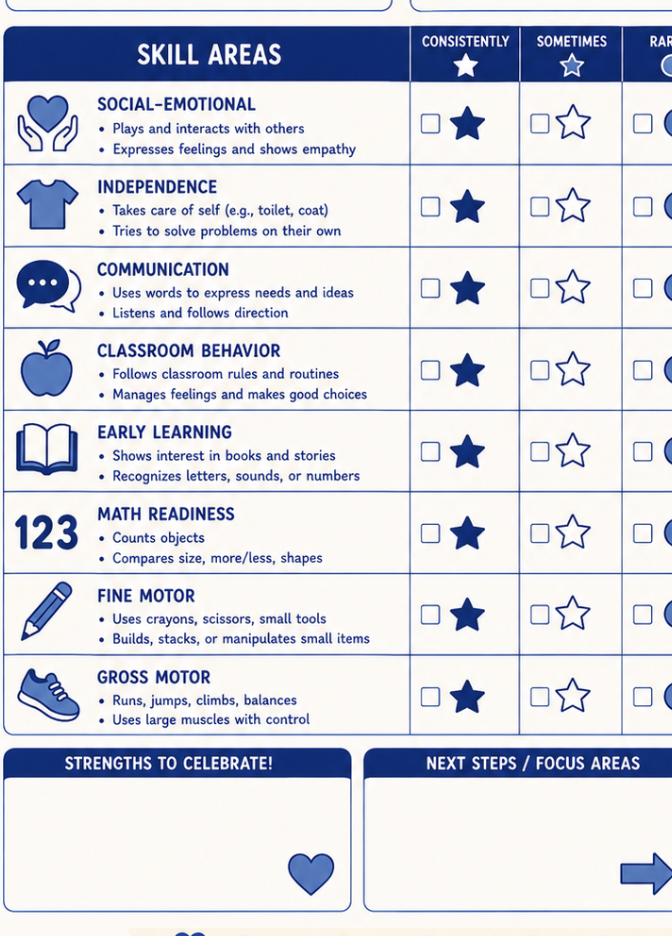
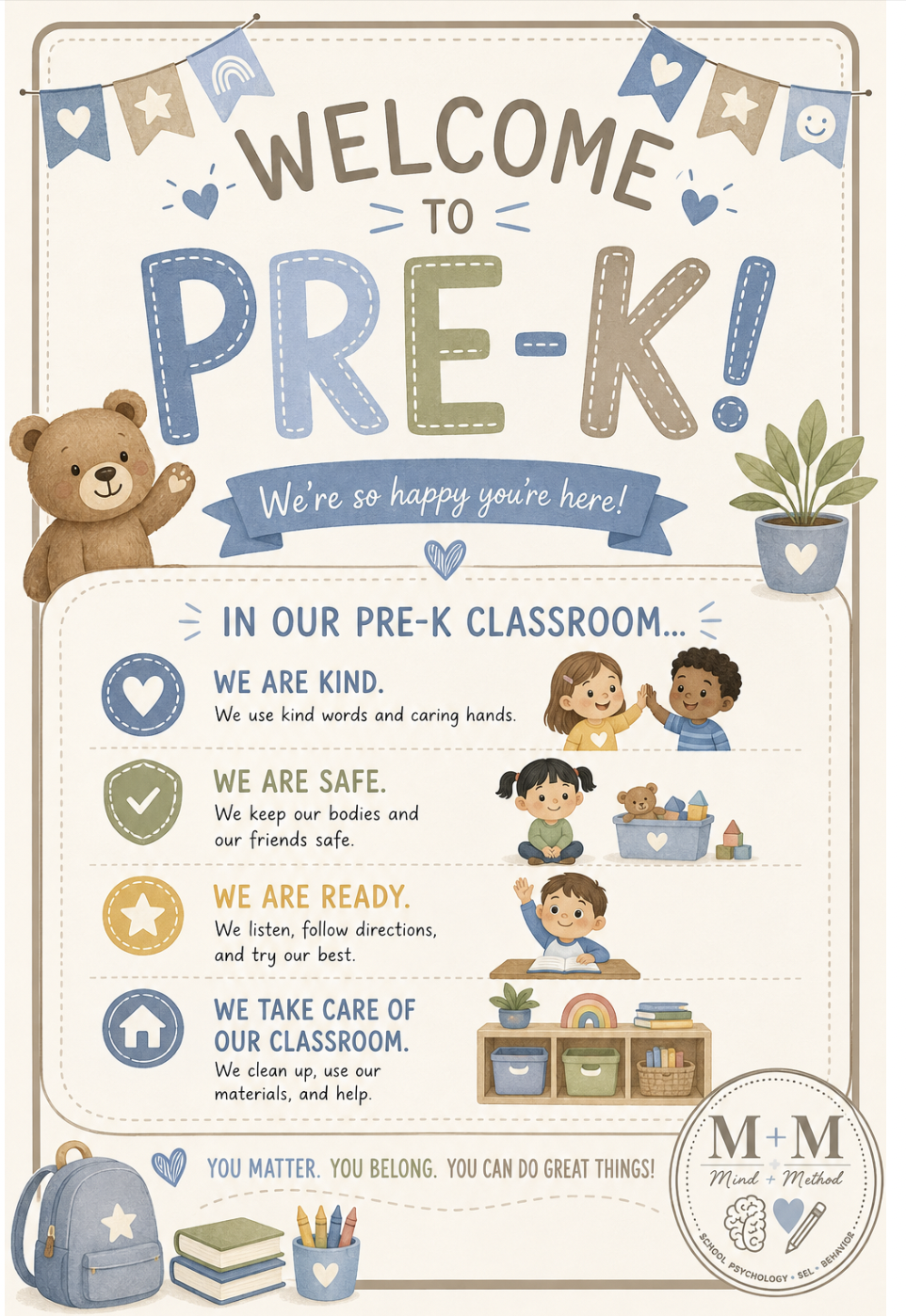
Downloadable PDF tracker sheet for Pre-Kindergarten students to rate readiness within domain areas, which are provided below:
Social Emotional, Independence, Communication, Classroom Behavior, Early Learning, Math Readiness, Fine Motor, and Gross Motor
This can be reused throughout the school year to measure progress, areas of strengths, and areas that need support
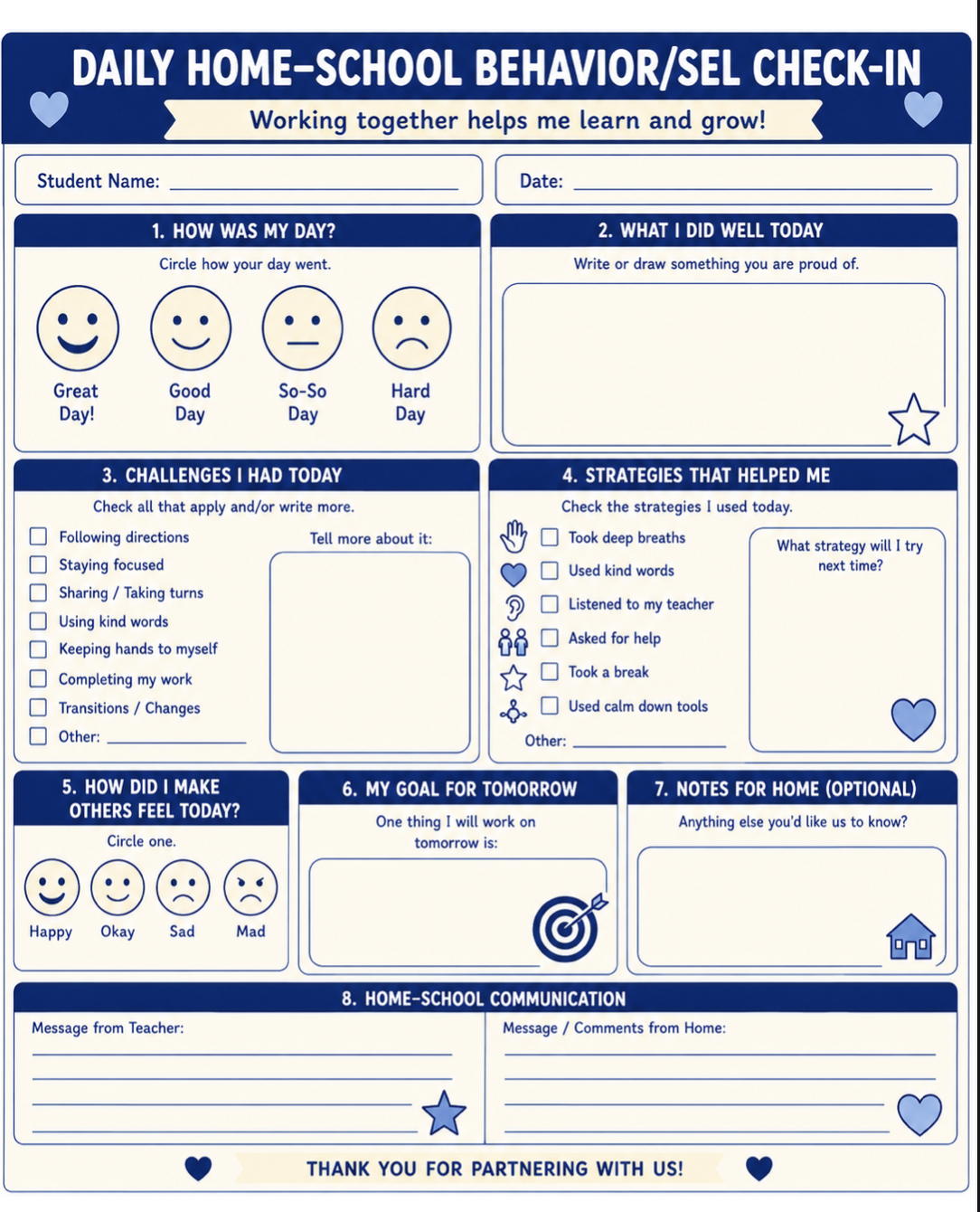
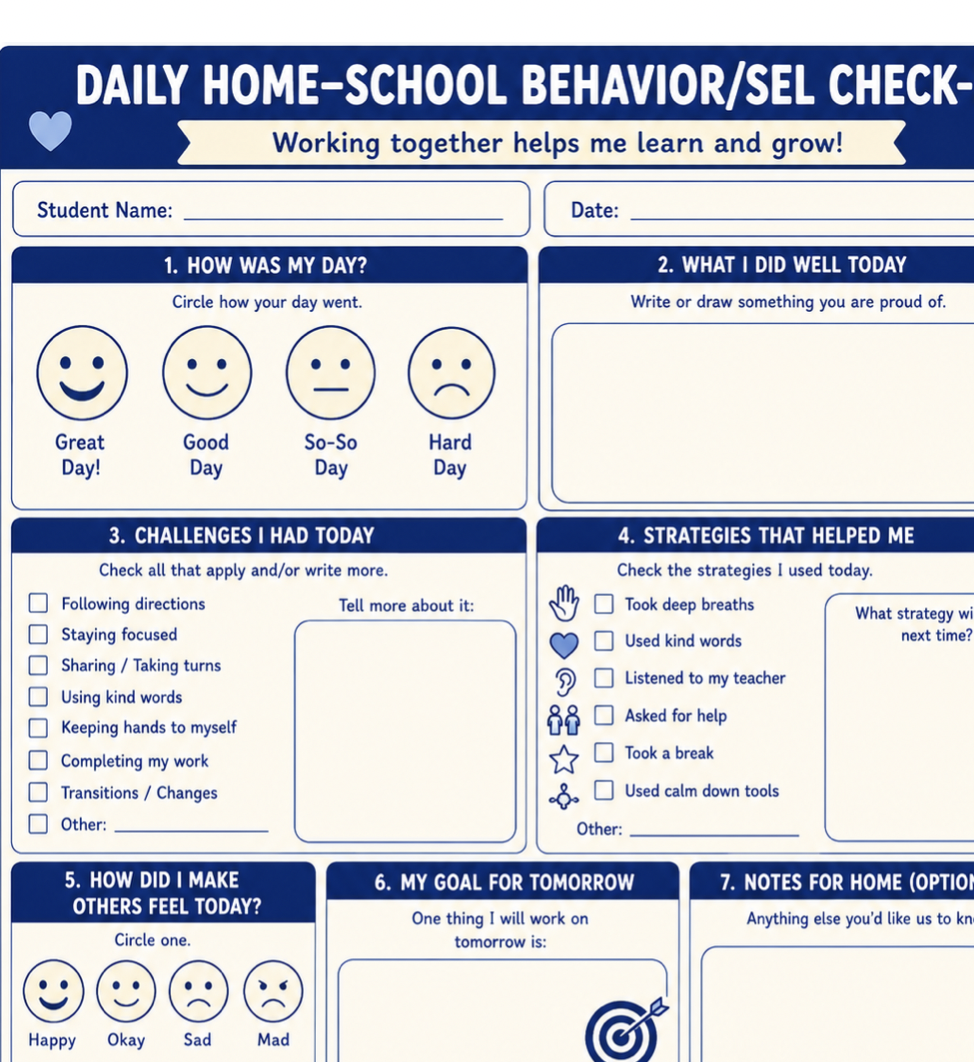
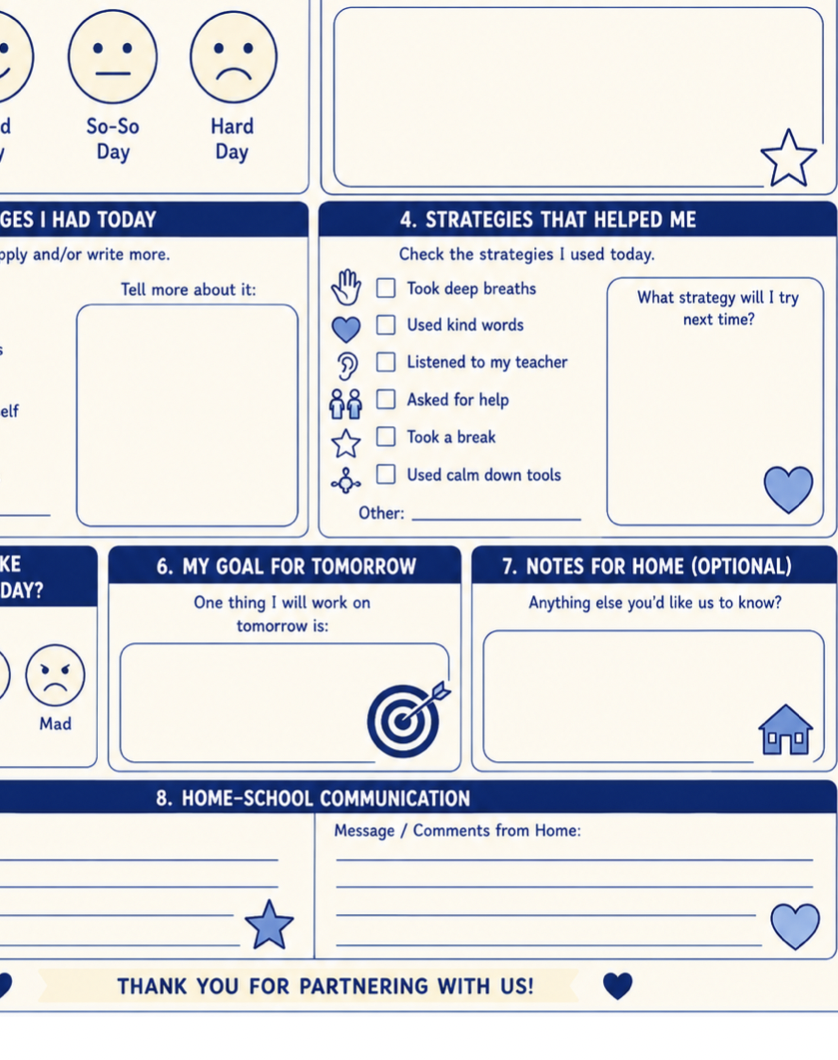
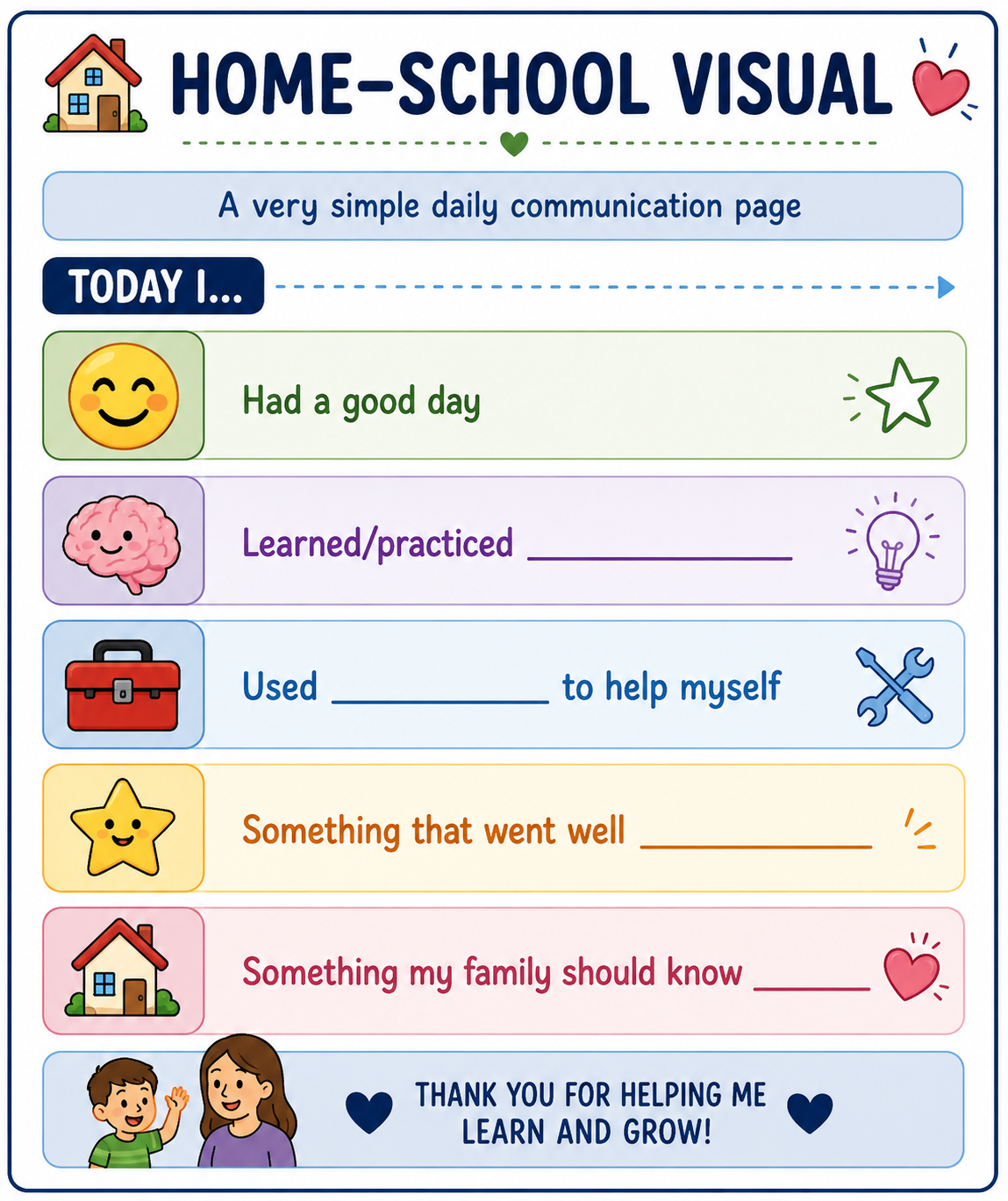
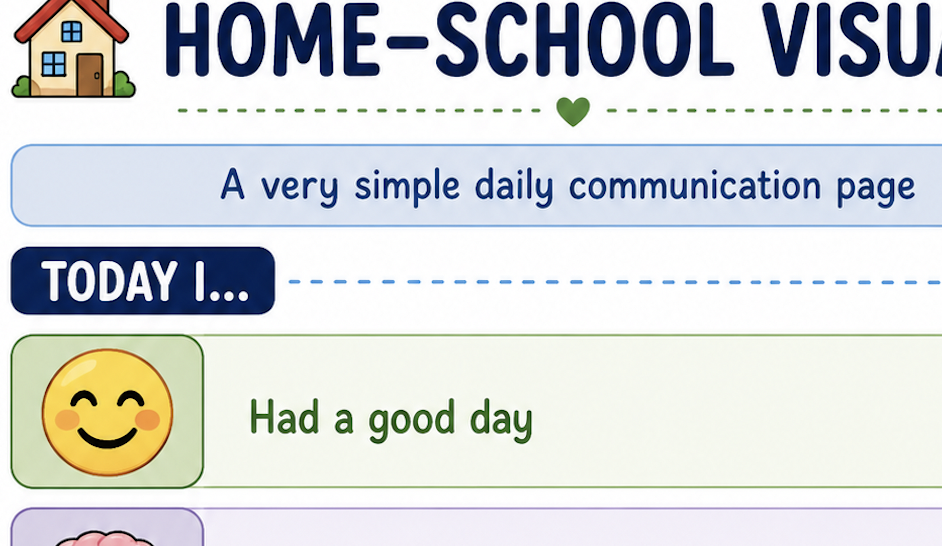
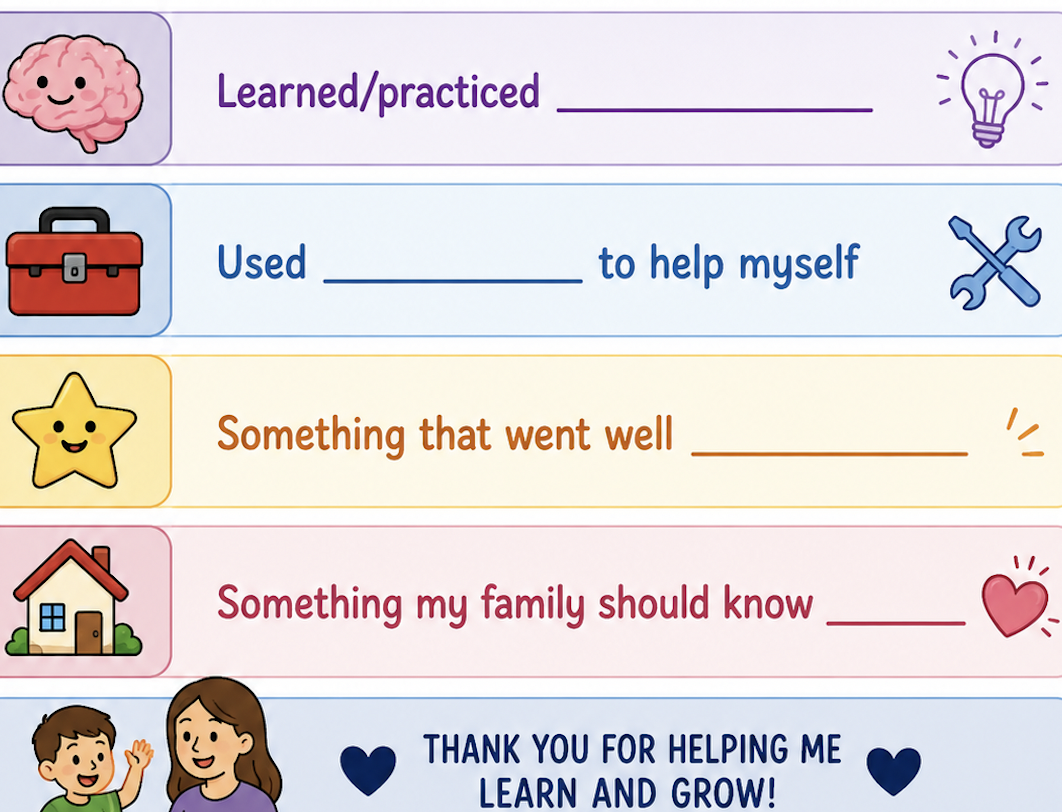
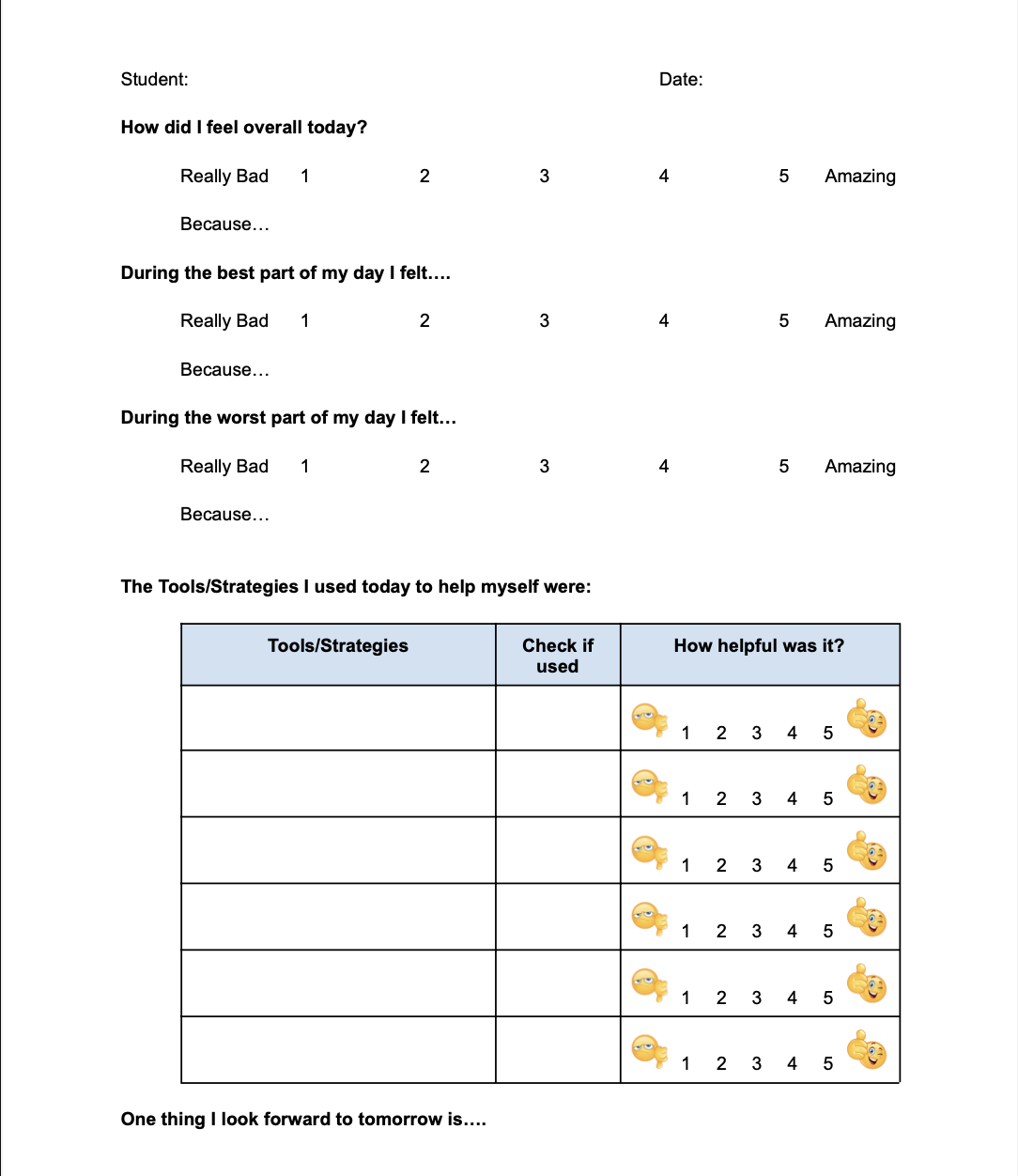
Downloadable PDF daily communication check-in sheet that educators can use to provide daily feedback (if needed) to families to bridge the gap between home and school.
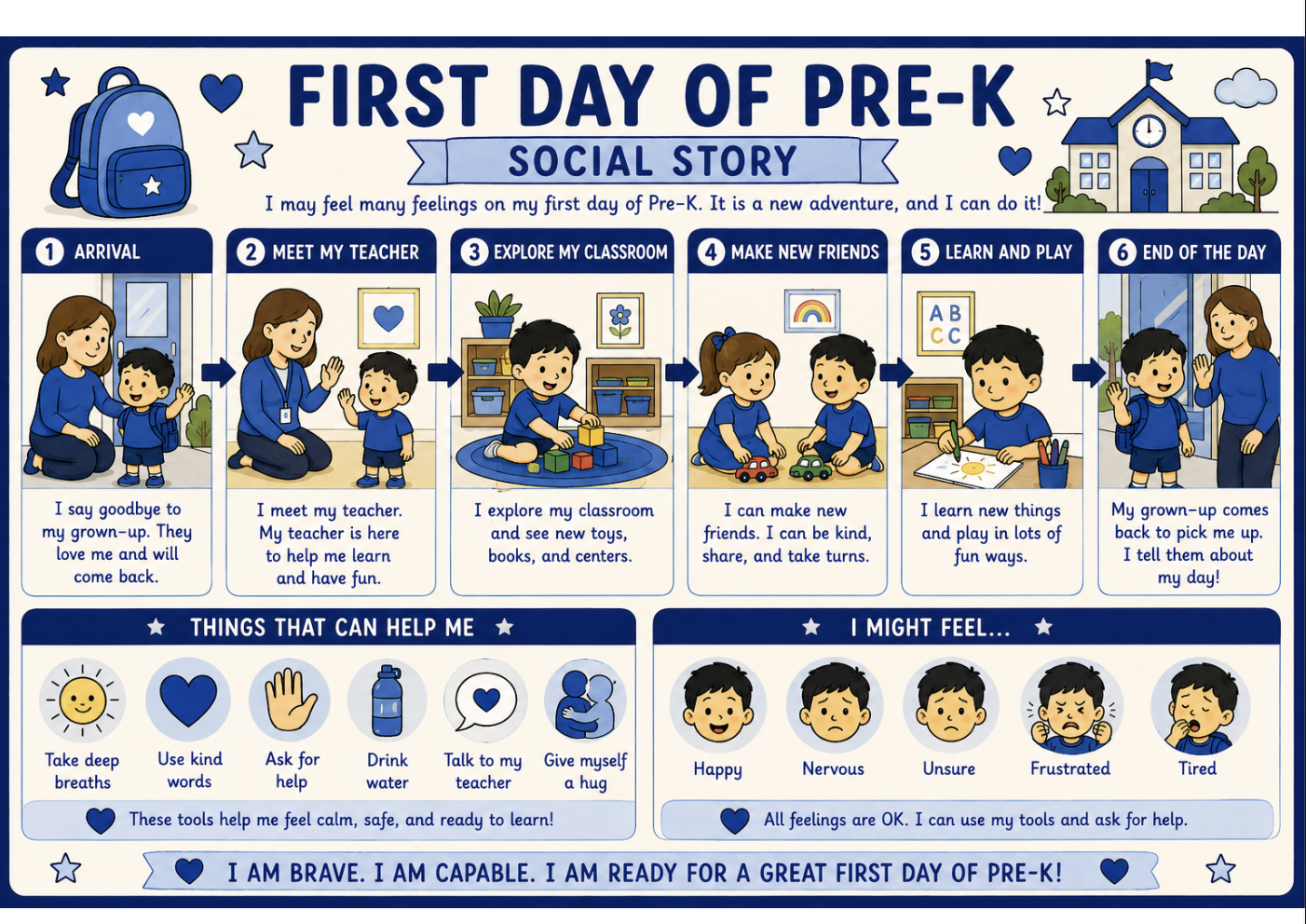
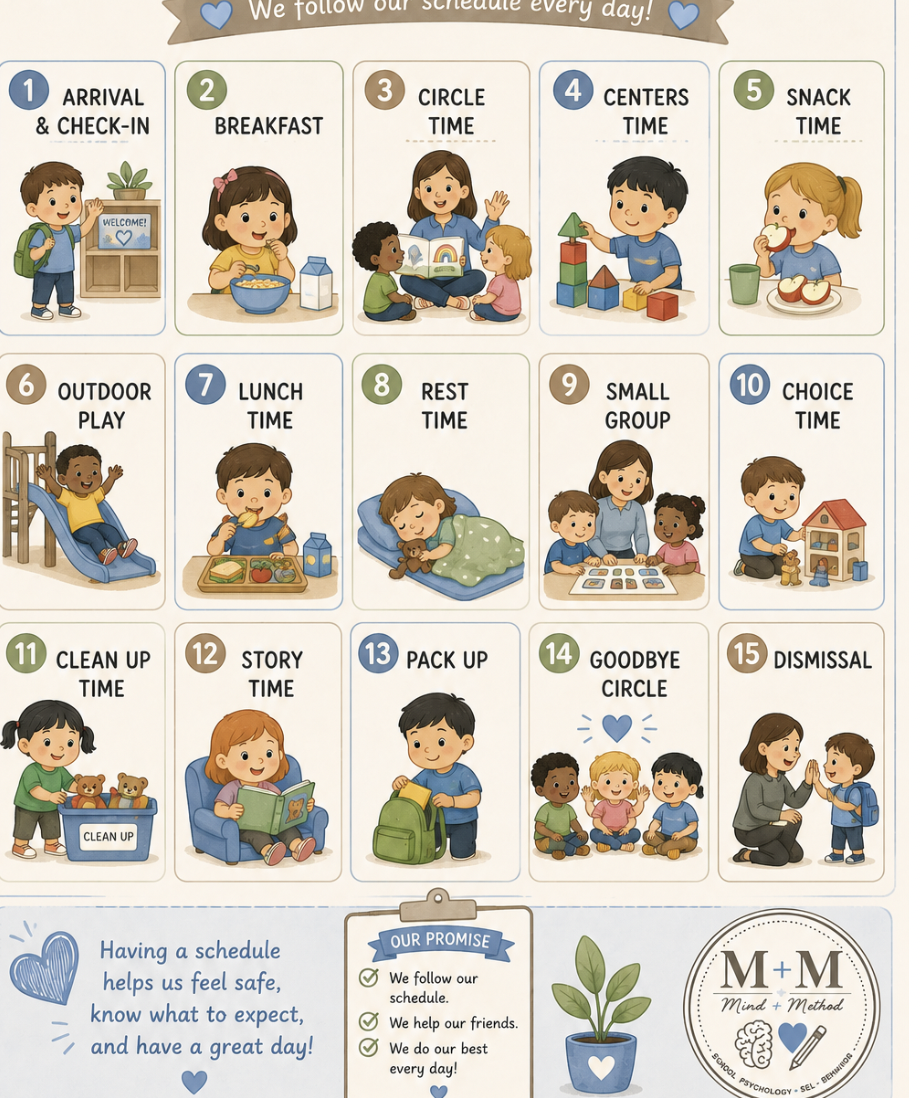
This was created for Pre-Kindergarten, but can work for grades Kindergarten - Second grade
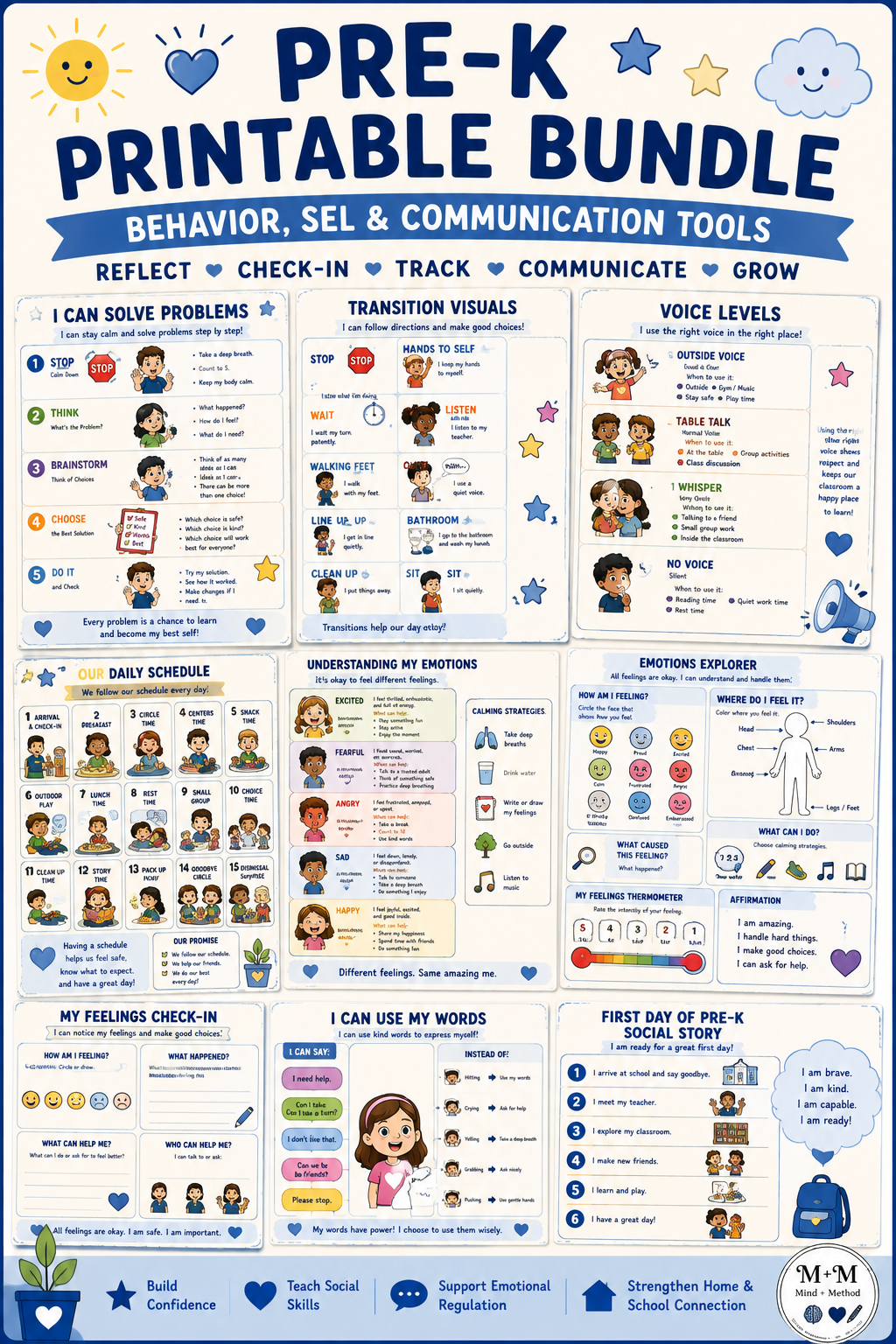
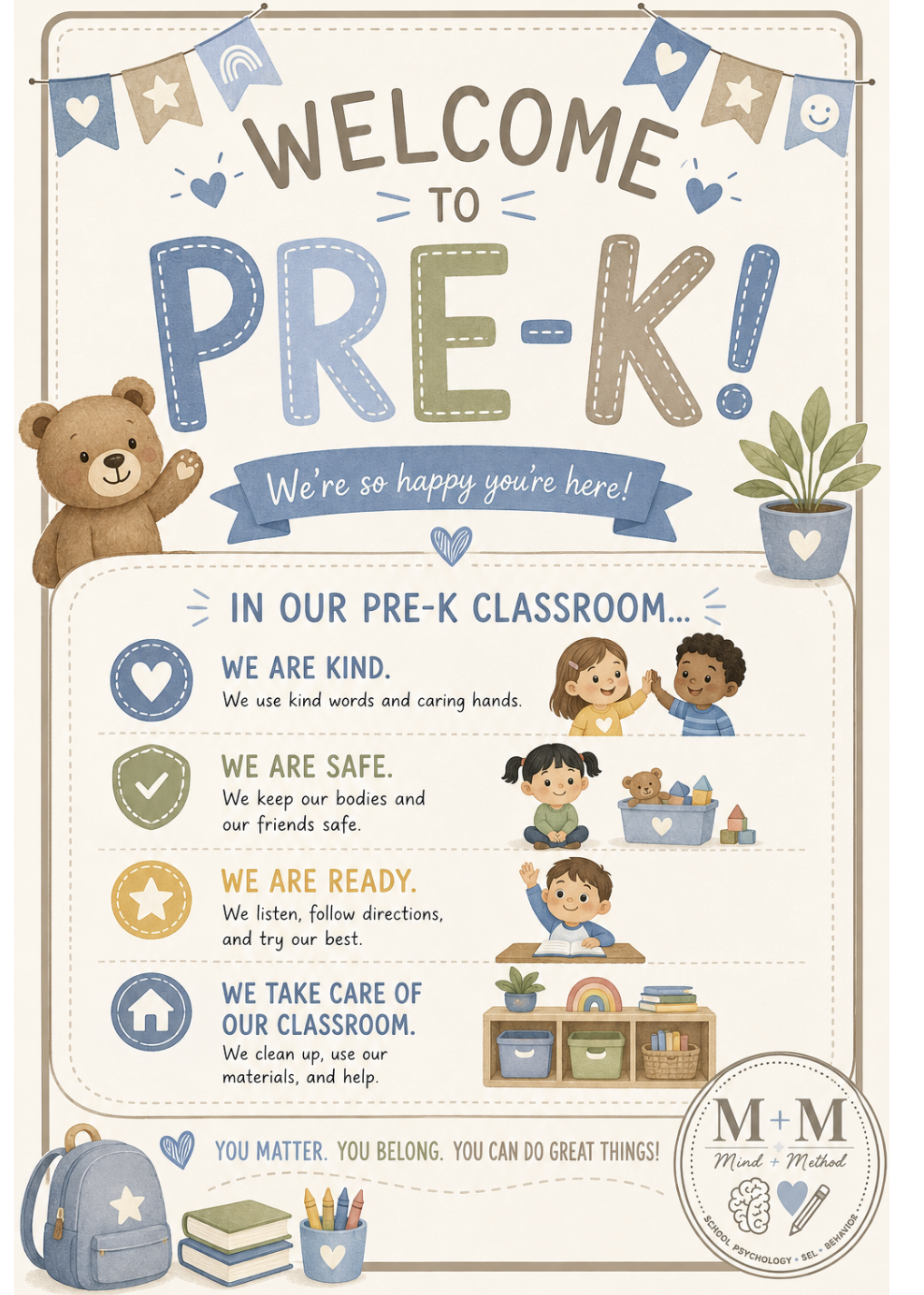
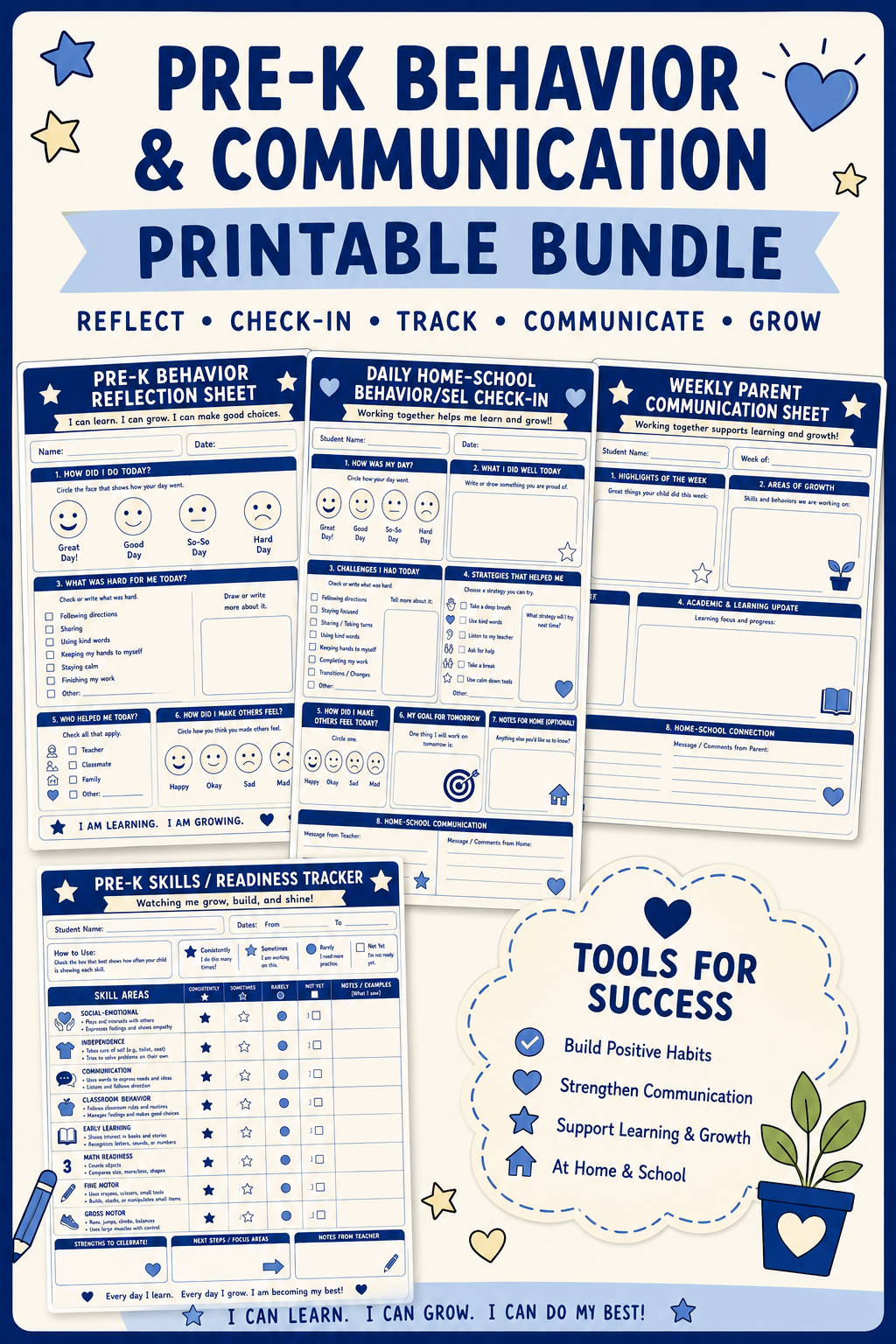
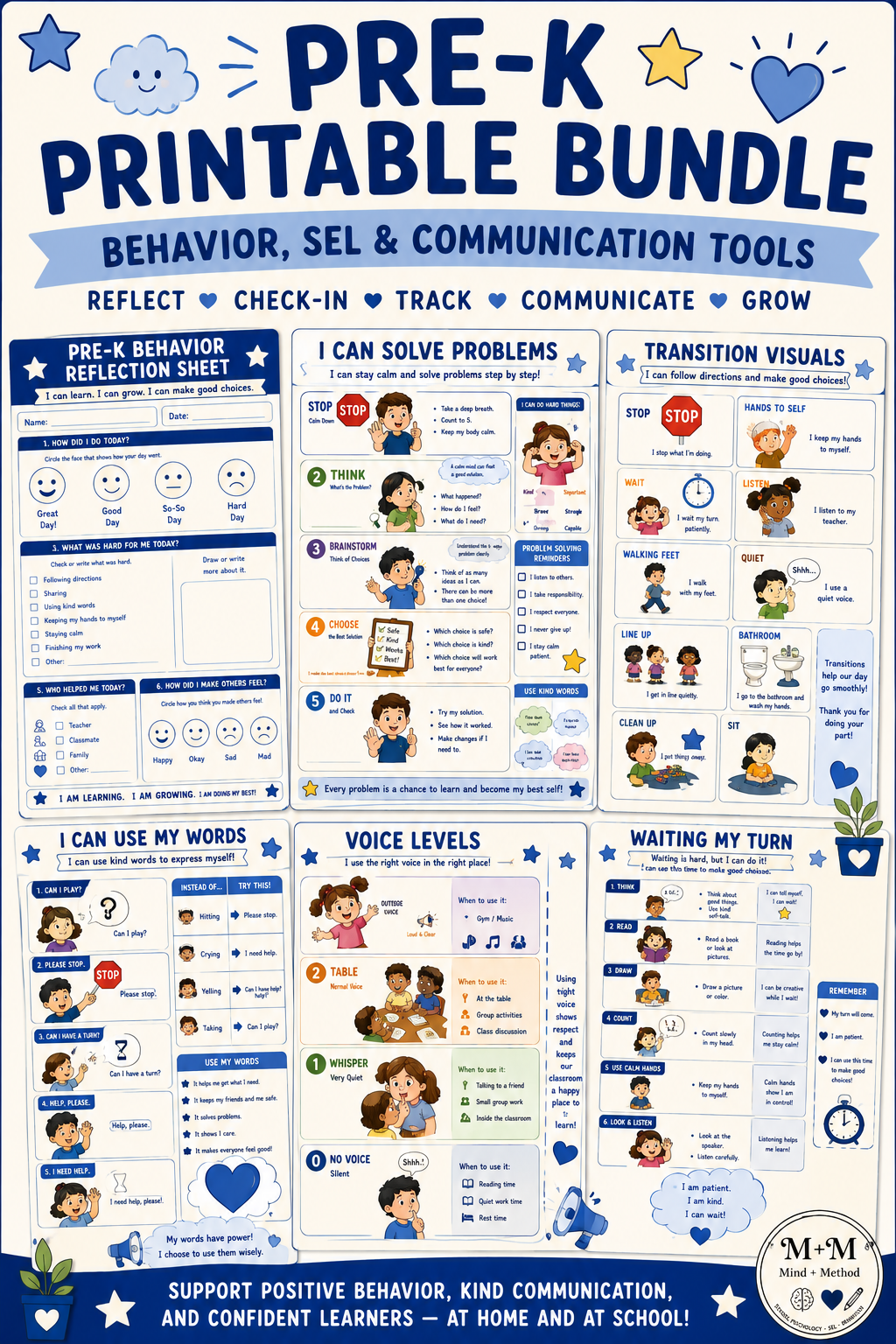
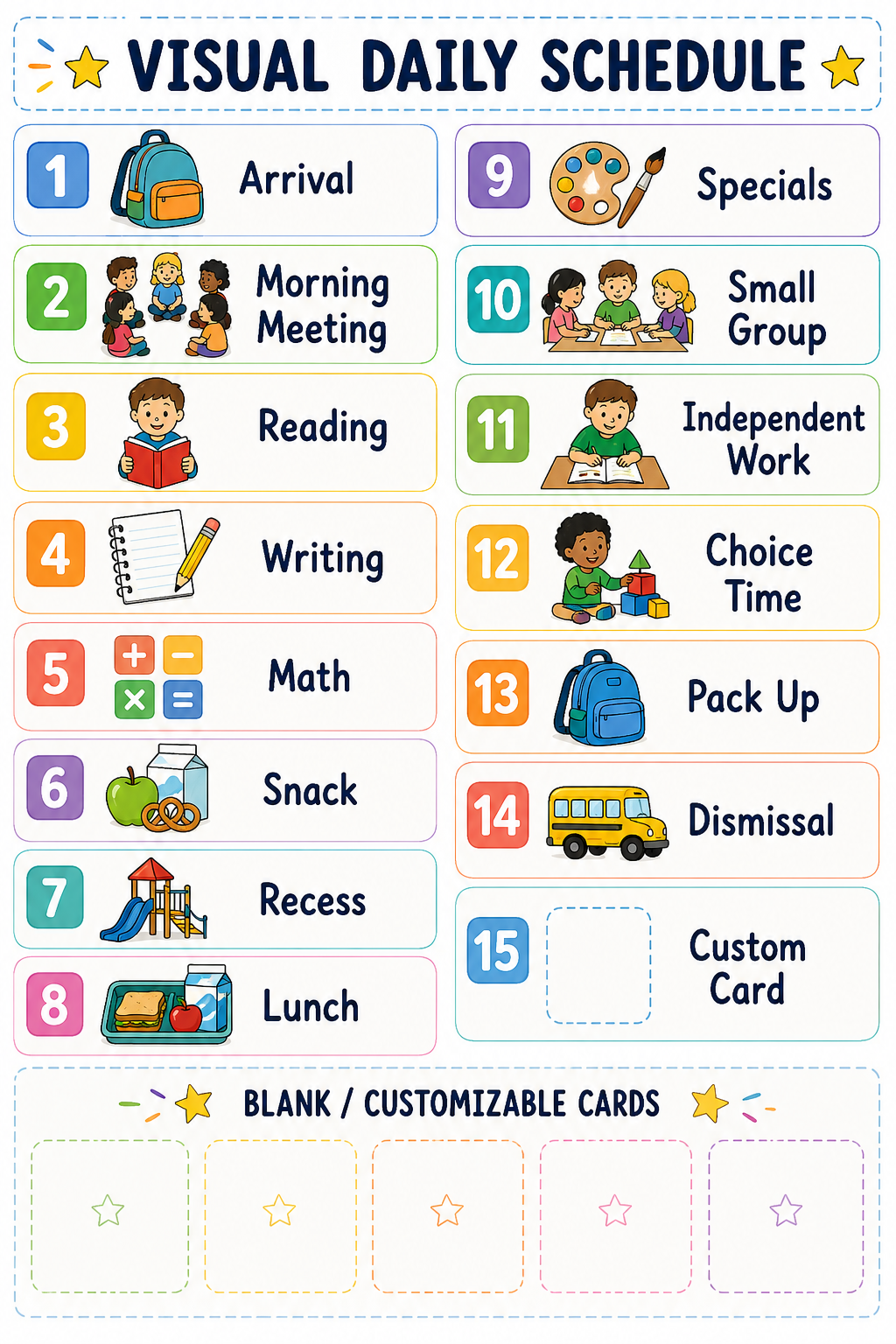
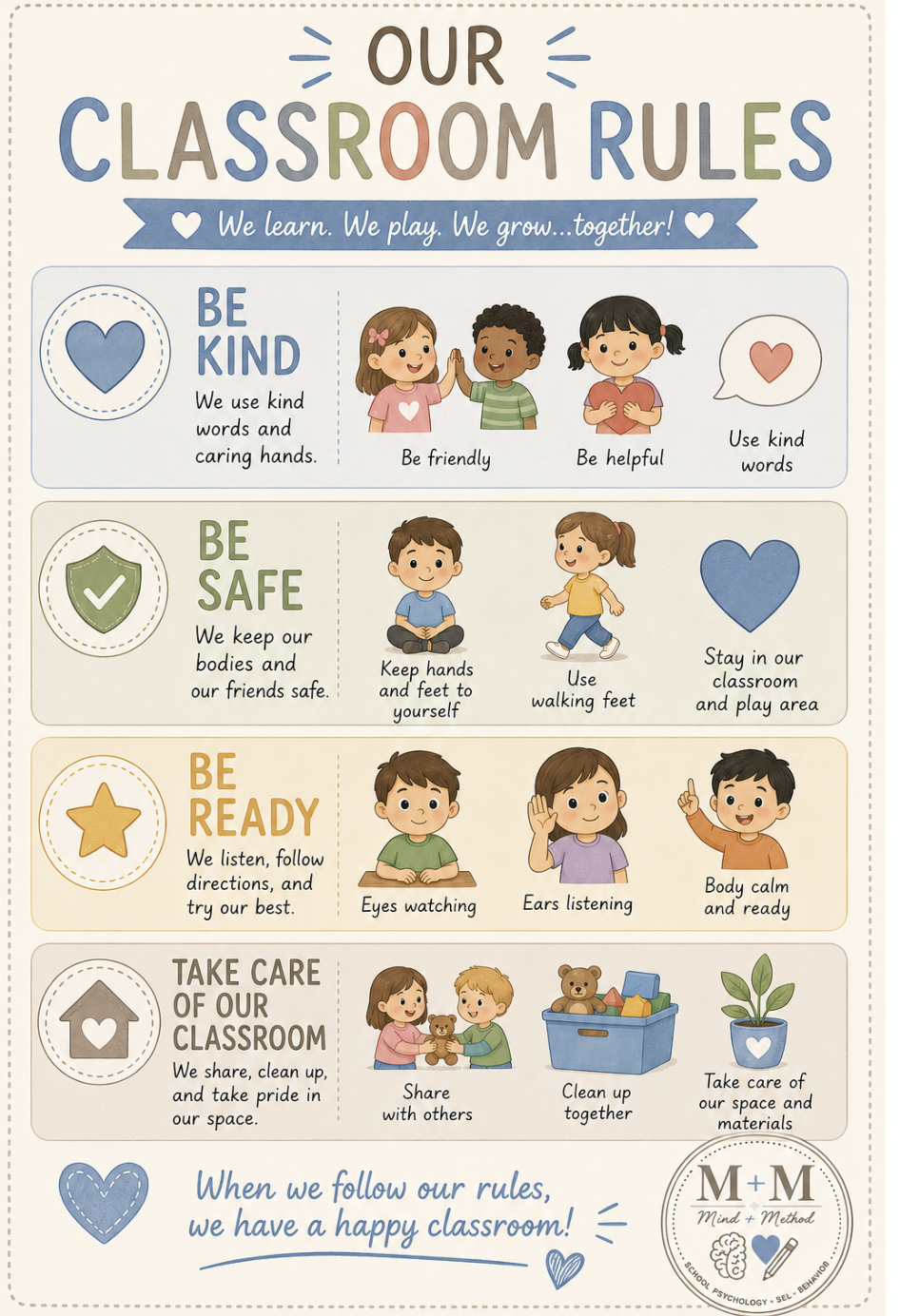
BUNDLE! This downloadable PDF bundle has various materials to help support students going into Pre-K and teachers to help teach necessary skills for success outside of traditional academics. Some of the materials inside the bundle include, but are not limited to:
Various social emotional worksheets and visuals
Communication trackers for daily or weekly communication home to parents
Readiness tracker for incoming Pre-K students
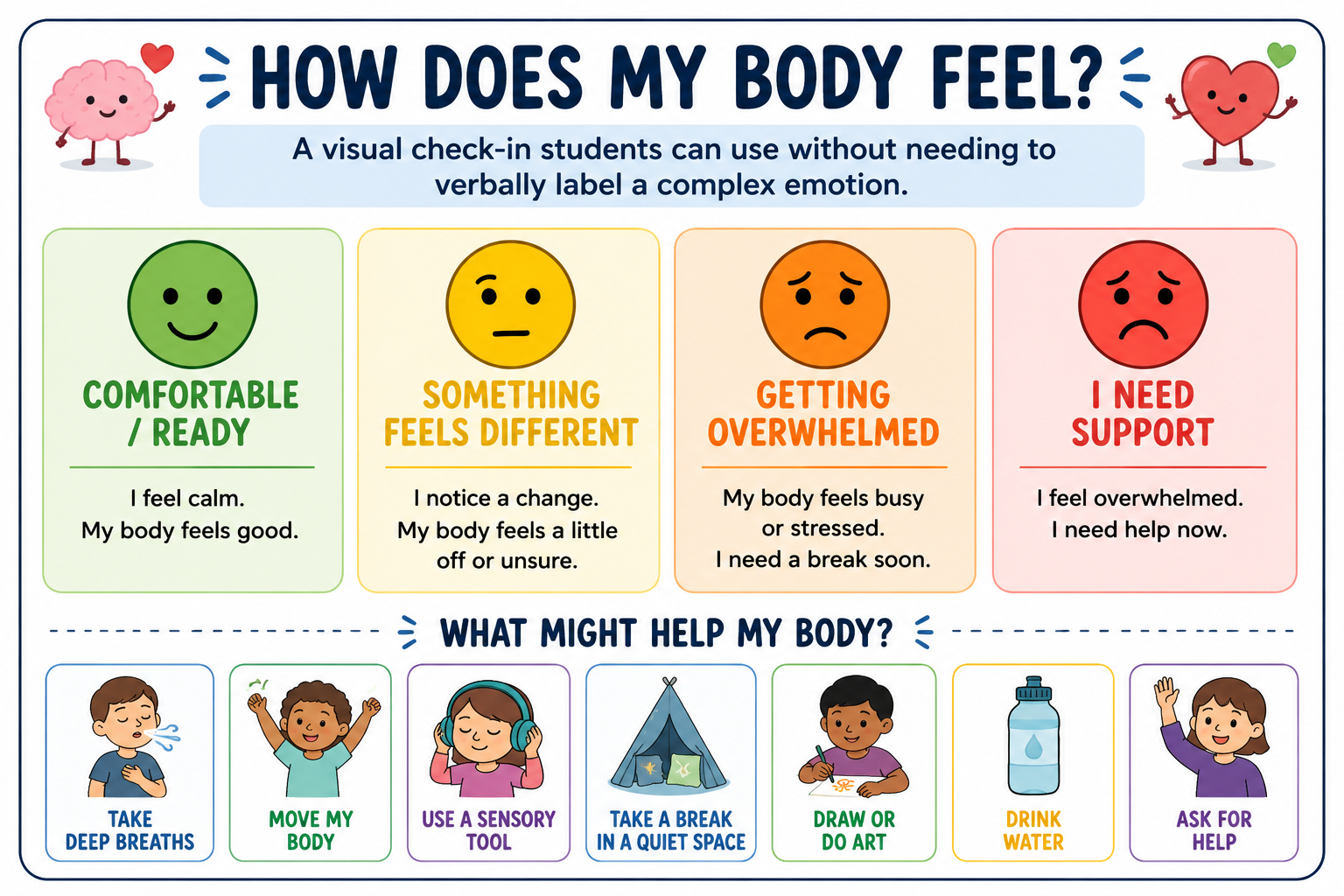
Different methods for feelings check-in to support students various learning needs
50+ materials included
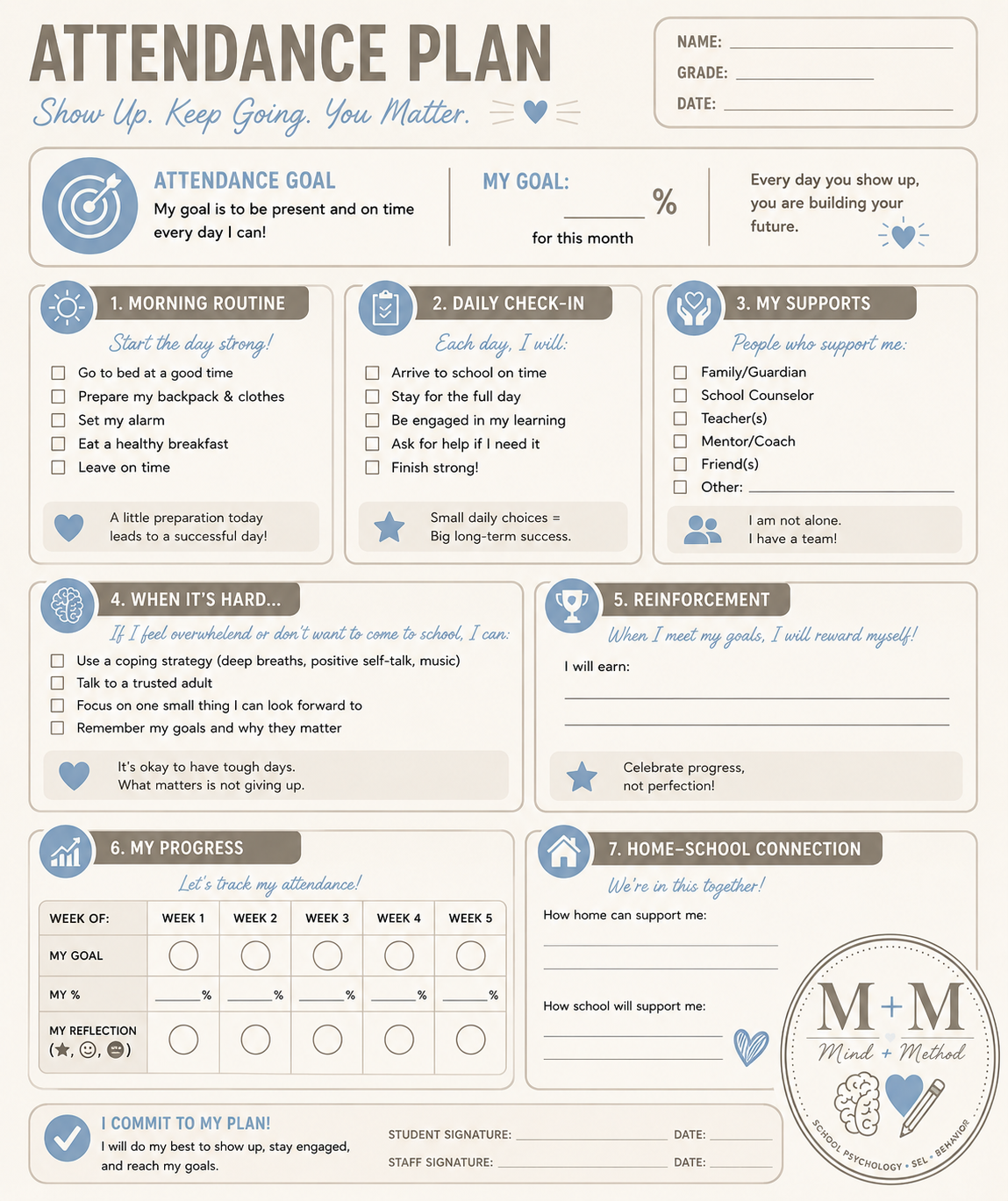
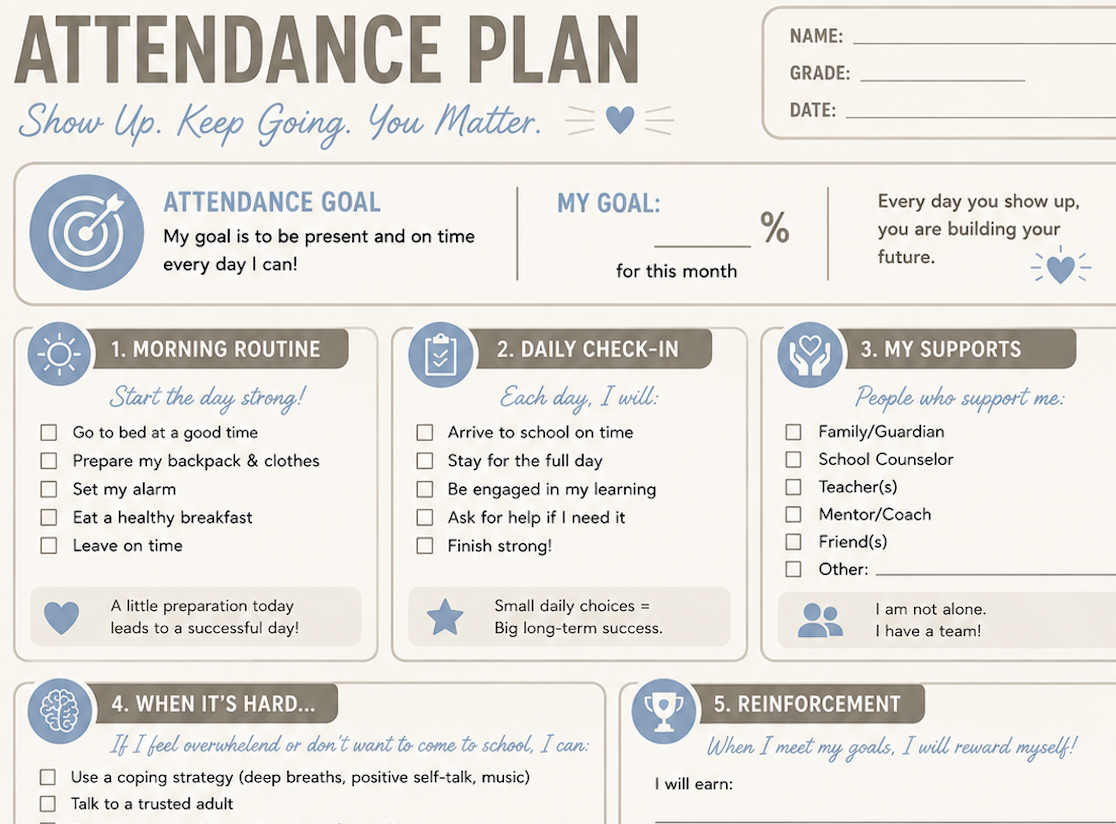
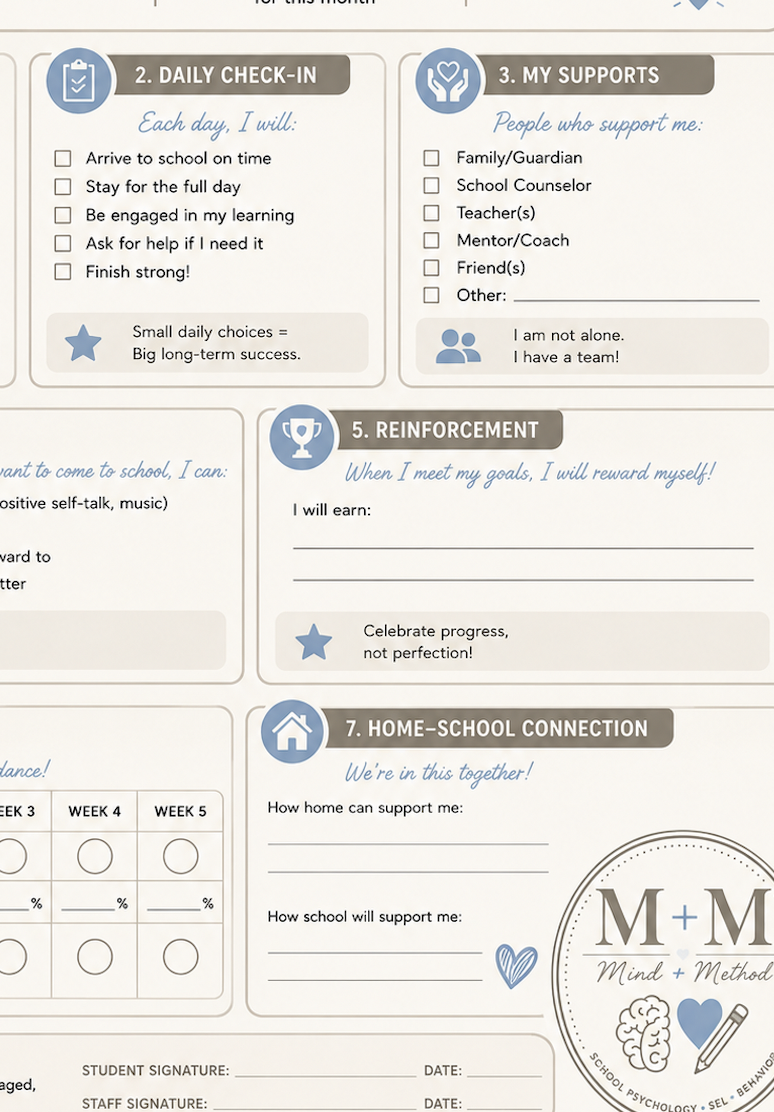
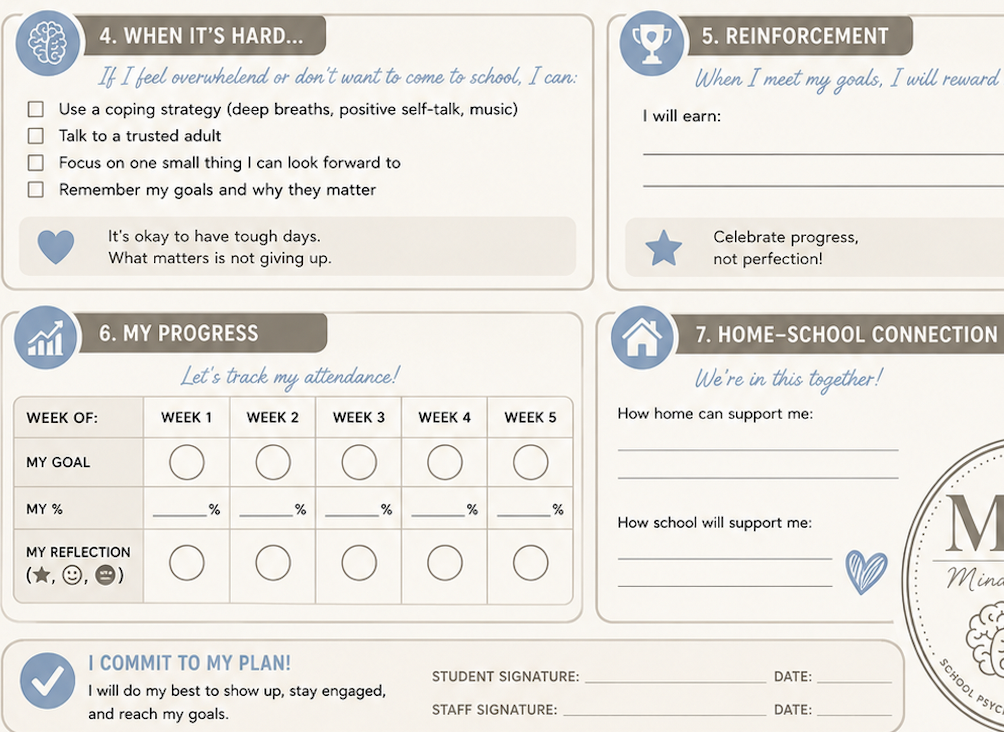
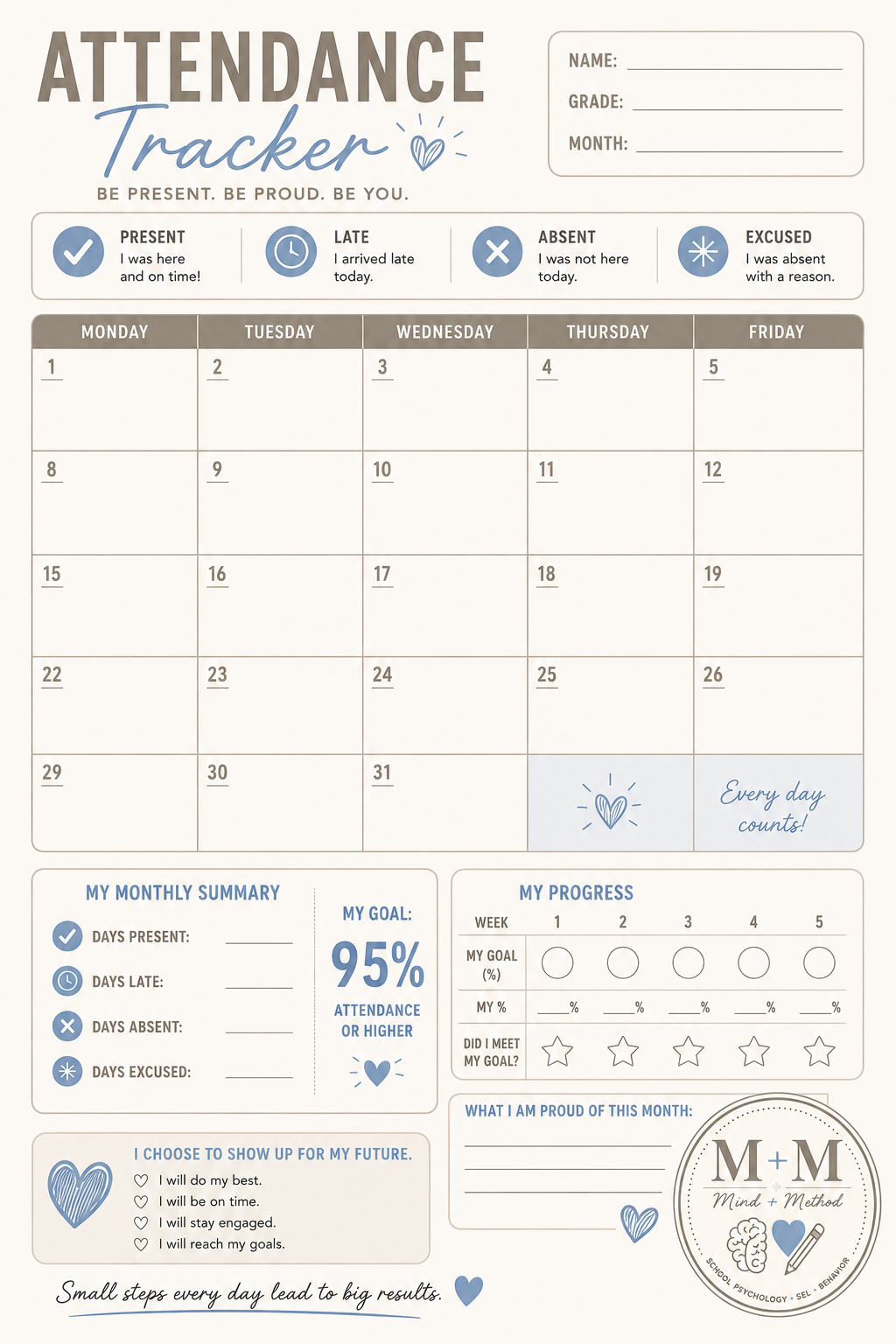
Downloadable PDF: Attendance Plan
This can be used when a student is starting to be flagged for attendance and needs an extra boost to keep going and meet their attendance goal! Components of this plan include morning routine, daily check in, student identified supports, when things get hard..what can you do, reinforcements , data tracking towards progress, home school-connection, and finally the individualized attendance goal.
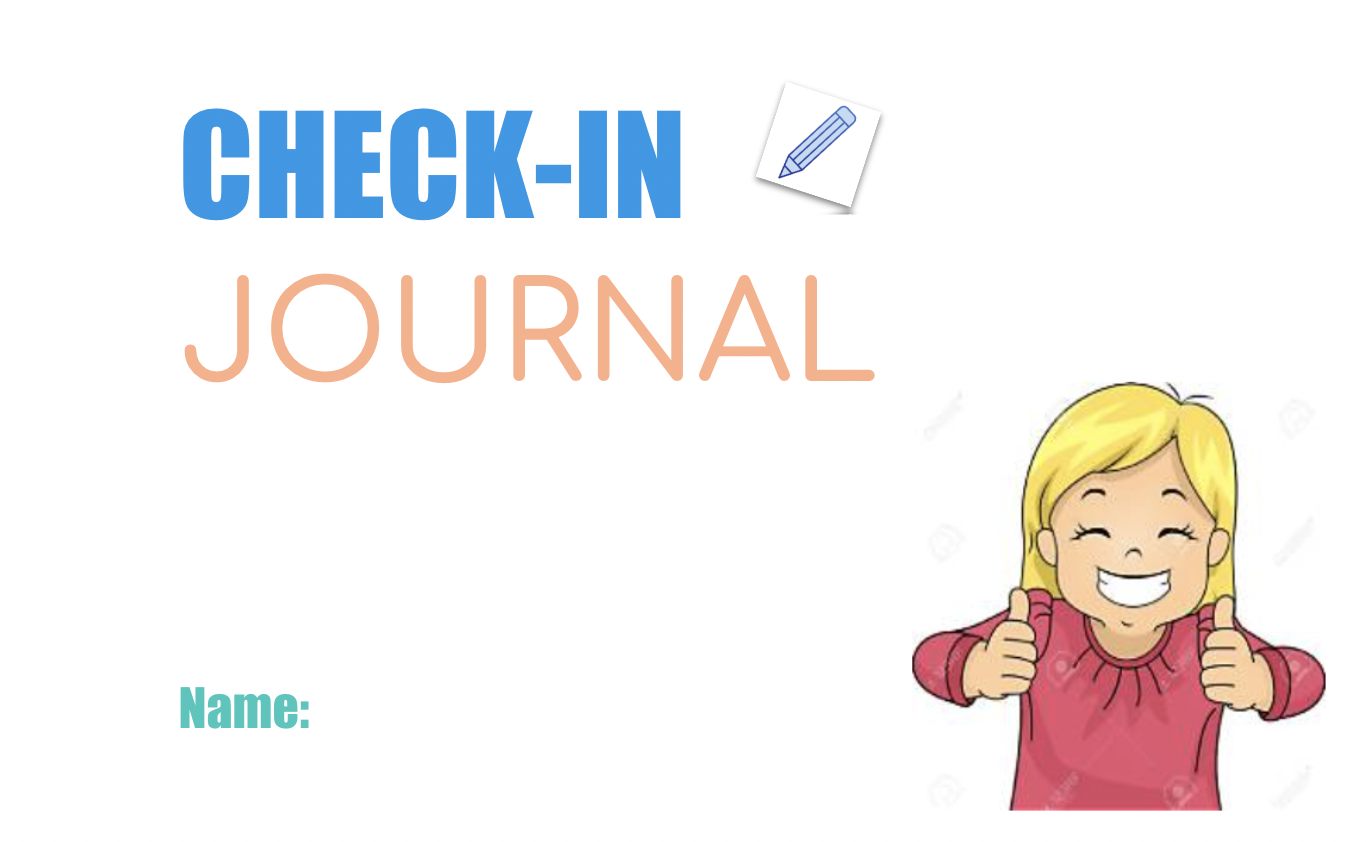
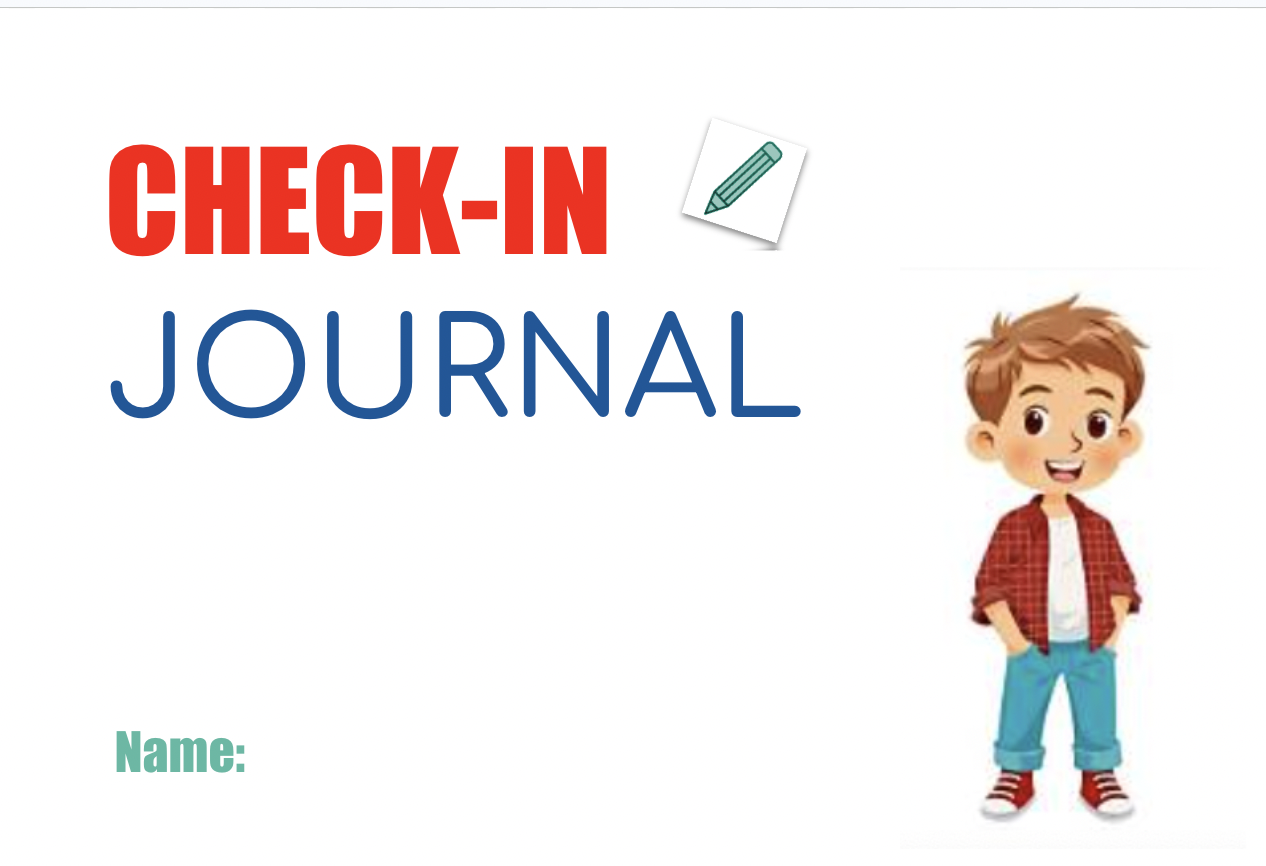
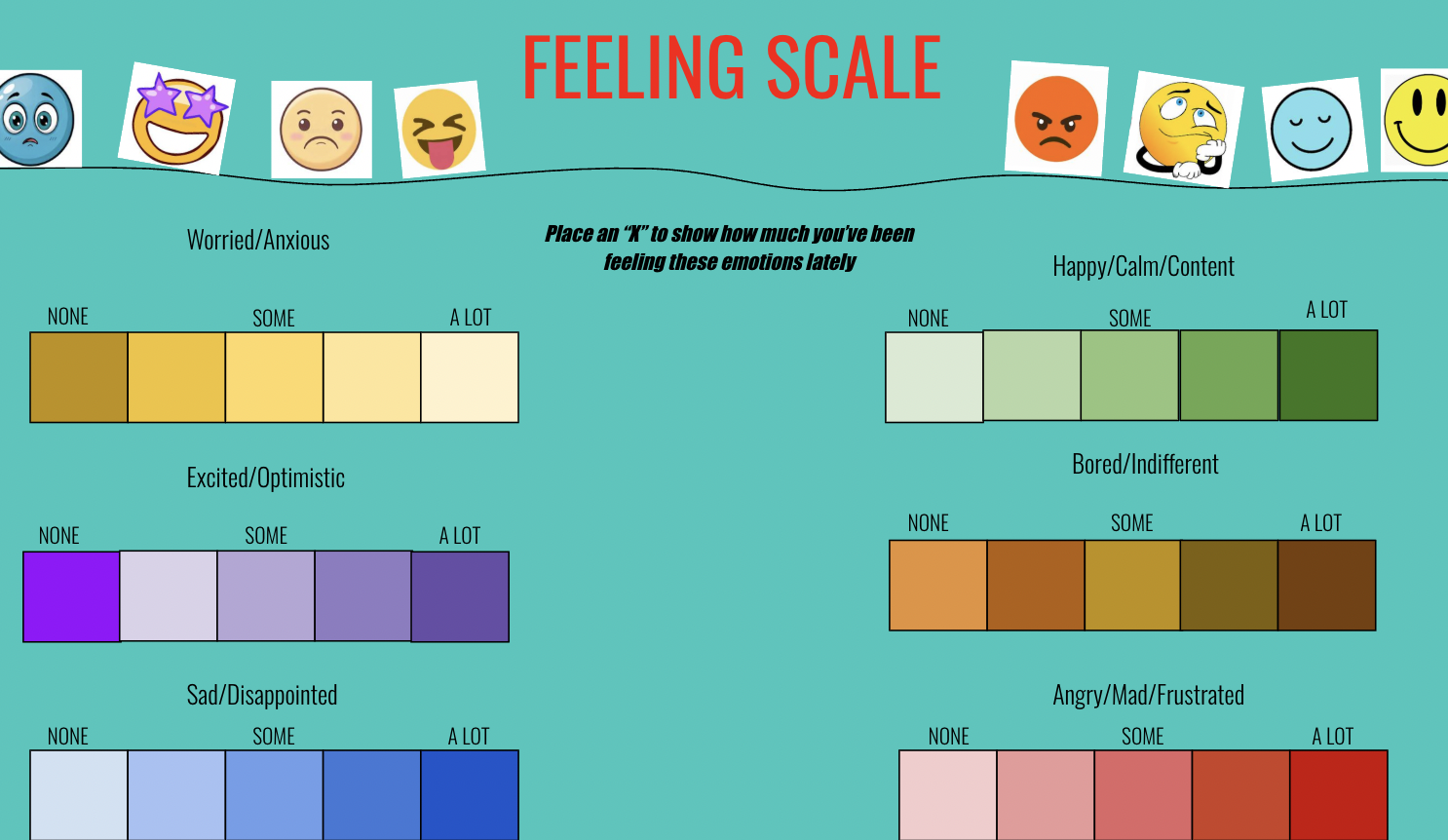
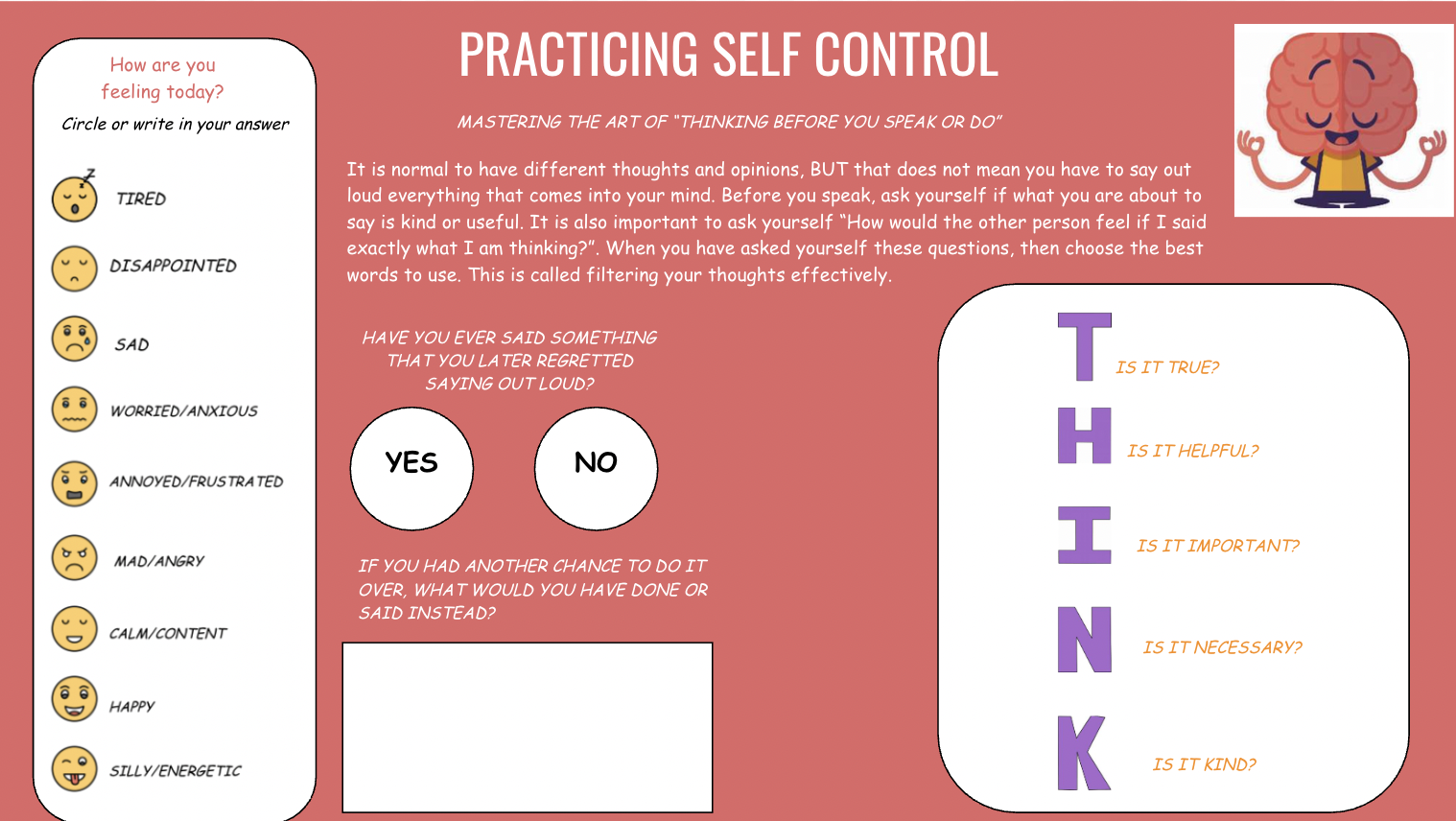
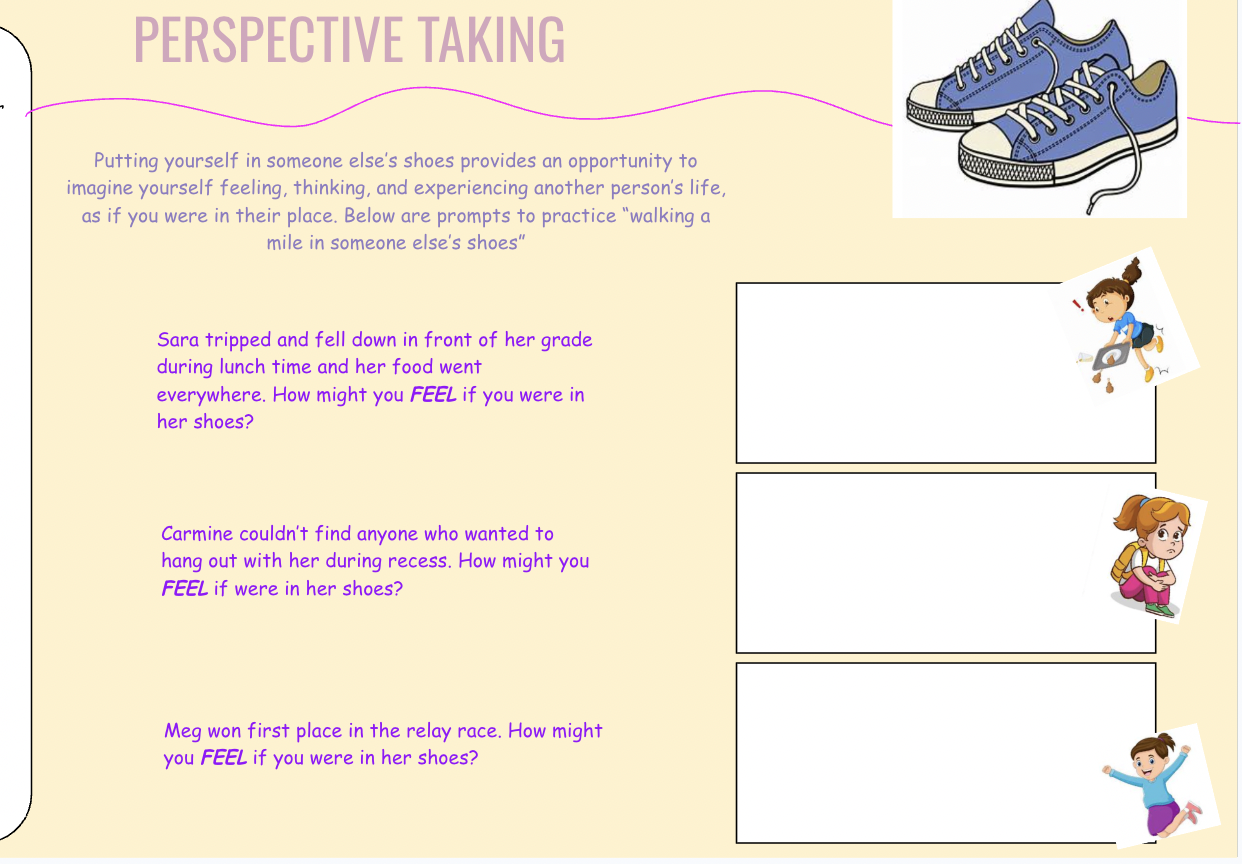
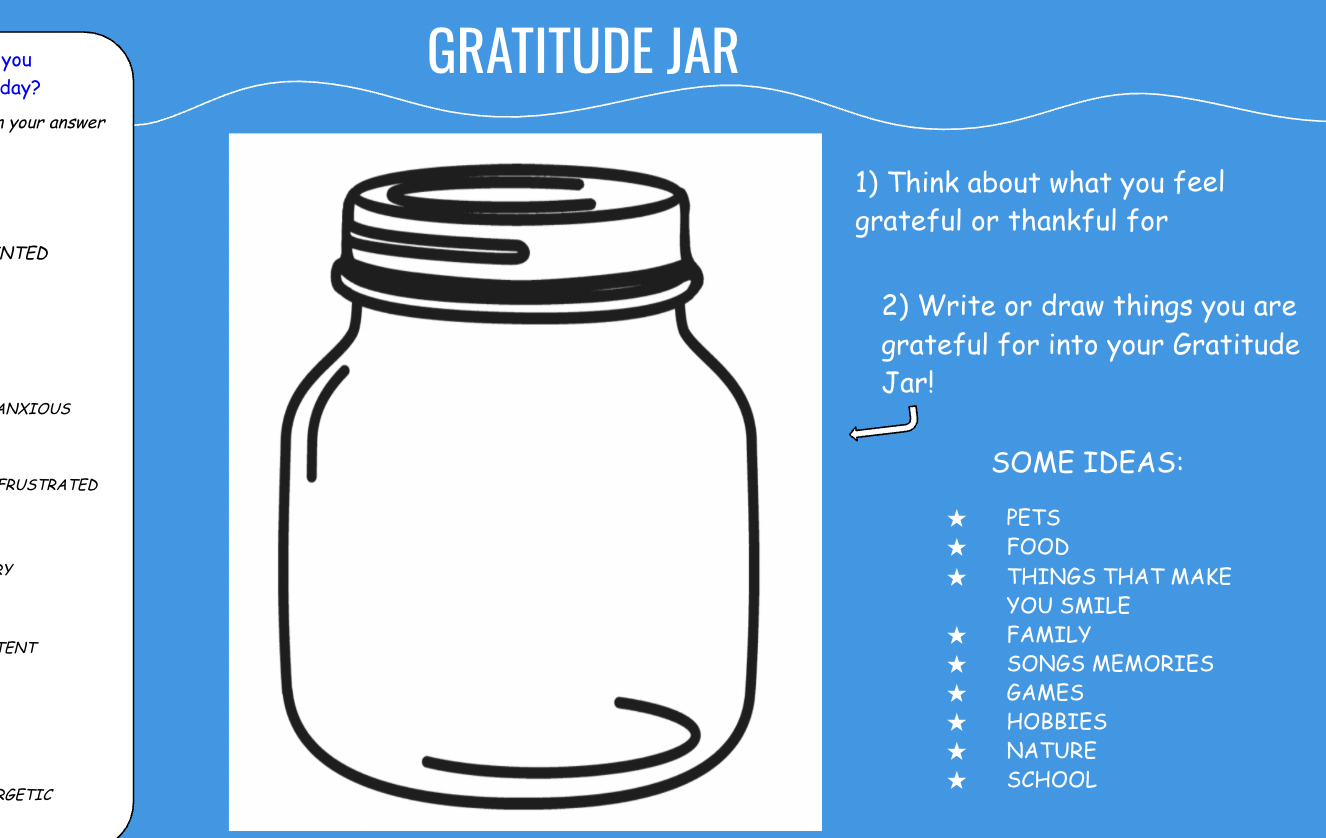
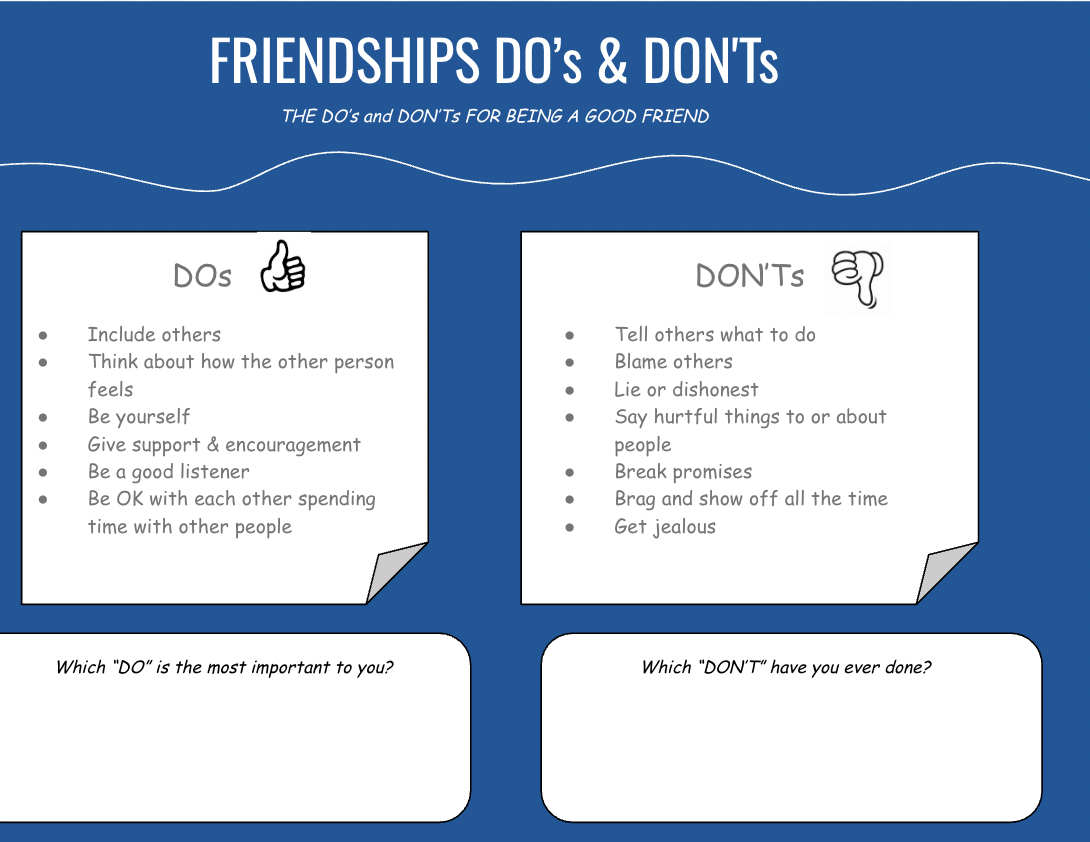
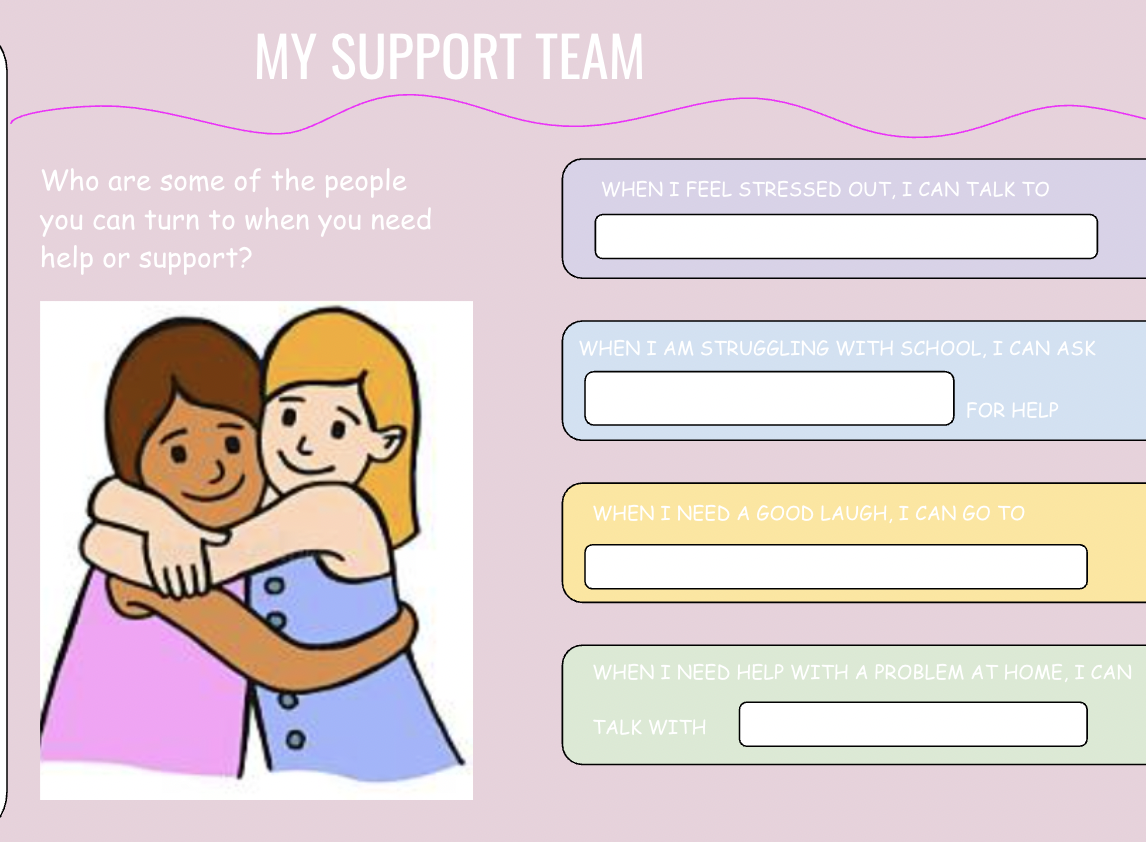
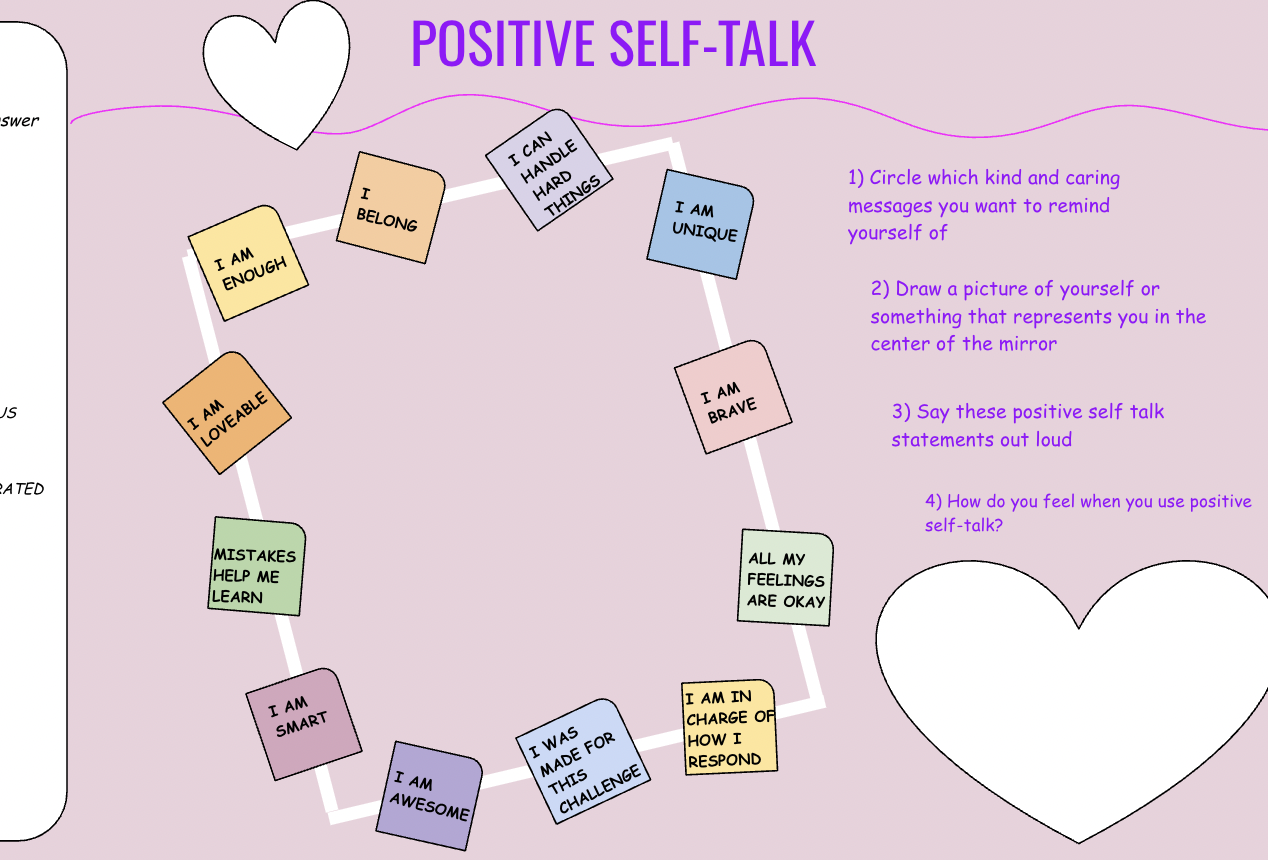
BUNDLE!! Downloadable PDF check-in journal with various activities for “journal entries”. Each activity has a corresponding “feelings check in bar” for the individual to name their feeling each time. There are two versions of this journal, one for a girl and one for boy.
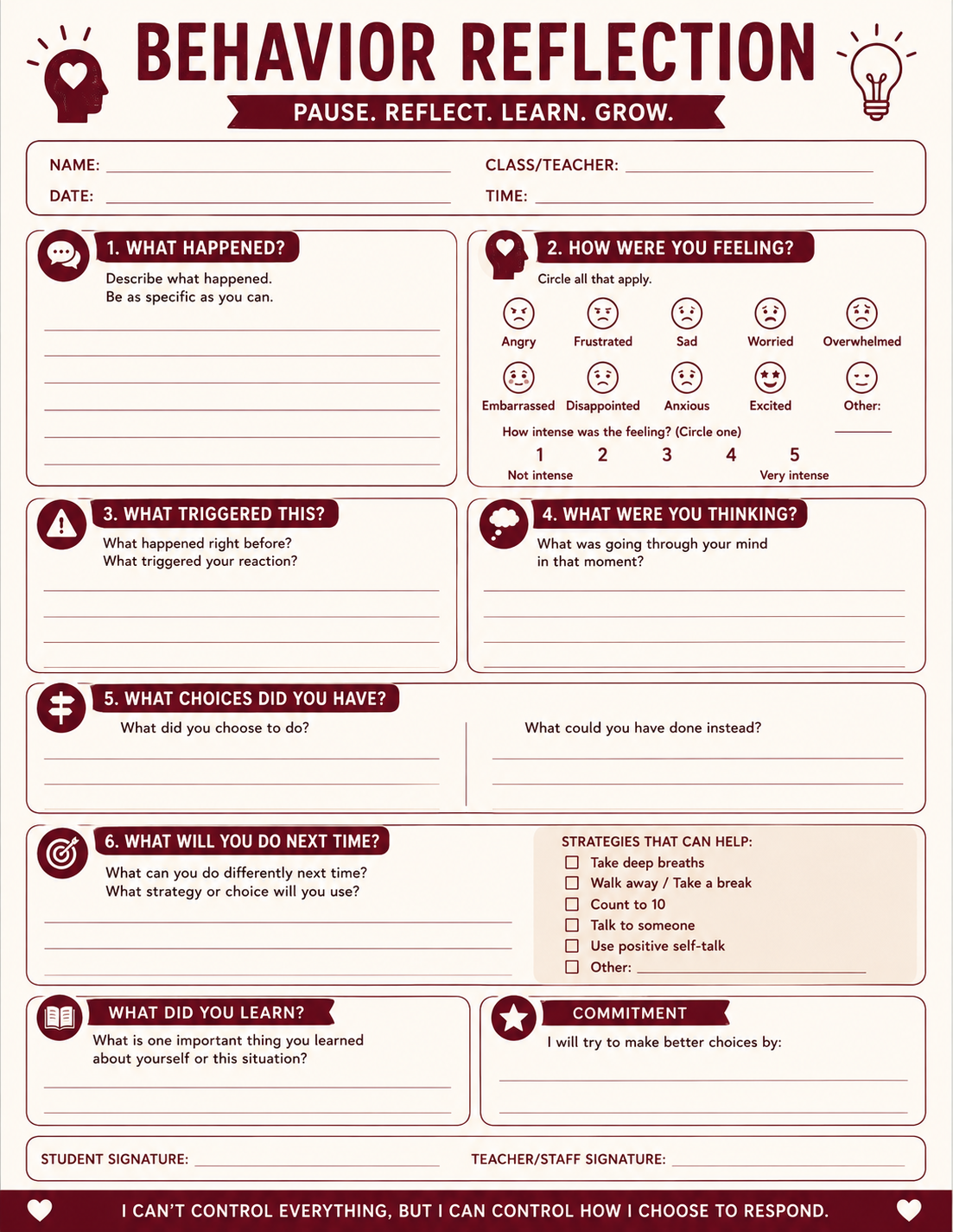
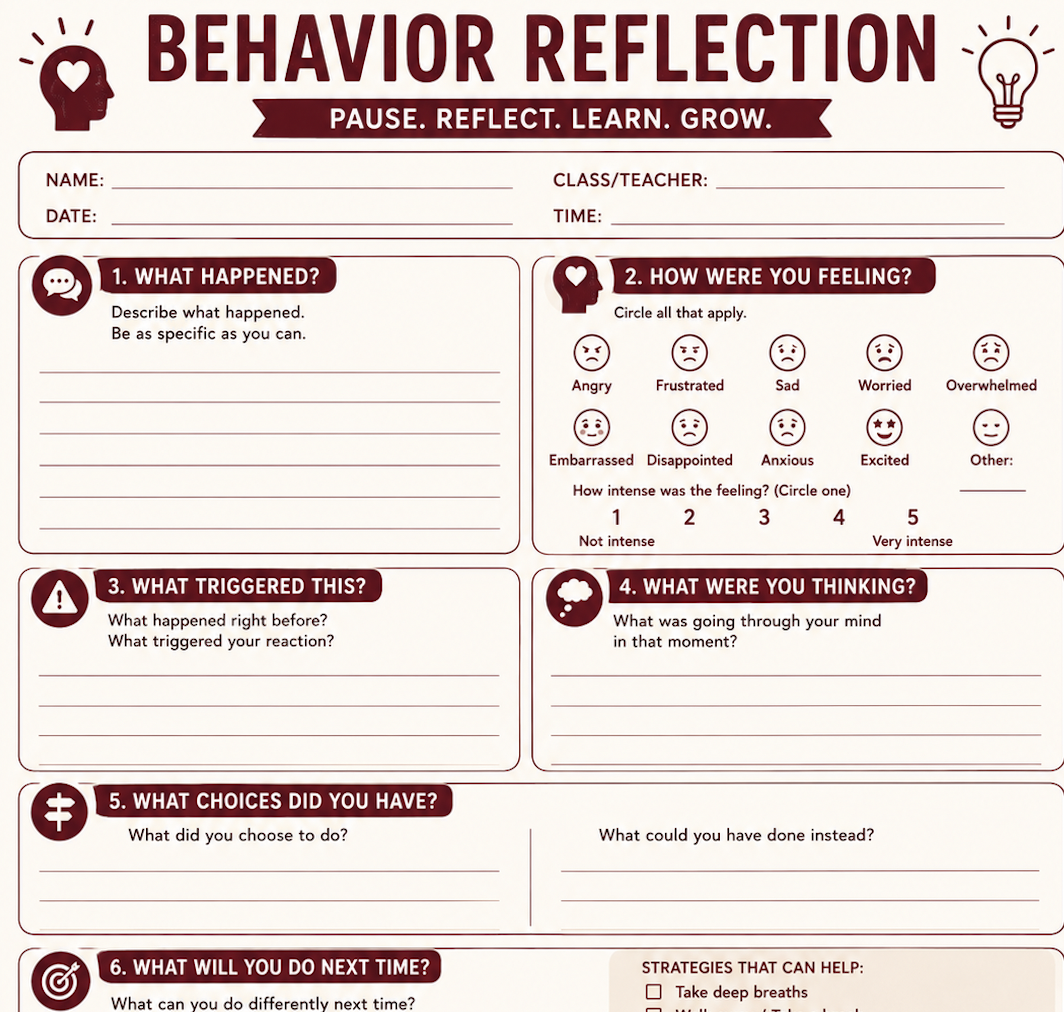
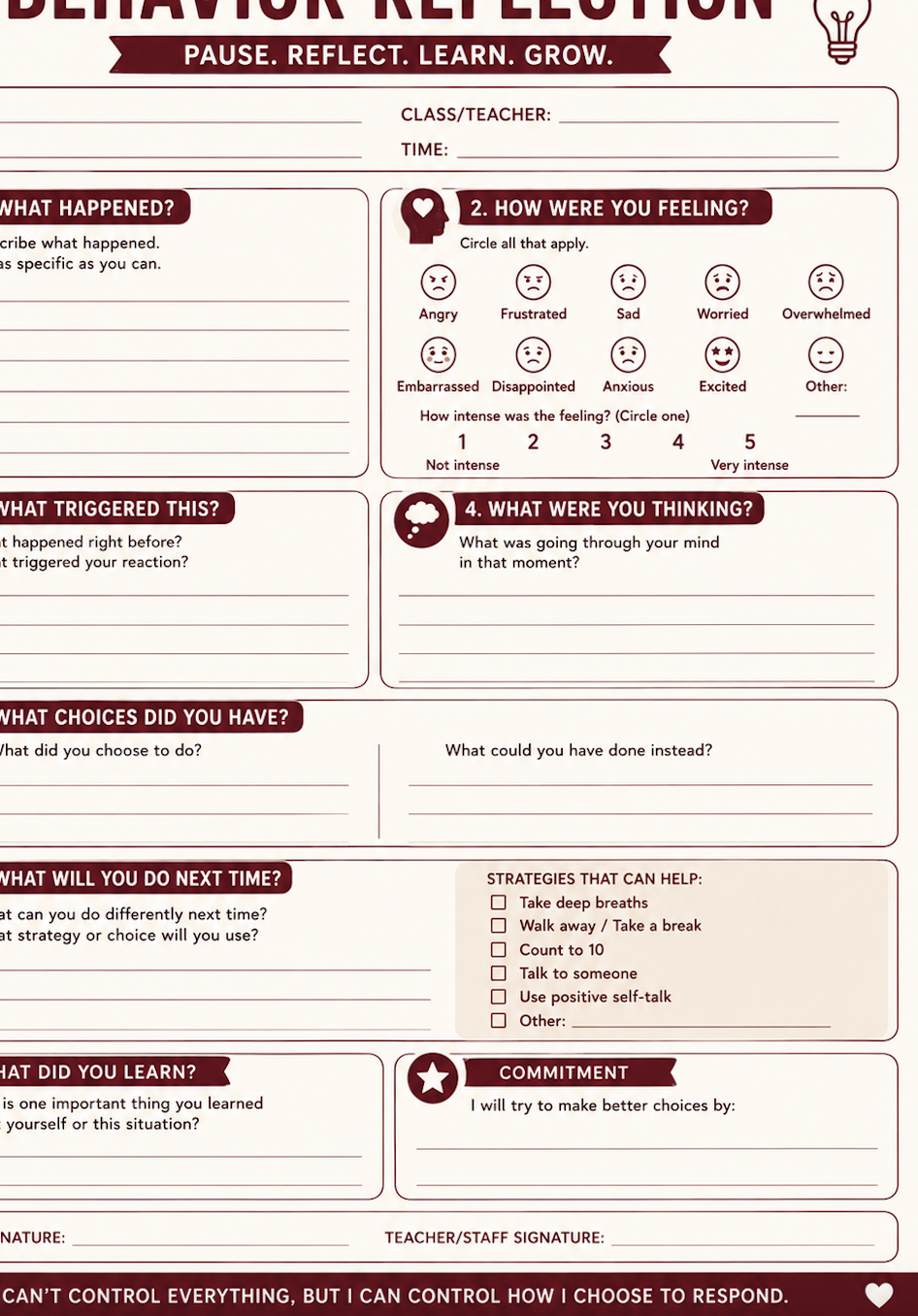
Downloadable PDF behavior reflection sheet that helps students reflect on their unexpected behavior, label the behavior, label the feeling and thought behind the behavior, what will be done next time, what was learnt, commitment, and strategies that can help remain calm in high stress moments.
GRADES 6-12 CAN BE REUSED
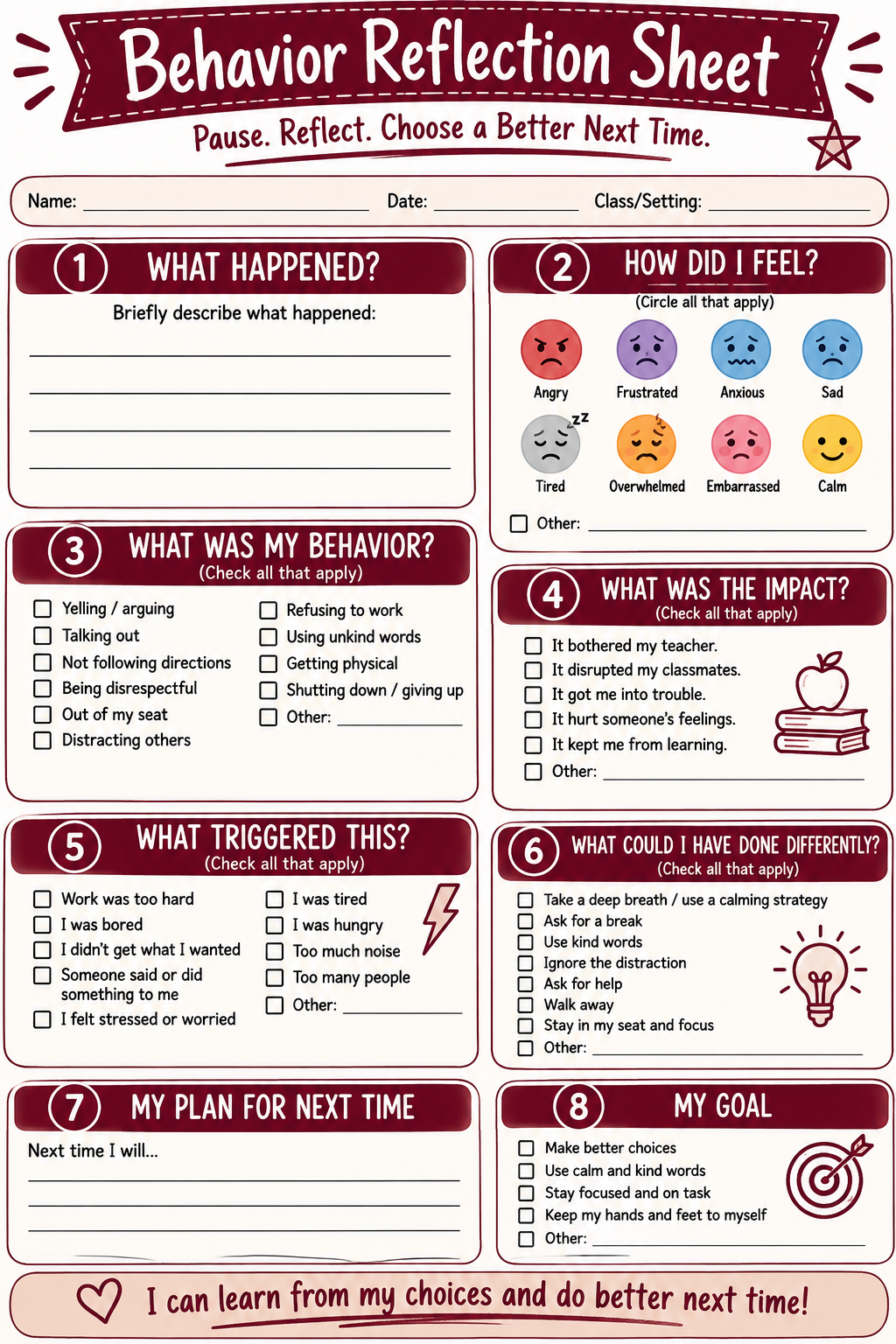
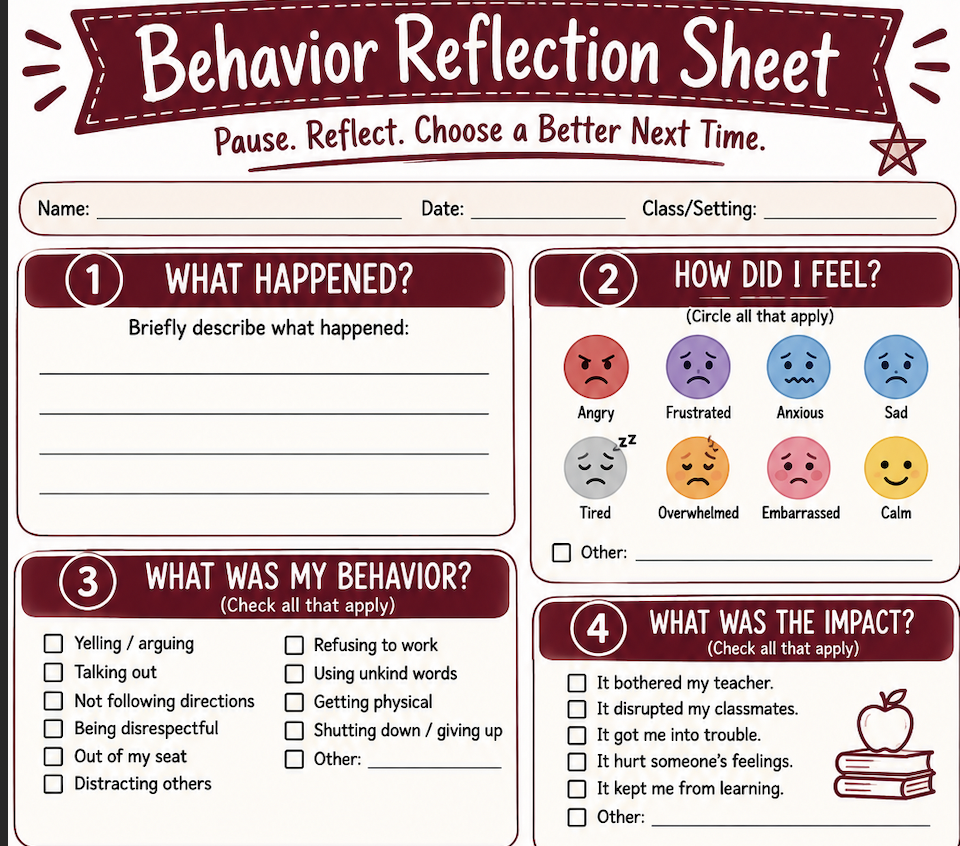
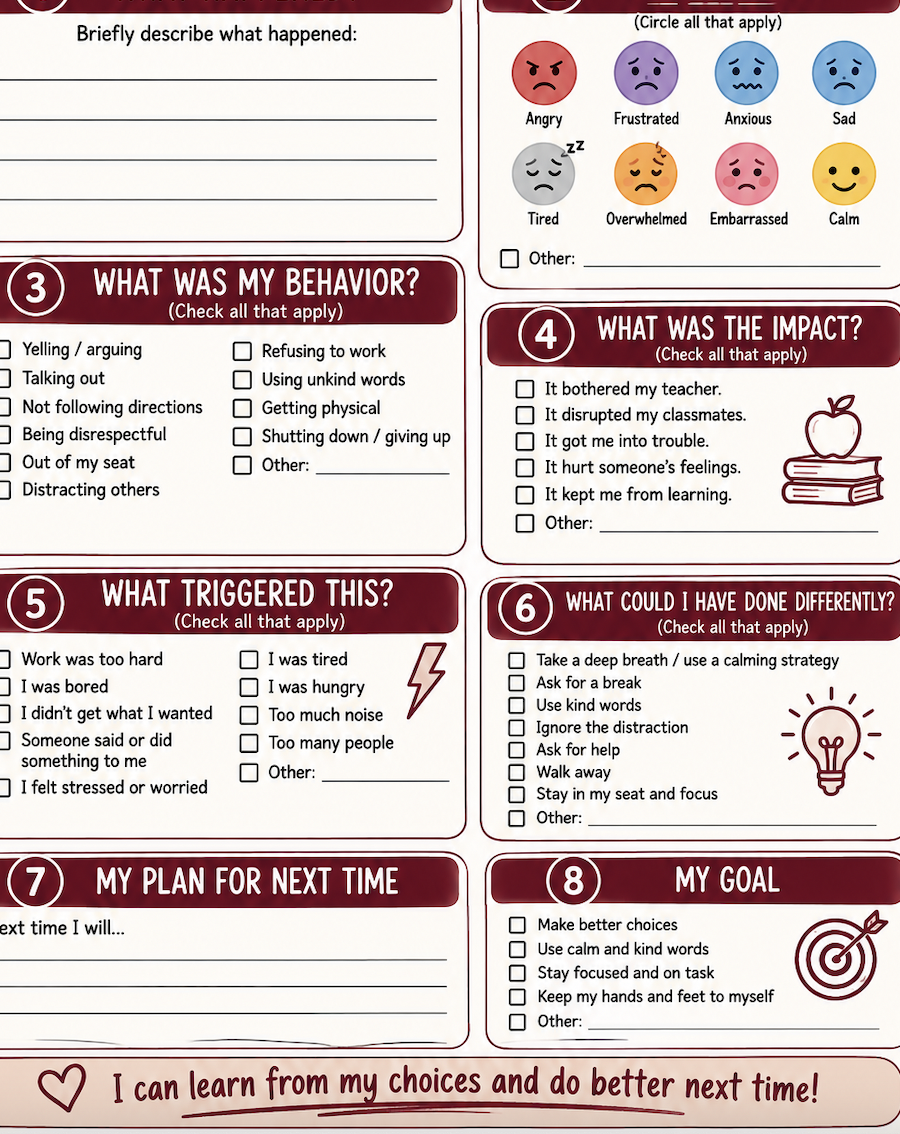
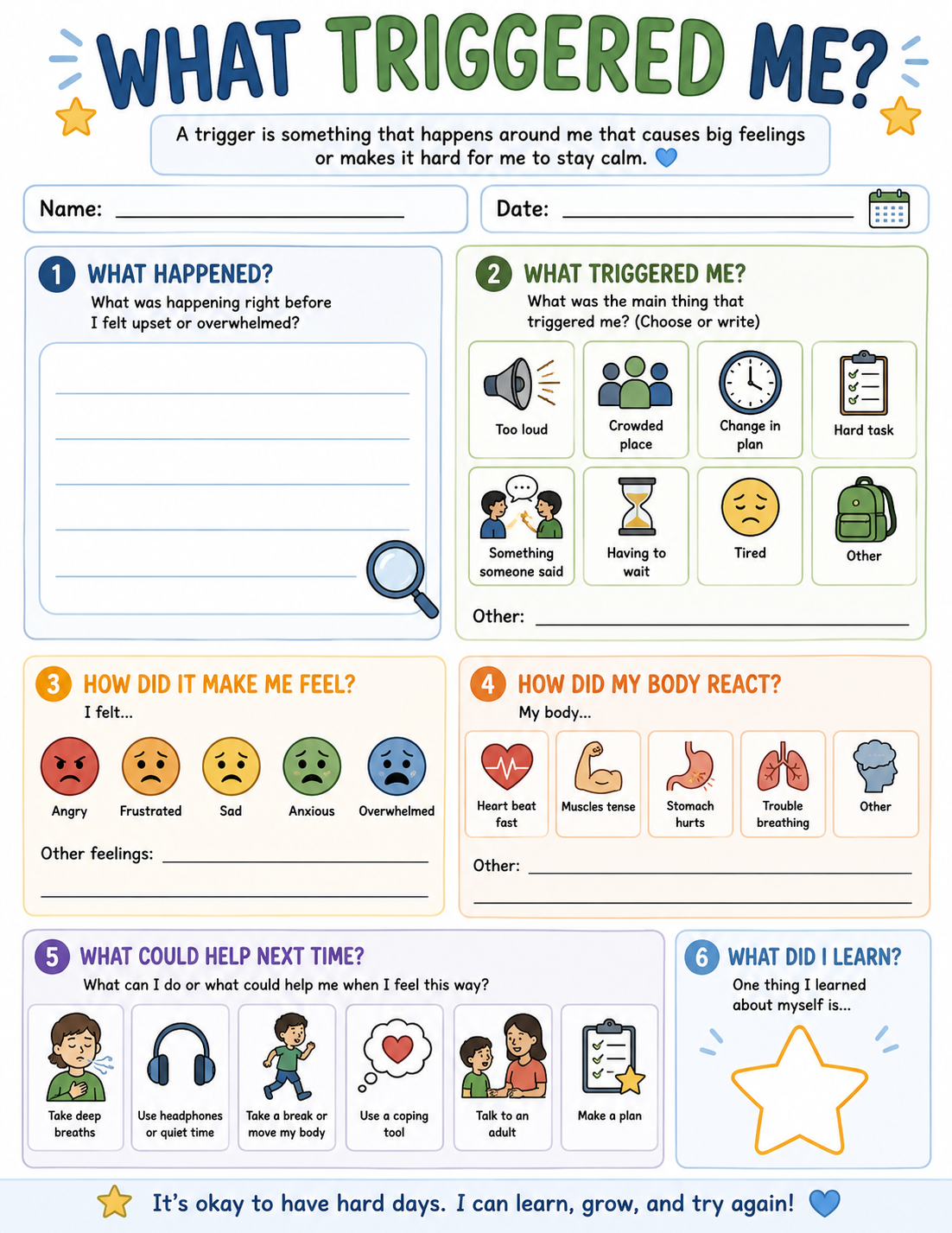
Downloadable PDF behavior reflection sheet that helps students reflect on their unexpected behavior, label the behavior, label the feeling, impact of their behavior, triggers, what can be done differently, plan for next time, and a quick behavior smart goal
GRADES K-5. CAN BE REUSED
No results match your search. Try removing a few filters.